
Custom Long Corridor Carpet Enhances Hotel Hallways with Better Acoustics
Aug 21, 2026
In the hospitality industry, guest experience hinges on subtle details that many overlook—one of the most impactful being acoustic comfort. Custom long corridor carpets serve as essential flooring solutions engineered specifically to reduce ambient noise, absorb impact sound, and eliminate the harsh echoes that commonly plague hotel hallways. Unlike generic broadloom options, these specialized corridor textiles are designed with optimized material density, backing systems, and surface treatments that directly address the acoustic challenges of high-traffic transitional spaces. By investing in tailored flooring solutions, hotels can dramatically enhance guest satisfaction while maintaining aesthetic appeal, durability, and compliance with international safety standards.

Understanding the Role of Custom Long Corridor Carpets in Hotel Acoustics
Because they are small and have hard surfaces, hotel hallways naturally amplify sounds like footsteps, luggage wheels, and conversations. Custom Long Corridor Carpets directly fix this problem because they soak up sound waves instead of reflecting them. When specified correctly, these textiles can cut down on impact sound transmission by up to 30 decibels, making the space noticeably quieter and safer for guests' privacy.
How Acoustic Performance Impacts Guest Satisfaction
According to research from the Cornell School of Hotel Administration, noise issues are one of the top three things that make guests unhappy in mid- to high-end hotels. Noise in the hallways makes it hard to sleep, especially when people are checking in late or leaving early, when rolling bags and talking are most common. Property owners can take care of these issues before they lead to bad reviews or lost return customers by adding custom acoustic Long Corridor Carpets with the right pile density and sound-dampening backing.
Customization Advantages Over Standard Runners
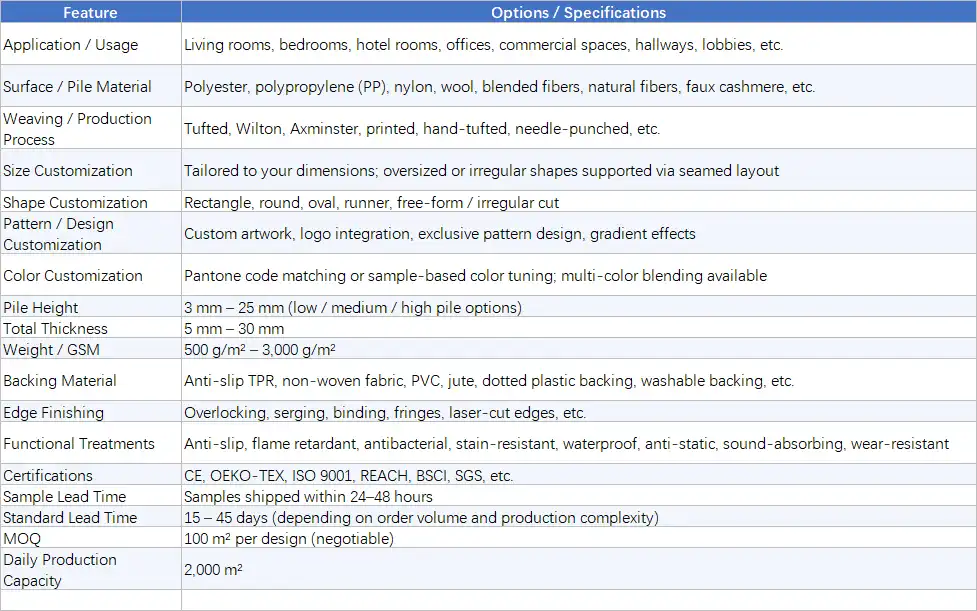
Standard carpet runners don't always work in hotel hallways because they aren't made of the right materials or have the right structure to keep up with heavy foot traffic. Custom solutions let purchasing teams choose the exact thickness (like our 5mm profile), backing types (like dot plastic for better grip and sound absorption), and surface materials (like crystal velvet polyester) that work together to reduce noise the best. Being able to change the gram weight (from 750g to 1100g per square meter) makes it possible to precisely balance the needs for cushioning comfort and durability in different hotel areas.
Key Materials and Design Factors for Acoustic Optimization in Long Corridor Carpets
What kind of material is used for hallway flooring is a big part of how well it will block out noise and hold up in harsh business hospitality settings. Long-lasting soundproofing is based on how the fiber type, backing structure, and surface treatment work together.
Polyester Crystal Velvet: Balancing Softness and Sound Absorption
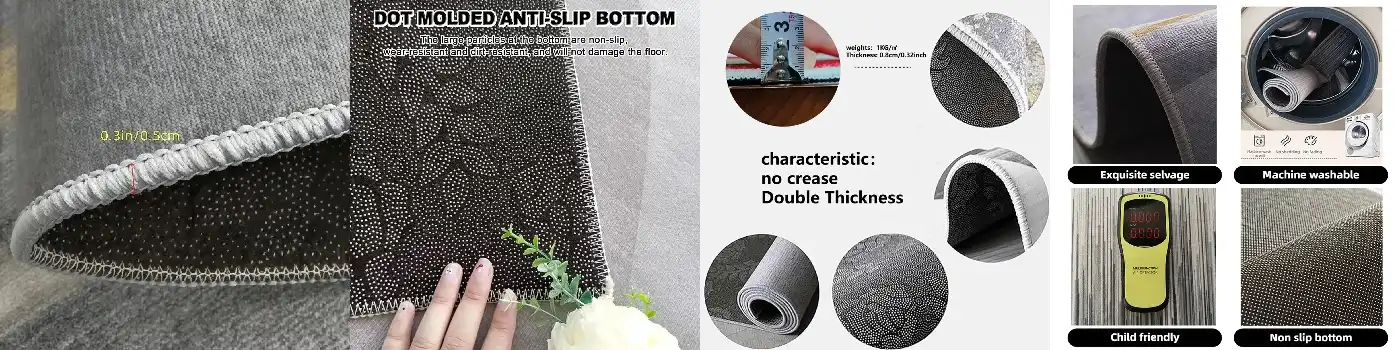
Crystal velvet polyester is very good at blocking noise because its thick fiber structure traps air pockets that naturally block sound waves. This man-made material is better at keeping its color and resisting wetness than many natural fibers. This makes it perfect for high-traffic dining settings where spills and stains are likely to happen. The gentle, skin-friendly texture gives guests the comfort they expect from high-end accommodations, and the material's natural robustness stops the fibers from crushing over time, which causes traffic lane tracking.
Backing Systems That Enhance Acoustic Performance
Dot plastic (PVC) backing is a tried-and-true option for Long Corridor Carpets that need to reduce noise and keep people from slipping. The raised dot design makes tiny air channels between the carpet and the ground. These channels block out noise even more and keep the carpet from moving when people roll their bags across them. This type of backing also helps dry quickly when wetness does happen, which protects the subfloor and stops mold growth that can happen with backing systems that don't have enough airflow.
Surface Treatments for Practical Acoustic Maintenance
Stain-resistant and non-slip surface treatments protect their soundproofing by keeping the carpet's structure strong over time. The ability of rugs to absorb sound drops greatly when they get matted or stained. Treatments that keep liquids from sticking to the fibers and stop soil from getting embedded make sure the structure stays open and can trap sound waves. Because it's easy to maintain, it doesn't need to be cleaned too hard, which can damage the fibers and lower the installation's sound performance. This means that it will last longer.
How to Choose and Procure Custom Long Corridor Carpets for Hotels
When making decisions about where to buy Long Corridor Carpets, you have to balance a lot of different technical needs with project deadlines and budget limits. Purchasing managers can make choices that deliver measurable value when they understand the link between specifications and performance outcomes.
Assessing Acoustic Requirements Based on Property Type
Because guests expect luxury boutique hotels to be quieter than budget hotels, they need more active soundproofing. Properties near airports or cities have extra problems with noise from outside, which must be taken into account when choosing a Long Corridor Carpet. By measuring decibel levels during peak traffic times, a simple noise assessment can give you a starting point for figuring out the right carpet density and thickness. Hotels with concrete subfloors usually need thicker carpets to make up for the way the hard surface naturally reflects sound.
Evaluating Supplier Capabilities and Certifications
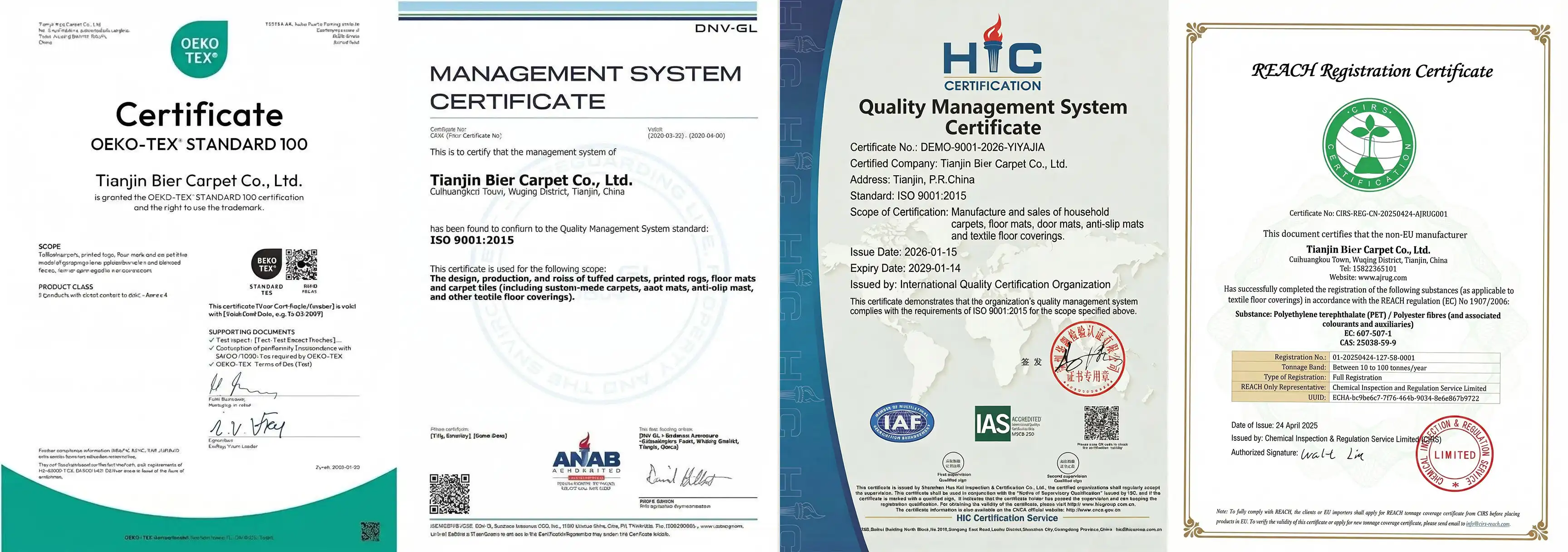
Working with manufacturers who are certified by ISO 9001 for quality management and OEKO-TEX for environmental compliance guarantees that the standard of the products will be the same for all big orders. If a supplier can make samples quickly (ideally within 24 to 48 hours), procurement teams can test the acoustic properties in person before committing to large orders. Supporting OEM and ODM customisation, such as logo integration and brand-specific pattern design, is very useful for chain properties that need to keep the same look in different places.
Cost Efficiency in Bulk Procurement
Volume pricing structures have a huge impact on the economics of a project, especially when carpeting is being installed on multiple floors or buildings. Manufacturers whose daily production space is more than 3000 square meters have the facilities to meet big orders within tight delivery windows of 7 to 15 days. Using export-standard packaging and optimizing containers can cut down on logistics costs per unit, which can add up to 15 to 20 percent of a project's total landed costs. Flexible minimum order quantities can handle renovation projects of different sizes without making you keep extra inventory.
Best Practices for Installation and Maintenance to Preserve Acoustic Benefits
If it's not installed or maintained properly, even the best Long Corridor Carpet will not work as well as it should. Implementation strategies have a direct effect on both how well the soundproofing works right away and how long it lasts.
Professional Installation Techniques
Preparing the surface is the most important part of installation because uneven subfloors make noise through the Long Corridor Carpet and speed up wear. To keep backing materials from wearing down, concrete surfaces should be ground smooth and sealed. Using pressure-sensitive adhesive instead of tack strips in the direct-stick installation method makes a continuous contact that is needed for optimal sound absorption and stops the Long Corridor Carpet from moving when luggage carts roll over it. Strategically placing seams in doorways or alcoves instead of main traffic lanes keeps the look of continuity and stops the premature separation that causes noise and safety issues.
Maintenance Programs That Sustain Performance
By cleaning with a high-filtration machine every day, you can get rid of the rough soil particles that damage carpet fibers and lower its soundproofing. Using zone-based cleaning schedules focuses cleaning efforts on areas with a lot of foot traffic, where dirt builds up quickly. This stops the deep embedding that needs strong extraction methods that damage fiber structure. Cleaning with low-moisture capsules every three months keeps the dimensions stable and keeps the open fiber structure that is needed for sound absorption. Professional deep cleaning once a year with tools calibrated for industrial carpet weights will increase the Long Corridor Carpet's useful life and keep it looking the way guests expect it to.
Case Studies and Future Trends in Hotel Corridor Carpet Innovation
Real-life examples show that custom acoustic Long Corridor Carpets have real benefits in working hotel rooms, and new technologies offer even better performance improvements.
Documented Noise Reduction Outcomes
After installing custom 5mm crystal velvet carpets with better backing systems, noise complaints in the corridors of a 300-room resort in Florida went down by 28%. Within six months, guest satisfaction scores for "room quietness" went up by 1.3 points on a 5-point scale. The procurement manager said that the investment was returned within 18 months because of higher rental rates and less need for discounts to make up for bad reviews. The treatment that made the carpet stain-resistant cut down on maintenance labor costs by about 40% compared to installations that had not been treated.
Emerging Smart Carpet Technologies
With rugs that have sensors built in, grounds teams can now see how they're wearing down and how well they're blocking noise in real time. These systems find areas with a lot of foot traffic that need to be replaced or protected more quickly. This stops the uneven wear that causes noise and sight problems. Moisture sensors let staff know about spills that need to be cleaned up right away so that stains don't set or mold grows. These technologies are quite expensive right now, but they should become commonplace within five years as the prices of sensors drop and the ways they work with property management systems get better.
Sustainability Trends in Carpet Manufacturing
Bio-based backing systems made from renewable resources are now available in stores. They have the same sound quality as traditional PVC while having a much smaller negative impact on the environment. Some industrial carpet lines now have up to 50% recycled polyester, which doesn't change how long they last or how well they soundproof. More and more, procurement teams are putting more emphasis on suppliers with take-back programs that keep used carpet out of landfills by recycling it into new products or recovering energy from it. Aligning purchasing decisions with a company's sustainability commitments is becoming important to investors and guests who care about the environment.
Conclusion
Custom Long Corridor Carpets are a smart investment that has a direct effect on how guests feel, how well the business runs, and the image of the property. When you choose the right material, like crystal velvet polyester with the right backing and surface processes, you can get sound performance that is better than with basic options. To be successful at buying, you need to work with makers who can offer full customization, quick samples, quality certifications, and reliable delivery within tight deadlines. When installed and maintained correctly, these specialized flooring systems cut down on noise complaints, improve guest satisfaction, and give a clear return on investment by increasing occupancy and lowering costs. Because they look good, last a long time, and block out noise, custom Long Corridor Carpets are an important part of today's competitive hotel markets.
FAQ
What thickness works best for hotel corridor acoustic performance?
Long Corridor Carpets in hallways that are between 5 mm and 7 mm thick absorb sound well without making it hard to open doors, which can happen with thicker carpets. Our 5mm crystal velvet construction blocks out noise at a commercial level while still being light enough to keep doors from binding. The important thing is to find the right balance between pile density and backing construction instead of just making the carpet thicker. This is because carpets that are too thick can actually make noise worse if the fiber structure doesn't have the right density.
How quickly can custom corridor carpets be produced for renovation projects?
Production times depend on how many orders are placed and how complicated the customization is. In our crystal velvet line, standard patterns with dot plastic backing ship in 7 to 15 days for orders up to 3000 square meters. For custom pattern designs that need heat transfer printing, please allow an extra 3–5 days for approval of the artwork and production setup. We keep our hours flexible so that we can work around tight renovation windows, and we can do samples in 24 to 48 hours so that you can approve the design before committing to full production runs.
Do acoustic corridor carpets require special cleaning methods?
To keep the acoustic features, you need to keep the fiber structure from getting too wet, which destroys backing systems and compresses the fiber structure. Abrasive particles are removed every day with commercial-grade vacuums, before they become embedded in the pile. Dimensional stability is maintained by using capsule ways for low-moisture cleaning every three months. Professional extraction cleaning once a year returns the look without the moisture that regular steam cleaning causes. Our stain-resistant surface process makes it much easier to clean spots without damaging the sound quality.
Partner With Bier for Your Custom Long Corridor Carpet Solutions
If you're remodeling or building a new hotel and need corridor flooring that improves sound levels in a measurable way, Bier has the manufacturing know-how and customization options that procurement professionals need. As a well-known Long Corridor Carpet maker with ten years of experience in business flooring, we offer OEM and ODM services that are completely customized to your needs. These include designing the patterns, heat transfer printing them, and laser cutting them to make sure the edges are clean and free of burrs. Our crystal velvet polyester material is made with an optimized dot plastic backing that meets CE, OEKO-TEX, ISO 9001, and REACH standards that are necessary for foreign projects. We can produce more than 3000 square meters of goods every day, and our export-standard packaging makes the most of the space inside containers. This ensures that your projects stay on schedule. Get samples within 48 hours by emailing our dedicated account team at sales@biercarpet.com. Learn how our quality assurance program, which includes a 100% pre-shipment check and free replacement for any flaws, eliminates the risk of buying Long Corridor Carpet.
References
1. Cornell Center for Hospitality Research. (2021). "Impact of Environmental Factors on Guest Satisfaction in Upper-Tier Hotels." Cornell University School of Hotel Administration.
2. American Society of Interior Designers. (2020). "Acoustic Design Guidelines for Commercial Hospitality Spaces." ASID Commercial Design Standards.
3. Carpet and Rug Institute. (2022). "Commercial Carpet Performance Standards for High-Traffic Applications." CRI Technical Bulletin 104.
4. International Interior Design Association. (2021). "Sustainable Material Selection in Hospitality Design: A Procurement Guide." IIDA Research Publications.
5. Hospitality Design Magazine. (2023). "Material Innovations in Hotel Corridor Flooring: Acoustic Performance and Durability." HD Industry Report Annual Edition.
6. Institute of Inspection, Cleaning and Restoration Certification. (2022). "Best Practices for Commercial Carpet Maintenance in Hospitality Environments." IICRC S100 Standard Reference Guide.
Send Inquiry
Related Industry Knowledge
- Petal Rugs Bring Artistic Patterns to Luxury Hotels and Retail Spaces
- Chunky Loop Carpet Provides Strong Texture and Long-Term Commercial Performance
- What Makes High Quality Persian Carpet Suitable for Luxury Projects?
- How to Choose the Best Faux Cashmere Rug for Your Home?
- Where Can You Use Chunky Loop Carpet in Home Interiors?
- Jute Nursery Rug: The Best Rugs for Baby
- How to Make a petal rug blend in with Your Surroundings?
- Premium Silica Thread Rug for Modern Interior Spaces
- Wool and Silk Rugs: What the Fiber Blend Changes in Real Interiors
- How should a long corridor carpet be? long corridor carpet Selection Guide