
Everything You Need to Know About Jute Rugs
Jun 17, 2026
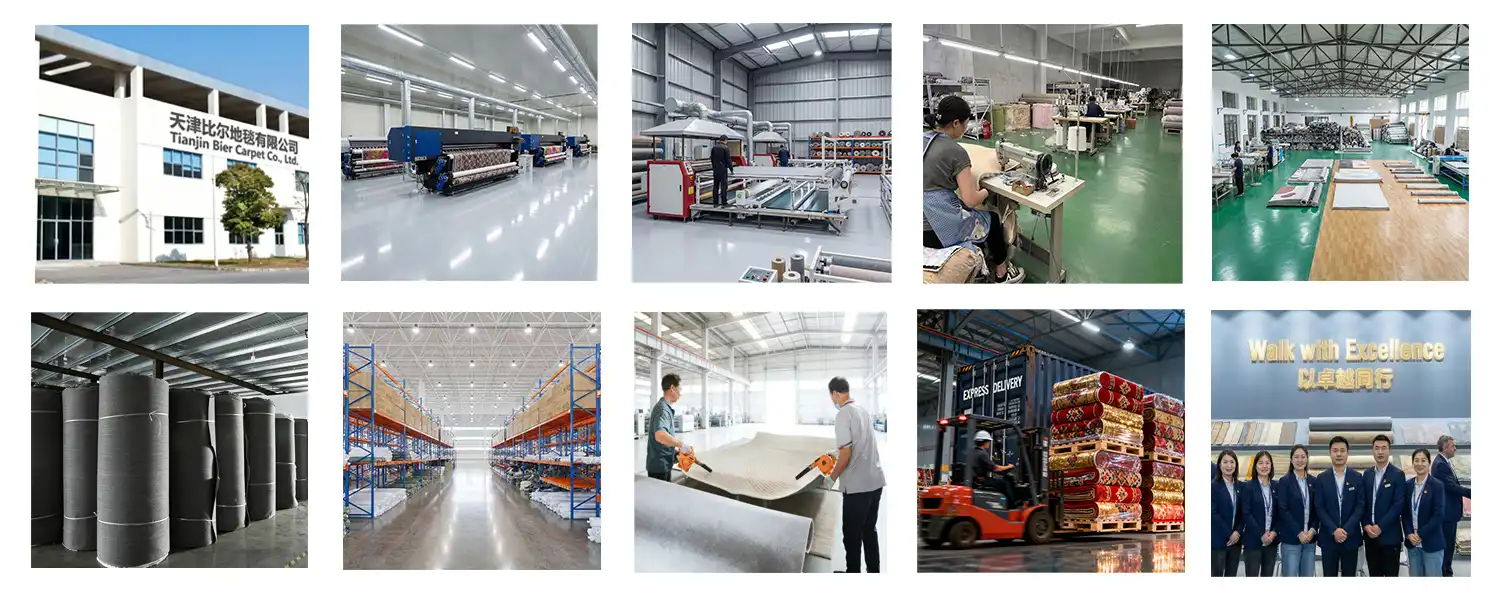
It's important to know the difference between traditional natural jute rugs and engineered Jute-proof rugs when looking for flooring for both business and private projects. Natural jute has an organic look, but it is sensitive to wetness, loses fibers, and breaks down too quickly. A Jute-proof rug solves these problems by mixing the natural look of fibers with the strength of synthetic materials. These rugs are made from polyester fibers that look like sisal and are strengthened with TPR clean bases. They are waterproof, don't stain easily, and last a very long time. Hotels, retail chains, event spaces, and e-commerce brands that need reliable, cost-effective flooring that looks the same in multiple installations can get Jute-proof rug choices that come in a wide range of sizes and designs and can be made quickly.
What Are Jute and Jute-Proof Rugs?
Understanding Traditional Jute Rugs
Natural jute mats are made from fibers that come from the Corchorus plant. These rugs have an earthen, seaside look, but they soak up water easily, which causes mildew to grow and bad smells to spread. The short-staple strands also shed all the time, making dust that makes upkeep harder in business settings. Natural jute mats often get worn out quickly in places like hotels and offices with a lot of foot traffic, so they're not good for places with a lot of foot traffic.
The Engineering Behind Jute-Proof Solutions
Jute-proof rugs are made from modern manmade materials like polyester or polypropylene that look like natural fibers but are not made of them. These man-made versions don't absorb water because they have hydrophobic fiber structures that keep liquids from sticking to them. The continuous thread design keeps the fibers from breaking down and dusting off, which can happen with vegetable-based rugs. These goods have better tensile strength and dimensional stability thanks to high-density machine weave and edge-locking. Manufacturers use TPR (thermoplastic rubber) bottoms to make shoes less likely to slip and allow them to be washed in a machine without damaging the structure.
Key Performance Advantages for Commercial Applications
Purchasing managers like Jute-proof rugs because they can stand up to conditions that would destroy natural options. The waterproof TPR backing keeps spills from damaging the flooring and stops water from moving through and ruining the floor. UV-stabilized fibers keep their color even in full sunlight, so they don't yellow or break like wild jute that hasn't been treated. Flame-resistant treatments make it possible for businesses and hotels to follow safety rules in public places. The 1000g/㎡ weight and 1cm thickness give it a lot of covering while still being flexible enough to be packed in rolls and shipped quickly. These technical specs mean that the product will last longer, cost less to replace, and need less upkeep work in a variety of installation situations.
Comparing Jute-Proof Rugs with Alternatives
Material Performance Analysis
When looking at different flooring choices, knowing about the properties of the materials helps you make the best buying decisions. Natural sisal is a little more resistant to wear than jute, but both are just as likely to get wet. Nylon or polypropylene-based synthetic mats are very durable, but they don't always have the natural look that designers like. Jute-proof rugs are in the middle because they look warm and are strong enough to last. The fake sisal treatment on the surface makes it scratch and tear-resistant, making it good for pet-friendly areas. The stain-resistant covering makes it easier to clean up spills. While natural fibers can trap allergens and germs, the non-porous plastic surface can be cleaned thoroughly using normal methods.
Maintenance and Lifecycle Cost Considerations
Hospitality owners and property managers know that over the life of a product, upkeep costs often go over the cost of buying it in the first place. Natural jute needs to be cleaned by a professional to keep the fibers from getting damaged, and in places with average traffic, it needs to be changed every 12 to 18 months. Synthetic options can last between 5 and 7 years, but they may build up static electricity and need special treatments to get rid of it. Jute-proof rugs are long-lasting and easy to clean at the same time. The TPR removable base lets you do deep cleanings on a regular basis without having to hire a professional, and the quick-drying features cut down on downtime. With the right care, these rugs can last for three to five years in business areas with a lot of foot traffic. Total cost of ownership calculations show that Jute-proof rug options often have the lowest annual cost when you add up the costs of cleaning, replacing, and getting rid of them.
Environmental Impact and Sustainability
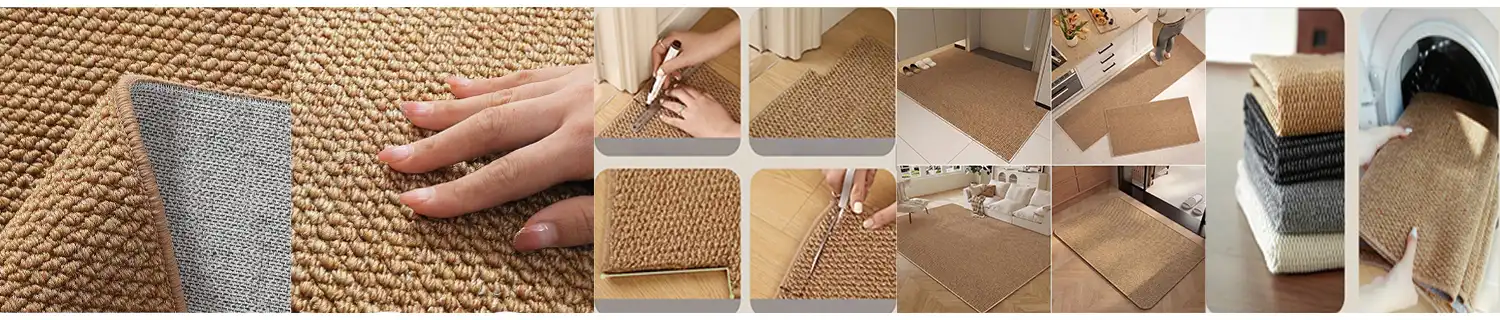
Environmental responsibility is becoming more and more important in corporate buying, along with functional needs. Natural jute breaks down naturally, but it needs chemicals to grow and doesn't last very long. Recycled polyester fibers used in high-quality Jute-proof rugs keep plastic trash out of landfills while giving the rugs better performance. Making things that meet ISO 9001 and OEKO-TEX standards makes sure that there aren't too many harmful fumes and that everything is handled safely along the supply chain. The longer product life means that it doesn't need to be replaced as often, which cuts down on shipping emissions and packaging trash. Brands that want to get LEED certification or meet company sustainability goals can show that their products are good for the environment by getting supplier approvals and lifecycle studies. This makes Jute-proof rugs a smart choice that balances business needs with environmental responsibility.
How to Select and Care for Jute-Proof Rugs
Critical Selection Criteria for Bulk Procurement
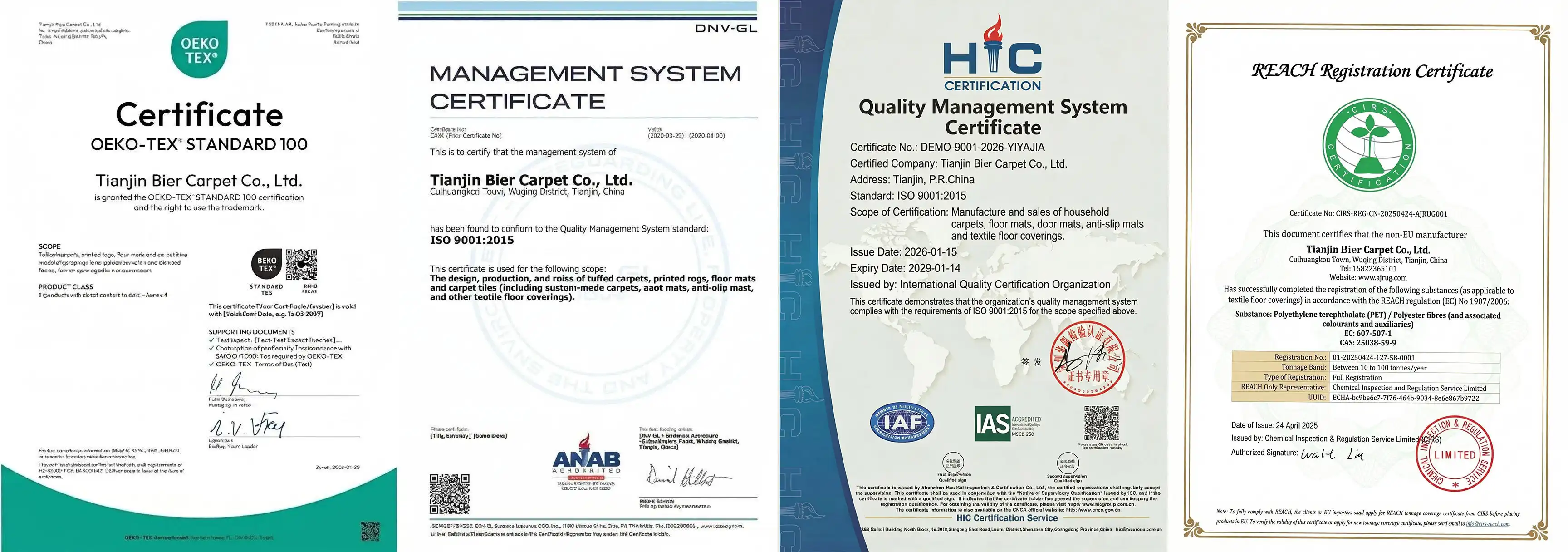
Sourcing managers have to look at a number of technical factors to make sure that the Jute-proof rug will work for the intended purposes. Thickness affects how well it cushions and how long it lasts. For business places, 1 cm is the best thickness for balance without creating trip hazards. The density is shown by the gram weight, and 1000g/㎡ is a dense enough material to prevent wear while still being flexible. Edge-locking width determines how long the border will last; a 0.6cm lock keeps the edges from fraying under moving chairs and carts. Slip resistance tests should show that the standards set by ASTM D2047 are met in both dry and wet situations. For installs that are consistent with your brand, customization is important. Make sure that the suppliers you're considering can do exact pattern printing, logo integration, and non-standard sizes for the Jute-proof rug. Sample evaluation in 24 to 48 hours allows for quick prototyping to get design approval, and production capacity of 1000㎡/day makes sure that big projects are finished on time.
Maintenance Best Practices
Using the right care instructions will get you the best return on your investment by making the product last longer and keeping its good looks. As part of daily upkeep, you should dry vacuum with a brush tool to get rid of surface dirt without hurting the fibers. Spot cleaning spills once a week with pH-neutral soaps, dampened according to the manufacturer's instructions, takes care of the problem. The TPR base can be washed by machine every once in a while, but business setups may want to have extraction cleaning done by a professional every 6 to 12 months. Do not use steam cleaning because it can damage the backing, and never use bleach-based products because they break down fake fabrics. Rotating rugs in areas with a lot of foot traffic spreads out wear fairly and keeps areas from wearing out too quickly. Keeping folded units in climate-controlled spaces keeps goods safe from changes in humidity and temperature.
Logistics and Supplier Partnership Considerations
To successfully buy in bulk, you need to coordinate more than just the product specs. Export-standard roll packing makes it easier to load containers, which lowers the cost of shipping each unit for sales from other countries. Suppliers who offer options to cartons or woven bags can work with a wide range of delivery methods, from shops to direct-to-consumer fulfillment. Smaller businesses can get wholesale prices without having to keep too much product on hand because the minimum order amounts are flexible. Protocols for quality assurance should include a full review of all items before they are shipped, with written confirmation of dimensions, color consistency, and structural stability. Working together with freight forwarders who know how to handle textile logistics makes sure that travel times are regular and that the right paperwork is filled out for customs. Return policies that cover problems with the way the product was made lower the risk, and specialized account managers make it easier to reorder when demand changes because of the season or an event.
Jute-Proof Rugs in Procurement: Where and How to Buy
Identifying Reliable Supply Channels
There are several ways for procurement workers to get Jute-proof rug inventory, and each has its own benefits. Direct connections with manufacturers offer the most customization options and the lowest unit costs, but they need larger orders. Trade sites put buyers in touch with sellers who have been checked out and offer protections for transactions and quality promises. Specialty flooring wholesalers keep stock on hand to speed up delivery, but they charge more than the maker does. When looking at possible partners, make sure to check their manufacturing qualifications, such as building certifications (ISO 9001, REACH compliance), and proof of their production capacity. Ask for references from customers in related industries to see how well the company has done in similar situations. Before signing big contracts, make sure that the factory's production skills and quality control systems are checked out on-site or by a third party.
Negotiation Strategies for Volume Orders
Negotiation that works well strikes a mix between lowering costs, ensuring quality, and making sure deliveries are on time. To avoid disagreements, make sure the specs are clear. These should include the material's make-up, any allowed thicknesses, and the need for performance tests. Ask for tiered price systems that reward promises to buy a lot of something while still letting you adapt to changes in demand. Talk about payment terms that work with your cash flow. For example, a 30% deposit with the rest due after review is a safe choice for both parties. Talk about how to best load containers to get the most out of economies of scale. Suppliers who know a lot about export handling can suggest ways to package items in a way that lowers the cost of freight per unit. Include backup plans for things like production delays, poor quality, and events beyond your control. Long-term relationship deals often give both parties access to better prices, earlier production schedules, and chances to work together on new products.
Quality Verification and Compliance Assurance
To lower the risk of buying, quality must be checked regularly along the whole supply chain. Before mass production starts, pre-production samples make sure that the specs are understood properly. During production, ask for reports on the progress with photos of important steps of the process. Use third-party review services to make sure that the dimensions are correct, the colors match, and the structure is sound before shipping. For example, for European markets, make sure the goods have the CE mark, OEKO-TEX approval for textiles that come into contact with skin, and flame-retardant standards for business installations. To make it easier to get through customs and meet the standards of the end client's due diligence, get all the necessary paperwork, such as material safety data sheets, test results, and certificates of conformity.
Conclusion
Jute-proof rugs are a smart way for businesses to buy flooring that is long-lasting, low-maintenance, and looks natural without the problems that come with traditional fibers. These engineered goods are useful in many places, from hotel halls to stores, because they have fake sisal surfaces and waterproof TPR backing. To be successful at buying, you need to carefully look at the material requirements, the supplier's skills, and the costs over the whole life of the product. Established makers can meet the complex needs of modern business projects with their flexible customization options, quick production processes, and compliance certifications. When procurement teams put technical performance, sustainable sourcing, and reliable transportation partnerships at the top of their list of priorities, their companies are better able to achieve both operational efficiency and design excellence across multiple sites.
FAQ
Are jute-proof rugs truly waterproof?
Real Jute-proof rugs have TPR or rubber backings that block water from getting through to the ground. The synthetic fiber surface doesn't soak up spills and is easy to clean, but it shouldn't be submerged for long periods of time. When something is waterproof, it means that the backing can handle normal spills and wet mopping that happens in business settings.
How do jute-proof rugs perform under heavy commercial foot traffic?
Jute-proof rugs can handle more than 20,000 Martindale abrasion cycles thanks to their high-density machine weave and continuous filament construction. This means they can be used in places with mild to heavy traffic. The 1cm thickness cushions the fibers and keeps them from being compressed, and edge-locking keeps the edges from breaking. Hotel, office, and store reports say that with proper care, they last 3 to 5 years in high-use areas.
Can these rugs accommodate custom branding requirements?
Modern production methods allow for a lot of personalization, such as printing unique patterns, adding logos, and matching colors exactly. Heat transfer technology makes it possible to reproduce graphics accurately, and laser cutting makes it possible to get clean lines on forms that aren't standard. Different suppliers have different minimum order sizes, but for fully customized patterns, 500 to 1000 square meters is usually the minimum that makes sense.
Partner with Bier for Your Next Jute-Proof Rug Project
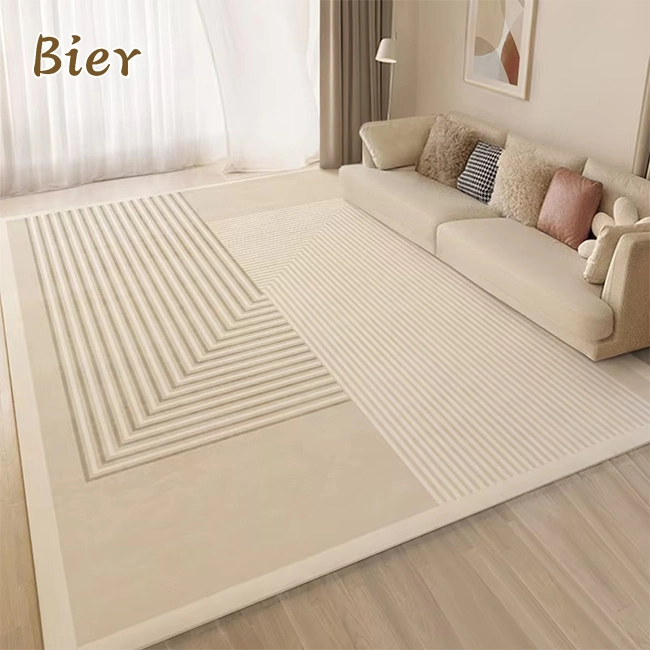
At Bier, we know that procurement workers need more than just products. They also need partners who can respond quickly and help them solve business problems. For both business and household use, our Jute-proof rug options offer waterproof and stain-resistant performance thanks to their TPR washable bases that look like sisal. With 10 years of experience making things, we can do OEM/ODM customization for brands, colors, and sizes while still following ISO 9001 and OEKO-TEX rules. Our special heat transfer printing keeps the images bright, and our precise laser cutting makes sure the lines are perfect. Every order is inspected carefully before it is shipped, and it usually takes between 7 and 15 days for delivery. Get in touch with our sales team at sales@biercarpet.com to talk about your needs and get samples made within 24 to 48 hours. You can also look into the bulk Jute-proof rug maker price that is based on your number of needs. We offer export-friendly packing and one-stop customs help to make foreign buying easy.
References
1. Textile Research Journal, "Performance Characteristics of Synthetic Fiber Floor Coverings in Commercial Applications," Volume 89, 2019.
2. International Journal of Hospitality Management, "Lifecycle Cost Analysis of Commercial Flooring Systems," 2021.
3. American Society for Testing and Materials, "ASTM D2047: Standard Test Method for Static Coefficient of Friction of Polish-Coated Flooring Surfaces," 2020 Edition.
4. Green Building Council, "Environmental Product Declarations for Textile Floor Coverings," 2022.
5. Journal of Interior Design, "Material Selection Criteria for High-Traffic Commercial Spaces," Volume 45, 2020.
6. Institute of Inspection, Cleaning and Restoration Certification, "Standard and Reference Guide for Professional Textile Floor Covering Cleaning," 2021.
Send Inquiry
Related Industry Knowledge
- What is a Silica thread rug? Material, Benefits and Placement
- Ultra Soft Faux Cashmere Rug for Family Homes
- How Jute Rugs Are The Best Option For Your Home This Summer?
- The Ultimate Guide to Jute-proof rug
- The best jute rugs : how to make the ideal choice for your interior design project?
- Silk and Wool Area Rugs for Living Room and Bedroom Design
- Why Easy Care Carpet Is Perfect for Modern Living
- How should a long corridor carpet be? long corridor carpet Selection Guide
- Choosing the Perfect ruggable bedroom
- Simple rugs for living room: Buying & Styling Guide 2026