
Silk and Wool Area Rugs Bring Premium Texture to Hospitality Spaces
Sep 21, 2026
The first thing a hotel guest feels when they walk into the lobby is the floor. That feeling shapes their whole stay. Silk and wool area rugs do more than just cover the floor; they show that you care about quality, comfort, and style even before you say a word. If you are a buyer for hotels, resorts, or businesses, the first thing you need to do to feel sure about your purchase is to understand why these natural fibre rugs are better than fake ones.

Understanding Silk and Wool Area Rugs: Materials, Benefits, and Durability
What Makes These Fibers Special?
Wool and silk are natural fibres that can't be matched by synthetic fibres because they are made of proteins. Linoleic acid, which is naturally found in wool, keeps water away and stops spots. Silk's fibres are grouped in a triangle-shaped prism, which makes light bounce off of them in different ways. Because of this, the fabric has a depth of shine that changes with the light. Put them together to make a pair of pants that looks good and is strong enough for tough work settings.

Fiber Types and Their Roles
Wool from Merino, Tibet, and New Zealand is all soft and strong in their own ways. Mulberry silk is the best kind of silk. It makes long, even filaments that are great for making dense piles. A normal fibre mix is 70% wool to 30% silk. The wool gives the rug strength, and the silk threads make it look nice and feel smooth. This ratio is often used for hotel floors because it takes into account both how well the floor looks and how long it will last.
Durability Data Worth Knowing
As per the Carpet and Rug Institute, wool fibres naturally have a crimp structure that lets the pile bounce back after being squished. This is very important in places where a lot of people walk. Another thing about wool is that it can soak up to 30% of its own weight in water without getting wet. This helps keep the temperature inside stable. This is because there are 150 to 400+ knots per square inch, which means that the pattern definition stays the same for years. Because of this, these rugs are better in the long run than as a quick fix.
Comparing Silk and Wool Rugs: Making the Right Choice for Your Hospitality Project
Silk Rugs: Visual Impact vs. Maintenance Demand
Pure silk mats are beautiful to look at, but they get damaged quickly when they get wet or walked on. Being in a hallway with a lot of people will wear out a 100% silk floor faster if you don't protect it. That way, people can enjoy their beauty without having to worry about being walked on all the time. They do best in places with little foot traffic, like greeting areas, private rooms, or show areas.
Wool Rugs: Workhorse Performance
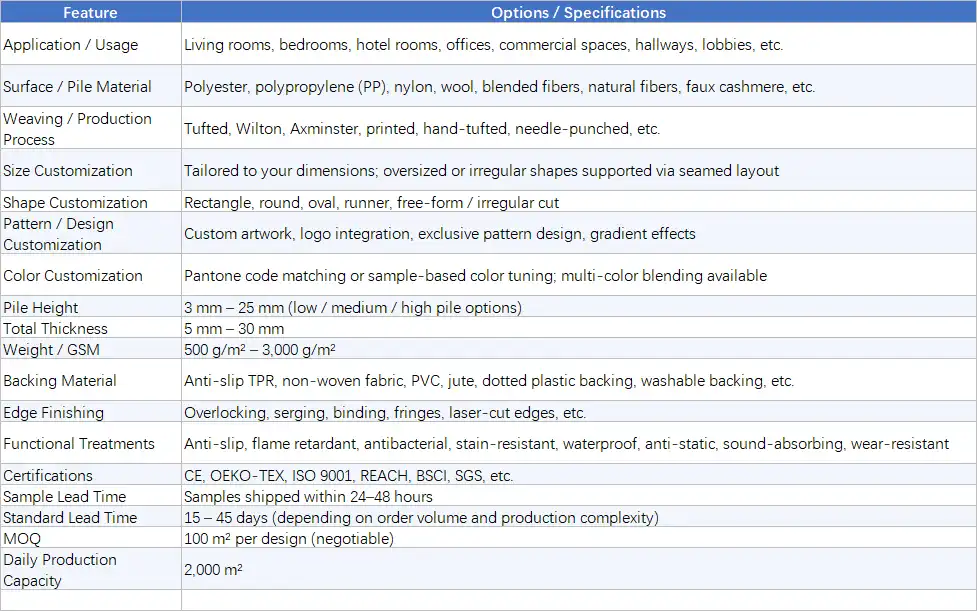
Silk-only rugs don't hold up well to being used every day in dining rooms, halls, and meeting rooms. Wool rugs do. Because the fibres in silk and wool area rugs are strong, they don't need to be deep cleaned as often, which saves money. When purchasing managers are looking to find a good mix between budgets for looks and care, wool-dominant rugs are a good choice. These rugs should have a high-density looped structure and a 30mm pile height so they look good for years to come.
Why Natural Fibers Beat Synthetics for Commercial Spaces?
Real fibre rugs will last longer than cotton or plastic rugs if you take good care of them. In line with the environmental goals that many hotel groups now make public, they also break down on their own. Natural fibre flooring is better for the environment and feels very different when you touch it. Guests notice this and associate it with high levels of hospitality.
Maintenance and Cleaning: Optimizing Longevity of Silk and Wool Area Rugs
Cleaning Protocols by Fiber Type
You don't need to use a lot of water to wash silk clothes. Soaps that are high in acidity destroy the lanolin in wool and take away the shine that comes from silk. Protein fibre cleaners that are pH-neutral are the only ones that should be used. People who clean should be taught to blot up spills right away instead of rubbing them in, which can make the liquid go deeper into the pile and change the way the fibres are arranged.
Preventive Maintenance Strategies
Rugs look better for longer if you flip them over every six months. This spreads the wear from walking on them out evenly across the surface. It is less likely that dirt will get on the rug's surface when entry mats are found at doors. This is what makes hotel lobbies pile up in the first place. Edge fraying or backing split can be found early on by professionals, who should check it at least twice a year, before it gets bad enough to need repair.
Product Specifications That Support Easy Maintenance
The dot plastic (PVC) backing on our rugs keeps you from falling on hard floors and stops water from getting to the ground. The 0.6 cm binding width along each edge keeps the pile in place neatly and stops the edges from fraying. The surface treatment that makes it less likely to stain gives building teams more time to clean up messes, which is useful in food and drink areas.
Procurement Considerations: Where and How to Source High-Quality Silk and Wool Area Rugs?
Certifications and Standards to Require
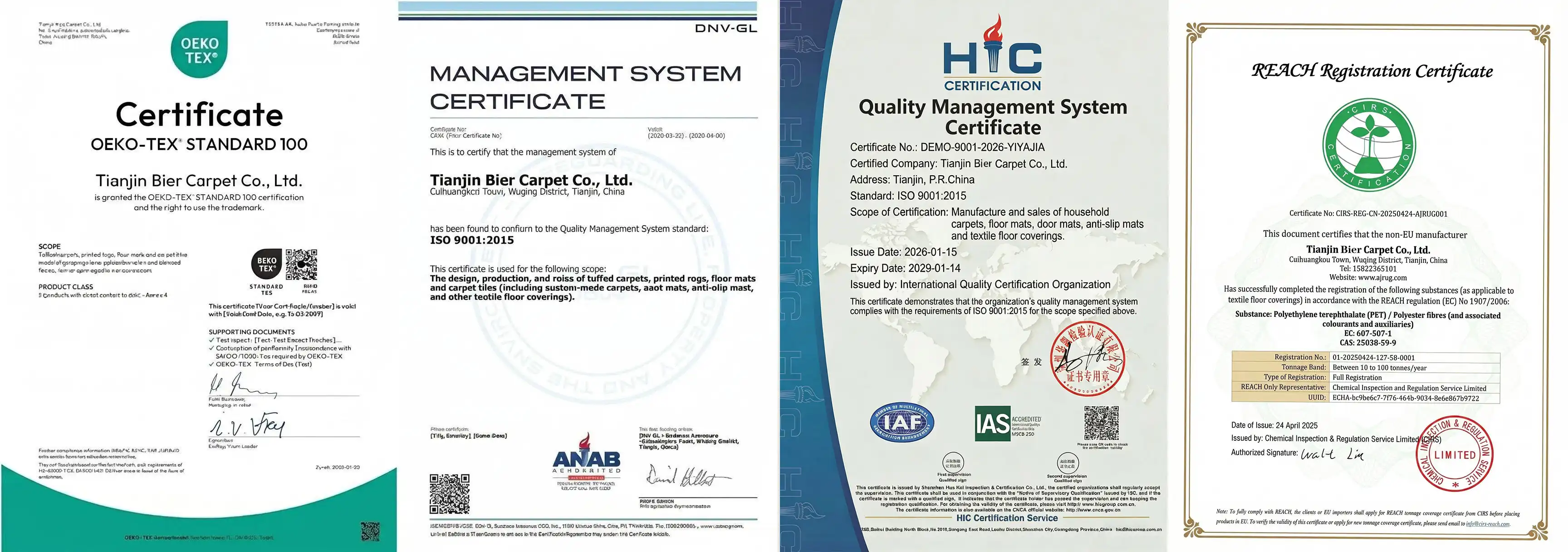
Suppliers of silk and wool area rugs you can trust have paperwork that shows they follow the rules. The products we make are safe for chemicals, don't catch fire, and follow the rules set by CE, OEKO-TEX, ISO 9001, and REACH. For procurement teams that sell to hotels in the US and Europe, these certificates are necessary to get goods through customs and protect the brand from risk.
Customization and Production Capacity
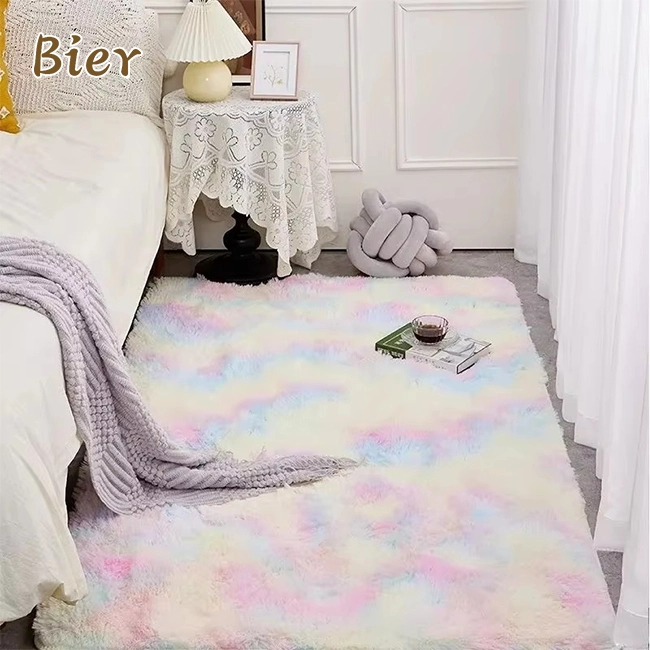
Customization is important for hotel projects that need flooring that matches the brand across multiple sites. We offer full OEM/ODM services for silk and wool area rugs, which include putting your name on the rug, making unique colorways in solid or tie-dye patterns, and cutting the rug to any size or shape needed for the project. We can make up to 2,000 square meters of goods every day, and it takes us 24 to 48 hours to make a model that matches the design, size, and quality of the mass production.
Logistics and Delivery Reliability
Large orders are sent in roll packaging, box packaging, or woven bag packaging, all of which meet export standards and are resistant to moisture and pressure. For both FCL and LCL shipments, we work with well-known freight forwarders that have a dedicated customs documentation team that handles clearance quickly. Our standard delivery time is 7 to 15 days, which helps project managers plan reliable installation times.
Why Choose Silk and Wool Area Rugs for Your Hospitality Space?
Guest Experience and Brand Value
Floor coverings are one of the first things that guests notice about a building. An area rug made of natural fibers with a 30 mm pile height feels much softer underfoot than a thin synthetic option. That physical quality shows care and effort, which guests directly relate to how much they value the brand. Hotels and resorts that use high-quality flooring always get better marks from guests in poll areas that ask about the atmosphere.
Acoustic and Thermal Performance
Wool fibers naturally soak up sound, which makes it less likely for noise to travel between floors and through open lobby areas. This sound-dampening quality is especially useful in places like restaurants and meeting rooms where controlling background noise can affect how guests feel. A high-density wool pile's ability to keep heat in also lowers the need for heating in the winter, which helps the energy-saving numbers that show up in hotel green reports.
Long-Term Cost Efficiency
Here are the main reasons why natural fiber mats are a better long-term investment for businesses:
- Durability over replacement cycles: A well-maintained silk-wool rug lasts significantly longer than synthetic alternatives, reducing the frequency of full replacement orders and associated logistics costs.
- Repairability: Unlike synthetic rugs that must be fully replaced when damaged, natural fiber rugs can often be spot-repaired or re-knotted, preserving the original piece at lower cost.
- Resale and refurbishment value: High-quality natural fiber rugs retain residual value during hotel renovation cycles, unlike synthetic flooring that is typically discarded.
Because of these things, purchasing managers who look at the total cost of ownership rather than just the unit price should choose natural fiber rugs.
Conclusion
Silk and wool area rugs give hospitality spaces a level of texture, durability, and sensory quality that can't be found in synthetic flooring. Investing in natural fiber flooring has benefits for both looks and functionality, from fiber-level performance data to maintenance guidelines and how to get it. A qualified provider of these rugs offers certified production, flexible design, and reliable delivery, all backed by 10 years of manufacturing experience. This ensures that buyers in the hotel industry get a consistent, risk-managed product.
FAQ
How do I verify that silk in a rug is genuine and not viscose?
Perform a burn test: authentic silk smells like burnt hair and leaves a crisp, crushable ash. Viscose (art silk) smells like burnt paper and leaves a hard bead. This test is a standard field-verification method used by QC professionals before accepting shipments.
Will these rugs shed excessively in a hotel environment?
Initial wool fiber shedding during the first few months is normal. Silk filaments, being continuous fibers, should not shed at all. Persistent shedding beyond the break-in period indicates short-staple wool was used in production—a quality indicator to check with any supplier before bulk ordering.
What is the recommended cleaning product type?
Only pH-neutral, protein-fiber cleaners should be applied. High-alkaline detergents degrade both lanolin in wool and the luster of silk, shortening the rug's service life noticeably.
Are these rugs treated for moth resistance?
High-quality natural fiber rugs are typically treated with a zinc-based moth repellent during the final washing stage, providing long-term protection in storage and installation environments.
What lead time should I expect for a custom hospitality order?
Our standard production and delivery cycle is 7 to 15 days, with sample development completed within 24 to 48 hours of design confirmation.
Request a Quote from Bier — Your Trusted Silk and Wool Area Rugs Supplier
Bier sells certified silk and wool area rugs that are ready to be made to order. These rugs are made for commercial use and look great. Because our MOQ is adjustable, we can deliver in 7–15 days, and we offer full OEM/ODM support; we are the silk and wool area rugs maker procurement teams turn to for regular large orders. To get samples and project prices right away, email our team at sales@biercarpet.com or go to www.biercarpet.com.
References
1. Carpet and Rug Institute. Carpet Performance and Maintenance Standards. 2022.
2. OEKO-TEX Association. OEKO-TEX Standard 100: Testing for Harmful Substances. 2023.
3. International Wool Textile Organisation (IWTO). Wool's Role in Sustainable Interiors. 2021.
4. Journal of Interior Design. "Natural Fiber Flooring in Commercial Hospitality Environments." 2020.
5. American Society for Testing and Materials (ASTM). Standard Test Methods for Pile Floor Coverings. 2019.
6. Cornell School of Hotel Administration. Guest Perception and Ambiance: The Role of Tactile Interior Elements. 2022.
Send Inquiry

Related Industry Knowledge
- How Does a Silica Thread Rug Fit Luxury Flooring Procurement?
- Commercial Long Corridor Carpet Supports High-Traffic Facilities
- Are Ruggable Bedroom Rugs Suitable for Large Property Projects?
- Christmas Runner Rugs for the Kitchen Trends for This Christmas Season
- A Boho Dining Room Rug Creates a Cozy Christmas Ambience
- Upgrade Holiday Decor with a Soft Textured Round Rug
- Comparing the softness of a jute nursery rug versus cotton rugs
- Best modern nursery rug: Stylish & Safe Choices for Cosy Baby Rooms
- Affordable Flannel Carpet Supplier for Bulk Orders
- The Ultimate Guide to Jute-proof rug