
Dimensional rugs: what are they like? In which environments and where can they be used?
Jun 30, 2026
With the ability to combine texture, depth, and functionality into a single floor covering, dimensional rugs have become a unique category in indoor decor. These new fabrics do more than just protect floors; they change the look and feel of rooms by inspiring the senses. More and more buying workers are interested in these rugs because they know they can solve problems in both business and home settings. This piece talks about what makes them unique, how they are made, what their best uses are, and how to buy them. Our objective is to give buying managers, sourcing specialists, and project planners useful information that helps them make smart choices about floor covers for shopping malls, restaurants, churches, and residential developments.
What Are Dimensional Rugs? A Comprehensive Overview
Dimensional rugs are different because they are made of multiple layers that make the surface have different levels of depth and texture. Unlike flat-weave fabrics, these floor covers are made using special methods that make them interesting to look at and feel. The word "dimensional" refers to the rug's ability to catch and reflect light in different ways across its surface. This makes shadows play and move in ways that flat fabrics can't.
Core Construction Features
Modern dimensional rugs usually have high-density tufted structures that let you control the exact pile height. Advanced digital printing technologies are used in the making process to lock vibrant designs onto high-quality materials. We've seen flannel-surfaced versions become very popular in business-to-business requirements because they are as soft as cashmere and last a long time. Special processes are used on the top material, which is usually polyester fiber, to keep it from staining and to keep its soft feel. There are different types of backing systems, but plastic bases with points have been shown to be good at keeping rugs from slipping without the need for separate rug pads. With a thickness of 6 mm and a weight of 800 g/m², these rugs have a big impact on the ground while still being easy for installation teams to handle.
Manufacturing Precision and Quality Standards
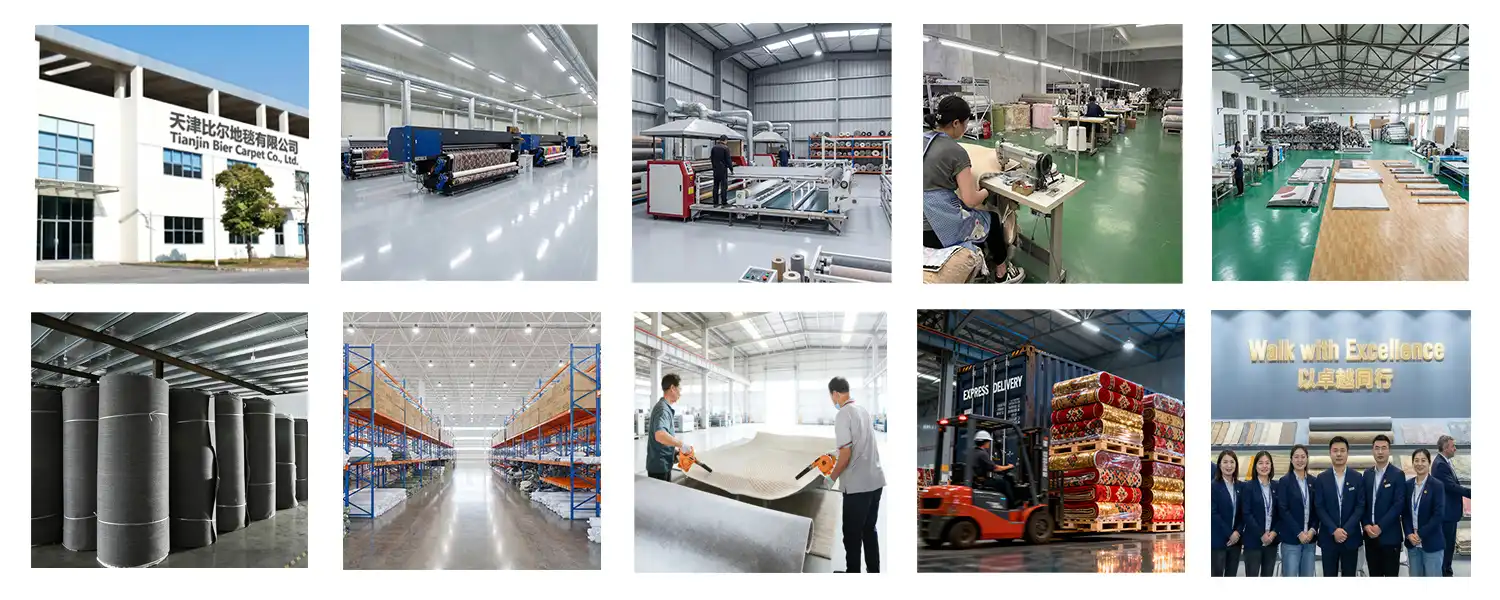
The production methods have a direct effect on how long the dimensional effect lasts and how consistent it looks. High-precision laser cutting gets rid of frayed ends and makes sure that patterns stay the same across big production runs. With heat-transfer printing, colorants are forever attached to fibers, so they don't fade as lower-quality options do. We follow strict quality control rules and check all of our goods before they are shipped. This way, we can fix any problems with the printing, the sizes, or the finishing on the edges before they get to the docks where containers are loaded. This dedication to consistency is very important for chain stores or multi-phase hotel projects where brand identity needs to be protected from batch-to-batch differences.
Material Selection and Performance Characteristics
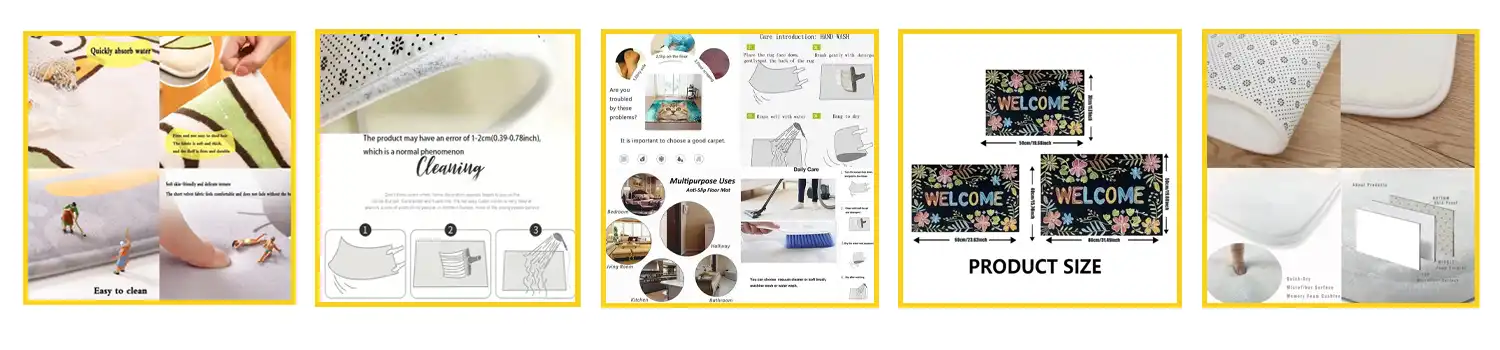
The effectiveness of a dimensional rug is largely determined by the fiber type that is chosen. Flannel surfaces are very soft and can be used in places where people are barefoot, like bathrooms or places of prayer. The 3 mm pile height is just the right length—short enough to keep dust from building up and make cleaning easier, but long enough to add texture and comfort. Anti-stain treatments that are added during manufacturing lower the amount of upkeep that needs to be done in high-traffic areas. Anti-slip backing systems improve safety without lowering the appeal. These technical needs are in line with what facility managers and interior designers working on business projects tell us they need.
Ideal Environments and Applications for Dimensional Rugs
Dimensional rugs work really well in many places, but they may not be right for every situation, depending on the surroundings and how they are used. Getting these details right helps buying teams choose the right product for each stage of a project.
Commercial Hospitality Applications
The visual sophistication of dimensional rugs is great for hotel lobbies, boutique resort hallways, and high-end restaurant dining areas. Changes in texture help create zones in open-plan rooms without the need for real walls. We've sold homes with these rugs that look great with architectural lighting. The multi-level surface makes for interesting shadow play that changes throughout the day. The fact that it's easy to clean is very important in hotel settings—a simple machine wash run can restore the look without the need for special tools or a lot of downtime. Bulk order flexibility helps with staged starts or standardization efforts that affect the whole portfolio, which are popular among hotel management groups.
Retail and Brand Environments
Chain shops and franchises use dimensional rugs with unique designs and colors to strengthen their brand identity. Digital printing makes it possible to accurately copy logos and match patterns in hundreds of places. Teams in charge of visual marketing, like how textured floor covers give plain stores more depth. The non-slip backing reduces the risk of accidents in areas that people can see, and the quick-drying properties keep things running smoothly during normal cleaning cycles. Just-in-time inventory tactics are common in store rollout projects. They are supported by export-standard packing and predictable wait times.
Worship Spaces and Community Centers
Dimensional rugs are a good way for religious buildings to meet their specific needs. The soft cloth surface lets you use it barefoot and stay on it for a long time while you pray or meditate. Customizing patterns lets you fit in with cultural styles and symbolic images. Comfort and sturdiness work together very well in places that are heavily used during services and then sit empty for long periods of time. We've seen that worship groups really value the balance between high-end looks and easy upkeep. For example, being able to hand-wash sections without the help of a professional lowers long-term running costs.
Residential and Home Interior Applications
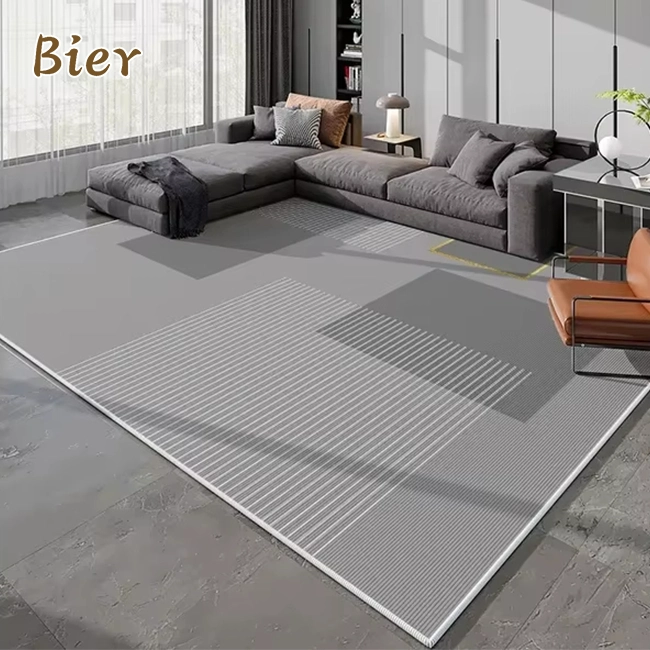
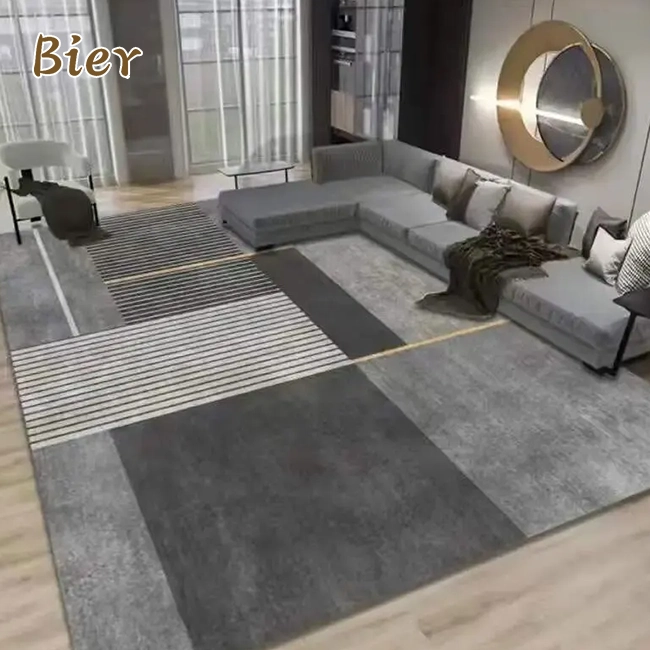
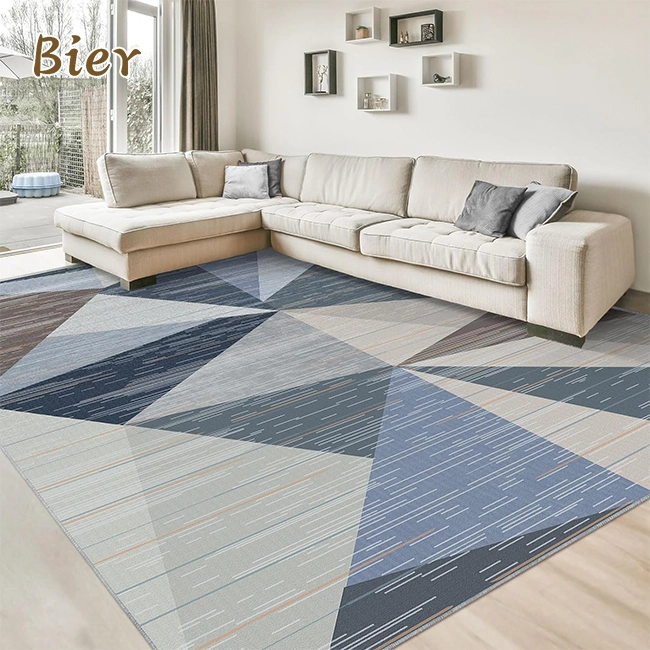
Residential developers and homeowners put dimensional rugs in halls, living rooms, and private bedrooms to make them stand out. The cashmere-like softness makes the place seem better without the upkeep that comes with natural fibers. Custom sizing choices work with rooms that don't have standard sizes, which is popular in modern design. The 6 mm thickness gives your feet comfort while keeping the shape low enough to avoid door opening problems. Synthetic flannel is great for families with kids or pets because it doesn't stain easily and can be washed and worn right away.
How Dimensional Rugs Compare with Other Rug Types
Before making a purchase choice, it's important to know how different dimensional options compare in terms of usefulness, looks, and total cost of ownership.
Textural Depth and Visual Impact
While flat-weave rugs are cheaper and easier to move around, they can't give you the same shadow play and sense of depth that dimensional building does. Traditional carpets with a regular pile are always soft, but they don't have the design complexity that comes with carpets with different levels of texture. The dimensional category is unique because it offers visual interest similar to hand-carved wool pieces while keeping the toughness and easy cleaning of synthetic performance fabrics. Dimensional goods have been chosen by designers because they bridge the gap between their aesthetic goals and the practical needs of their projects.
Durability and Lifecycle Performance
The high-density tufted structure that supports dimensional rugs makes them more durable than lightly woven options. Precision in the lock-stitch width—usually 0.6 cm in high-quality manufacturing—keeps the seams from coming apart too soon, even when there is a lot of foot traffic. Natural fabric rugs may be better for the environment, but they need to be cleaned in a certain way and show wear patterns more quickly in business settings. Dimensional synthetic rugs keep their good looks even after thousands of foot traffic cycles because the short 3 mm pile doesn't get crushed or matted. The sharp plastic backing can be cleaned many times without coming apart, which happens with lower-quality rubber options.
Maintenance Requirements and Operational Costs
Total purchasing costs over the life of a rug are directly related to how much it needs to be maintained. Dimensional flannel rugs are very easy to take care of. Regular sweeping gets rid of most of the dirt, and machine or hand washing with common soaps is all that's needed for deeper cleaning. The quick-dry feature cuts down on building downtime. On the other hand, wool or silk dimensional rugs need to be cleaned by a professional, dried for a long time, and the temperature must be carefully controlled. We think that any difference in price at the start will usually be made up for in the first year of a business installation contract by the savings in upkeep costs.
Procurement Guide for Dimensional Rugs for B2B Clients
For buying to work, you need to pay attention to more than just the unit price. We've come up with a list of important things to think about that will help keep project timelines and budgets on track while also making sure the result matches the design purpose.
Supplier Evaluation and Qualification Criteria
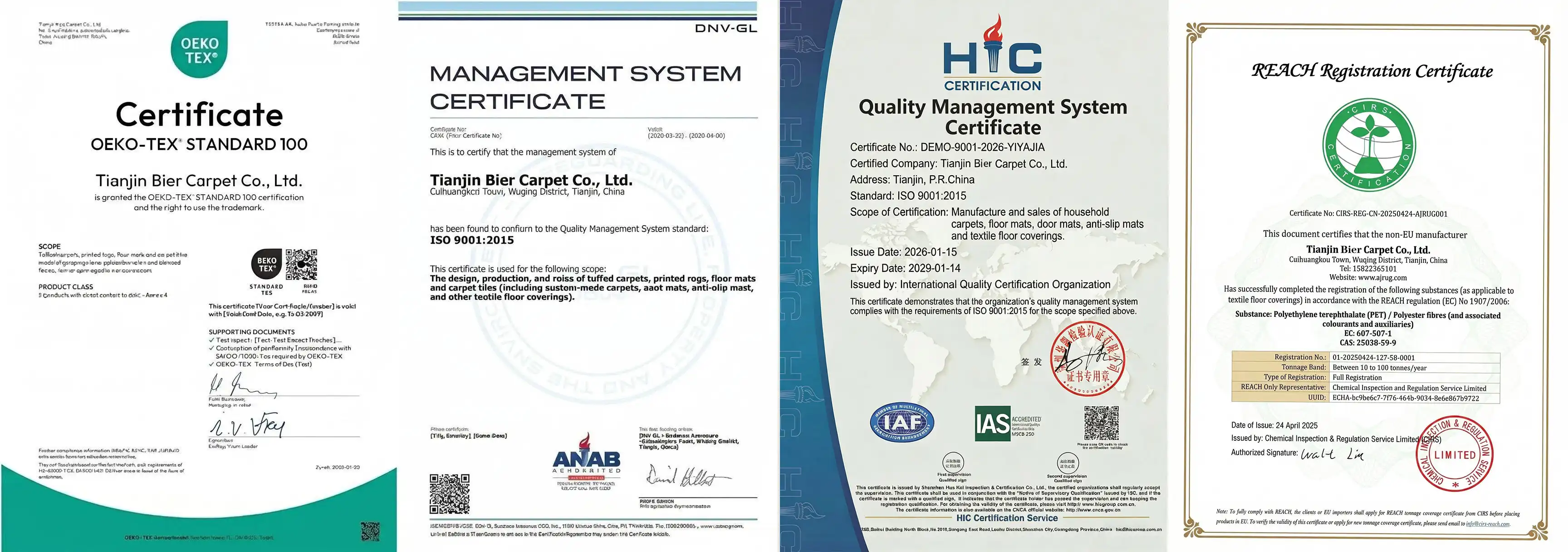
Reliable makers have a number of traits that set them apart. Check to see if the production capacity is written down for dimensional rugs. Our 1,000 m²/day output means we can meet large requests on short notice. Certification compliance is very important for buying things across borders. Standards like CE, OEKO-TEX, ISO 9001, and REACH make sure that goods meet the rules in European and North American markets. Ten years of experience in manufacturing means that the process is mature and the company has institutional knowledge that younger businesses don't have. Quality control systems should have processes for pre-shipment inspections that can be tracked back to the source. Before agreeing to full production runs, we suggest asking for sample orders. Samples show how well the product was made and let you compare it to similar goods.
Customization Capabilities and Design Flexibility
OEM and ODM services give designers more options than what's in a catalog. Full customization should include designing patterns, matching colors to company guidelines, adding logos, and being able to change the size to fit places that aren't standard. With heat-transfer printing and laser cutting, you can make patterns with almost any level of complexity, and you don't have to worry about the costs of making tools or the minimum order quantities that come with traditional manufacturing. Fast sample production (24 to 48 hours) speeds up the process of design iteration and getting approval from stakeholders. We've helped customers get approvals in multiple stages, with pattern improvements made between sample generations. In the end, we delivered goods that perfectly matched the creative vision.
Logistics and Export Competency
Cross-border procurement adds some challenges that providers with a lot of knowledge deal with all the time. Export-standard packing choices like rolls, cartons, and woven bags keep goods safe during shipping across continents while making the best use of container space. Freight forwarders that have long-term ties with shippers can guess when both full-container and less-than-container shipments will arrive. Professional help with paperwork and knowledge of how to clear customs cuts down on the chances of being held up and the delays that happen at ports that aren't as well-organized. We figure out how efficiently containers are loaded to lower the cost of shipping per unit, which has a big effect on the landing price of bulk orders. The production cycle lasts between 7 and 15 days, which fits well with the building schedules and staged installation schedules that are usual in commercial projects.
Risk Mitigation and After-Sales Support
Quality assurance rules protect against flaws that could throw off installation plans. Full warranties should cover printing mistakes, wrong measurements, and problems with the finishing on the edges. The maker should pay for the shipping of a new product and any other costs that come with it. For repeat sales, dedicated account management makes sure that there is constant contact and quick scheduling of production. As design trends change, we've found that proactive pattern improvement suggestions are good for long-term relationships. Procurement teams that don't like taking risks, like minimum order amounts that are flexible enough to allow for test programs or slow rollouts before committing to enterprise-wide standardization.
Conclusion
Dimensional rugs are a sophisticated way to cover your floors that strikes a good mix between style and functionality. Their multi-textured design gives them visual depth and tactile involvement that flat options can't match. Modern manufacturing methods make them durable and easy to clean, making them perfect for busy business settings. We've talked about how these goods can be used in retail, hospitality, church, and homes by offering customizable designs, high-performance materials, and easy-to-follow upkeep instructions. The success of procurement depends on evaluating suppliers, making sure that customizations meet project needs, and having transportation skills that guarantee on-time delivery. As digital printing gets better and material science develops, the category of dimensional rugs keeps changing. This gives designers and building managers better tools for making places that are both memorable and useful.
FAQ
What makes dimensional rugs different from standard carpets?
To generate depth and visual movement, dimensional rugs use a variety of pile heights and textures. Standard rugs usually have uniform pile construction, which means they don't have the shadow play and tactile difference that dimensional goods do. In the making process, special tufting methods and digital printing are used to forever embed designs into the fiber structure.
Can dimensional rugs withstand commercial foot traffic?
With an 800 g/m² weight and precise lock-stitching, the high-density woven structure makes it very durable. The 3 mm pile height makes it hard to crush, and the pointy plastic backing keeps it from moving when it's being used a lot. We've been in charge of installations in store spaces and hotel halls where the goods have looked great even after years of heavy use.
How do I clean and maintain these specialized rugs?
The cloth surface and short pile shape make upkeep a lot easier. Regular cleaning gets rid of dirt on the top, and washing by hand or in a machine with regular detergents every so often gets rid of dirt that is deeper down. The quick-dry feature cuts down on downtime. Don't use strong chemicals that could damage the stain treatment, and make sure you follow the care instructions that come with every order.
What customization options exist for brand-specific projects?
Full OEM and ODM services help with pattern creation, color matching, adding logos, and making sure the right measurements are met. Heat-transfer printing lets you make copies of patterns that look like photographs, and there are no minimum order quantities. We make models within 48 hours so that the design can be approved quickly, and our team works together to make sure that the patterns are optimized so that they can be made while still retaining the creative purpose.
Partner with Bier for Premium Dimensional Rugs
Bier offers complete dimensional rug options that are made to fit the exact needs of design leaders and people who buy things for businesses. As a seller of dimensional rugs with a lot of experience, we use our own heat-transfer printing technology and high-precision laser cutting to make floor coverings that are of the best quality. Our strict pre-shipment inspection process, quick 7–15-day production cycles, and low bulk order minimums enable us to help with projects of all sizes, from small hotel setups to portfolio-wide retail rollouts. We keep all of our CE, OEKO-TEX, ISO 9001, and REACH standards up to date. This makes sure that customs processing goes smoothly and that regulators have faith in our products. Email our sales team at sales@biercarpet.com to talk about customizing a design, getting samples, or looking into bulk price options. Our ten years of experience making rugs and dedicated account management make sure that the goods we give go above and beyond your standards.
References
1. Textile Research Journal, "Advances in Tufted Carpet Manufacturing and Performance Characteristics," Volume 89, Issue 12, 2019.
2. Interior Design Standards Association, "Flooring Specification Guide for Commercial Hospitality Environments," Third Edition, 2021.
3. Journal of Applied Polymer Science, "Surface Treatment Technologies for Stain Resistance in Synthetic Textile Floor Coverings," 2020.
4. Facility Management Quarterly, "Total Cost of Ownership Analysis for Commercial Carpet Systems," Spring 2022 Issue.
5. International Building Code Council, "Safety Standards and Slip Resistance Requirements for Textile Floor Coverings," 2023 Update.
6. Carpet and Rug Institute Technical Bulletin, "Manufacturing Standards for High-Density Tufted Textile Products," Publication No. 104-R, 2022.
Send Inquiry
Related Industry Knowledge
- How Cartoon-Inspired Rugs Became a New Interior Trend in 2026
- Non-Slip Silica Thread Rug for High Traffic Areas
- Are Crystal Velvet Rugs Worth the Investment for Comfort and Style?
- Affordable Flannel Carpet Supplier for Bulk Orders
- What is a Silica thread rug? Material, Benefits and Placement
- Discover the Beauty and Durability of Silica thread rug
- The best jute rugs : how to make the ideal choice for your interior design project?
- Silk and Wool Area Rugs for Living Room and Bedroom Design
- 8 Bedroom Rug Ideas For When Choosing A ruggable bedroom
- Simple rugs for living room: Buying & Styling Guide 2026