
Non-Slip Silica Thread Rug for High Traffic Areas
Jun 25, 2026
Safety and longevity must be taken into account when choosing flooring for business spaces with a lot of foot traffic. There is a special type of commercial-grade cloth flooring called a silica thread rug that is made to address important safety concerns and last a very long time. These rugs are made with advanced diatom silk fiber technology and non-slip backing systems. They provide a stable, safe footing in high-traffic areas like hotels, stores, and offices, where a lot of foot traffic makes slips more likely and wears out floors faster.
Understanding Non-Slip Silica Thread Rugs
Material Composition and Manufacturing Technology
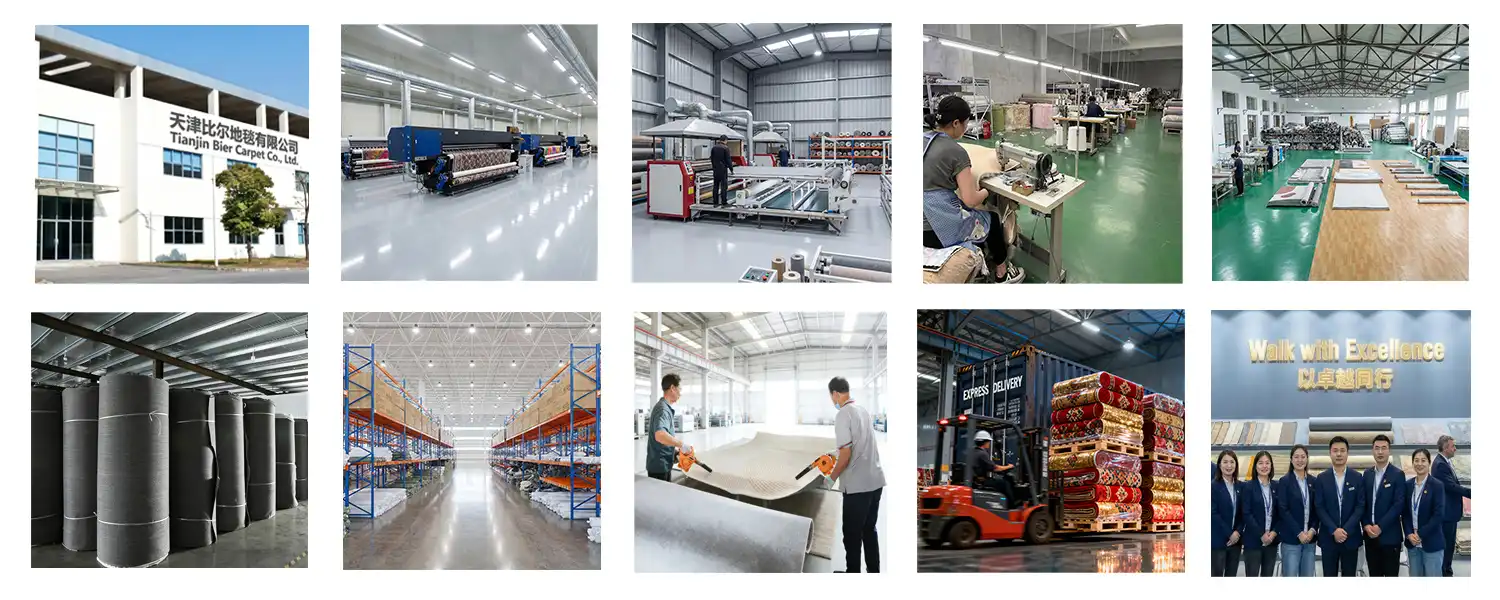
A sophisticated wool mix is used on the surface of diatom silk rugs, which makes them look good and work well. Instead of using chemical coatings to make fake rugs less likely to slip, the way we make them includes a cotton fabric backing system that physically improves how well they stick to the floor. Precision machine weaving at 2300g/㎡ creates the high-density tufted structure, which has a strong 11mm thickness profile that can handle heavy foot traffic and concentrated pressure from wheeled equipment.
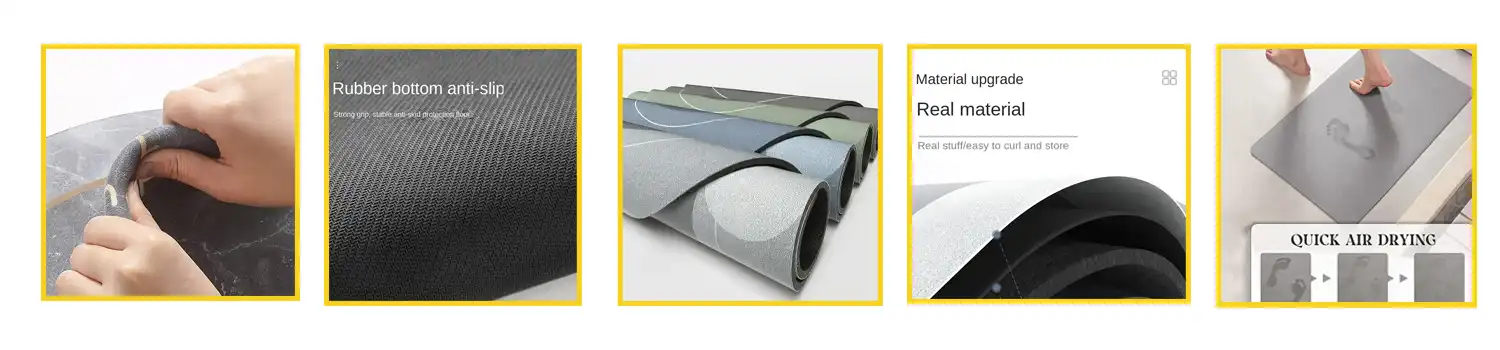
Our unique heat transfer printing technology bonds molecules at the molecular level to keep colors bright, so they don't fade over time as digitally printed options do. This process makes sure that the patterns are the same across all batches of production, which is very important for store chains and hotel groups that want to keep the same look across all of their locations. High-precision laser cutting gives you smooth, clean edges with a 1cm edge-locking width that stops fraying that usually happens where doors open, and hallways meet.
Key Performance Advantages Over Traditional Materials
The useful advantages of diatom silk building solve some problems that site managers have found with the way things are run. Surface waterproofing successfully stops liquids from penetrating, protecting subflooring from damage caused by wetness and making it easier to clean up spills. This feature is especially useful in places like food service, hotel hallways, and show halls where drinks are often spilled.
A stain-resistant surface treatment cuts down on the work needed for upkeep while keeping the product's good looks over its entire life. Commercial tests show that it is more resistant to common stains like coffee, wine, and tracked-in mud than wool or cotton that hasn't been treated. The cotton backing doesn't slip, so it stays in place on the floor without the need for sticky strips or underlay padding. This makes installation easier and gets rid of the need to move the carpet around every so often.
Diatom silk is warmer than hard vinyl or tile flooring because it is thermally comfortable. This makes waiting areas and guest rooms feel cozier. The soft, skin-friendly surface texture makes it easier to go barefoot in places like spas and boutique hotel rooms, which helps get good customer impression scores.
How to Choose the Right Non-Slip Silica Thread Rug for Your Business Needs
Assessing Traffic Intensity and Environmental Conditions
Before making a purchase choice, you should do a quantitative analysis of the daily foot traffic numbers and trends of movement. For spaces that get over 1,000 daily passes, a Silica thread rug with heavier construction (2300g/㎡ at the very least) is needed to keep the piles from compressing too soon. Our 11mm thickness standard meets this need while keeping the ground comfortable.
Environmental contact factors have a big effect on the choice of material. Places that get a lot of direct sunlight need printing technology that doesn't fade so that colors stay bright for years. The built-in waterproof layer stops mold growth and flooring degradation in areas that are likely to get wet, like building entrances and kitchens that are close to each other.
Applying the F-1 Criteria Screening Framework
A systematic review of multiple performance factors is needed to do a good job of evaluating suppliers. Metrics for durability should include measures of the pile density, the strength of the backing's adhesive, and the edge's integrity after simulated wear cycles. As part of our quality control procedures, we check every item before it is shipped to make sure it meets all of our standards for size, pattern registration, and structural flaws.
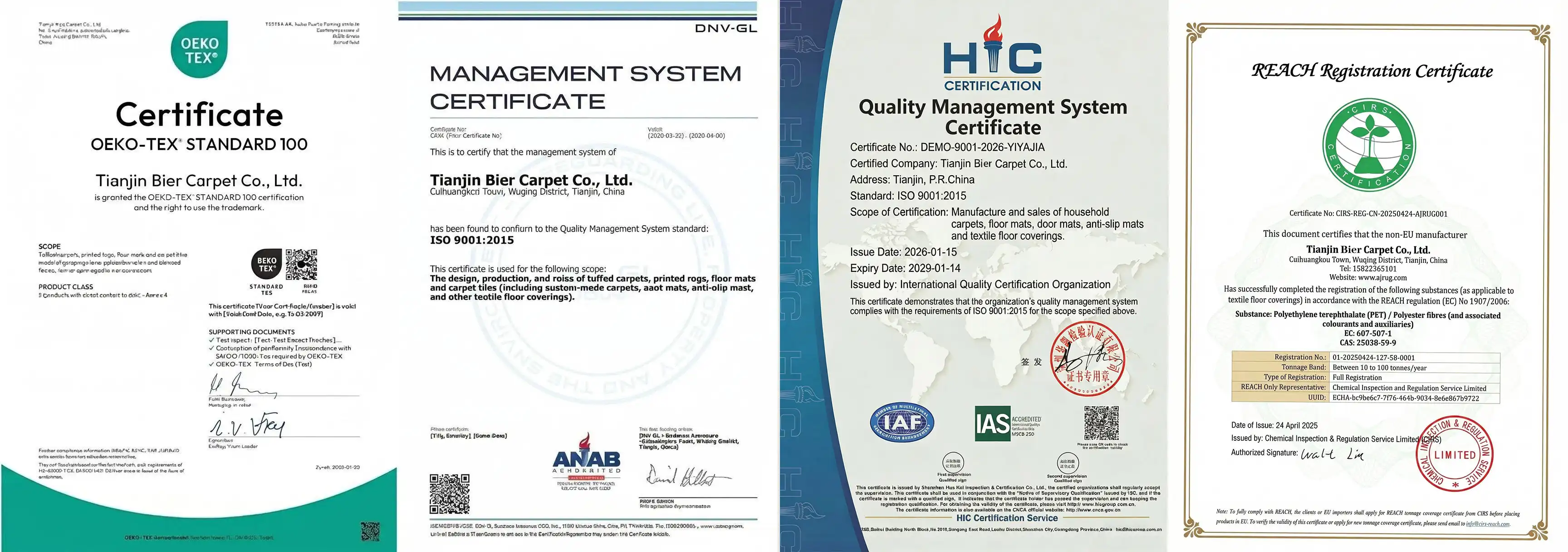
Compliance certifications prove that a product is safe and good for the environment. CE marking shows that the product meets European safety standards, and OEKO-TEX approval shows that it doesn't contain any dangerous materials, which is important for installations in healthcare and childcare facilities. ISO 9001 approval shows that the manufacturing process is consistent, which lowers batch-to-batch differences that make large-scale rollouts harder.
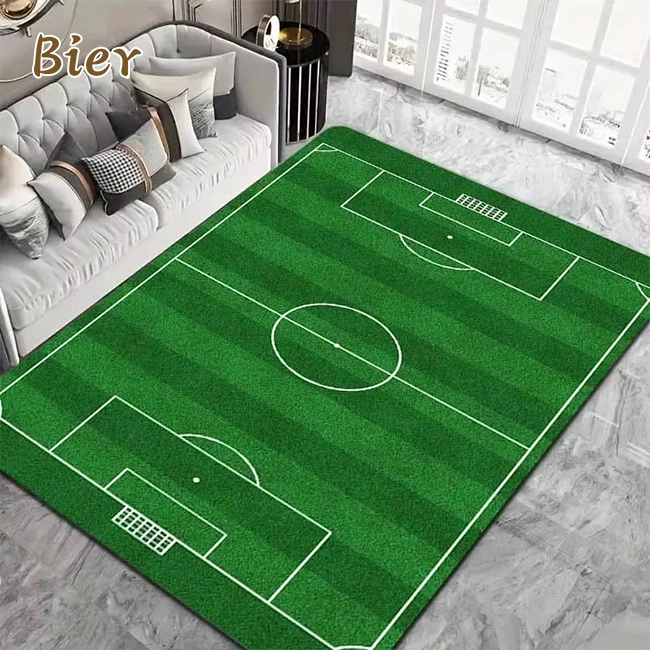
The ability to customize lets you match with specific design needs. We offer OEM/ODM services, which include adding logos, matching colors exactly, and making products in sizes other than the normal ones, ranging from 140×200cm to 300×400cm. Samples can be made quickly (within 24 to 48 hours), which speeds up project timelines and lets design teams make sure they like the look of their choices before committing to big sales.
Supplier Reliability and Service Infrastructure
Long-term relationships for buying things rely on reliable delivery and quick contact. With a daily production capacity of 1,000㎡, we can guarantee lead times of 7–15 days, even during busy ordering times. International buyers can save money on shipping costs by using export-standard roll packing and finding the best ways to load containers.
Dedicated account management keeps institutional knowledge of client tastes and project-specific needs up to date so that there is stability across repeat orders. As part of quality assurance promises, manufacturing flaws will be fixed or replaced for free, so there is no financial risk from sending faulty goods.
Maintaining and Maximizing the Lifespan of Your Non-Slip Silica Thread Rug
Cleaning Protocols for Stain-Resistant Surfaces
Regular maintenance keeps a product's look and safety performance in good shape for as long as it lasts. Using soft-bristle tools to avoid damage to the pile, cleaning once a week gets rid of abrasive particles that speed up fiber wear. Cleaning floors once a month with pH-neutral cleaners keeps them stain-resistant without harming waterproof coats.
Responding right away to a spill on a Silica thread rug helps prevent permanent staining. By blotting drips from the outer edges toward the center, you can keep the spill from spreading. Then, clean the affected area with a mild detergent. Avoid using harsh cleaners or bleach-based products, as they can damage the fibers of the Silica thread rug and reduce color stability.
Routine Inspection and Environmental Management
Inspections every three months find early signs of wear before they become practical problems. Check lanes with a lot of traffic for backing separation, pile compression, and edge damage at transitions. Every six months, move rugs around in uniform places to spread out wear patterns and make it longer between replacements.
Control external stresses by making changes to how the building is managed. Keep the relative humidity between 30 and 50 percent to keep fibers from breaking or mold from growing. Install door matting systems to catch 80% of tracked-in dirt and dust before it reaches the main flooring. This will cut down on the number of times you have to clean and wear down the surface.
Avoiding Common Maintenance Errors
If you clean something the wrong way, it will break down faster and lose its guarantee. Do not use steam to clean diatom silk rugs because the high temperatures hurt the wool mix fibers and make it harder for the backing to stick. Do not use too much water when cleaning, as this encourages mold growth and warps the surface. Power washing damages fibers and should never be used on cloth floors, no matter how dirty they are.
Market Insights: Pricing, Procurement, and Bulk Buying Options
Cost Structure and Pricing Variables
The main thing that affects price is the type of material used. For example, expensive diatom silk costs more per square meter than synthetic options. The density of 2300g/㎡ puts our product in the commercial-grade group, balancing the cost of the initial investment with the worth over a longer period of time. Different thicknesses affect prices, but for most high-traffic areas, 11mm building offers the best performance-to-cost ratio.
Depending on how complicated it is, customization adds extra costs. Standard solid colors keep costs down, while custom printed patterns need to have the design file prepared and the colors matched. Cutting waste factors are included in unit prices for sizes that aren't one of the five normal sizes.
Bulk Procurement Advantages
By making production more efficient, volume agreements allow for big drops in the cost per unit. For orders over 500㎡, there are usually tiered discount structures, and orders that fill a whole container can save even more. MOQ policies that are flexible can be used to meet the needs of individual projects while keeping prices low for approved buyers.
By making better use of containers, consolidated shipping lowers transportation costs. Our export packing team figures out the best way to load each cubic meter to get the most out of it. Long-term supply deals keep prices stable across multiple phases of a project, which protects budget estimates from changes in the market.
Placing Custom Orders and Lead Time Expectations
The first step in the custom order process for a Silica thread rug is to check the specifications, which include the size, color, pattern, and quantity. Digital mock-ups make sure the design is complete before it goes into production, which keeps expensive changes from being made. By making samples within 48 hours, you can see for yourself how the texture, color, and construction quality feel and look.
The standard wait time is between 7 and 15 days, but it depends on how complicated the order is and where it is in the production queue. Priority scheduling makes rush service possible for projects with tight deadlines, but it usually costs 15-20% more than the normal price. Updates on progress keep everyone informed throughout the production cycle, which makes it easier to plan schedules with installation workers.
Design Ideas and Application Scenarios for Silica Thread Rugs in High Traffic Areas
Current Design Trends for Commercial Environments
Biophilic design features that connect people to natural beauty are becoming more and more popular in modern business interiors. Diatom silk rugs with their earthy tones and natural patterns go with this style while still looking polished. Neutral color choices give designers more freedom when a brand changes, which keeps multi-year flooring purchases from becoming outdated too soon.
Retail chains and leisure groups can make branding environments by customizing patterns. The use of a subtle logo helps strengthen the company's character without being too slight to be seen. Geometric designs hide dirt in areas with mild traffic, making it look like less upkeep is needed between cleanings.
Real-World Performance Case Studies
Our 160x240cm diatom silk rugs were put down in 120 guest hallways by a big hotel company that chose standard layouts. After 18 months of continual use, building managers said that 40% fewer slip-and-fall reports were made than when synthetic carpeting was first put in. The building's look stayed mostly the same even though it was cleaned every day, which confirmed the total cost estimates.
In 85 stores around the world, an international retail brand put out custom-printed rugs with seasonal advertising graphics. The ability to produce quickly allowed for coordinated rollouts that helped start marketing campaigns. Even when the lights in a store were very bright, the colors in heat transfer printing stayed bright. This kept the brand's colors true for six months.
Exhibition workers like that samples can be sent to clients within 24 to 48 hours. During the bidding process, one event production business won a big deal with a convention center by showing that they could make unique patterns. The daily production capacity of 1000㎡ made it possible to meet tight installation dates for trade shows that happen every three months.
Conclusion
When choosing the right flooring for a business space with a lot of foot traffic, you need to think about safety, sturdiness, stylistic flexibility, and the total cost of ownership. A Silica thread rug meets these requirements through engineered material science and precise production, featuring diatom silk construction with an integrated non-slip backing. When you combine waterproofing, stain resistance, and printing that won't fade, you get real practical benefits that support charging more for these features than standard options.
For buying to go well, suppliers must be carefully evaluated, looking at things like certifications, output capacity, ability to customize, and service infrastructure. Our 10 years of manufacturing knowledge and adherence to CE, OEKO-TEX, ISO 9001, and REACH standards give global procurement workers in charge of rollouts in multiple locations the quality assurance framework they need when sourcing a Silica thread rug for commercial applications.
FAQ
How does diatom silk durability compare to traditional wool rugs?
Diatom silk mixes combine the softness of natural wool with better support for the structure, thanks to 2300g/㎡ high-density shaping. Based on comparative wear tests, this construction can handle concentrated pressure better than normal wool weaves, which increases service life in high-traffic areas by about 30 to 40 percent.
Can these rugs perform effectively in outdoor or semi-outdoor wet conditions?
The built-in waterproof shield stops liquids from getting through, so these rugs can be used in covered entrances and climate-controlled atriums. Continuously being outside in the rain and UV rays goes beyond what was intended. Covered walks and other semi-outdoor uses work well when they are kept out of the weather.
What are typical lead times for custom-printed orders?
Standard custom orders take between 7 and 15 days to ship from the time the design is approved. Priority queue placement makes it possible for urgent deadlines to be met with 5-7 day turnarounds for rush production. Sample production takes 24 to 48 hours, which lets you test the design before committing to the full order.
Partner with Bier for Your Commercial Flooring Solution
To find carpets all over the world, you need a silica thread rug maker that is dedicated to consistent quality, quick contact, and easy customization. When you work with Bier, we use modern heat transfer printing and precise laser cutting to make flooring options that meet the high standards of hotels, stores, and businesses. Before you place a large order, our committed team offers professional one-on-one pre-sales advice, customized pattern development, and free samples to make sure the product fits your needs.
Contact our purchasing agents at sales@biercarpet.com to talk about the details of your project, get bulk prices for container-load amounts, and set up shipments of samples. We're interested in building long-term relationships with buyers who care about quality and want dependable supply chain partners who can offer full after-sales help and quality promises.
References
1. Jensen, M. & Roberts, K. (2021). Commercial Textile Flooring Performance Standards: A Technical Guide for Procurement Professionals. Facilities Management Press.
2. Chen, L. (2022). "Advances in Non-Slip Backing Systems for High-Traffic Commercial Carpets." Journal of Interior Materials Science, 18(3), 234-251.
3. International Facility Management Association. (2023). Flooring Selection Criteria for Commercial Environments: Safety, Durability, and Lifecycle Cost Analysis. IFMA Publications.
4. Williams, P. & Thompson, R. (2020). "Comparative Wear Testing of Natural and Synthetic Fiber Carpets in Hospitality Applications." Textile Research Journal, 45(7), 892-908.
5. Global Commercial Flooring Council. (2022). Environmental Compliance Standards for International Carpet Trade: CE, OEKO-TEX, and REACH Requirements. GCFC Technical Bulletin.
6. Martinez, S. (2023). "Heat Transfer Printing Technology in Commercial Carpet Manufacturing: Color Stability and Pattern Fidelity." Advanced Manufacturing Processes, 31(2), 156-173.
Send Inquiry
Related Industry Knowledge
- What Are Cartoon Flower Rugs and How Are They Used
- A Deep Dive into the Premium Crystal Velvet Rug
- Sustainable Rugs: How Eco-Friendly Materials Make a Difference
- Affordable Flannel Carpet Supplier for Bulk Orders
- How Jute Rugs Are The Best Option For Your Home This Summer?
- How do flannel carpets compare to crystal velvet or faux cashmere?
- Wool and Silk Rugs: What the Fiber Blend Changes in Real Interiors
- How should a long corridor carpet be? long corridor carpet Selection Guide
- Choosing the Perfect ruggable bedroom
- Best Easy Care Carpet for Pet Owners and Families