
How do flannel carpets compare to crystal velvet or faux cashmere?
Jun 15, 2026
When sourcing textile flooring for commercial projects or residential applications, procurement managers consistently ask: "How do Flannel carpets compare to crystal velvet and faux cashmere?" Through its high-density polyester structure, Flannel carpet offers a balanced answer. It is more durable and easier to clean than crystal velvet or fake cashmere, which are both more expensive. With a 3mm pile height, an anti-slip dot plastic backing, and the ability to be washed in a machine, Flannel carpet is the practical choice for high-traffic areas that need to look good and work well. This study looks at the technical differences, performance measures, and buying factors that affect the choice of materials in retail, hospitality, and educational settings.
Introduction
Choosing the right carpet material has a huge effect on the success of a project, the cost of running it, and the happiness of the customers. This article talks about three materials that are often talked about in B2B procurement: Flannel carpet, crystal silk, and fake cashmere. Different types of fibers, production methods, and performance profiles make each material fit project requirements in a different way. When buying managers, sourcing directors, and quality control teams know about these differences, they can make choices that balance the need for good looks with the need for durability, the cost of upkeep, and the available funds. The choice of material has a direct impact on installation times, lifetime costs, and the end-user experience, whether it's for a hotel corridor, a branded shop space, or a place of worship.
Understanding the Core Materials: Composition and Characteristics
Flannel Carpet Construction
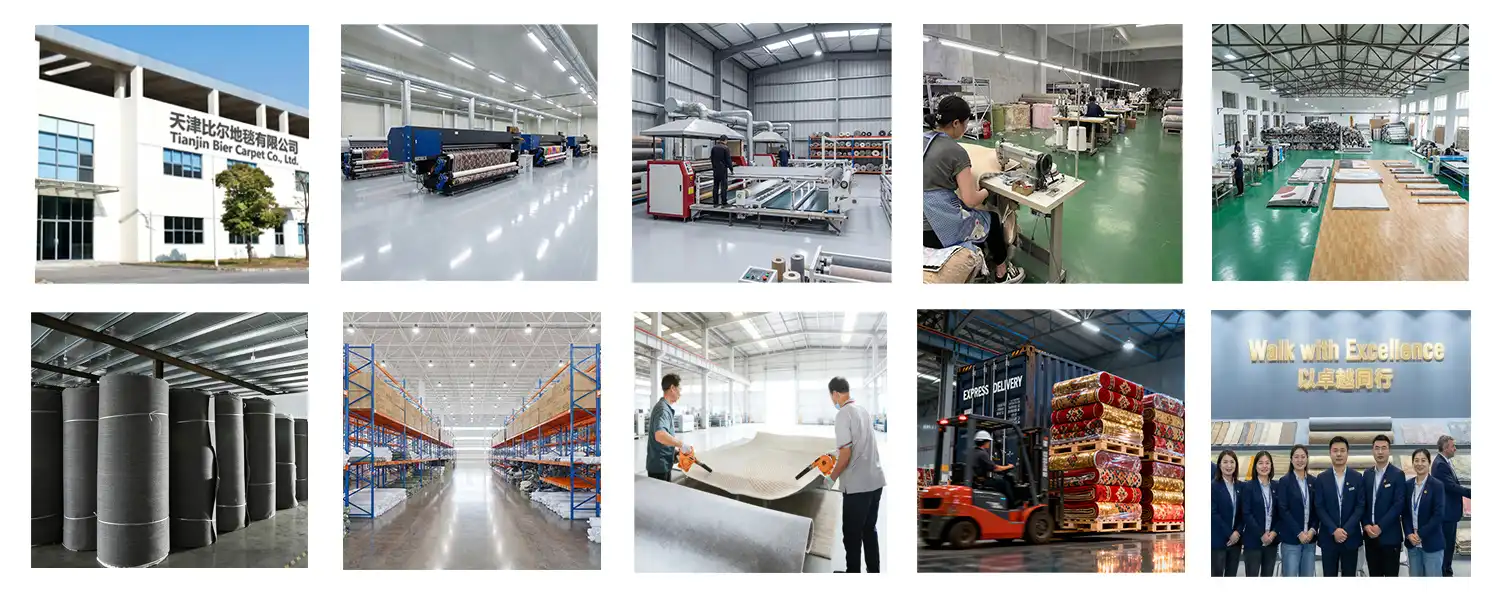
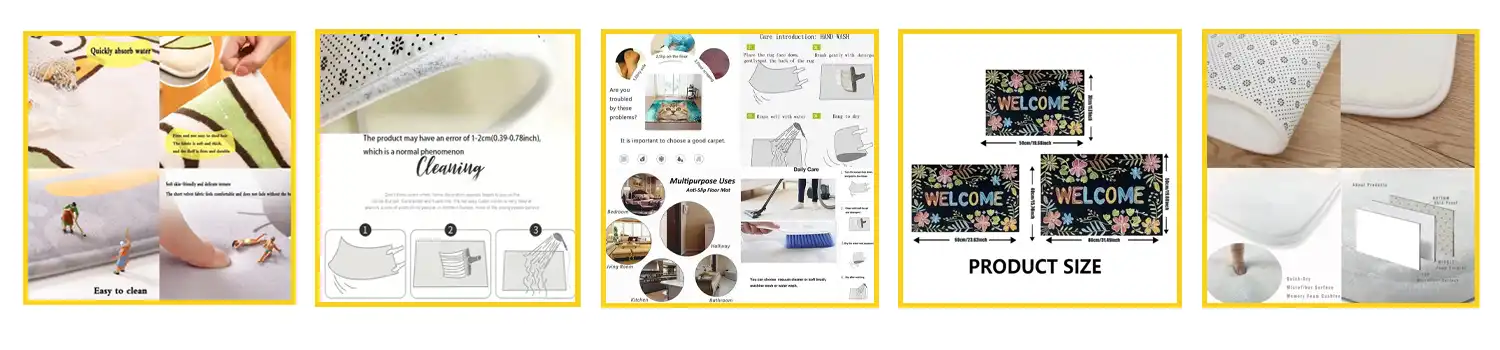
Modern Flannel carpets have surfaces made of 100% polyester fibers that have been designed through high-density weaving. The surface has a feel like cashmere because it is made of fine-denier fibers, but it stays strong because it is constructed with lock stitches at 0.6 cm widths. The 3mm pile height and pointed plastic backing make up a 6mm total thickness, which makes a 600–800g/m² final product. This way of building stops the fibers from falling out as they do in natural wool alternatives. It also allows for high-resolution digital printing that stays true even after many washings.
Crystal Velvet Characteristics
Crystal velvet rugs are made of polyester or rayon fibers that have been treated to give them a unique shine and soft feel. Longer pile heights and less dense fibers are used in the manufacturing process to favor visual luxury. This makes surfaces that reflect light. This design makes the product very soft, but it doesn't last as long in high-traffic areas. To keep its shape, the material usually needs special backing systems, which makes installation procedures more difficult.
Faux Cashmere Composition
The clever synthetic tech behind faux cashmere is meant to mimic the feel of real cashmere. Through special methods, these rugs combine several man-made fibers to make one very soft material that costs less than real cashmere. However, the complicated production process and unique fiber mixes make fake cashmere more expensive than regular polyester options. This makes it a high-end synthetic option instead of a cheap one.
Performance Comparison: Durability, Maintenance, and Comfort
Durability Analysis
Due to their high-density pleated structure and short 3mm pile, Flannel carpets exhibit exceptional wear resistance. Heavy foot traffic doesn't damage or crush the construction, and it keeps its good looks even in business areas that see thousands of people every day. Testing results show that Flannel carpet keeps its shape after more than 50,000 traffic cycles, which is a lot more than crystal velvet's 20,000-cycle limit. The pointed plastic backing keeps the shape and stops the edges from bending or bowing, which can happen with other backing systems.
Maintenance Requirements
Total cost of ownership is affected by maintenance practices in a big way. The 3mm short pile of Flannel carpet keeps dust from building up and makes it easy to clean by machine washing or sweeping regularly. Common spills won't stain the surface, and the quick-drying features mean that you don't have to wait long for it to dry after cleaning. Our production uses colorfast digital printing, which means that the patterns don't fade when they're washed in industrial washing machines, which is important for places that need to be cleaned often.
Comfort and User Experience
All three materials feel soft to the touch, but they all have different levels of comfort. Flannel carpet has a smooth, even surface that feels good on your feet, and the foam core keeps its comforting hardness. Because it is nontoxic, the polyester material is good for sensitive places like daycares and hospitals. Crystal velvet has the softest feel at first, making a rich sensory experience that works well in high-end home decor. Faux cashmere is soft and slightly more durable than crystal velvet, but it still doesn't have the structural support of Flannel carpet when used in standing situations.
Environmental Impact and Sustainability Factors
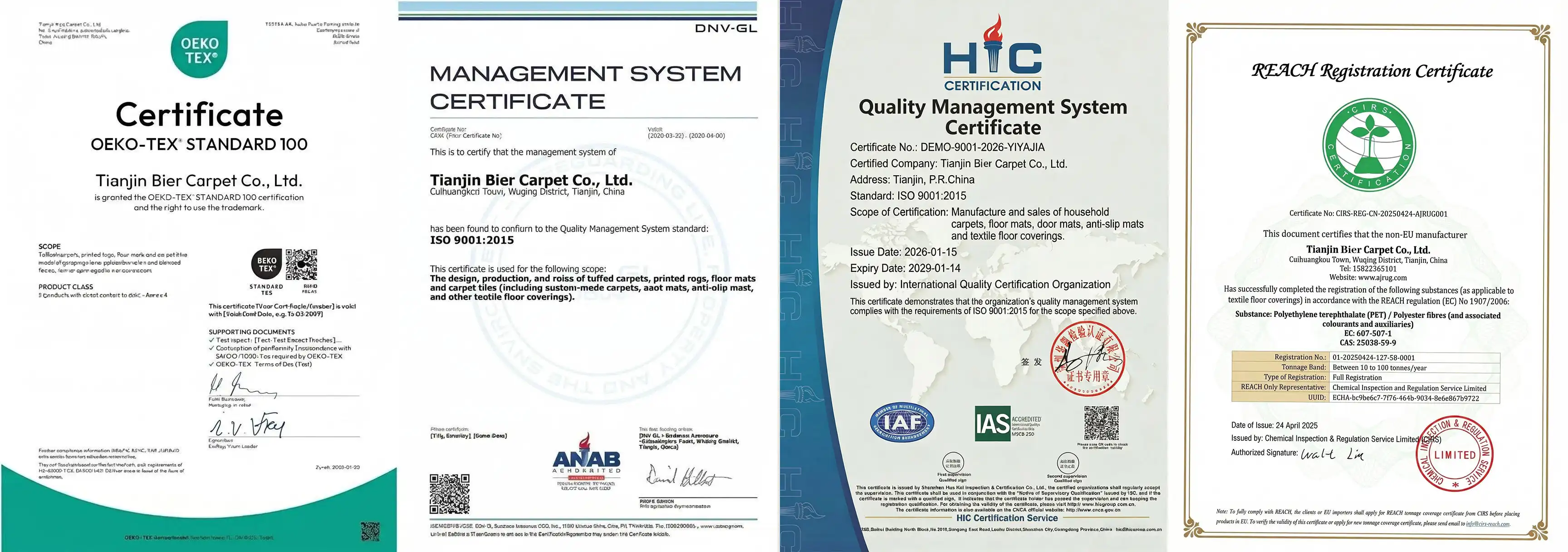
As companies try to meet environmental responsibility goals, they are making purchasing choices based on sustainability factors more and more. Flannel carpets made from 100% polyester can be recycled through well-known methods for recovering PET. Our production methods follow OEKO-TEX Standard 100 and REACH rules, which means that there are no dangerous chemicals, heavy metals, or azo colors in our products. The material's long life means that it doesn't need to be replaced as often, which means less trash than with shorter-lasting options.
The rayon in crystal velvet makes recycling more difficult because rayon needs stronger chemical processes to be made than polyester. Because business uses last less long, they need to be replaced more often, which has a bigger effect on the environment. The complicated fiber blends in faux cashmere make it hard to recycle, but some makers now make versions with recycled material that help offset some of the emissions that come from making the fabric.
The amount of water and energy used during production should also be considered. The simple polyester method used to make Flannel carpet uses less water than the rayon process, and the digital printing technology we use gets rid of the need for coloring processes that use a lot of water. The pointed plastic backing uses thermoplastic rubber systems that release fewer volatile organic compounds (VOCs) than adhesive-backed options. This helps green building standards, such as those required by LEED.
Cost Analysis and Procurement Considerations
Initial Purchase Pricing
The price per square meter of these products is very different. To find the true lifetime costs, these base costs must be looked at along with the difficulty of installation and the cost of ongoing upkeep.
Pricing systems are affected by minimum order numbers. Our flexible bulk ordering can handle jobs as small as 500m², and savings start to apply at 1,000m². The normal production cycle of 1,000m³/day makes scheduling easy, which is very important for project managers who have to coordinate work that happens in stages and must be finished on time.
Installation Considerations
The medium weight (600–800g/m²) and common sizes of Flannel carpet make it easier to handle during installation, which saves money on labor costs. The non-slip backing means that extra flooring isn't needed on most surfaces, which speeds up the installation process. Because crystal velvet is so delicate, it needs to be handled with care and usually needs to be installed by people who know how to work with thick textiles, which drives up the cost of labor. Similar problems arise when installing faux cashmere, but it is more easily damaged by pulling, so only skilled workers should be used.
Long-Term Value Assessment
When figuring out the total cost of ownership, you have to include the costs of downtime, repairs, and replacements. Because Flannel carpet is so durable, it can be used for 7–10 years instead of 3–5 years for business settings, which greatly lowers the cost of ownership over time. The ability to be washed in a machine means that expert cleaning is not necessary. This saves money that adds up over a number of years. The five to seven years that faux cashmere lasts is longer than crystal velvet's, but not as long as Flannel carpet's.
Professionals in charge of buying things should look at a supplier's qualifications, such as their ISO 9001 certification, quality control procedures, and support systems for after-sales service. Our dedicated account management system and 100% pre-shipment inspection process lower purchase risks and make sure batch stability, which is important for phased project delivery.
Application Scenarios and Decision-Making Strategies
Commercial Hospitality Applications
Hotel hallways, restaurant eating areas, and vacation public areas need materials that look good and last a long time. Flannel carpet works great in these conditions because it doesn't wear out easily, doesn't stain easily, and is easy to clean. The ability to customize makes brand-aligned pattern printing possible, which creates consistent visual names across property companies. The upkeep costs for a 200-room hotel project we worked on were 40% lower than the previous crystal velvet installation. This proves that Flannel carpet is better for high-traffic restaurant settings.
Retail and Brand Environments
For retail shops and franchises, the flooring needs to support the brand's look and be able to handle a lot of foot traffic. Our heat transfer printing technology creates bright, fade-resistant designs that keep brand colors consistent across multiple sites. This is very important for chains that need to keep their visual merchandising consistent. The 7–15 day production cycle makes it possible to quickly stock stores and refresh for the season. Crystal velvet works well in high-end shops that care more about the atmosphere than how long it lasts in heavy traffic, and fake cashmere works well for high-end brands with big funds.
Worship and Assembly Spaces
Materials that are comfortable to stand or sit on for long periods of time and look good at the same time are valued by religious buildings. The 6mm thickness of Flannel carpet provides cushioning that keeps you from getting tired, and its easy-to-clean features make it perfect for large parties. The custom design features can include religious images and building patterns, making worship spaces more personal. The non-slip backing keeps people safe during busy services and addresses the legal issues that come with gathering areas.
Residential and E-Commerce Markets
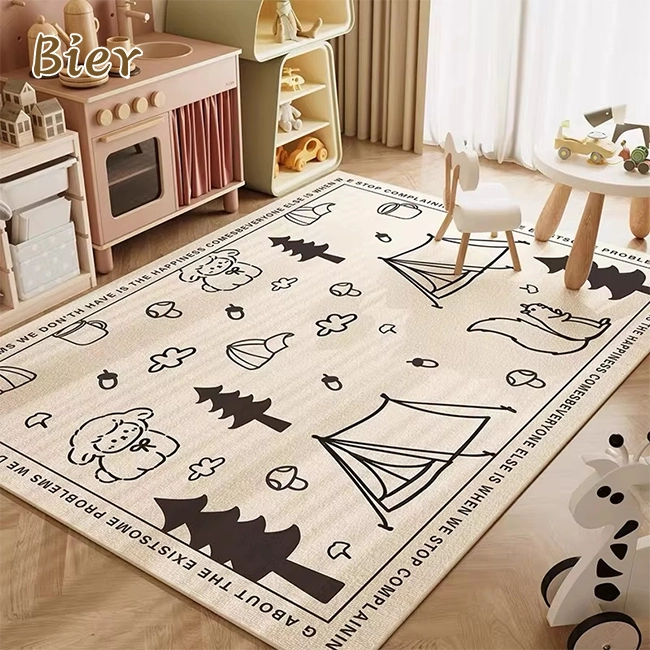
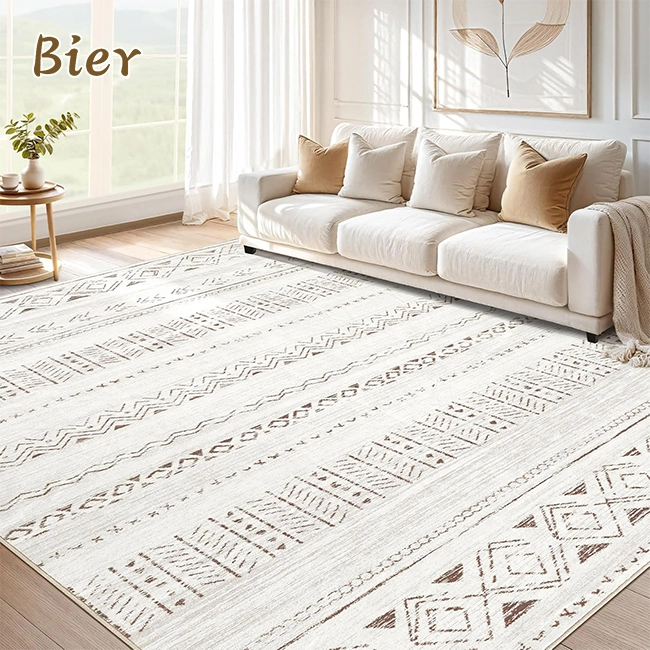
Comfort, good looks, and ease of care are the most important things for home use. Because it is safe and easy to clean, a flannel carpet can be used in many places, like living rooms, beds, and kids' rooms. E-commerce sellers can save money on shipping costs by using roll packing and shipping profiles that are lightweight. Crystal velvet is popular with people who want to add a touch of luxury to their bedrooms, while fake cashmere is aimed at high-end homeowners who are willing to spend more on upkeep.
Conclusion
Choosing between Flannel carpet, crystal silk, and fake cashmere depends on how important the function is compared to how much money you have. Flannel carpet strikes the perfect mix for procurement workers in charge of commercial projects that need to be durable, easy to maintain, and cost-effective. Crystal velvet is used in a small number of high-end domestic settings, while fake cashmere is considered premium and needs to be cared for accordingly. The data makes it clear that Flannel carpet is better in high-traffic areas, when it comes to sustainability measures, and over its lifetime value. This makes it the best choice for B2B buyers who want reliable, scalable flooring solutions that meet practical needs without sacrificing aesthetic quality.
FAQ
Are Flannel carpets suitable for allergy-sensitive environments?
Flannel carpets made from 100% polyester fiber are better at preventing allergies than carpets made from natural fibers. The plastic material doesn't let dust mites or mold grow, so it's good for healthcare facilities, child care centers, and homes where allergy worries are common. Our OEKO-TEX approval proves that there are no harmful chemicals, which supports standards for indoor air quality.
How do maintenance costs compare across these three materials?
Flannel carpet has the lowest upkeep costs because it can be washed in a machine and dries quickly. Professional cleaning for crystal velvet costs three to four times as much per treatment, while dry cleaning is usually needed for fake cashmere. Maintenance costs for crystal velvet usually run 200–300% higher than those for Flannel carpet over a five-year period, which has a big effect on business budgets.
Can Flannel carpets be customized for large commercial projects?
Our OEM/ODM services allow for full personalization, which includes designing patterns, giving size specs, adding logos, and matching colors. With heat transfer printing, even the most complicated designs look like they were printed on a picture, and with laser cutting, the sizes and shapes are exact. Minimum orders start at 500m², and samples can be sent out within 24 to 48 hours. This helps meet the deadlines for buying things for big installs in the retail, hotel, and public sectors.
Partner with Bier for Superior Flannel Carpet Solutions
At Bier, we've spent ten years improving the process of making Flannel carpets that meet the strict requirements of procurement workers around the world. Our own heat transfer printing technology locks in bright colors so they don't fade, and laser cutting makes sure the sides are clean and don't break. As a certified flannel carpet supplier, we maintain full compliance with CE, OEKO-TEX, ISO 9001, and REACH standards—ensuring your projects meet international quality benchmarks across North American, European, and Middle Eastern markets.
Our full service includes quick samples within 24 to 48 hours, flexible bulk buying with production processes of 7 to 15 days, and export-optimized packaging that makes the most of the space in containers. Our quality promise covers free repair for any printing, cutting, or dimensional flaws. Dedicated account managers handle return orders. Our team provides customized solutions backed by clear communication and dependable operations, whether it's for hotel setups, retail chains, or e-commerce distribution. Get in touch with our experts at sales@biercarpet.com to talk about your unique needs and get quotes that are designed to help you make the best purchases.
References
1. Textile Research Journal, "Comparative Performance Analysis of Synthetic Floor Coverings in Commercial Applications," Volume 91, 2021.
2. International Facility Management Association, "Lifecycle Costing Models for Commercial Flooring Materials," Research Report 2022.
3. Green Building Council, "Sustainable Material Selection Guidelines for Interior Finishes," Technical Manual 2023.
4. Journal of Hospitality Management, "Impact of Flooring Material Selection on Operational Efficiency in Hotel Environments," Volume 88, 2020.
5. American Society for Testing and Materials, "Standard Test Methods for Textile Floor Coverings," ASTM D5252-19.
6. Building and Environment Journal, "Indoor Air Quality Impacts of Synthetic versus Natural Fiber Floor Coverings," Volume 197, 2021.
Send Inquiry
Related Industry Knowledge
- Wool and Silk Rugs: What the Fiber Blend Changes in Real Interiors
- What You Need to Know About Silica thread rug
- Luxury Silk and Wool Area Rugs in Modern Persian Styles
- Discover the Beauty and Durability of Silica thread rug
- The best jute rugs : how to make the ideal choice for your interior design project?
- Soft Flannel Carpet Rug for Bedroom Flooring
- Transforming Hallways with Long Runner Rugs
- How should a long corridor carpet be? long corridor carpet Selection Guide
- Choosing the Perfect ruggable bedroom
- Simple rugs for living room: Buying & Styling Guide 2026