
Luxury Silk and Wool Area Rugs in Modern Persian Styles
Jun 12, 2026
High-end silk and wool area rugs that combine modern Persian styles are an amazing example of how traditional workmanship and modern design can work together. These hybrid floor covers carefully mix the strength of high-quality wool with the shine of natural silk, making pieces that meet both the needs of modern business and domestic areas in terms of both style and function. By using modern color schemes and proportions to reimagine traditional Persian designs, they make a statement while still honoring centuries of weaving tradition. This collection solves a problem that interior designers and purchasing managers have been having for a long time: how to add cultural depth without losing durability or ease of care. In business-to-business settings, where buying choices are based on visual uniformity, batch reliability, and compliance standards, these rugs become solutions that balance beauty with practical needs.
Understanding the Materials and Craftsmanship Behind Silk and Wool Persian Rugs
The Science of Natural Fiber Performance
High-altitude sheep's wool has a lot of lanolin, which makes it naturally stain-resistant and very good at recovering its shape after being compressed. This natural fiber made from protein can soak up up to 30% of its weight in water without feeling damp. It helps keep places like hotel hallways and executive boardrooms at a healthy level of humidity. The crimp factor of the fiber makes sure that the pile doesn't flatten out forever, even when big furniture or a lot of foot traffic is on it. Fibers made of silk have a structure that looks like a triangular prism. This structure bends light at different angles, giving real silk items their unique shine that can't be faked.
Weaving Techniques That Define Quality
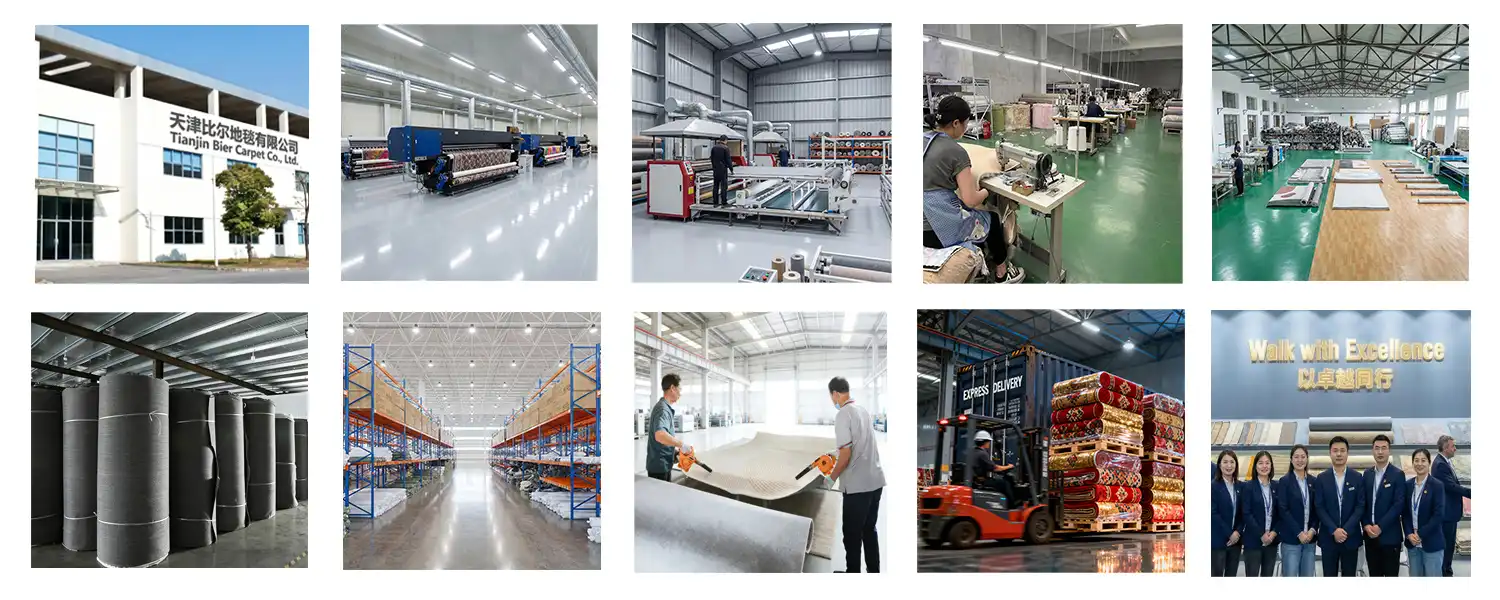
High knot density, measured in Knots Per Square Inch (KPSI), is used in real Persian-inspired patterns. For expensive pieces, this number can be 400 or more. This density makes it possible to define patterns with great detail while keeping each fiber tightly attached to the base. Modern changes to manufacturing include high-density woven structures that look like the old ones but can be made faster to meet the needs of B2B buying processes. The binding width of about 0.6 cm makes sure that the edges are strong and won't tear, which is bad for high-visibility installations. These technical details are important because they have a direct effect on how long the carpet will last. For example, a 30 mm pile height with a dot plastic backing gives the carpet stability and soundproofing qualities that are useful in business settings.
Material Authentication Protocols
Certain testing methods are needed to tell the difference between real fibers and fake ones. The burn test is still used in the industry. Real silk smells like burned hair and turns into crisp ash, while viscose or "art silk" smells like burned paper and turns into hard beads. For procurement managers who are buying in bulk, this step of proof keeps materials from being substituted in a way that doesn't meet project requirements. Quality control that includes applying Swiss Chrome dye makes sure that the color stays the same even after multiple cleaning processes and different amounts of UV exposure. This is important for store chains or hospitality groups that have setups in more than one place.

Comparing Silk and Wool Rugs for Modern B2B Procurement Decisions
Performance Characteristics Across Applications
Wool-dominant silk and wool area rugs work best in places with a lot of foot traffic, where durability is more important than style. Because wool is naturally elastic, these rugs can withstand constant use, making them suitable for stores, restaurants, and office reception areas that experience heavy daily traffic. Silk-highlighted silk and wool area rugs are better suited to spaces where appearance is the priority and maintenance can be more carefully managed, such as luxury showrooms, executive residences, or guest rooms in boutique hotels with lighter foot traffic. A 70/30 or 80/20 wool-to-silk blend provides an effective balance, allowing the silk fibers to create visual highlights and reflect light while the wool remains the primary structural support.
Economic Considerations for Volume Orders
The lifetime value, not just the original purchase price, must be taken into account in unit cost analysis. Even though silk material means more money up front, the better look can improve how people see your brand in places where customers will see it, which could explain charging more. When you work with makers who offer flexible minimum order amounts and standard production cycles, economies of scale can help you save money on bulk orders. With a daily production capacity of 2,000 square meters, big projects can be finished quickly. This cuts down on the lead time compression that often forces people to choose between perfect specs and meeting delivery dates. Export-standard packaging that is designed for container loading improves operations and lowers the cost of shipping each item internationally.
Maintenance Requirements and Total Cost of Ownership
Wool doesn't have strict rules about how to clean it, which lowers long-term care costs. The fiber doesn't break down when cleaned with pH-neutral products or when professionally extracted every so often. Protein-fiber cleaners are needed to keep the shine of silk and keep alkaline agents from damaging the fibers. Surface treatments that make them resistant to stains that are used during production lower the need for upkeep even more. The decision process should look at how complicated the cleaning protocol is compared to the environment. Areas with limited access and little chance of spills can use silk-rich formulations, while mixed-use business zones should use wool-forward formulations.
How to Maintain and Clean Luxury Silk and Wool Persian Rugs
Routine Care Protocols
Regularly cleaning with suction-only settings keeps dirt from wearing down fiber surfaces. To keep the pile structure from getting damaged, especially in parts that have been silk-highlighted, the beater bars should be turned off. Rotating rugs every six months evens out wear and sun exposure, which stops the uneven fading that makes traffic lines stand out. When you respond right away to a spill by pressing instead of rubbing, you keep liquid from getting into the backing layers, where it can cause mildew to grow.
Professional Cleaning Standards
A deep cleaning once or twice a year by professionals who understand natural fiber science will help silk and wool area rugs maintain their appearance and extend their lifespan. Before treating the entire piece, the cleaning process should include testing for colorfastness on small, hidden areas. Proper drying in climate-controlled environments prevents dimensional changes that can cause bowing or edge curling. These practices are especially important for hotel managers responsible for dozens of matching silk and wool area rugs across multiple properties. Without consistent cleaning standards, noticeable variations can develop, disrupting the overall design aesthetic.
Protective Measures for Commercial Installations
Rug pads with non-slip backing make it easier to follow safety rules and protect the dot plastic base from damage from hard floors. Window covers that block direct sunlight keep dyes from running, which is especially important for silk parts that can be damaged by UV light. Furniture cushions spread the weight over larger areas, which stops the lasting marks that happen when high-density piles get compressed. These preventative steps lower the need for replacements, which protects budgets for capital expenditures while still meeting aesthetic standards.
Procurement Guide: Buying Luxury Silk and Wool Persian Rugs for B2B Clients
Supplier Evaluation Criteria
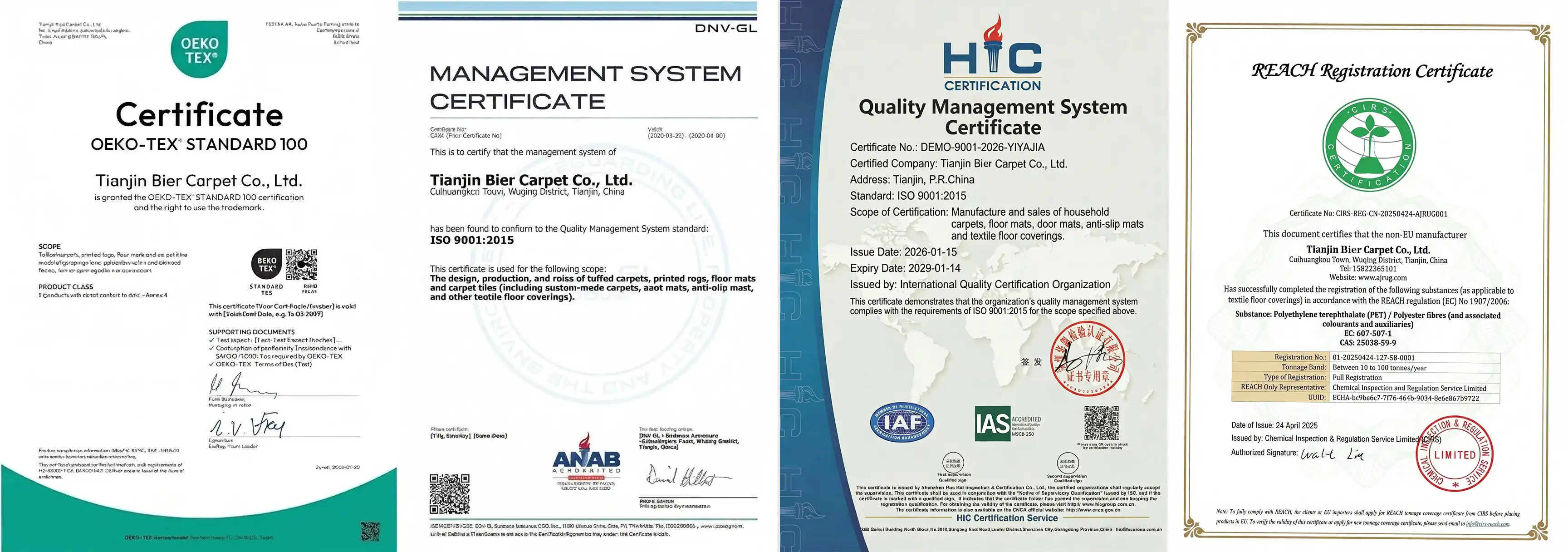
Companies with a good reputation show that they follow international rules by getting certificates like CE, OEKO-TEX, ISO 9001, and REACH. These qualifications prove that the products are safe for the environment, don't contain harmful chemicals, and have quality management systems that are required to sell them in European and North American markets. Suppliers whose production capacity matches the size of the project are better able to handle big orders from hotel or retail chains without having to extend deadlines and delay site openings. Manufacturers who process 2,000 square meters of space every day can do this. Having specific account managers shows that you want to build long-term partnerships instead of transactional ones, which is helpful when you're in charge of multi-phase rollouts or yearly replenishment cycles.
Customization Capabilities and Sampling
OEM and ODM services make it possible to create patterns that are unique to a brand, which is very important for shops that want to have unique designs that can be used across all of their stores. Heat transfer printing technology keeps colors bright and won't fade, and laser cutting makes lines that are smooth and free of burrs. Samples can be made in 24 to 48 hours, which speeds up design changes and cuts down on the time needed for approvals, which can slow down projects. Trial-and-error costs that drive up buying budgets can be cut down by making sure that samples are exactly the same as final batches. Standard sizes and custom measurements can be used to meet a wide range of building needs, from small boutiques to huge meeting centers.
Logistics and Risk Mitigation
Professional export packing made of materials that don't absorb wetness or pressure keeps silk and wool area rugs safe while they're being shipped internationally. Optimizing the filling of containers lowers the cost of freight per unit, which is a big deal when the total order number reaches hundreds or thousands of square meters. Lead times for both full container loads and less-than-container shipping can be predicted because of established ties with freight forwarders. Full help with paperwork and knowledge of how to clear customs can cut down on port delays that cause problems with installation schedules. Quality assurance promises like free rework for printing, cutting, or dimensional differences and 100% inspection before shipping shift the risk from the customer to the seller. This keeps project budgets safe from unexpected costs to fix problems.
Making the Right Choice: Selecting the Best Silk and Wool Rugs for Your Needs
Application-Specific Selection Criteria
By matching the rug's specs to its surroundings, it can be kept from wearing out too quickly. Hotel guest rooms with carpets that have middle pile heights (about 30 mm) feel nice on the feet and make it easier for housekeepers to clean. Supermarkets need the highest amount of wool possible to make sure the carpet doesn't wear down easily, and they're willing to give up some shine in exchange for longer repair rounds. Acoustic qualities are important in offices. The 30 mm thickness and high-density construction are noise reduction factors that make the workplace more comfortable. Restaurants and coffee shops need treatments that won't stain and can handle spills of food and drinks without leaving lasting marks. This will protect the look of areas that customers see.
Customization for Brand Consistency
Pattern and color uniformity help owners with multiple sites make their visuals look good together. Solid color and tie-dye options give you choices while keeping the look of your brand. Customizing a logo helps build a company's personality in franchises or branded apartment communities. Being able to give accurate measurements makes sure that the furniture fits perfectly with building features like columns, service counters, or modular furniture systems, without any gaps or overlaps that make it look less professional. Volume price tiers encourage standardization, which leads to design choices that balance freedom of speech with cost-effective buying.
Long-Term Investment Perspective
If you take good care of them, quality hybrid rugs will keep their look and structure for five to ten years. This is in stark contrast to synthetic rugs, which need to be replaced every two to three years. Even though it costs more at first, this reliability leads to a lower total cost of ownership. Sustainable materials and ethical sources are becoming more popular in the market, which increases the value of natural fiber goods. Buying decisions should be in line with companies' social responsibility promises, which are being asked for more and more by stakeholders. The heat insulation and soundproofing qualities help with resident comfort, which in turn affects customer happiness scores in retail and leisure settings, providing value that goes beyond the actual product itself.
Conclusion
Luxury silk and wool area rugs in modern Persian styles are a great deal for B2B procurement pros who have to balance the needs for good looks, longevity, and a tight budget. The smart mix of natural fibers designed to meet certain performance standards solves real problems that come up in business settings. Certification compliance, the ability to make changes, and a reliable output capacity are what set providers that can handle complicated projects in multiple locations apart. When you choose the right materials for the job and follow the right maintenance steps, you can protect your investments and improve how people see your brand through well-designed indoor areas.
FAQ
How can I verify authentic natural fibers in bulk orders?
Before committing to production numbers, ask for examples that have been burned. Ashes that are made from real silk and wool have smells and designs that fake ones can't copy. Manufacturers with a good reputation give fiber composition certificates that are backed up by third-party lab tests. This is proof that goes beyond eye inspection.
Are these rugs suitable for very high-traffic commercial zones?
Wool-dominant mixes with no more than 20 to 30 percent silk work well in areas with mild to heavy traffic. Extremely high foot traffic areas with more than 5,000 daily passes may need 100% wool construction or commercial-grade nylon for the best durability. Use footfall data instead of guesses to scientifically measure traffic density and make sure that material standards are met.
What cleaning methods protect delicate silk fibers?
Protein-fiber cleaners that are pH-neutral should only be used by professionals who know how to work with natural materials. Avoid steam cleaning because it adds too much wetness, and make sure everything dries completely in a temperature-controlled space. Regular rotation and rapid spill blotting are examples of preventative care that lower the need for thorough cleaning, which protects fiber integrity over longer service periods.
Transform Your Spaces with Bier's Luxury Silk and Wool Area Rugs
Bier is an expert at making high-quality silk and wool area rugs that meet the strict requirements of demanding B2B customers all over the world. Our unique heat transfer printing technology and high-precision laser cutting ensure uniform quality across large orders. We are backed by a full set of compliance standards, such as CE, OEKO-TEX, ISO 9001, and REACH. We can meet tight project deadlines without sacrificing quality because we can produce more than 2,000 square meters of goods every day and do samples quickly (within 24 to 48 hours). Our OEM/ODM services are very flexible, so you can change any pattern, color, size, or logo to make your brand stand out. As a seller of silk and wool area rugs with years of experience in both, Bier makes sure that the whole process goes smoothly, from the initial meeting to the final delivery. Visit biercarpet.com or email sales@biercarpet.com to get examples and talk about how our products can improve your business interior projects.
References
1. Stone, P. (2019). Natural Fiber Floor Coverings: Performance Characteristics and Maintenance Protocols. International Textile Institute Press.
2. Habibian, M. & Rezaei, A. (2021). "Traditional Persian Carpet Weaving Techniques Adapted for Modern Manufacturing." Journal of Textile Engineering and Fashion Technology, 7(3), 112-128.
3. Williams, R. (2020). Commercial Interior Specification Guide: Flooring Materials for High-Performance Environments. Design Management Publications.
4. Chen, L. & Anderson, K. (2022). "Lifecycle Cost Analysis of Natural versus Synthetic Floor Coverings in Hospitality Settings." Facilities Management Quarterly, 18(2), 45-61.
5. European Textile Standards Committee. (2023). Certification Requirements for Natural Fiber Products: OEKO-TEX and REACH Compliance Guidelines. Brussels: ETSC Technical Division.
6. Morrison, J. (2021). B2B Procurement Strategies for Luxury Interior Furnishings: Risk Mitigation and Supplier Evaluation. Corporate Purchasing Institute.
Send Inquiry
Related Industry Knowledge
- Luxury Silk and Wool Area Rugs in Modern Persian Styles
- Silk and Wool Area Rugs for Living Room and Bedroom Design
- Soft Flannel Carpet Rug for Bedroom Flooring
- 8 Bedroom Rug Ideas For When Choosing A ruggable bedroom
- Why Easy Care Carpet Is Perfect for Modern Living
- Carpet Styles Compared: Cut Pile, chunky loop and Berber
- Modern Flannel Carpet for Cozy Home Interiors
- How to Maintain Easy Care Carpet Without Professional Help
- How should a long corridor carpet be? long corridor carpet Selection Guide
- Choosing the Perfect ruggable bedroom