
Carpet Styles Compared: Cut Pile, chunky loop and Berber
Jun 09, 2026
When choosing carpet for a business, you need to think about how long it will last, how it looks, and how much it will cost. Cut pile carpets feel soft and luxurious, but they need more upkeep in places with a lot of foot activity. Chunky loop carpet is a popular choice for places with a lot of foot traffic, such as factories, shops, and hotels. Berber rugs have tight loops and good resistance to wear and tear, making them a cost-effective choice for many business-to-business uses. When procurement managers, sourcing directors, and project planners know about these three styles, they can make choices that are in line with practical needs and brand identity.
Introduction
To find your way around the world of floors, you need to know how the building of carpet affects its performance, durability, and upkeep. There are three main types of industrial rugs that this guide looks at: cut pile, chunky loop carpet, and Berber. Each one has a different fiber design and texture that makes it work well in different B2B settings, like hotels, shopping areas, show centers, and office buildings. It's getting harder and harder for procurement professionals to come up with flooring solutions that look good and don't cost too much to handle over time. We look at real-world use cases, upkeep guidelines, and performance standards that are important for both European and American markets. This way, you can be sure that your next big order meets both functional and aesthetic standards. Understanding these carpet styles is important for reducing risk and increasing return on investment (ROI), whether you're in charge of supply lines for home furnishings brands, big hospitality projects, or cross-border e-commerce platforms.
Understanding Key Carpet Styles: Cut Pile, Chunky Loop, and Berber
The way a carpet is made is a big part of how well it works in everyday life. The three styles are different in how the fibers are oriented, how dense they are, and how they were made, which gives them different benefits for different business settings.
Cut Pile: Soft Elegance with Maintenance Trade-Offs
Cut-pile rugs have yarn loops that are cut off at the top, making a smooth, straight surface. This construction gives the floor a very soft feel and a classy look that makes it perfect for executive offices, hotel rooms, and high-end stores. The bad thing about it is that it can get crushed and matted in areas with a lot of foot traffic, so it needs to be professionally cleaned often to keep its appearance. When business projects call for cut pile, procurement teams have to weigh the initial appeal against the ongoing costs of upkeep.
Chunky Loop: Industrial-Grade Resilience
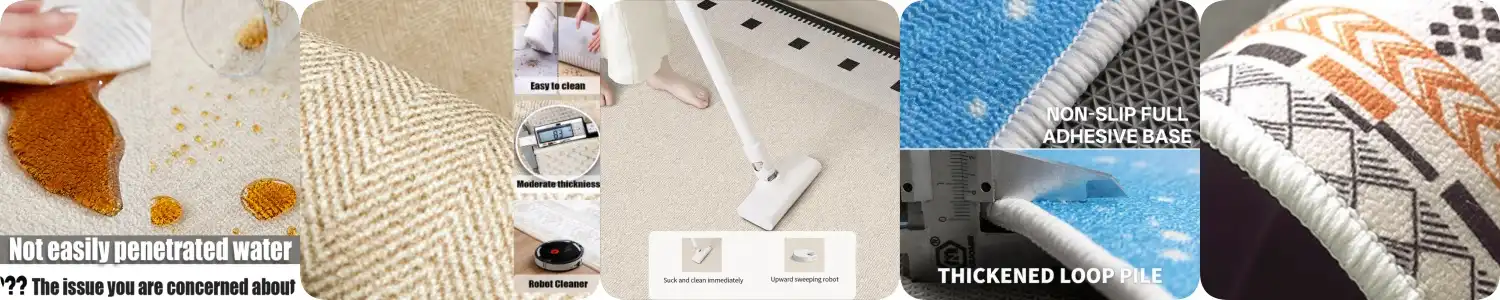
Chunky loop carpet is made from high-denier polyester strands that are made into uncut, large loops. This gives the carpet a textured surface that doesn't get worn down easily. This building style works great in places where durability is important, like trade show booths, business halls, distribution centers, and retail chain stores. The high-density pleated structure, which is often paired with a PVC dot backing, keeps the shape and stops it from slipping. Our chunky loop carpet solutions at Bier have a weight of 900g/m² and a total width of 6mm. They are designed to handle 2000㎡ daily production runs while keeping batch stability. The tight cluster pole structure resists wear over time, making it perfect for procurement managers who want to know how well it will work with repeated large orders.
Berber: Cost-Effective Loop Performance
Berber rugs have tight, low-profile loops that make them less likely to get snagged and better at hiding dirt. This style works well for projects on a budget that will see average traffic, like office halls, meeting rooms, and mid-range hotels. The tighter loop design requires less upkeep than cut pile, but it doesn't have the bold texture or longer sturdiness of chunky loop carpet options. Berber is often chosen by procurement professionals for projects that put cost per square meter ahead of high-end looks or extreme toughness needs.
Sourcing managers can make sure that carpet specs match up with real-world operational needs by understanding these basic differences. This way, flooring investments offer measurable value throughout their lifecycle.
Comparing Durability and Maintenance Across Carpet Types (Chunky Loop Focus)
Durability has a direct effect on the total cost of ownership, which makes it an important factor in B2B buying choices. Maintenance needs have another effect on operations funds and the work that building managers have to do.
Superior Wear Resistance in High-Traffic Zones
In settings with heavy foot traffic, chunky loop carpet works better than cut pile and Berber types. The structure of the open loop spreads pressure evenly across the fibers, which stops the crushing and matting that can happen with cut pile goods. There have been independent tests that show that high-density loop pile stays strong up to 50% longer than cut pile rugs in the same traffic situations. Chunky loop carpet solutions are great for retail chain stores, show centers, and business projects that need to guarantee durability for five to seven years because they last longer and need to be replaced less often.
Simplified Maintenance Protocols
When you're in charge of multiple sites or big projects, maintenance efficiency is important. Because of the way the loops are built, chunky loop carpets keep spills on the surface longer, allowing for quicker blotting and drainage before the liquids get into the backing. Every day, you should only vacuum with suction to keep the loops intact—beater bars can mess up the tips of the yarn and lower the texture. This simple cleaning plan cuts down on work hours and chemical costs for business buyers who are in charge of managing multiple hotels or offices. Standard on all of our Bier products are surface treatments that make them stain-resistant. These treatments reduce the need for further involvement even more, which helps keep running costs stable across quarterly budgets.
Comfort and Environmental Benefits
In addition to being durable, the chunky loop carpet design blocks out noise and keeps heat in. You can hear less noise in open-plan offices and hospitality lounges thanks to the thick looped pile fibers. This sound insulation feature meets a growing need among business owners who care about the health and happiness of their employees. Additionally, the dimensional stability of polyester fiber construction keeps rugs from shrinking or warping, so they stay flat in a variety of temperature zones. This is an important factor for procurement teams that are in charge of handling foreign supply chains and export processes.
Because they last longer and are easier to clean, chunky loop carpets are a good choice for procurement workers who need to balance performance needs with lifecycle cost management.
Style, Color, and Design Considerations for B2B Applications
The style of the flooring affects how people think about a brand and how well an office works. Today's buying goes beyond technical requirements and includes making sure that the final product looks good and fits with the company's brand and goals for the customer experience.
Brand-Consistent Pattern Customization
Chunky loop carpets allow for a great deal of customizing thanks to technologies like heat transfer printing and laser cutting. Because Bier uses advanced production techniques, they can make logos, geometric patterns, and company colors that are the same from batch to batch. This versatility is very helpful for companies that run retail chains and need to make sure that all of their sites have the same flooring for their brand, or for companies that put on exhibitions and need to make quick designs for specific events. Our sample production time frame of 24 to 48 hours lets brand managers and creative directors see trends before placing large orders. This cuts down on trial costs and speeds up project timelines.
Color Palette Trends in Commercial Interiors
More and more, business areas in Europe and the US are choosing neutral colors like charcoal, taupe, and warm gray that hide dirt while still looking classy. These colors go with a lot of different types of home design without taking away from other branding elements. But bright accent colors are still popular in stores where the flooring is an important part of the experience marketing. With Bier's solid color, printed, and custom design choices, procurement teams can choose color schemes that improve both foot traffic and visual marketing goals.
Environment-Specific Style Recommendations
Textured chunky loop carpet designs look durable and make people feel welcome in lobby areas by adding a physical element. The best way to organize hallways and passageways is to use directional layouts that hide as many traffic lines as possible. A lot of the time, office areas need simple, low-contrast designs that keep people's eyes from getting tired after long work hours. By knowing about these application-specific factors, sourcing managers can find the right mix between how the flooring looks and how well it works, making sure that the choices they make help businesses run efficiently in a wide range of settings.
Design customization options have a direct effect on how customers see a brand and how consistent the brand is, so they are important factors for procurement professionals who are planning rollouts in multiple locations or seasonal product launches.
Making the Right Procurement Decision: Chunky Loop vs. Competitors
Cost-effectiveness and return on investment are what drive B2B buyers. When you compare the lifetime value of different carpet styles, you can see that the total costs of ownership are very different.
Price-Performance Analysis
The initial buying price is only one part of the investment in flooring. Cut pile carpets may cost 15 to 20 percent less up front, but they need to be replaced 40 percent more often than chunky loop carpet in high-traffic areas. Berber has reasonable prices, but it doesn't have the high-end looks or customization options that high-end store and restaurant projects need. Chunky loop carpet is the best value because it lasts longer between replacements, needs less care, and can be customized to match a brand. These benefits add up to big savings over multi-year contracts. When purchasing managers look at prices, they shouldn't just look at the initial unit price, but also the cost per square meter per year.
Material Selection and Sustainability Trends
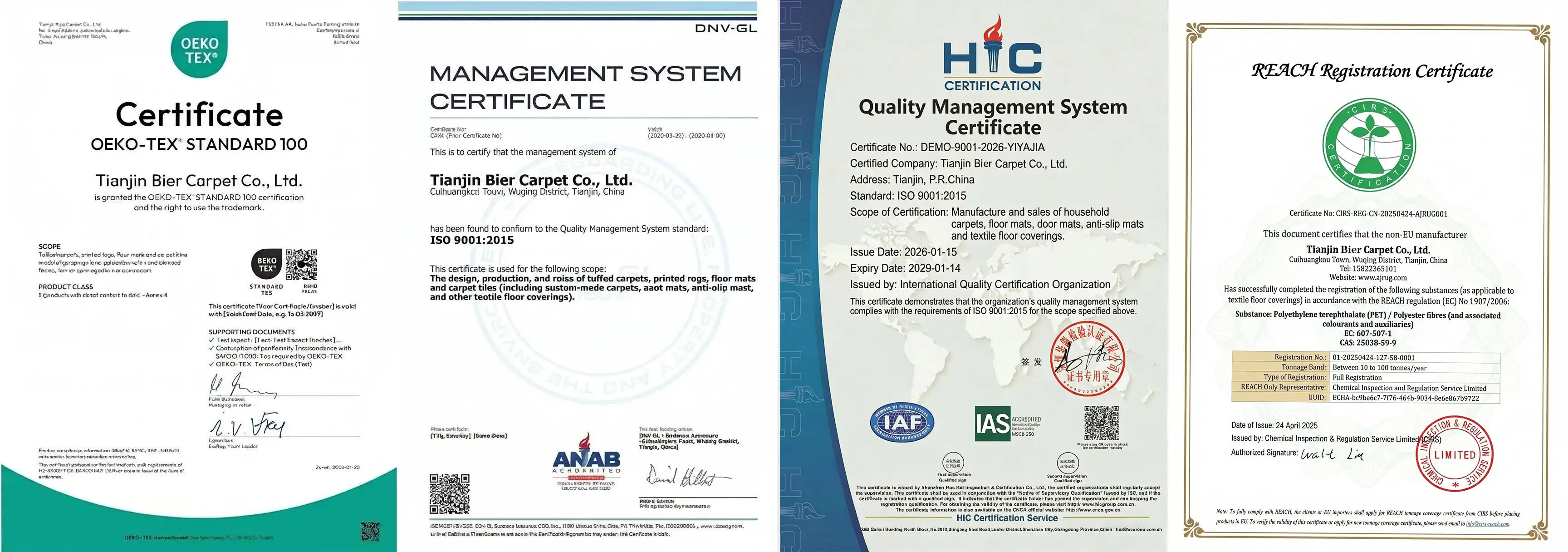
Polyester fiber is the most common type used in industrial chunky loop carpet production because it stays the same size, doesn't stain, and is cheap. Unlike wool, which needs special cleaning methods and can cause allergies, polyester keeps working well in a wide range of conditions and allows for faster production processes. Environmental sustainability is becoming more and more important to businesses when they are making purchases. Bier's production methods meet CE, OEKO-TEX, ISO 9001, and REACH standards. This gives them the proof they need for green building approvals and reporting on their social duty. These certifications lower the risk of not following the rules for procurement teams that are in charge of managing foreign project setups and supply lines that cross borders.
Supplier Selection Criteria
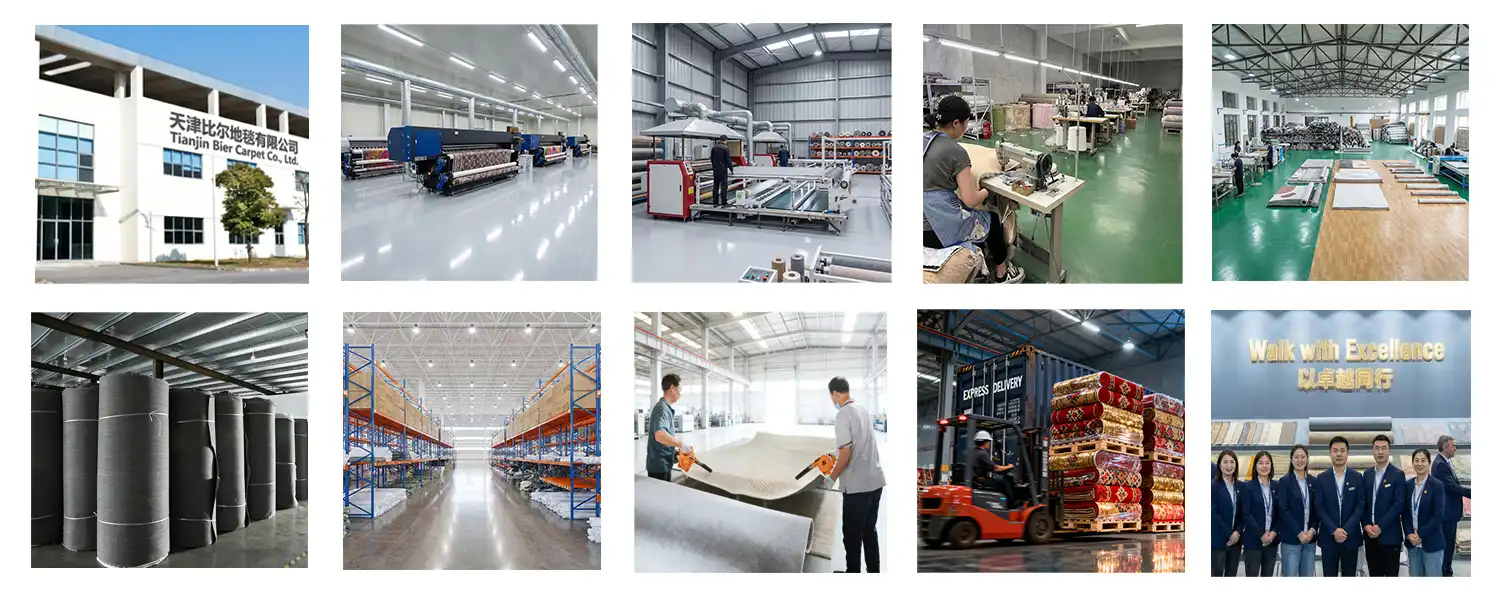
Reliable providers show that they can produce, strictly monitor quality, and know how to handle international operations. The time it takes to get samples, promises of batch consistency, and after-sales help are some of the most important things to look at when evaluating a product. Bier has been making things for ten years, and they offer 7–15 day shipping times and 100% pre-shipment inspections. They also have special account managers who handle repeat orders and give advice on how to improve patterns. This level of service is very important for buying managers who have to keep track of seasonal inventory, orders based on events, and big business projects with set installation dates.
These things to think about when buying things help sourcing workers find partners who can provide stable quality, competitive prices, and quick service over long-term supply relationships.
Installation, Customization, and After-Sales Support for Chunky Loop Carpets
Professional installation and full service agreements protect the money you spend on flooring and make sure the job goes well. Understanding these practical factors helps buying teams lower the risks of execution.
Installation Best Practices and Timelines
The preparation of the flooring, the choice of glue, and the placement of the seams are all important aspects of installing chunky loop carpet. The 6mm thickness and PVC dot backing make fitting easy and don't cause problems with door opening, which is helpful for retrofit projects. Professional workers should make sure that loops on steps run in the right way to improve safety and wear life. Installation times depend on the size of the project, but for standard business spaces, it usually takes two to three days per 1000 square meters. This gives procurement teams time to work with building plans and move-in dates.
OEM/ODM Customization Capabilities
You can change more than just the color and pattern; you can also change the size, the backing material, and even add eco-friendly treatments. Bier's OEM/ODM services include adding logos, making changes to sizes, and applying special surface processes that are made to fit the needs of each application. This adaptability is helpful for brand groups that need to keep their visual identity consistent across multiple countries or event companies that need to make quick design changes. With a daily production capacity of 2000㎡, we can make sure that large orders are met on time without lowering quality standards or group consistency.
Warranty and Maintenance Contract Options
Full help after the sale guards against problems with the product being made or with the installation. Quality assurance promises should include free repairs or replacements for mistakes in printing, cutting, or size, and providers should pay for the shipping costs. Bier's warranty structure covers these situations, and for long-term sales, they give you your own account manager to make sure that the production plan is flexible and the supply is stable. Maintenance contracts that include regular inspections and cleaning suggestions make carpets last even longer, which increases their value and makes investments more profitable for hotels, stores, and office buildings.
These installation and support factors show how service quality directly affects project results and long-term happiness. This helps procurement professionals find suppliers who offer more than just product specs as a relationship value.
Conclusion
When deciding between cut pile, chunky loop carpet, and Berber rugs, you need to look at how long they last, how much they cost to maintain, how customizable they are, and how much they cost over their whole life. Chunky loop carpet is the best choice for business areas with a lot of foot traffic because it is very durable, easy to clean, and gives designers a lot of options for how to lay it out. People who work in procurement should know how differences in building affect operational success and the total value of ownership. Sourcing managers find flooring solutions that meet brand goals and keep long-term costs low for a wide range of business uses by giving priority to suppliers with proven manufacturing skills, strict quality control, and full service promises.
FAQ
How does chunky loop carpet perform in high-traffic retail environments?
The high-density tufted structure and uncut loop construction spread foot traffic pressure equally. This keeps the chunky loop carpet from breaking and keeps its look for five to seven years of heavy use. Because it lasts a long time, it's perfect for places like shopping malls, shops, and show halls where consistency in the way things look affects how customers feel.
What cleaning methods best preserve the lifespan of chunky loop carpet?
To keep yarn tips from getting fuzzy or loops getting caught, only use vacuums with suction. For spills, blot right away, before the liquids get through the backing. Treatments that don't stain cut down on the number of times they need to be fixed, and professional extraction cleaning every few months keeps carpet looking its best in business settings.
Are there eco-friendly chunky loop options available for corporate procurement?
Yes, green building certificates can be shown for goods that meet OEKO-TEX, REACH, and ISO 9001 standards. Polyester fiber structure helps with recycling, and low-VOC sealants keep indoor air quality issues to a minimum, which is in line with company sustainability policies.
Can chunky loop carpet accommodate custom branding requirements?
Modern heat transfer printing and laser cutting make it possible to add logos, make unique patterns, and match colors to brands. Fast sample production (24–48 hours) lets you test before you place large orders, which helps keep your brand consistent across multiple locations.
Partner with Bier for Premium Chunky Loop Carpet Solutions
Elevate your commercial spaces with durable, customizable chunky loop carpet from Bier. As a manufacturer with ten years of experience in the field, we offer high-density loop pile options that are designed to work in tough B2B settings, such as retail chains, show centers, and hospitality projects. Our OEM/ODM services allow for quick customization, which makes sure that your brand's look is maintained in all installations. We meet the standards for ISO 9001, CE, OEKO-TEX, and REACH, and our export-grade packaging and 7–15 day shipping times give procurement workers the trust and service they need. Email our sales team at sales@biercarpet.com to get samples, talk about the details of your project, or learn more about what we can do as a chunky loop carpet seller. Let us help you find the best mix between longevity, looks, and cost-effectiveness.
References
1. "Commercial Carpet Performance Standards for High-Traffic Applications," Textile Research Journal, Volume 78, Issue 4, 2021.
2. Johnson, M. and Williams, R., "Lifecycle Cost Analysis of Commercial Flooring Systems," Journal of Facility Management, 2020.
3. European Carpet and Rug Association, "Technical Guidelines for Loop Pile Carpet Installation in Commercial Environments," Brussels, 2022.
4. Peterson, L., "Material Selection and Sustainability in Commercial Interior Design," Interior Design Review Quarterly, Spring 2023.
5. American Society for Testing and Materials, "Standard Test Methods for Carpet Durability and Maintenance," ASTM F1914-20, West Conshohocken, PA, 2020.
6. Thompson, K., "Acoustic Performance of Textile Flooring in Open-Plan Commercial Spaces," Building Acoustics Journal, Volume 29, Number 2, 2022.
Send Inquiry

Related Industry Knowledge
- Carpet Styles Compared: Cut Pile, chunky loop and Berber
- Modern Flannel Carpet for Cozy Home Interiors
- Eco Friendly Easy Care Carpet for Sustainable Spaces
- Transforming Hallways with Long Runner Rugs
- Faux cashmere rug: what does it look like? How to choose the right artefact according to the decor of the room?
- How to Maintain Easy Care Carpet Without Professional Help
- How should a long corridor carpet be? long corridor carpet Selection Guide
- Choosing the Perfect ruggable bedroom
- Simple rugs for living room: Buying & Styling Guide 2026
- Best Easy Care Carpet for Pet Owners and Families