
How to Maintain Easy Care Carpet Without Professional Help
Jun 08, 2026
You don't need expensive contracts or specialized services to take care of fake floor covers yourself. Easy care carpet, which is made with cutting-edge polyester fibers and protective treatments, enables building teams to perform daily maintenance, spot cleaning, and even more in-depth maintenance jobs on their own. Understanding how fibers work, using the right cleaning methods, and making regular habits that keep things looking good and make them last longer are the keys. Modern carpeting solutions made for business use have surfaces that don't stain, backings that don't slip, and drying times that are quick. They also respond well to simple care steps that any trained staff member can easily follow.
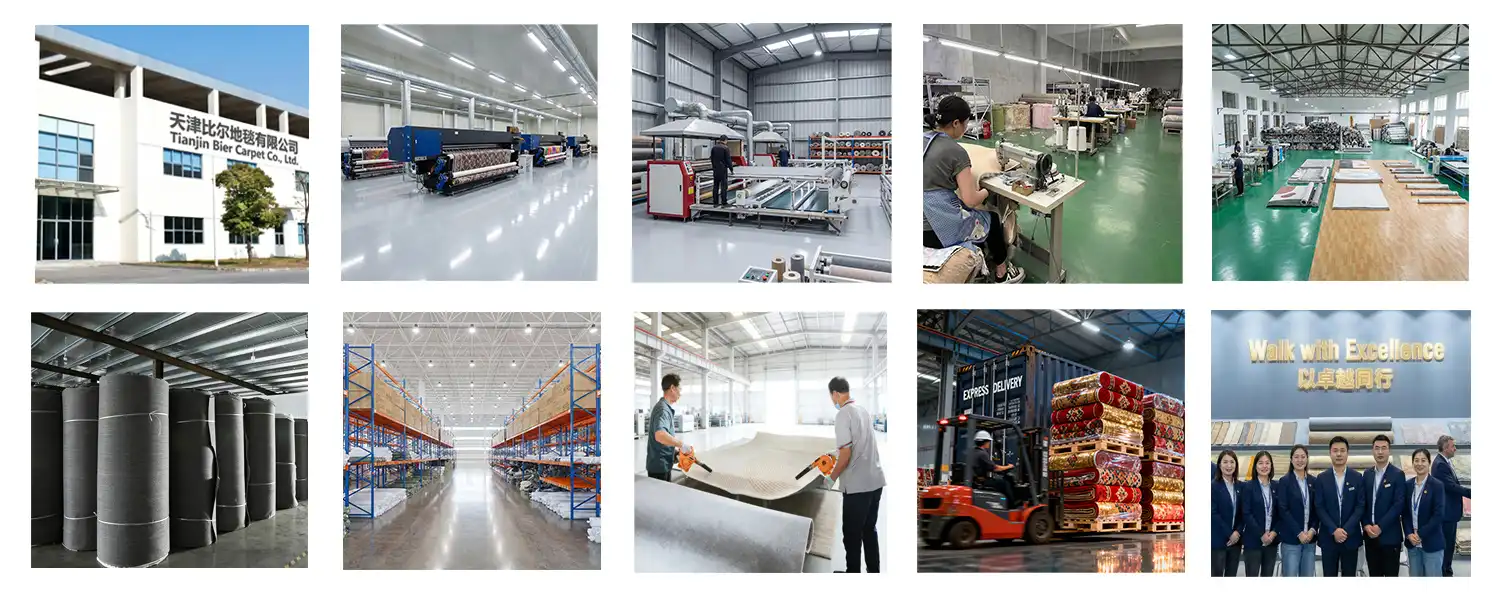
Understanding Easy Care Carpets and Their Maintenance Challenges
Synthetic fiber carpets have changed the way industrial flooring is made because they last longer than most other materials. Polyester construction and dot plastic backing systems are used in these goods to make surfaces that can handle a lot of foot traffic and keep water and stains from sticking.
Fiber Composition and Performance Characteristics
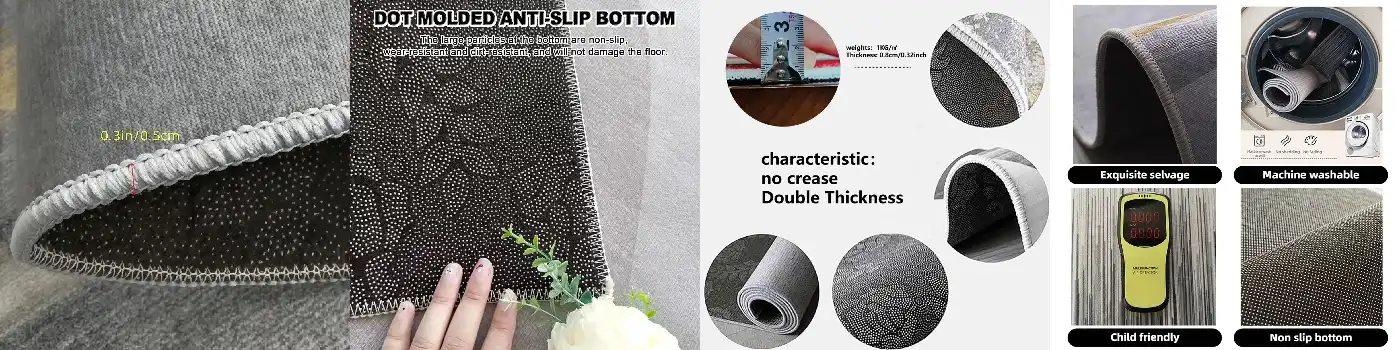
Crystal velvet fabrics are usually made by sewing them together very tightly on a machine. They have a soft feel and are useful. The 5mm thickness profile makes installation light and won't get in the way of doorways. The weight range of 750–1100g/㎡ strikes a good mix between comfort and structural stability. Solution-dyeing embeds color throughout the cross-section of the fiber, so it won't fade even in places with a lot of UV light, like near windows or skylights.
Common Misconceptions About Synthetic Carpet Maintenance
A lot of facility managers think that stain resistance means stain immunity. This means that they clean things later than they should, which lets contaminants stick to the fibers. Even though synthetic materials don't let liquids through, surface waste still needs to be cleaned up right away. A common misconception is that strong chemical cleaners make things look better. In fact, harsh solvents can damage protective coatings and the dot plastic backing layer. Knowing these limits helps procurement teams set reasonable goals for repair staff.
Wear Patterns in High-Traffic Commercial Settings
Hotels, shops, and office hallways all have their own problems. Foot traffic that happens over and over again gathers dirt particles that act as abrasives and dull the look of fibers over time, even though fibers are naturally durable. Outdoor dirt and grime build up quickly in entryways, and furniture touch points are constantly under stress from compression. When managers see these trends, they can use targeted security methods instead of standard maintenance plans.
Key Principles of Maintaining Easy Care Carpet Without Professionals
Preventing problems, being consistent, and choosing the right products are all important for success in in-house care. Setting up rules that deal with dirt before it becomes a part of the structure saves time and keeps the structure's good looks for longer periods of time.
Daily and Weekly Cleaning Protocols
The most basic way to take care of carpets is to clean them regularly. Commercial-grade tools with customizable brush heights keep fibers from getting damaged while they remove particles that are trapped in them. Daily passes are better for areas with a lot of traffic, while three-times-a-week passes are better for areas with average traffic. When they are the right size, entrance matting systems catch 80% of the dirt that comes in, which means that inner areas don't need to be cleaned nearly as often.
Spot checks done once a week find stains that need to be fixed right away. Because they are water-absorbent and dry quickly, cleaning up spills right away keeps most of them from leaving lasting marks. Making pH-neutral cleaning products easy for staff to get to ensures quick action without the need for special training or tools.
Preventive Measures That Reduce Maintenance Demands
Placing furniture pads in a smart way spreads the weight over a larger area, which reduces the number of compression marks. Using area rugs over carpet to divide up a workspace saves areas that get a lot of use while also giving you more design options. UV window screens keep colors from fading in parts that are exposed to the sun for longer, so the whole work stays the same color.
The easy care carpet features a 0.6 cm edge-locking width that helps maintain dimensional stability and prevents tearing. However, furniture legs with sharp edges can still damage the sides. Using felt pads or caster wheels designed for soft surfaces can help prevent cutting and tearing. This precaution is especially important in retail stores or display areas where furniture and fixtures are frequently moved.
How Thickness and Material Influence Maintenance Frequency
The 5mm shape has just the right amount of cushioning for comfort without making a thick pile that collects dirt. This medium thickness works well with regular cleaning and doesn't need any special tools. Polyester fibers don't let less than 0.1% of wetness through, so liquids pool on the top and are easy to get rid of. Natural fibers, on the other hand, wick wetness deep into the backing layers, making this trait very different from natural fibers.
Customizable gram weights let buyers match density to the amount of traffic they expect. Higher weights (around 1100g/㎡) make them more durable in places like convention centers and shopping malls, while lighter configurations work best in places like offices with light foot traffic. Performance and maintenance are both improved when specs are matched to real-world use situations.
Step-by-Step Guide to Cleaning Easy Care Carpet In-House
When you set up systematic cleaning processes for easy care carpet, maintenance goes from being reactive crisis management to predictable, regular operations. The right method keeps the value of an investment safe and upholds professional standards of look.
Essential Tools and Eco-Friendly Cleaning Products
Commercial upright vacuums with HEPA filters get rid of dust and germs without spreading them to other rooms. Microfiber mops are better at extracting liquids than cotton mops, and since they can be used more than once, they are cheaper to buy in bulk. Spray bottles with flexible tips let you control how much solution is applied, so you don't over-wet the surface, which makes drying take longer.
Eco-friendly cleaners made for synthetic fibers keep processes that make them stain-resistant in place while also meeting environmental standards. Products that have been approved by the EPA's Safer Choice or Green Seal programs clean well without using volatile organic chemicals that are bad for indoor air quality. Formulas with enzymes break down organic contaminants like food leftovers and biological spots without hurting the polyester.
Stain Removal Techniques for Common Contaminants
If you spill coffee or another drink, use a clean microfiber cloth to soak it up right away. Then, use a little mild neutral soap to clean it up. Moving the stain from the sides to the middle stops it from spreading, and soft-bristle brushes gently move the stain around to get rid of leftovers without damaging the fibers. Rinsing with clean water gets rid of the cleaning solution, and fans speed up the drying process to stop mildew from growing in damp places.
Getting rid of grease marks from food service or industrial tools needs a different method. Dry powders that soak oil, like cornstarch, bring oils to the surface so they can be vacuumed up. Spot removers made for synthetic carpets that use solvents to break down oil-based contaminants also work. Always test cleaning products on small, unseen areas first to make sure they work with certain dye and fiber treatments.
DIY Deep Cleaning Methods and Stain-Resistance Treatments
Deep cleaning every three months keeps the look up between professional cleanings. Rental carpet extractors inject cleaning solution into the fibers while sucking up wetness at the same time. This keeps the fibers fresh without saturating them. Polyester's ability to dry quickly means that areas can be used again in two to four hours, based on how well they are ventilated.
Protective shields on easy care carpet are restored by reapplying stain-resistant treatments after deep cleaning. Spray-on fluorochemicals adhere to fiber surfaces and improve liquid resistance, a property that gradually diminishes with repeated cleaning. These treatments help maintain the low-maintenance performance of easy-care carpet, making routine spot cleaning more effective and extending the intervals between intensive maintenance visits.
Comparing Easy Care Carpet Maintenance with Other Flooring Types
Procurement managers can figure out the total cost of ownership for different types of floors by comparing how much upkeep each one needs. Initial purchase costs aren't always the same, but ongoing maintenance costs have a big effect on long-term spending.
Maintenance Cost Analysis: Synthetic vs. Natural Fiber Carpets
Wool rugs need special cleaning tools and methods for extraction that are pH-specific. This makes the work more expensive and limits how often the carpet can be cleaned. Their natural fiber structure easily soaks up water, which means they need longer to dry, which affects how the facility works. Polyester rugs, on the other hand, can handle a wider range of pH levels and dry in just a few hours, so they don't cause as many problems.
When manufactured choices are used instead of natural ones, a lot less cleaning product is used. Natural fibers need special, soft cleaners that cost a lot of money, but neutral soaps that are cheap work well on polyester. In business settings, synthetic upkeep costs are usually 40–60% less than wool costs over five years of use.
Durability and Performance in High-Traffic Zones
Hardwood and laminate floors don't stain easily, but they make noise louder, don't keep heat in, and are dangerous to walk on when they're wet. These hard surfaces also put stress on feet and joints from pressure, which makes people less comfortable when they have to stand for long periods of time. Carpeting is great for shopping and dining settings because it absorbs sound, provides cushioning, and keeps its grip even when it's wet.
The plastic backing system with dots makes the surface non-slip without the need for glue. This feature makes it easier to rearrange things in display spaces and shops that change their layouts with the seasons. The 5mm thickness won't get in the way of the door's action, so it can be installed in places where thicker goods would need to be trimmed or the threshold changed.
Acoustic and Comfort Benefits Beyond Maintenance Efficiency
When compared to hard floors, carpeted areas cut down on background noise by 30 to 50 percent, making offices and dining settings quieter. This audio dampening makes it easier to understand speech in open-plan offices and lowers the noise from people walking around in hotels. The thermal insulation qualities lower heating costs in climate-controlled buildings, especially in places on the bottom floor that are above areas that aren't heated.
These practical benefits go well with easier care to give you full value. Facilities get operational benefits that go beyond cleaning plans. For example, happier tenants and lower energy use help explain the initial investment.
Selecting the Right Easy Care Carpet for Simplified Maintenance
When making a procurement choice for easy care carpet, current budget limits should be weighed against the prices and operational needs over the product's lifecycle. Specifications that match how the product will be used in real life improve both performance and upkeep efficiency.
Fiber Types and Their Impact on Upkeep Requirements
For most commercial uses, polyester fiber construction strikes the best mix between price, efficiency, and ease of upkeep. Its molecular structure keeps it from absorbing water and breaking down chemically, and it can take bright dye colors. Solution-dyeing makes sure that colorfastness scores are higher than ISO 105-B02 grade 5, which means that the color will stay the same even after being exposed to strong UV light.
Some companies make recycled fabric choices that meet goals for sustainability without lowering the quality of the product. These eco-friendly options are just as durable and resistant to stains, but they are better for the earth, which is becoming more and more important for LEED-certified projects and brands that care about the world around them.
Evaluating Supplier Capabilities and Support Services
Reliable sellers provide detailed technical information, such as care directions, guides for removing stains, and charts showing which cleaning products are compatible with each other. If samples are available, they can be tested in real-life situations before a large order is made. Being able to make models using heat transfer printing and laser cutting in 24 to 48 hours shows that the company can make things and respond to customer needs.
Quality control methods that make sure all items are inspected before they are shipped reduce the number of defects and the costs of replacing them. Export-standard packing keeps goods safe while they're traveling across foreign borders, and professional customs paperwork speeds up the clearance process and lowers the risk of being held. When suppliers have specialized account managers, they can help with pattern improvement and reorder plans all the time.
- Customization flexibility: OEM/ODM services can meet specific pattern needs, incorporate logos, and change sizes to fit unique building features.
- Production capacity: 3000㎡ per day, output guarantees solid lead times for big jobs without affecting the quality of the work.
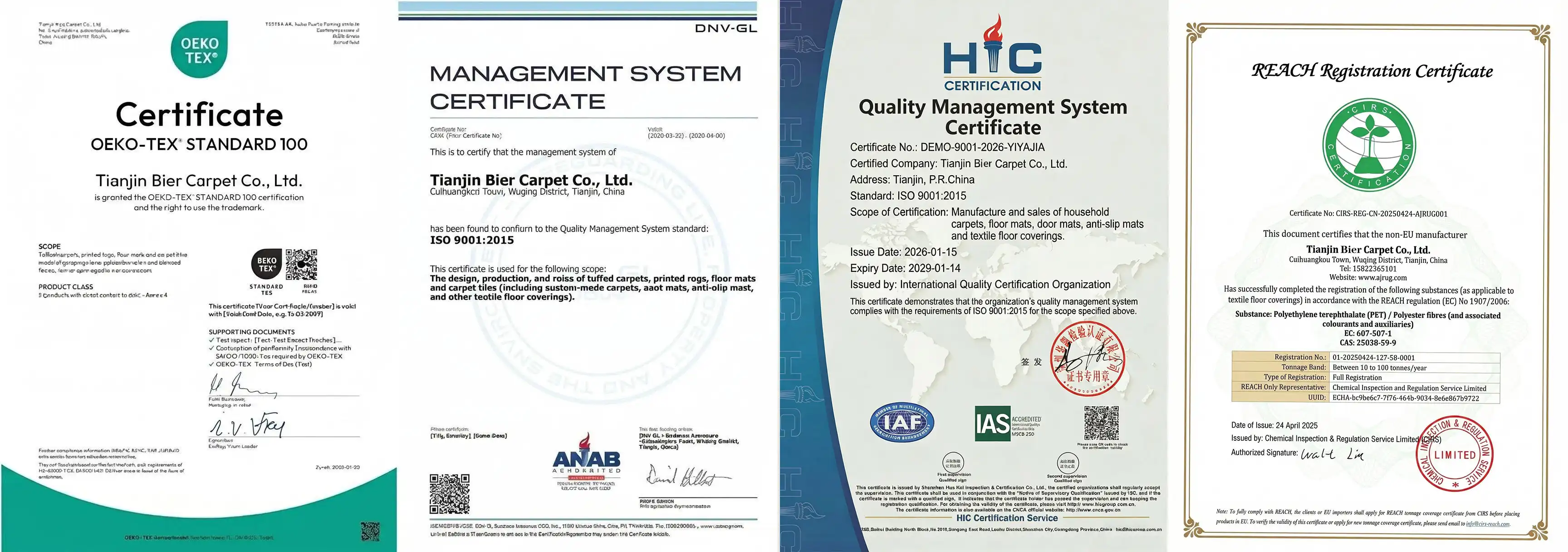
- Compliance certification: Products that meet CE, OEKO-TEX, ISO 9001, and REACH standards make it easier for regulators to approve them in many places.
- Delivery reliability: 7–15-day production processes help meet tight project deadlines while keeping inventory turnover high.
These features make buying easier while keeping the supply chain stable. Manufacturers with flexible minimum order amounts can handle both test setups and full-scale operations without making customers commit to too much inventory.
Cost-Benefit Analysis for Bulk Purchasing Decisions
The initial cost per unit is only one part of the total costs of ownership. Over the course of a normal 7–10 year service life, the costs of acquisition are more than covered by maintenance work, cleaning supplies, replacements, and downtime. Synthetic choices that don't need as much special care give a better return on investment, even if they cost more at first.
Buying in bulk takes advantage of economies of scale and ensures that batches are the same for rollouts in multiple locations. Standardizing on certain product lines makes it easier to train repair staff and keep track of inventory across all buildings in a portfolio. Price promises that protect budgets against big changes in material costs are often secured by volume agreements.
Export-optimized packing makes the best use of containers, which lowers the cost of shipping each item to other countries. Professional logistics management cuts down on port delays and makes sure that supply times are reliable, which helps with planning for building timelines and operations.
Conclusion
To successfully keep an easy care carpet in excellent condition without hiring professionals, you need to understand how the materials perform, follow regular maintenance procedures, and select products that meet the specific needs of the business. Surfaces made of polyester, equipped with stain-resistant treatments, non-slip backing, and appropriate density levels, make an easy care carpet easier to clean and maintain at home. When procurement managers choose suppliers based on these factors, their companies benefit from lower lifetime costs, simplified operations, and flooring products that retain their appearance for longer periods. An easy care carpet, combined with proper product selection and routine maintenance, can deliver professional-looking results while eliminating the need for ongoing service contracts.
FAQ
How often should commercial spaces vacuum high-traffic carpeted areas?
Vacuuming the entrances and major hallways of stores, hotels, and offices every day is a good idea. Spaces with moderate traffic, like meeting rooms and back offices, keep their look with three weekly passes. Regular schedules stop soil from building up and becoming ingrained in the fiber structure. This makes general upkeep easier while maintaining the quality of the look.
Do eco-friendly cleaning products effectively clean synthetic carpets?
Cleaners that are pH-neutral and safe for the environment work great on synthetic fibers and protect processes that make them stain-resistant. Products that meet Green Seal standards get rid of common pollutants without leaving behind chemicals that make dirt stick to them or lower the quality of the air inside. Formulas with enzymes are great at getting rid of organic spots without harming manufactured materials.
What lifespan can facilities expect from properly maintained carpets?
If you follow the manufacturer's care instructions, commercial-grade synthetic rugs can last for 7 to 10 years in high-traffic areas. Items that are used moderately usually last between 10 and 15 years. Regular cleaning, quick stain removal, and protective measures like door mats can greatly increase the useful life of furniture while still keeping a professional look.
Partner with Bier for Reliable Carpet Supply Solutions
Professionals in procurement who are looking for reliable carpet sellers will find a lot of help at Bier. Our crystal velvet goods have advanced heat transfer printing that keeps the colors bright for longer periods of time. Precise laser cutting makes sure that the edges are clean and won't break. Every order goes through a 100% pre-shipment review and comes with a free rework promise, so you don't have to worry about quality when you buy in bulk.
Through our open OEM/ODM services, we can meet your customization needs, such as pattern creation, dimensional requirements, and logo integration. Timelines for evaluations can be met by quickly making samples in 24 to 48 hours, and our daily capacity of 3000㎡ ensures reliable shipping cycles of 7 to 15 days. You can talk to our team at sales@biercarpet.com about your project needs and ask for samples from a well-known easy-care carpet maker that is dedicated to consistent quality and quick service.
References
1. Johnson, M. R. (2021). Commercial Flooring Maintenance: Best Practices for Synthetic Carpets. Facility Management Press.
2. Anderson, K. L., & Chen, P. (2020). "Lifecycle Cost Analysis of Commercial Floor Coverings." Journal of Building Operations, 15(3), 112-128.
3. Roberts, S. T. (2022). Carpet Technology and Performance Standards in Commercial Applications. Textile Industry Publications.
4. Williams, D. J., Martinez, E., & Thompson, R. H. (2019). "Stain Resistance Mechanisms in Solution-Dyed Synthetic Fibers." Materials Science Quarterly, 44(2), 201-219.
5. Foster, A. M. (2023). Procurement Strategies for Commercial Interior Finishes. Professional Buyer's Institute.
6. National Floor Covering Association. (2022). Maintenance Guidelines for Synthetic Fiber Carpets in Commercial Environments. NFCA Technical Standards Committee.
Send Inquiry
Related Industry Knowledge
- Transforming Hallways with Long Runner Rugs
- Faux cashmere rug: what does it look like? How to choose the right artefact according to the decor of the room?
- How to Maintain Easy Care Carpet Without Professional Help
- How should a long corridor carpet be? long corridor carpet Selection Guide
- Choosing the Perfect ruggable bedroom
- Simple rugs for living room: Buying & Styling Guide 2026
- Best Easy Care Carpet for Pet Owners and Families