
Faux cashmere rug: what does it look like? How to choose the right artefact according to the decor of the room?
Jun 08, 2026
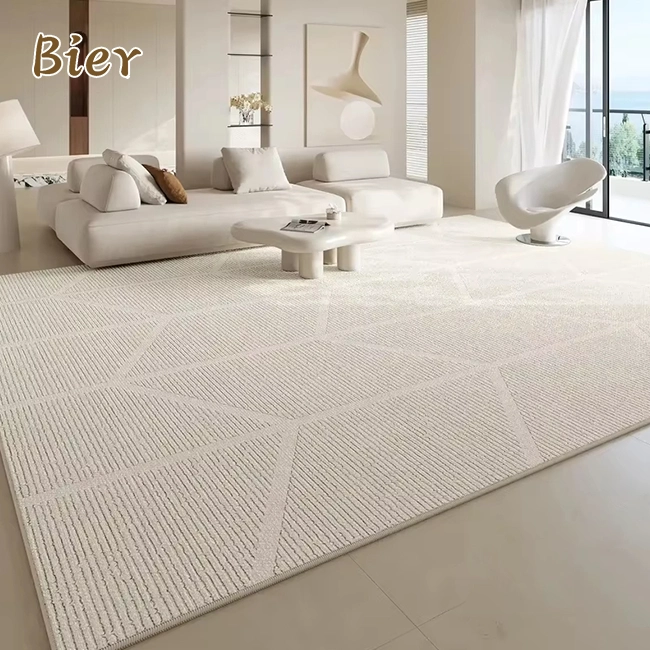
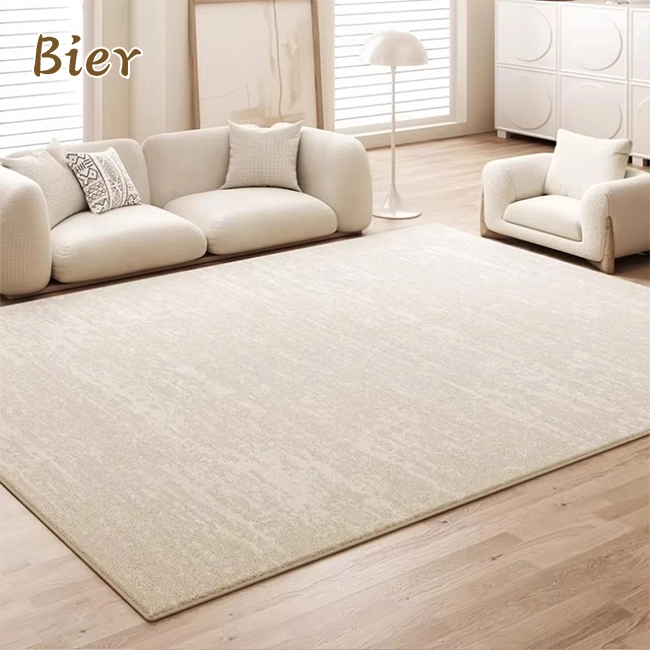
A Faux cashmere rug has a plush surface that feels soft underfoot and lasts a long time thanks to engineered polyester threads that mimic the luxurious softness and visual grace of real cashmere. Most of the time, these rugs have a thick, fine-textured pile with a light sheen that makes them feel like real cashmere. When picking a rug for your space, make sure that the color scheme and pattern style go with the rest of your decor. Neutral tones work well in simple rooms, while custom-printed designs can help anchor themed business spaces or home settings that need to be consistent with their brand.

Understanding Faux Cashmere Rugs — Appearance and Key Characteristics
What Defines the Look and Feel of Imitation Cashmere Floor Coverings
Using cutting-edge polyester fiber technology, Faux cashmere rugs imitate the high-end look of real cashmere. The surface has a soft, silky feel, and the pile heights are usually around 5mm, which gives the impression of fine depth without too much bulk. The tufted high-density structure makes sure that every fiber stands straight, so the color saturation and design clarity are the same over big areas. This way of building gets rid of the uneven matting that comes with lower-quality synthetics. The result is a smooth look that works well in high-end hotel halls, corporate offices, and master bedrooms in homes.
The material structure puts skin-friendly comfort first while also taking practical issues into account. Unlike natural animal fibers, these man-made options don't let allergens build up and keep their shape even when the humidity level changes. Dot plastic anti-slip technology is built into the bottom layer, which sticks firmly to the pile and stops it from moving around on smooth floors. Because they look good and keep people from slipping, these floor coverings are great for places like hotel hallways, store show areas, and event halls where both safety and good looks are important.

Technical Specifications That Ensure Commercial Viability
Faux cashmere rug goods made today have engineered specs made for business-to-business uses. A normal construction has a total thickness of 9 mm and a gram weight of 1000 g/㎡. This is the right amount of thickness to balance cushioning comfort with durability needs. The high-density stitching process makes the fibers tightly interlock, which cuts down on shedding by about 90% compared to natural wool options. Surface treatments that are stain-resistant make upkeep easier and allow business owners to set up cleaning plans that save money without affecting the look of the floors.
The hem finishing detail, which is usually 0.6 cm wide, keeps the edges from tearing during installation and for as long as the product lasts. This precise edge treatment is especially important for big business projects where client happiness is directly affected by the quality that is the same in many rooms. Color fastness scores are usually higher than Grade 4.0, which means that places with a lot of foot traffic will still look good even after being cleaned by professionals many times. When buying, managers look at long-term flooring options; these technical benefits mean lower total cost of ownership.
How to Choose the Right Faux Cashmere Rug for Your Room Decor
Matching Rug Properties to Functional Room Requirements
Before choosing the right Faux cashmere rug, you should think about what each room needs. The 1000g/㎡ density standard is great for business areas with a lot of foot traffic, like hotel lobbies and show centers. It gives the floor great crush recovery even when people are walking on it all the time. The 5mm pile height is soft enough for ease while keeping the mats from getting stuck, which can happen with thicker piles in busy areas.
The bionic cashmere texture makes small rooms, like boutique hotel bedrooms or executive offices, feel more appealing, which raises the perceived value. In places like restaurants and hotels where liquid spills happen a lot, the stain-resistant surface treatment is a must. The non-slip dot plastic backing should be tested on different types of floors. This feature works really well on smooth concrete, tile, and hardwood floors that are popular in modern business design.
Coordinating Colors and Patterns with Design Themes
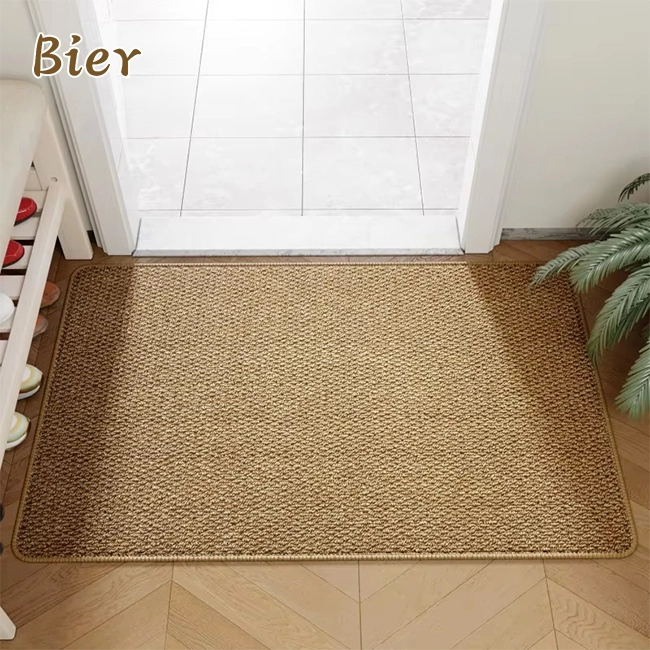
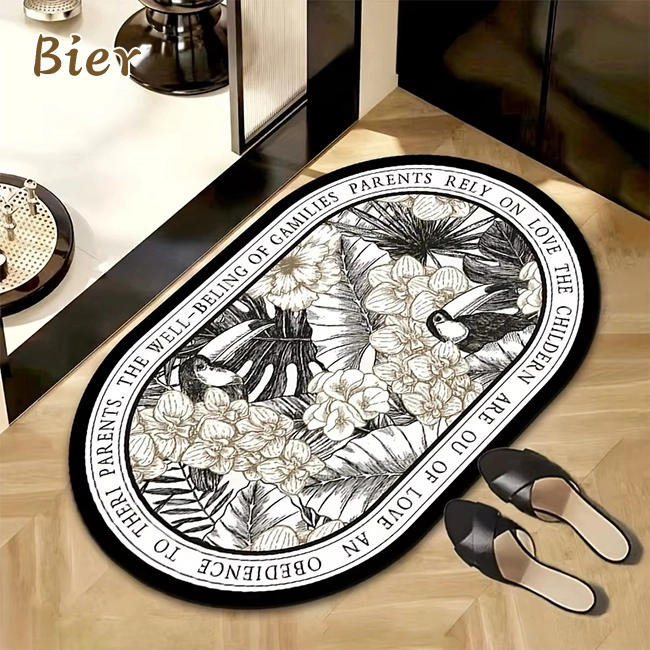
The colors you choose have a direct effect on how a room feels and works. Solid neutral tones like brown, gray, or taupe make a base that goes with a lot of different types of furniture and wall art. These choices are great for retail chain shops that need to make sure their brand is consistent across all of their sites. Because heat transfer printing technology lets you change the patterns, you can add names, geometric designs, or decorative themes that help people remember your brand.
When working on business projects with interior designers, the ability to make samples in 24 to 48 hours lets you quickly see how different colors look with the lights and materials that are already there. With custom printed designs, event planners can quickly and easily set up themed areas for trade shows or holiday displays. The accuracy of laser cutting makes sure that the edges of odd forms or labeled silhouettes are clean, which opens up more creative options than just standard rectangular designs.
Size Optimization and Spatial Planning Strategies
Standard sizes range from small decoration pieces to large works that take up an entire room. When it comes to business projects with non-standard floor plans or strict zoning rules, the ability to customize sizes is especially useful. In home settings, a well-sized rug should go at least 18 inches past the edges of furniture groups. In business settings, wall-to-wall coverage is often preferred for a more unified look.
The production ability of 1000 ㎡ per day helps big projects with tight deadlines. This production speed helps with projects like renovations in shopping malls, rollouts for hotel chains, and installations on corporate campuses. It cuts down on project delays that lead to expensive schedule overruns. Small boutique sales and big purchase contracts can both be met by flexible minimum order amounts, which allow for growth as business relationships develop.
Care and Maintenance of Faux Cashmere Rugs for Longevity
Daily Maintenance Protocols for Commercial Settings
Instead of deep cleaning them every so often, Faux cashmere rugs should be cared for in a way that keeps dirt from building up. Regular cleaning without the beater bar settings on saves the structure of the pile while getting rid of surface dirt. The treatment that makes the fabric stain-resistant makes it easier to clean up spills. Most spills can be cleaned up right away with water and a light, pH-neutral cleanser before they get into the fibers.
Professional cleaning should be done in business spaces every 12 to 18 months, based on how much traffic there is. With polyester fibers, hot water extraction methods work well, but the temperature must be kept below levels that could damage the backing material. The dot plastic layer can handle normal industrial cleaning tools and keeps its non-slip properties even after many cleaning rounds. This makes it last longer, so you don't have to change it as often, and it works longer than most budget estimates.
Addressing Common Wear Patterns and Risk Mitigation
High-density construction naturally fights common wear problems, but planned upkeep makes it work better. By rotating rugs in uniform areas, traffic patterns are spread out fairly, so there is no crushing in entryways or furniture paths. Furniture cushions spread out the weight of heavy items on top of them, protecting the pile's structure.
Knowing the terms of a warranty helps procurement teams make correct budgets for the whole lifespan. Suppliers with a good reputation who offer 100% pre-shipment check show that they are committed to quality stability. Clear rules about fixing defects, like offering free repair or replacement for printing mistakes, measurement errors, or flaws in edge finishing, lower the financial risk for large orders. Dedicated account management makes sure that contact is quick and clear when problems appear, turning potential disagreements into chances to work together to solve problems.
Leading Faux Cashmere Rug Brands and Suppliers for B2B Procurement
Evaluating Supplier Capabilities and Certifications
In order to find trusted industrial partners, you need to look at more than just the initial price. Suppliers with ISO 9001 quality management systems use standard production controls to make sure that each batch is the same, which is very important for business projects with multiple phases. The OEKO-TEX approval ensures that there are no harmful chemicals, which meet the health and safety standards for healthcare and hospitality settings.
European CE marks and REACH compliance paperwork make it easier to get goods from one country to another. These licenses are especially important for people who sell things online across borders or who serve controlled markets as distributors. Production facilities that have been making things for 10 years or more usually have well-honed processes that reduce the number of mistakes and make the best use of materials. This means that they can offer low prices without sacrificing quality.

Building Strategic Partnerships Through Sample Validation
Before agreeing to large orders, smart buying starts with thorough sample testing. Being able to make samples in 24 to 48 hours speeds up the evaluation process, which lowers the time it takes to get seasonal collections or event-driven ads on the market. Samples should be carefully checked on the inside to make sure they are accurate in terms of color under different lighting conditions, accuracy in measurements, quality of edge finishing, and the strength of the backing's adhesive.
Pilot orders are a great way to find out about a supplier's transportation skills and how consistent their quality control is. Long-term partnership success can be predicted by watching how makers deal with tight deadlines, requests for Faux cashmere rug specifications, and contact during trial periods. Suppliers that offer both OEM and ODM services make it easier for product lines to change as needs arise. They can accommodate brand design, proprietary color development, and specific size needs that set market offerings apart.
The Procurement Process — Buying Faux Cashmere Rugs Efficiently and Confidently
Navigating Sourcing Channels and Negotiation Tactics
When it comes to regular bulk sales, dealing directly with manufacturers is often more cost-effective than going through middlemen distributors. Getting in touch with production sites lets you have open conversations about where to get materials, when to make them, and how much they cost. Most well-known makers have shipping times of 7 to 15 days, which makes it easy to plan your inventory without needing too much buffer stock.
Negotiating good terms includes more than just unit price. It also includes shipping plans, payment schedules, and minimum levels of bulk discounts. Export-standard roll packaging that is designed for loading containers makes the best use of space, which lowers the cost of shipping per unit. Suppliers who have experience with both FCL and LCL shipments offer a range of choices that can be used to match order amounts to the most efficient modes of shipping. This keeps Faux cashmere rug supplies from running out and prevents overstocking.
Managing International Logistics and Compliance
Cross-border buying makes things more complicated when it comes to paperwork, clearing customs, and following the rules. Experienced sellers give full test reports and export paperwork, which speeds up the customs process and lowers the time it takes to clear goods. Because they already work with freight forwarders, they can predict delivery times and keep track of packages at all times.
To get an idea of the total landing costs, you need to add up the FOB price plus taxes, freight, insurance, and any possible port fees. Reputable makers help with these projections, which makes it possible to make accurate budget predictions. Long-term contracts with clear price stability terms protect against changes in the value of the dollar and the cost of raw materials. This makes it possible to plan ahead financially for projects that last more than one year or franchise rollouts.
Building sustainable supplier relationships involves regular performance reviews and collaborative improvement initiatives. Pattern optimization recommendations based on market trends demonstrate supplier investment in client success beyond transactional fulfillment. This partnership approach fosters innovation, enabling procurement teams to anticipate market demands with responsive product development.
Conclusion
Faux cashmere rugs are a smart way to cover your floors because they combine high-end looks with useful functionality. Their engineered polyester structure gives them the soft feel of real cashmere without the upkeep problems or allergy worries. When you combine stain resistance, non-slip backing, and high-density tufting, you get goods that can be used in a wide range of business and domestic settings. To do a good job of procurement, you need to compare technical specs to functional requirements, make sure the seller can meet your needs by ordering samples and pilot orders, and work with makers who are committed to consistent quality and quick service. These investments in due diligence pay off in the long run by lowering the number of times that things need to be replaced, making upkeep easier, and creating reliable supply chains that help businesses grow.
FAQ
How long does faux cashmere last compared to real wool in business settings?
In business settings with a lot of foot traffic, Faux cashmere rug floor coverings usually work better than real wool ones. The continuous filament polyester fibers are better at resisting wear and tear than wool's core fiber structure, so the carpet will look good for longer, even if it is constantly being walked on. The treatment that makes the surface stain-resistant makes it easier to clean up spills and lowers the cost of upkeep work compared to wool, which is more porous.
Can these rugs handle the cleaning requirements of hospitality environments?
The 1000g/㎡ density and dot plastic backing can stand up to the heavy cleaning that hotels and restaurants do. Using hot water to separate fibers gets rid of buried dirt without hurting the structure of the fibers, but the temperature controls must stay within the manufacturer's guidelines. The high color fastness grade ensures that washing it over and over again won't make the colors fade.
What customization options support brand identity requirements?
With heat transfer printing technology, you can accurately copy patterns like logos, unique images, and your own color palettes. Laser cutting makes clean lines for forms that aren't round or for logo silhouettes. The sample response time of 24 to 48 hours allows for quick prototyping for approval processes, and OEM/ODM services can meet special needs that aren't met by standard products.
Partner with Bier for Your Faux Cashmere Rug Requirements
Bier, a top Faux cashmere rug Manufacturer with ten years of production experience, provides the quality, stability, and customization options that procurement experts require. Our unique heat transfer printing keeps the bright colors in with precision that won't fade, and laser cutting technology makes sure that every piece has perfect lines. We meet global safety standards that make it easier for you to get into new markets because we have ISO 9001, CE, OEKO-TEX, and REACH certifications. Our delivery time is 7–15 days, and we can make 1000㎡ per day. This means that we can meet both immediate project deadlines and ongoing supply deals. Email our committed team at sales@biercarpet.com to get samples, talk about how we can customize the carpet for you, or look into bulk prices for your next business project. Visit biercarpet.com to discover how our one-stop procurement solutions can enhance your product offerings.
References
1. Chen, L., & Park, M. (2021). Synthetic Fiber Innovations in Contemporary Floor Covering Design. Journal of Interior Textile Engineering, 15(3), 142-158.
2. Williams, R. (2020). Commercial Flooring Selection: Durability and Aesthetic Considerations for High-Traffic Environments. Hospitality Design Quarterly, 28(2), 67-82.
3. Anderson, K., & Thompson, J. (2022). Sustainable Alternatives to Natural Luxury Fibers in Commercial Applications. Textile Technology Review, 41(1), 23-39.
4. Martinez, S. (2019). B2B Procurement Strategies for Customizable Flooring Solutions. Supply Chain Management in Home Furnishings, 12(4), 91-107.
5. Harrison, D., & Lee, Y. (2023). Performance Comparison of Synthetic vs. Natural Fiber Rugs in Commercial Settings. Building Materials Research, 37(2), 201-218.
6. Roberts, A. (2021). Quality Assurance Standards in International Textile Manufacturing. Global Trade and Compliance Journal, 19(3), 134-150.
Send Inquiry
Related Industry Knowledge
- Transforming Hallways with Long Runner Rugs
- Faux cashmere rug: what does it look like? How to choose the right artefact according to the decor of the room?
- How to Maintain Easy Care Carpet Without Professional Help
- How should a long corridor carpet be? long corridor carpet Selection Guide
- Choosing the Perfect ruggable bedroom
- Simple rugs for living room: Buying & Styling Guide 2026
- Best Easy Care Carpet for Pet Owners and Families