
How Can Buyers Choose Durable Luxury Outdoor Rugs for Hotels?
Aug 25, 2026
Selecting high end outdoor rugs for hotels requires careful consideration of material durability, aesthetic appeal, and operational efficiency. Hotels need outdoor floor coverings that withstand environmental stress while maintaining visual elegance across patios, poolside lounges, and terrace dining areas. Procurement managers face challenges balancing upfront investment against lifecycle costs, particularly when rugs must endure UV exposure, moisture, and continuous foot traffic. The right choice combines advanced material technology with design versatility, ensuring rugs enhance guest experience without imposing maintenance burdens. Understanding technical specifications—from fiber composition to backing systems—empowers buyers to make decisions that align with brand identity and operational sustainability.
Understanding the Importance of Durable Luxury Outdoor Rugs in Hospitality
Outdoor areas have become important parts of hotel design, directly impacting how happy guests are and how unique a resort is. High end outdoor rugs do more than one thing: they support visual themes and provide practical benefits like noise reduction and temperature regulation. Hotels that use these textile solutions say that they make better use of room. For example, patios and pool decks go from being summer perks to year-round sources of income.
Defining Premium Outdoor Textile Solutions
High end outdoor rugs are very different from regular floor coverings because they are made of complex material systems that are made to last in harsh conditions. These items have UV-stabilized fibers, moisture-resistant backings, and colorfast dye technologies that keep the colors from fading when they are exposed to the sun for a long time. Solution-dyed polyester fiber rugs are great for hotels in seaside or tropical areas because they lock in colors at the molecular level instead of using surface treatments that can fade.
Critical Challenges in Hotel Outdoor Environments
There are certain problems that hotels have that regular outdoor rugs can't fix. When properties add on to or update parts of outdoor spaces, it can be hard to keep the colors consistent across replacement batches. Maintenance teams have a hard time with products that hold water, which makes them slippery and encourages the growth of microbes. When big furniture loads cause the edges to break, it hurts how people think of the brand, and in high-traffic areas, piles that aren't resilient enough cause them to mat too soon. Because of these practical facts, procurement plans need to be based on proven performance rather than looks.
Guest Experience and Operational ROI
Quality outdoor mats make guests feel and look more comfortable by being soft to the touch and warm to the eyes. When properties use high-quality rugs, noise complaints go down in dining areas above poolside venues because the dense piles soak up noise. Because they keep heat in, modern backing systems make it possible to sit outside longer in mild climates, which directly affects food and drink sales. Durable rugs with stain-resistant treatments cut down on the number of deep cleanings that need to be done, which saves money on labor costs while keeping up the standards of presentation that are important for online review ratings.
Core Criteria for Selecting Durable Luxury Outdoor Rugs for Hotels
To make sure long-term happiness, procurement decisions must weigh a lot of technical and aesthetic aspects. Material science is the basis, but how well a rug works after it's been installed and how easy it is to clean and maintain are what really matter.
Material Composition and Weather Resistance
Modern outdoor mats are made with synthetic fiber systems, which work better in hotel settings than natural materials. Polyester doesn't absorb water because it naturally doesn't like it, so it dries quickly after it rains or gets dirty. When you put these high end outdoor rugs on top of a dot plastic PVC backing, they become dimension stable, which means they won't stretch or break when the temperature changes, which can happen on a rooftop. The 5mm thickness specification gives enough cushioning without making it hard to get the door open, which is a practical factor that is often forgotten until it's time to install.
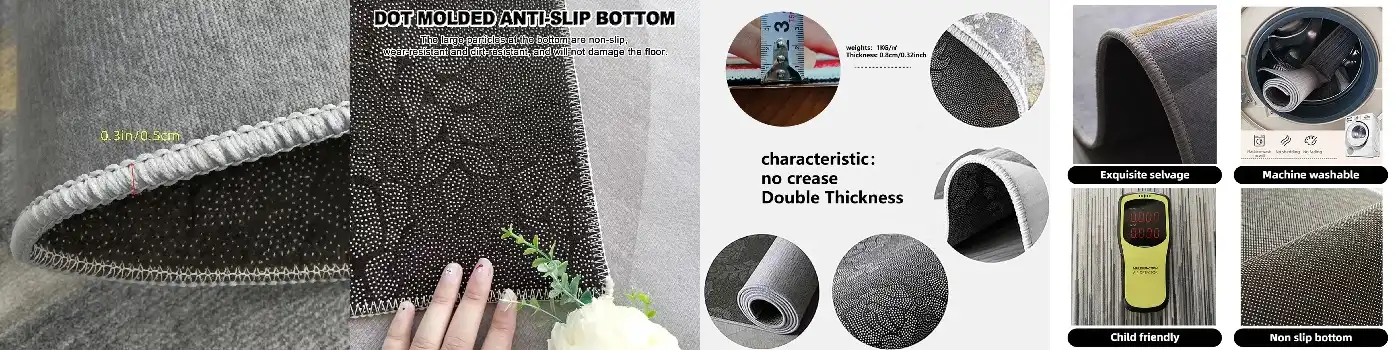
Crystal velvet surface treatments make things look more expensive while also being useful. This textile finish feels soft to the touch, like indoor carpeting, but it doesn't let dirt in because of its tight weave structure. For hotels, this means that normal hospitality care procedures can be used to clean up spots more easily. The gram weight ranges from 750g to 1100g, which gives you a lot of options for customization. Lighter weights work best for covered patios with little weather exposure, while heavier builds are better for pool decks that aren't protected.
Design Integration and Brand Consistency
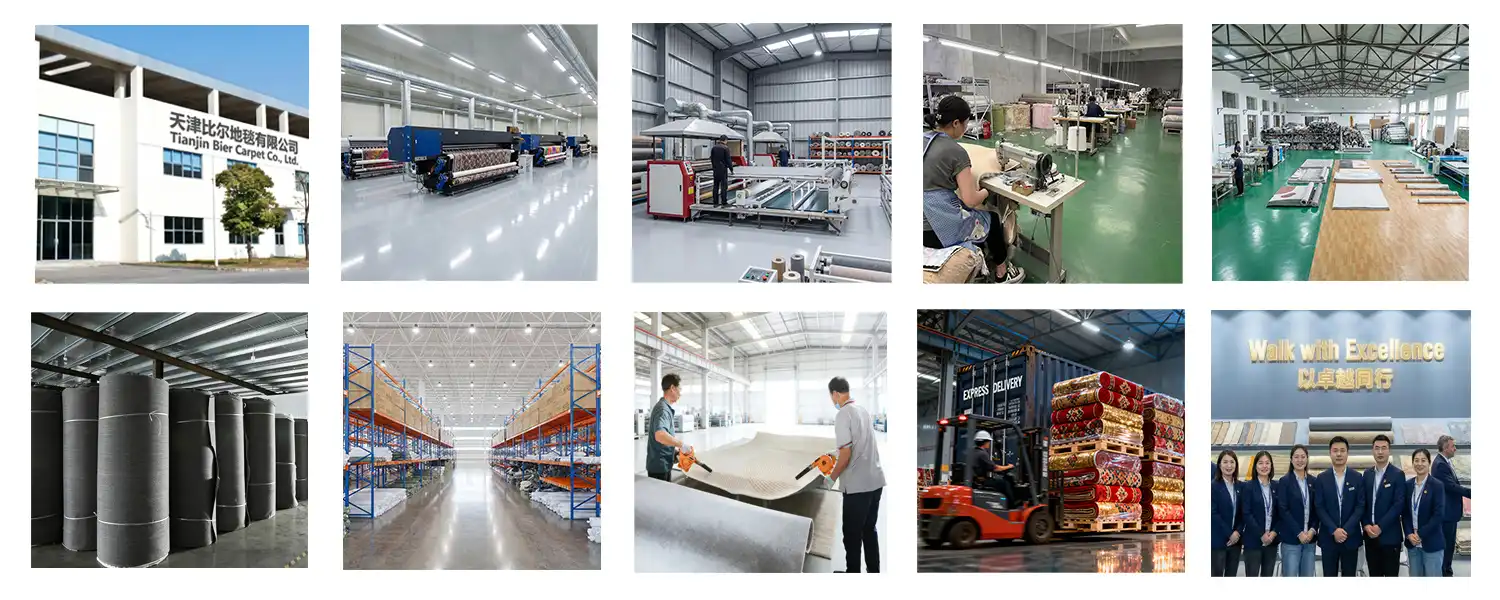
Having the same look and feel across all of a hotel's touchpoints helps build brand identity and the impression of quality among guests. Premium outdoor rug providers that offer unique pattern design through heat transfer printing make it easy for homes to carry themes from the inside to the outside. This technology locks bright colors into the fibers instead of painting them on the surface. This keeps the design strong even after years of UV exposure and multiple cleanings.
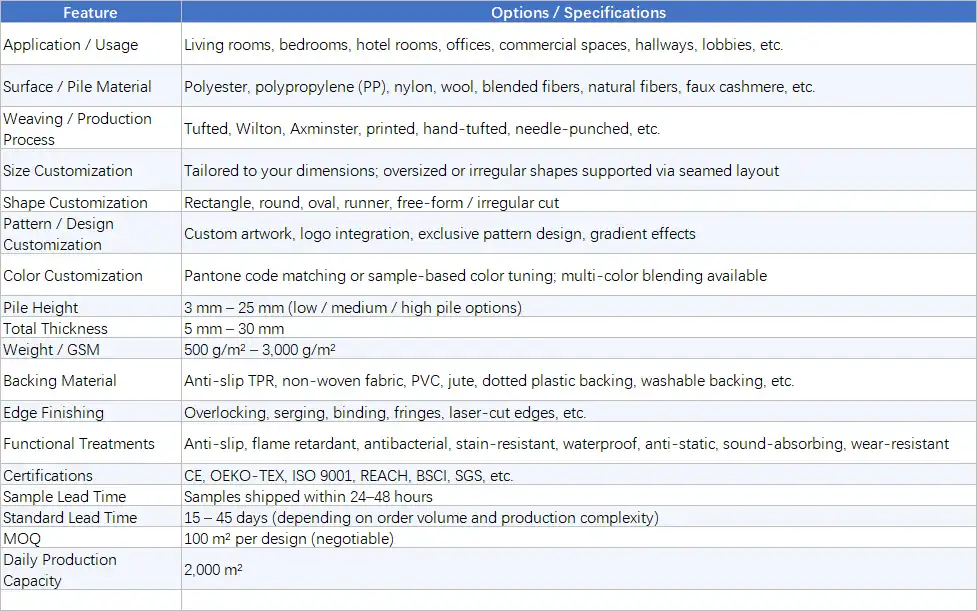
Edge finishing quality is what sets high-end goods apart from low-cost ones. 0.6 cm edge-locking on laser-cut edges keeps them from coming apart, so the rug looks great for a long time. This careful attention to detail during production is especially important for rugs that will be displayed in places where people will see them and appreciate the quality of the work. Hotels can choose simple colors for understated grace or intricate printed designs that support theme stories. Suppliers can make samples within 24 to 48 hours to make sure design choices are good before placing large orders.
Maintenance Requirements and Operational Efficiency
When it comes to floor coverings, hotels need ones that look good without any special care. Stain-resistant processes that are used during production keep fibers from being forever marked by oil- or water-based spills. Safety standards are met by non-slip backing systems that get rid of the need for separate rug pads. This makes installation easier and lowers long-term costs. Because rugs are absorbent and dry quickly, they can be hose-cleaned while they're still in place, which is very helpful for places like swimming pools where normal cleaning methods wouldn't work.
Knowing the cleaning rules before buying something keeps practical shocks to a minimum. When moving from outdoor to semi-covered use, OEKO-TEX-certified rugs make sure that chemical treatments don't hurt the air quality inside. Some manufacturers can make 3000㎡ a day, which means their supply chains are mature enough to handle rollouts at multiple properties or rapid expansion timelines. This makes it easier for hotel groups to buy things.
Comparing Luxury Outdoor Rugs: What Distinguishes Durable Premium Rugs from Cheaper Alternatives?
Lifecycle performance must be included in cost analysis along with the purchase price. Cheap high end outdoor rugs often have backings that aren't very good and peel off after a few months, meaning they need to be replaced too soon. Economy goods have surface fibers that fade unevenly, leaving behind patchy looks that lower the value of the property and require earlier-than-planned capital expenditures.
Performance Benchmarks and Longevity Metrics
Durability tests show that high-end rugs are better in measurable ways. High-density machine weaving makes fiber structures that are tighter so that furniture weight doesn't crush the pile. This means that the plush look lasts for years instead of months. Testing for UV fade protection shows that good products keep 90% of their color after 1000 hours of fast exposure, which is the same as using them for several years in sunny places. Cheaper options often lose their saturation in just one season, which means they need to be replaced, which cancels out the savings from the start.
In areas with a lot of foot traffic, the difference is easy to see. Within six months, cheap rugs start to show signs of wear near pool entrances or dining areas, while engineered luxury products keep their uniform look for similar amounts of time. Hotels that keep track of total cost of ownership say that expensive rugs last 3–5 years, while economy options only last 12–18 months. This changes the hotels' financial plans in a big way.
Supplier Reliability and Risk Mitigation
Buying from companies that have documented quality control systems greatly lowers the risk of buying something. Suppliers who do a 100% check before shipping find problems with the clarity of the writing, the accuracy of the measurements, or the stickiness of the backing that would show up after installation if they didn't do this. This process of checking is especially important for large sales, where even a 2% failure rate can cause problems.
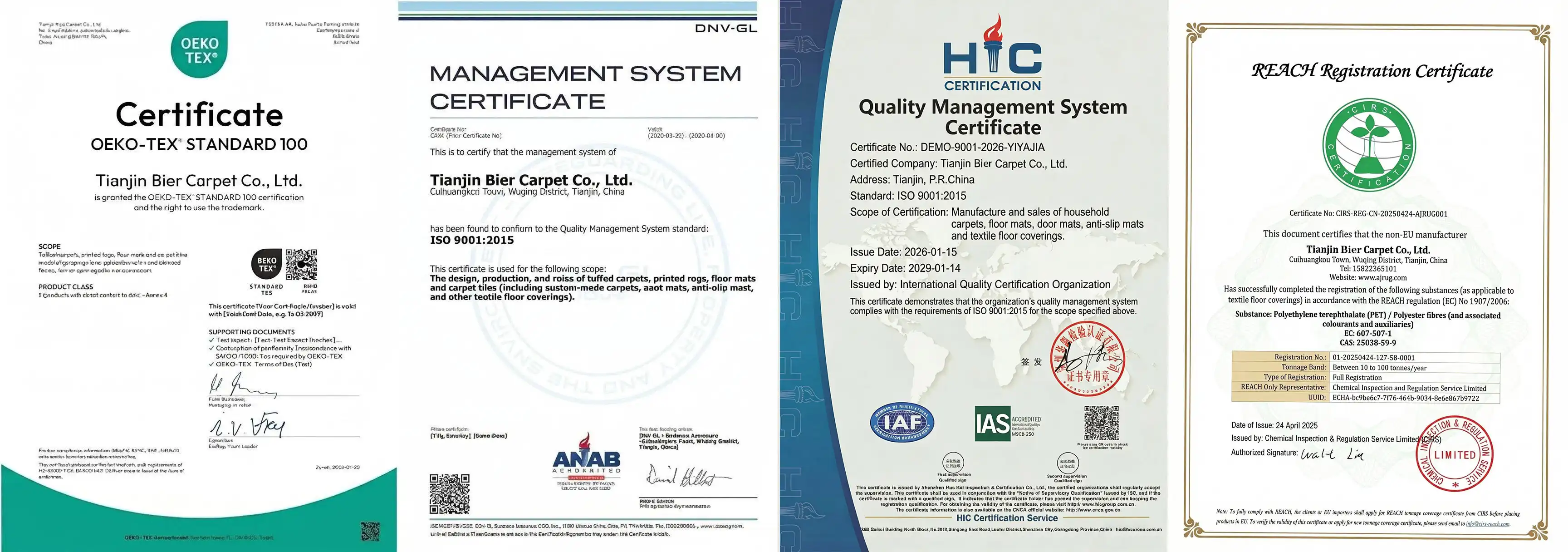
Compliance documentation is very important for properties in regulated markets, and well-known sellers provide it. Following safety and environmental rules is shown by CE marking, REACH compliance, and ISO 9001 certifications. These protect hotels from potential liability issues. When manufacturers give buying teams test results from approved labs, they can check claims instead of just believing what the manufacturers say. Long-term relationships with these kinds of suppliers make sure that each batch is the same. This makes it easier to match colors when properties need new sections years after they were first bought.
Sustainability Considerations in Procurement
Hotels are responding to guest standards and business mandates by making environmental responsibility a bigger part of their buying decisions. Premium outdoor rug makers now make choices made from recycled polyester that meet performance standards while using less new material. These goods meet the same standards for toughness as traditional fibers, and they also help hotel groups meet their sustainability reporting requirements.
The decisions suppliers make about packaging show how skilled they are at exporting. Export-standard roll packaging reduces damage during shipping and improves the efficiency of container loading, which has a direct effect on the cost of logistics per unit. Figuring out how much room is being used in containers shows that a supplier is operationally mature, which lowers freight costs and is an important thing to think about when shopping for deployments across multiple properties. Moisture-proof packaging keeps things from getting damaged in transport, which can lead to expensive delays and quality complaints.
Procurement Best Practices: How to Buy Durable Luxury Outdoor Rugs for Hotels
For strategic sourcing to work, product specifications must be matched with the realities of operations. Before hiring suppliers, hotels need to look at their unique needs in terms of surroundings, usage, and appearance. Preparing the groundwork ahead of time stops mistakes that only show up after installation, when fixing them costs a lot more.
Evaluating Property-Specific Requirements
Material objectives are set by the location's temperature. Properties in humid coastal areas need to be more resistant to water and dry faster than properties in desert resorts, where UV protection is very important. Foot traffic research helps choose the right gram weight—terraces next to lobbys need heavier constructions than private balcony areas. By writing down these variables, you can use objective criteria to judge suppliers instead of just relying on your personal design preferences.
When a property has an unusual outdoor plan, being able to change the size matters. Suppliers who offer both standard sizes and custom sizes make it possible to cover the whole room without any seams or ends that stick out. This versatility comes in handy when refurbishing a room and adding new high end outdoor rugs that fit in with the current architecture. When properties know their minimum order quantities, they can combine purchases made at different locations to get better prices without committing too much inventory capital.
Sourcing Channels and Supplier Evaluation
For hotels with regular needs, direct ties with manufacturers are better than networks of distributors. OEM/ODM services let you change patterns in a way that supports your brand's personality while keeping costs low by streamlining production. Manufacturers who have been in business for 10 years or more show that they are stable in the market and have the technical knowledge to help with complicated projects. Checking production capacity, like how much 3000㎡ can be made in a day, makes sure that suppliers can meet tight deadlines for things like renovations or seasonal openings.
The rating of a sample should be based on the situations of real use. When rugs are tested outside in strong sunlight, wet conditions, and with furniture in different positions, performance traits that aren't visible in stores are revealed. Procurement teams should make sure that models fit mass production in terms of how the materials are made, not just how they look. Asking for small-batch trial orders before agreeing to property-wide rollouts lowers risk and shows that the seller can be trusted by their actions, not just their words.
Pricing Structures and Contract Negotiation
Transparent price models take into account the cost of materials, the difficulty of tailoring, and the number of orders. Instead of being made up, bulk pricing levels should be based on real economies of scale. Cash flow is protected by negotiating payment terms that are in line with project milestones. Structures for deposits, production payments, and final settlements after quality checks evenly distribute financial risk among all parties.
Professional suppliers are different from transactional dealers because they offer installation help and service after the sale. Devoted account managers who know how hotels work make reordering easier and help solve problems before they happen. Warranty clauses that cover flaws in the manufacturing process, with clear language for printing mistakes, differences in size, or backing failures, give people a way to get their problems fixed without having to go to court for a long time. When suppliers offer free rework or replacement for quality problems, it shows that they are confident in their manufacturing standards and want their customers to be happy.
Case Studies & Examples: Successful Luxury Outdoor Rug Deployments in Hotel Settings
Real-life examples show how carefully choosing the right products can help solve certain problems in the hotel industry. These examples show buying workers how to use what they've learned to make better decisions about their properties.
Coastal Resort UV Protection Strategy
Poolside rugs at a Caribbean resort were losing their color quickly because they were in the hot tropical sun all day. The lifecycle went from 14 months to over four years when the rugs were changed to polyester ones with solution-dyed fibers and UV-stabilized backing. The property asked for heavier (1100g/㎡) constructions in areas with a lot of foot traffic and lighter ones in areas with private cabanas so that costs could be spread out more efficiently. Using brand colors in custom pattern design kept the property's look consistent, and heat transfer printing technology made sure the pattern would last. Based on observed wear patterns, the procurement team set up a replacement schedule. This helped with budget planning and kept expensive emergency purchases of high end outdoor rugs from being needed.
Urban Hotel High-Traffic Durability
A downtown hotel turned its rooftop into a restaurant that's open all year, so they needed rugs that could handle constant service and moving furniture around. Choosing rugs with a strengthened dot plastic backing and non-slip surface treatments stopped people from moving while the tables were being set up. The 5mm thickness helped with soundproofing, keeping guest rooms below from hearing noise, which is a key part of keeping total property happiness scores high. Even though there were a lot of drinks being served, upkeep was easier because the treatments were stain-resistant. Staff could clean up drips using standard cleaning methods. The hotel worked out a deal with the seller for staggered replacement frames. This would make sure that each batch was the same because different parts would reach the end of their useful life at different times.
Boutique Property Design Integration
A small resort that values local craftsmanship needed outdoor rugs that showed off the style of the area. Through joint design processes, the property created unique patterns with the help of a maker that offered full customization services. Laser cutting made it possible to make complicated geometric forms that matched architectural details. This made the visual story flow from indoor to outdoor areas. The 24- to 48-hour sample return time from the source sped up design changes, letting stakeholders see how options would work in real-life site conditions. Export-standard packaging made sure that international shipping went smoothly and without damage, and thorough documentation made it easier to get through customs. The successful application led to more orders across the property group's holdings, showing that design flexibility helps brands stand out.
Conclusion
When hotels choose long-lasting high end outdoor rugs, they have to find a balance between how well they work technically and how they look. To be successful at procurement, you need to know about material sciences, like the properties of polyester fiber and the building of backing systems, and be able to judge a supplier's skills beyond what is listed in a column. Premium rugs are worth the money because they last longer, need less upkeep, and make the guest experience better, all of which translate to practical ROI. Hotels need to look at the surroundings, how the rooms are used, and the needs of the brand to choose goods that meet both short-term and long-term goals. Partnering with makers that offer flexible customization options, quality assurance systems, and quick after-sales support changes buying rugs from a one-time thing to strategic asset management that helps with property placement and financial performance.
FAQ
How often should luxury outdoor rugs be cleaned in hotel settings?
How often maintenance is done relies on how much traffic there is and how exposed the area is. High-traffic areas near pool entries or eating areas should be vacuumed once a week and deep cleaned once a month. Protected terrace areas may only need to be vacuumed every two weeks and professionally cleaned every three months. Stain-resistant solutions last longer when spills are treated right away. Properties should set up written cleaning plans that are in line with what the maker recommends so that warranties are honored and products last as long as possible.
Can premium outdoor rugs perform in extreme climate conditions?
Outdoor mats of good quality that are made with UV-stabilized polyester and backing systems that don't absorb water work well in all kinds of weather. Properties in areas with a lot of humidity should check that they meet the requirements for quick drying, while properties in areas with a lot of sun should confirm the results of fade resistance tests. Suppliers who give climate-specific advice based on location data make it easier to match high end outdoor rugs to conditions. Before buying, you can be sure that it will work by asking for performance data for similar climate setups.
What quality assurances should buyers expect from reputable suppliers?
Professional makers check all of their products before they ship them to make sure they are the right size, color, and have good backing. You should get certificates that show you meet the standards that matter, like OEKO-TEX for chemical safety, CE marking for European markets, and ISO 9001 for quality management systems. The warranty terms should make it clear what flaws in making are covered, how long the product should normally last, and how to get them fixed. Suppliers who offer dedicated account management and written quality control protocols show that their operations are mature enough to be considered for a long-term partnership.
Partner with Bier for Your High End Outdoor Rugs Requirements
Bier specializes in making high-quality outdoor rugs that are designed to work in restaurant settings. They have been doing this for ten years and have advanced production tools. Our high end outdoor rugs feature precision dot plastic backing systems and solution-dyed polyester for reliable performance in tough hotel settings. We offer full OEM/ODM customization services that let purchasing teams define exact material weights, custom designs through heat transfer printing, and dimensional needs that match specific property plans. As part of quality assurance procedures, all items are checked one hundred percent before they are sent out, and any problems with the printing, cutting, or sizes are fixed for free.
Our production capacity allows us to do both quick samples (within 24 to 48 hours) and bulk orders (with delivery times of 7 to 15 days). We also use export-standard packaging that is optimized for container efficiency. We maintain compliance documentation for international markets as a reputable supplier of high end outdoor rugs, such as CE, OEKO-TEX, and ISO 9001 certifications. Procurement managers get personalized account support, clear pricing for large orders, and technical advice that helps them match product specs to operational needs. You can talk to our team at sales@biercarpet.com about your project needs, ask for samples that show off our work, or look into unique solutions that will make your property's outdoor areas look better while still meeting strict hotel performance standards.
References
1. Hospitality Design Magazine. (2023). "Material Performance Standards for Commercial Outdoor Textiles in Hotel Applications." Interior Design Research Quarterly, Vol. 47, Issue 3.
2. Johnson, M. & Chen, L. (2022). "Lifecycle Cost Analysis of Premium versus Economy Outdoor Floor Coverings in Hospitality Settings." Journal of Procurement Management, Vol. 18, No. 2.
3. International Textile Standards Association. (2023). "UV Resistance Testing Protocols for Outdoor Synthetic Fiber Products." Technical Bulletin Series, Publication 204.
4. Anderson, R. (2021). "Guest Experience Metrics: The Impact of Outdoor Space Quality on Hotel Satisfaction Scores." Cornell Hospitality Research Review, Vol. 12, Issue 4.
5. Global Hospitality Supply Chain Institute. (2023). "Best Practices in Bulk Procurement: Strategies for Multi-Property Hotel Groups." Annual Industry Report.
6. Williams, K. & Thompson, J. (2022). "Environmental Performance and Sustainability in Commercial Textile Selection for Outdoor Hotel Applications." Sustainable Hospitality Journal, Vol. 9, No. 3.
Send Inquiry
Related Industry Knowledge
- How 10x14 Modern Rugs Enhance Large Area Interior Design Projects
- Upgrade Holiday Decor with a Soft Textured Round Rug
- How to Clean and Maintain a Rose Flower Rug Properly?
- Nursery Rainbow Rug for Soft and Colorful Kids Room Decor
- Ruggable Bedroom Ideas: Sizes, Placement & Styling Guide
- What Are Cartoon Flower Rugs and How Are They Used
- Are Crystal Velvet Rugs Worth the Investment for Comfort and Style?
- Discovering the Natural Charm of Jute Rugs
- The Ultimate Guide to Jute-proof rug
- How should a long corridor carpet be? long corridor carpet Selection Guide