
Why Eco Friendly Rugs Are Becoming Popular in Green Buildings
Aug 28, 2026
Green building projects across the United States are experiencing a quiet revolution in flooring choices. Eco friendly washable rugs have emerged as a practical solution for developers, hospitality operators, and commercial space managers seeking sustainable alternatives that don't compromise on aesthetics or durability. These floor coverings merge environmental responsibility with the operational demands of high-traffic environments, addressing both LEED certification requirements and the day-to-day challenges of maintaining pristine interiors. Unlike traditional carpeting that locks pollutants and requires chemical-intensive cleaning, modern washable rugs support healthier indoor environments while reducing long-term maintenance costs.
Understanding Eco Friendly Washable Rugs in Green Buildings
What Defines a Truly Sustainable Floor Covering?
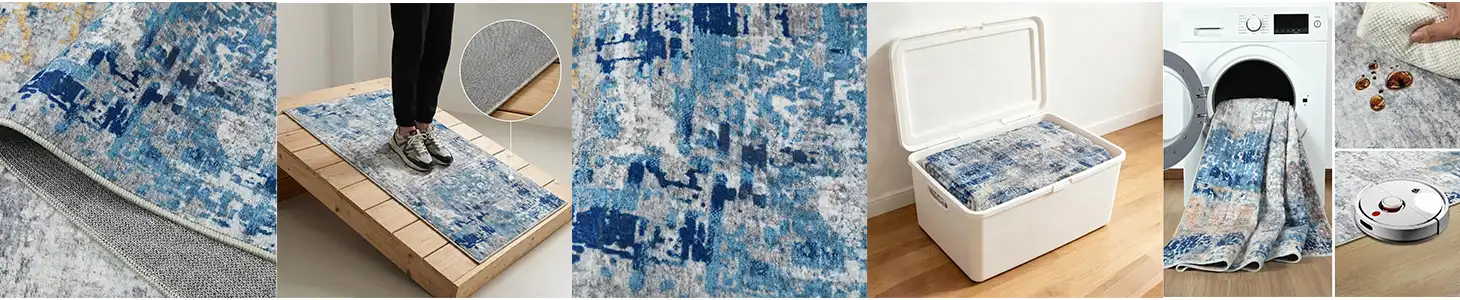
In green buildings, sustainable floor covers are made from materials that have little to no effect on the environment over the course of their entire life. Quality washable rugs now have fake cashmere tops made from polyester fiber with a density of 350g/⎡ and TPR thermoplastic rubber bottoms that don't give off gases like traditional PVC backings do. This mix of materials gives building users the comfort they expect while also meeting strict standards for indoor air quality.
Certification Standards That Matter for Procurement
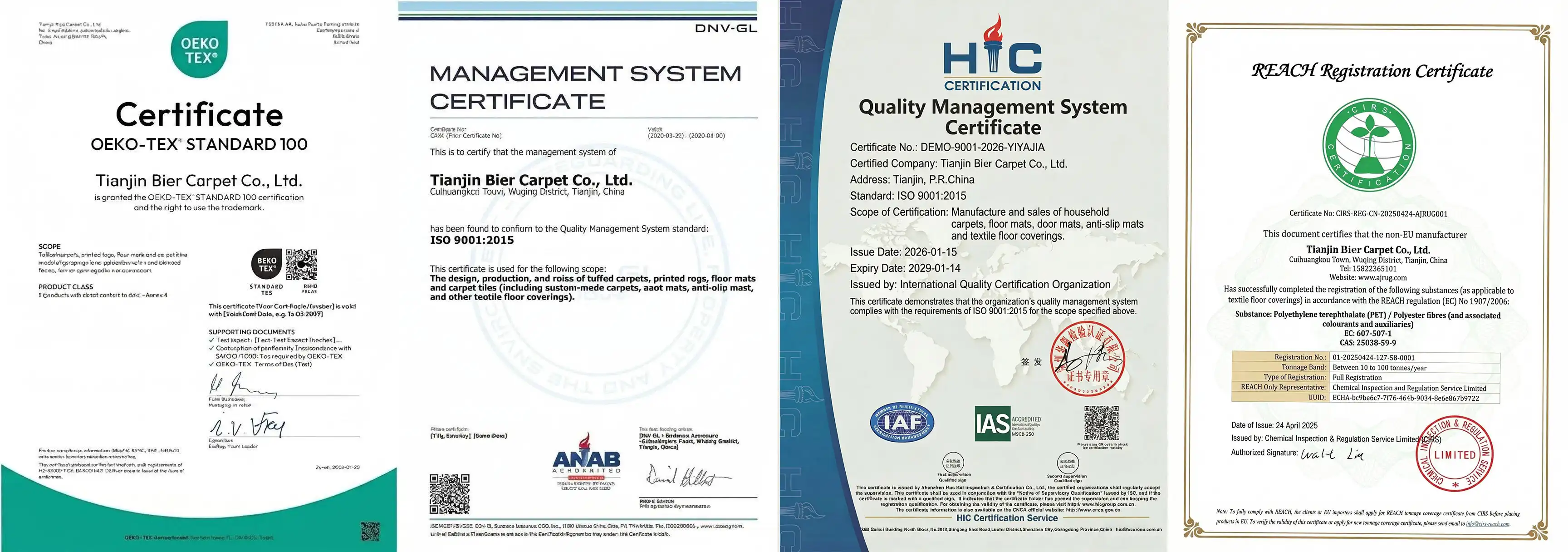
When purchasing managers look at eco-friendly flooring options, they should give OEKO-TEX, ISO 9001, and REACH certified products more weight. These credentials show that the floor coverings meet the strictest chemical safety standards in North America and Europe. The CE mark shows that the product meets European health and safety standards for safety, and the OEKO-TEX Standard 100 test checks for more than 300 dangerous chemicals. These certificates lower the risk of liability and make the design process easier for projects that want to be recognized by LEED or BREEAM.
Performance Characteristics for Commercial Applications
For green building projects, the flooring needs to be able to handle heavy use without needing to be replaced often. Modern clean rugs with a 3 mm pile height and a 5 mm total thickness are designed to look professional in hallways and public areas without getting crushed. Fraying is a common problem with regular area rugs. High-density machine weaving with 0.6 cm edge-locking stops it. The 1000g/ weight gives it a substantial presence on the ground without making it dangerous to trip or blocking doorways.
Environmental and Health Benefits of Eco Friendly Washable Rugs
Reducing Indoor Air Contaminants
Traditional synthetic flooring gives off volatile chemical compounds that build up in buildings that are shut off, but eco friendly washable rugs eliminate this concern. This worry is gone with washable rugs made with TPR bottoms and water-based dyes, which meet the air quality standards of the WELL Building Standard. The short-pile construction keeps dust mites and allergens from settling in, which is especially helpful in places like schools and hospitals where vulnerable people spend a lot of time.

Lifecycle Impact Advantages
Here are the environmental benefits of washable rugs that set them apart from other options:
- Water Conservation: Machine washing consumes significantly less water than professional steam cleaning services, which use 10-15 gallons per cleaning session. A standard residential machine uses approximately 15-30 gallons to clean multiple rugs, reducing per-unit consumption by 70%.
- Chemical Elimination: Traditional carpet maintenance relies on perchloroethylene and other dry-cleaning solvents. Washable designs eliminate this chemical dependency, protecting waterways and reducing occupational exposure risks for maintenance staff.
- Extended Service Life: Quality washable rugs maintain appearance and structural integrity through 50+ cleaning cycles when properly maintained. This durability reduces replacement frequency, lowering the embodied energy costs associated with manufacturing and transportation.
These benefits over the course of a product's lifespan directly lead to better sustainability measures for green building projects. Over five-year evaluation periods, facility managers report 40% drops in the costs of maintaining flooring, and building certifications benefit from documented drops in the use of hazardous materials.
Contribution to Occupant Wellness
People who live or work in places with low-VOC floors say they have fewer breathing problems and are more comfortable. If you choose the right washable mats, they will be hypoallergenic, which helps with company health programs and staff happiness goals. People who work in the hospitality industry have noticed that guests are saying nice things about attempts to be more environmentally friendly, like using eco-friendly floors in public areas.
Maintenance and Longevity: Best Practices for Eco Friendly Washable Rugs
Cleaning Protocols That Preserve Performance
Cleaning and caring for washable rugs properly will make them last longer and keep their good looks. Washing clothes in a machine at temperatures below 86°F protects the color and integrity of the fibers. Using gentle, biodegradable soaps keeps dirt from sticking to residue. Due to their quick-drying properties, 3mm pile height rugs can be put back into use within hours instead of days after being cleaned.
Strategic Placement for High-Traffic Zones
Facility managers get the most out of their money by putting washable rugs in places like building entrances, elevator lobbies, and food service areas where they get the most dirt. The TPR backing doesn't slip and stays in place on tile or wood floors without glue or grippers. Rotation plans let one rug get cleaned while a backup keeps covering, making sure that the floor is always protected and looks professional.
Cost-Benefit Analysis for Commercial Settings
There are big financial benefits to using washable business flooring like eco friendly washable rugs instead of regular commercial carpeting. With washable rugs, you don't have to pay an expert to clean them every three months, which costs about $0.25 to $0.50 per square foot. A 1000-square-foot system saves between $5,000 and $10,000 in upkeep costs over five years. The foldable form makes it easier to store and move, which lowers the cost of handling for businesses that have more than one site.
Procurement Insights: Choosing and Buying Eco Friendly Washable Rugs for Green Building Projects
Evaluating Supplier Capabilities
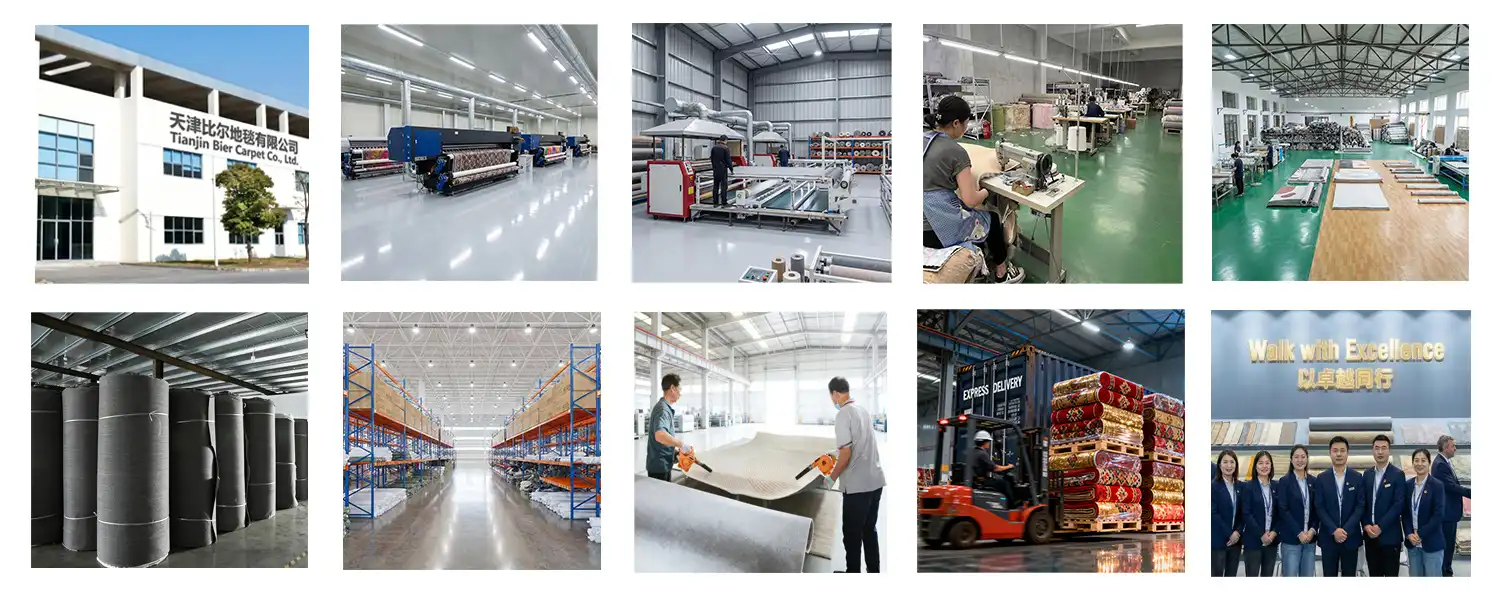
Thoroughly screening suppliers is the first step to successful procurement. How well vendors can meet project deadlines depends on how much they can make. For example, producers who can make 2,000 square meters of product every day can handle big business installs without any problems. Heat transfer printing technology makes sure that patterns are the same from batch to batch, which is important for retail groups that need their brands to be the same in all of their stores. Laser cutting is very accurate, so the sides are clean and don't break as cheaper options do.
Customization Options That Add Value
Leading suppliers offer OEM and ODM services that can be used to turn plain goods into branded assets. Corporate clients can extend their brand identity into physical spaces by customizing the size, color, and placement of the logo. Being able to make samples in 24 to 48 hours speeds up the decision-making process, which is especially helpful for event setups that need to be set up quickly or seasonal store campaigns. Minimum order amounts that are flexible can be used for both pilot projects and full-scale deployments.
International Logistics Considerations
For cross-border purchases, you need partners who know how to follow export rules and make the most of containers. Professional export-grade packing keeps goods safe while they're in transit and makes the best use of space in containers. Lead times for both full container load (FCL) and less than container load (LCL) shipping can be predicted because of established relationships with freight forwarders. Customs delays that threaten project schedules can be avoided by providing full paperwork support, such as test results and certificates of origin.
Quality Assurance Protocols
Tough inspection processes separate trustworthy suppliers from dishonest ones. Dimensional stability tests show that even after many washes, shrinking rates stay below 3%. Verification of colorfastness makes sure that designs stay bright even after being cleaned and exposed to UV light. Delamination tests prove that the bond between the pile and the backing can handle mechanical stress. When suppliers offer free repair or replacement for quality problems, it shows that they are confident in the way they make their products.
Future Trends and Market Outlook for Eco Friendly Washable Rugs in Green Buildings
Emerging Material Technologies
New developments in recycling fibers open the door to truly circular flooring products. Next-generation polyester production methods use less energy during production while still meeting the needs of commercial applications. When smart building systems are connected, predictive maintenance scheduling is possible. This will let facility managers know when cleaning cycles should happen based on how much dirt has accumulated instead of making up dates on the spot.
Regulatory Drivers Shaping Demand
Environmental laws around the world are becoming stricter, which speeds up the use of sustainable building materials. Prop 65 requirements in California and similar laws in other states make it hard to follow the rules, but low-VOC washable rugs easily meet these needs. Verified eco-friendly products are favored by procurement policies because of corporate sustainability commitments, such as net-zero pledges from Fortune 500 companies.
Market Growth Projections
The market for sustainable flooring is growing at a rate of more than 8% per year, thanks to both government pressure and real demand from people who care about the environment. Developers of commercial real estate know that green certifications bring in good renters and raise rent prices. Because of this, investments will continue to be made in environmentally friendly building materials, such as improved floor covers that can be washed.
Conclusion
Eco-friendly clean rugs like eco friendly washable rugs are becoming more popular in green building projects. This shows a big change in how site managers balance being good to the environment with being able to run their businesses. These floor coverings improve the quality of the air inside by a measurable amount, lower the cost of maintenance by a large amount, and are in line with leading sustainability certifications. When you combine high-tech materials like TPR backing with strict quality control and easy customization options, you can meet the complicated needs of business buying while also helping the environment. To have a successful application, you need to carefully choose your suppliers, pay attention to their certifications, and know that there are costs that go beyond the initial purchase price.
FAQ
How do washable rugs perform compared to traditional commercial carpeting?
Rugs that can be washed and have a TPR backing and high-density weaving last as long as or longer than regular industrial carpets. The 3mm pile height keeps the carpet from getting crushed in places with a lot of foot traffic, and machine washing restores the carpet's look better than steam cleaning. Projects say that with proper care, maintenance costs will be 40% lower and service life will be longer than five years.
What certifications should procurement teams require?
OEKO-TEX Standard 100 for chemical safety, ISO 9001 for manufacturing quality management, and REACH compliance for access to the European market are all important certifications. The CE mark proves that the product is safe and healthy, and the GRS mark proves that the product contains recycled materials. These credentials allow third-party verification, which lowers the risk of procurement.
Can these products meet LEED requirements?
Good rugs that can be washed help with a lot of different LEED credit categories, such as Indoor Environmental Quality and Materials and Resources. IEQ Credit 4.3 is helped by low VOC pollution, and MR credits are helped by recycled material and fewer upkeep chemicals. The certification process goes more quickly when suppliers provide the right paperwork.
Partner with Bier for Your Sustainable Flooring Needs
Bier is a producer with ten years of experience making rugs for the business and hospitality industries. If procurement managers are looking for a reliable source of eco friendly washable rugs, they will find a wide range of options at Bier. Our daily production capacity of 2,000 square meters makes sure that big projects are delivered on time, and our heat transfer printing technology and laser cutting precision make sure that the quality of each batch is the same. We keep our OEKO-TEX, ISO 9001, CE, and REACH standards up to date, so we can give you the paperwork you need for your green building projects. Customization of brands is possible with flexible OEM/ODM services, and samples can be made in 24 to 48 hours to help you make a choice faster. Our dedicated account managers help with everything, from the first meeting to the details of exporting. We also offer quality assurance guarantees, such as free rework for any manufacturing flaws. Find out how our washable flooring options can help you reach your environmental goals while also lowering your long-term costs. To start your consultation, email our team at sales@biercarpet.com or look at biercarpet.com for more information.
References
1. U.S. Green Building Council. (2022). LEED v4.1 Building Design and Construction Guide. Washington, DC: USGBC Press.
2. Environmental Protection Agency. (2021). Indoor Air Quality in Commercial Buildings: A Technical Guide. EPA Publication 402-F-21-001.
3. International WELL Building Institute. (2023). WELL Building Standard v2: Material Concepts and Indoor Air Quality. New York: IWBI Publications.
4. Textile Exchange. (2022). Preferred Fiber and Materials Market Report 2022: Recycled Polyester Analysis. Lamesa, TX: Textile Exchange Research Division.
5. Building Research Establishment. (2021). BREEAM International New Construction Manual: Materials Assessment Methodology. Watford, UK: BRE Global Ltd.
6. American Society for Testing and Materials. (2020). ASTM D3774-20: Standard Test Method for Dimensional Stability of Textile Floor Coverings. West Conshohocken, PA: ASTM International.
Send Inquiry

Related Industry Knowledge
- Silk Thread Rugs vs Traditional Carpets: Key Differences
- Long Corridor Carpet Provides Durable Flooring Solutions for Hospitality Projects
- What Makes Easy Care Carpet a Smart Choice for Hotel Flooring?
- High End Round Rugs Provide Custom Design Solutions for Premium Spaces
- Export Quality Faux Cashmere Rug for International Markets
- Make Christmas Meals Special with a Boho Dining Room Rug
- Eco-Friendly Rugs: How to Make Sustainable Home Choices
- How Cartoon-Inspired Rugs Became a New Interior Trend in 2026
- The Ultimate Guide to Maintaining and Caring for Your Crystal Velvet Carpet
- The Ultimate Guide to Jute-proof rug