
Silk Thread Rugs vs Traditional Carpets: Key Differences
Aug 27, 2026
When evaluating floor covering solutions for commercial or residential projects, understanding the distinction between silk thread rugs and traditional carpets proves essential for making strategic purchasing decisions. Silk thread rugs, including advanced variants like the silica thread rug, integrate innovative fiber technology with refined aesthetics, offering exceptional visual appeal and durability compared to conventional wool or synthetic carpets. Traditional carpets remain widely used due to their cost-effectiveness and versatility, yet they often lack the sophisticated design flexibility and enhanced material properties found in modern silk-based alternatives. This comparison explores material composition, performance characteristics, maintenance requirements, and procurement considerations to help buyers identify the optimal flooring solution aligned with project specifications and budget parameters.

Understanding Silk Thread Rugs and Traditional Carpets
What Defines Silk Thread Rugs?
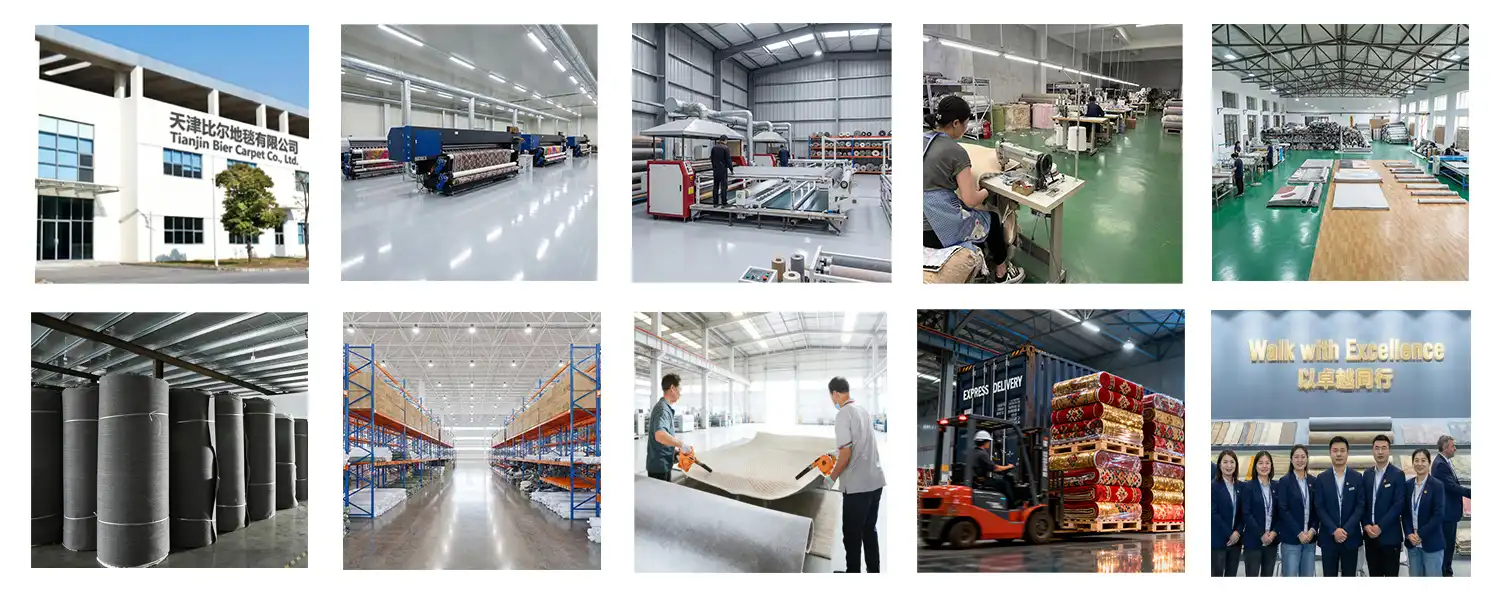
Handmade with care, silk thread rugs are floor coverings made from fine diatom silk fibers. They are often blended with wool to make them more luxurious and last longer. The top of our diatom silk carpet is made of wool-mixed diatom silk, and the back is made of cotton cloth. It's soft and gentle on the skin, and it makes any room more relaxed. These rugs have a thick layer (11 mm) and are very heavy (2300 g/m³). They can stand up to a lot of foot traffic in places like hotels, offices, shops, and other business buildings.
Traditional Carpet Materials and Construction
Production Technology and Craftsmanship
More modern techniques are used to make silk thread rugs, such as edge-locking and high-density machine weaving, which make sure the edges are clean and smooth. With heat transfer printing, the fibers lock in the bright colors, so the patterns won't fade and will look the same from one production run to the next. To get rid of burrs and fraying, high-precision laser cutting is used. This gives the material a professional finish that can be used in tough industrial settings. There are old-fashioned ways to dye and fill traditional rugs that still work, but they might not be as accurate in terms of color or size.
Key Differences Between Silk Thread Rugs and Traditional Carpets
Material Composition and Performance
What makes silk thread rugs different from other carpets is the kind of strands that are used to make them. It is better to use diatom silk mixes instead of regular wool or synthetic materials because they have a better natural shine, more tensile strength, and less wear and tear. Because silk-based rugs are backed with cotton fabric, they don't slip and stay in place on different types of floors. This makes areas with a lot of foot traffic safer. Traditional rugs often have synthetic backings, but they may wear out faster when they get wet or are squished.
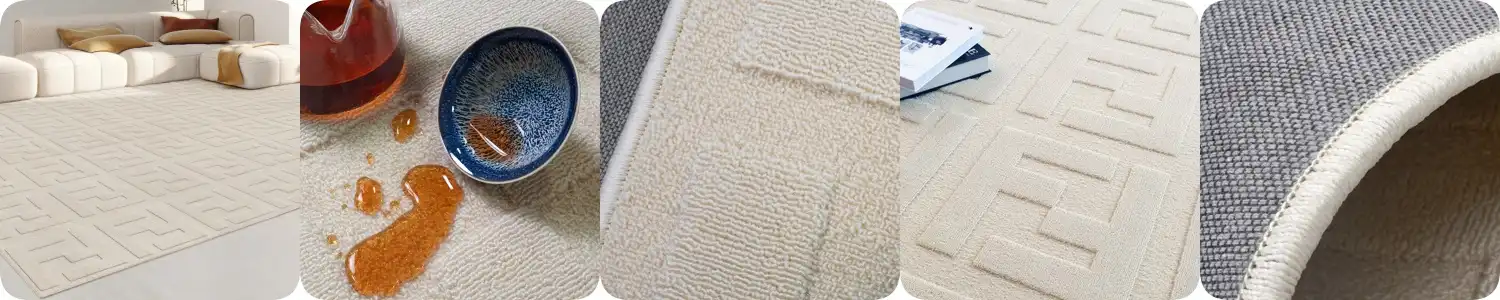
Due to its high-density looped structure, a Silica thread rug is very sturdy. This is because it spreads weight out evenly and stops the fibers from getting crushed too quickly. Because the product is made in this way, it lasts a lot longer than regular tufted rugs. This means that silk-based choices are more cost-effective over longer periods of use. Diatom silk rugs are 11 mm thick, so they offer both comfort and warmth, which helps keep business areas cool and quiet.
Design Flexibility and Customization
If you want to make your own pattern or use heat transfer printing on silk thread rugs, you can use them in more designs. Buyers can ask for basic colors, printed patterns with lots of small details, or pictures that are completely unique and fit their brand. Big projects will always look the same because the material can hold on to bright colors that won't fade. This is really important for hospital and store groups that want to keep their look uniform.
You can't really make traditional rugs stand out; the designs are all the same, and the only color and texture options are pretty basic. They're good for general jobs, but not when projects need unique graphics or exact color matching. These issues can be solved with OEM and ODM services for silk-based options. These services let customers add logos, change sizes, and make up new patterns that work for them.
Maintenance Requirements and Longevity
Usually, you need to deep clean traditional rugs more often to keep them looking good and clean, especially in places where a lot of people walk on them. They need to be replaced every so often because they get stained and worn down quickly. This makes the total cost of ownership go up over time. Other rugs, like silk-based ones, keep their shape and good looks longer, so you can use them for many years without having to do much to them. The cotton backing and non-slip surface make it even safer and more stable, which is important for businesses that want to stay out of trouble with the law.
Silk Thread Rugs vs Traditional Carpets: Procurement Considerations
Cost Analysis and Value Proposition
When buying managers choose flooring, they often look at how much it costs up front and how much it will be worth in the long run. It costs a lot to buy a silk thread rug because they are carefully made with high-tech materials and work better than other rugs. They cost more at first, but their longer life and lower maintenance needs often make up for it over five to ten years, giving projects a good total cost of ownership.
Because they are less expensive, traditional rugs are a good choice for jobs that need to be finished quickly. When business-to-business buyers of either type of product buy in bulk or with a variable minimum order quantity (MOQ), they get the best unit costs. You can make accurate budget predictions and cost-benefit studies that work with financial planning when you have clear price structures and specs.
Sourcing and Supplier Reliability
So that the carpet meets foreign standards, is supplied on time, and is of good quality, it is very important to choose a carpet manufacturer you can trust. OEKO-TEX, ISO 9001, and CE compliance are all marks that suppliers have earned to show they care about quality control and the environment. Every diatom silk carpet that comes from our plant has to go through strict 100% testing steps before it can be sent out. This makes sure that every carpet meets the standards for correct measures, color stability, and structural strength of the structure.

Containers are easier to load when goods like a Silica thread rug are packed in export-standard options like rolls, boxes, and woven bags. These options keep goods safe while they move across international lines. When relationships for cross-border logistics are strong, wait times are known, and customs clearance goes without a hitch. This makes it less likely that ships will be held up or delayed at ports. When you place a repeat order, your account manager is always there to help by offering trends and making processes better in ways that make the supply chain more stable.
Compliance and Certification Standards
Global buying teams give the most weight to rules about safety, the environment, and performance in every area. If they are made according to the REACH, OEKO-TEX, or ISO 9001 methods, silk thread mats meet strict European and North American rules about chemicals, fire safety, and the quality of the air inside. Shipments have full test reports and export paperwork. This makes going through customs easier and lowers the chance that someone will break the rules.
Many types of traditional carpets are available, each with a different level of quality and certification. It's important to do extensive research on your sources to avoid purchasing cheap carpets that could harm your project or cause legal compliance issues. Companies can protect their investments and achieve their sustainability goals by working with reputable manufacturers that offer products like Silica thread rugs and have over ten years of industry experience along with a wide range of certifications.
When to Choose Silk Thread Rugs Over Traditional Carpets?
Ideal Application Scenarios
Silk thread rugs are the best choice for places that care about how they look, how long they last, and how easy they are to clean. Dacron silk rugs are nice to look at and won't get wet, so they're great for places that serve food and drinks. They don't get dirty easily and don't need to be cleaned often. Silk-based mats are soft and comfortable, which makes them great for business places that want to show they care about their workers and are professional. They last a long time too.
Stores and show halls use silk thread rugs to promote brand identity and give customers memorable experiences because they can be made in many different ways. You can add brands, unique patterns, and exact color matches with OEM/ODM services. This makes visual marketing strategies work better together. The old-fashioned rugs are useful, but they don't generally look as good or have as much style.
Advantages and Limitations
Silk thread rugs are better than other rugs because they are softer, last longer, and let you choose from more designs. Edge-locking and high-density machine weaving give the project a clean, professional look that makes it better all around. It is possible to make long runs of complicated designs with correct colors thanks to heat transfer printing technology. This is very useful for rollouts in many places.
Decision Criteria for Procurement Teams
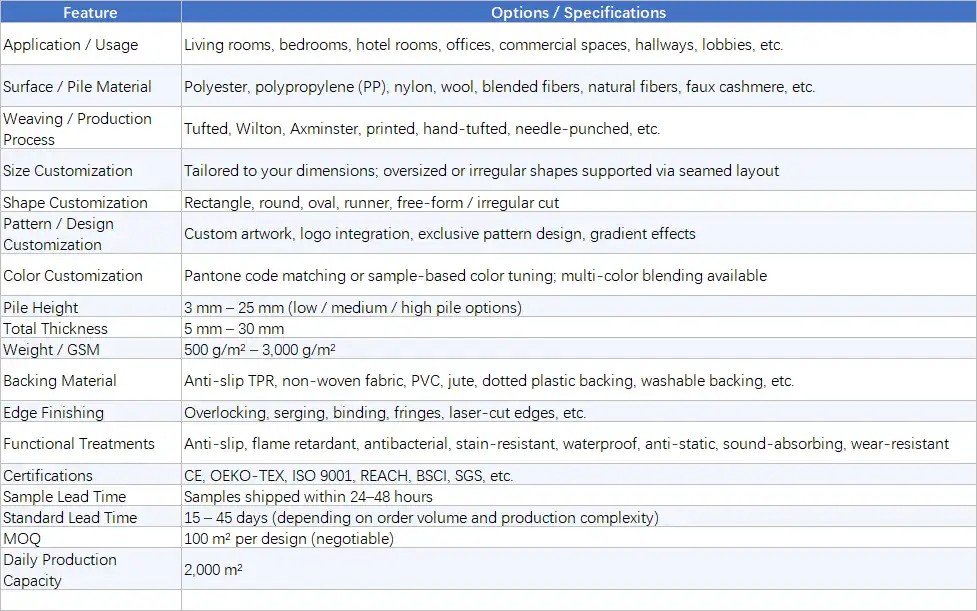
Professionals in charge of buying things should choose flooring based on the needs of the project, like how much foot traffic is expected, how much money is available for maintenance, the design goals, and how long the flooring is expected to last. It's easy to match the needs for silk thread rugs with projects that aim for aesthetic appeal, brand differentiation, and long-term value creation. If you don't have a lot of money or only need rugs for a short time, this type may work.
You can get samples quickly (within 24 to 48 hours) if you involve providers early on in the planning process. This makes it easier to accurately judge performance and get approval from stakeholders. Technical details like what the material is made of, how thick it is, how much it weighs, and any safety certifications help people make smart choices and lower the risk of buying something.
Conclusion
Before you choose between a Silica thread rug and regular carpets, you should think about how well the materials work, how they can be designed, how much maintenance they need, and how much they are worth in the long run. Silk-based choices are better in terms of how long they last, how they look, and how efficiently they work. This makes them perfect for projects that need to show off a brand and its quality. But modern silk thread rugs are better for long-term value and high-tech features. Traditional carpets can still be used in places where money is tight. When procurement teams work with certified manufacturers who offer full customization, strict quality control, and reliable logistics support, they can find flooring solutions that really help projects and give a clear return on investment.
FAQ
What are the primary benefits of silk thread rugs?
Many people like silk thread rugs because they look better, last longer because they are made of thick materials, and need less care because they don't stain or need to be cleaned as often. The diatom silk material makes the surface soft and smooth, and it stays strong even after being used a lot in business.
How does wear resistance compare between silk-based and traditional carpets?
A silk thread rug is stronger than a wool or synthetic carpet because it weighs 2300 grams per square meter and is 11 millimeters thick. The fibers don't get crushed because the carpet has a high-density tufted structure. This means it looks good and lasts longer than other types, which lowers the cost of replacement and the lifecycle.
Can I order custom designs for large-scale projects?
In fact, full OEM and ODM services let you make things with your own names, shapes, patterns, and colors. We offer flexible MOQ plans that can handle both small and large orders. We can also produce over 1,000 units per day, which makes sure that orders from many sites are met on time. It's easier to send things all over the world when the packaging is good enough for export, and the logistics networks are well-established.
Partner with Bier for Premium Silk Thread Rug Solutions
Bier has been a dependable source for Silica thread rugs for ten years. They work with business-to-business clients in the restaurant, retail, home decor, and industrial project industries. These diatom silk rugs are made with cutting-edge material science and careful craftsmanship. They meet or beat quality standards set by organizations around the world, such as CE, OEKO-TEX, ISO 9001, and REACH. The people in charge of buying things like how quickly we can make samples (within 24 to 48 hours) and how clear our order schedule is. We promise shipping times between 7 and 15 days. We can fully customize your order, which includes designing the pattern, making changes to the size, and choosing the material. We stand behind our services with a full check before shipping and customer service after the sale. To get samples and talk about your project needs, email our sales team at sales@biercarpet.com. Work with a reputable carpet maker that cares about quality, trustworthiness, and customer happiness. You can see all of our items at biercarpet.com and find flooring options that are made just for your business.
References
1. Textile Research Journal, "Comparative Analysis of Natural and Synthetic Fiber Durability in Commercial Flooring Applications," Volume 89, Issue 12, 2019.
2. International Journal of Hospitality Management, "Material Selection and Maintenance Cost Optimization in Hotel Interior Design," Volume 78, 2019.
3. Journal of Interior Design, "The Role of Floor Coverings in Commercial Space Aesthetics and Functionality," Volume 45, Issue 3, 2020.
4. Building and Environment, "Life Cycle Assessment of Floor Covering Materials: Environmental and Economic Impacts," Volume 165, 2019.
5. Facilities Management Journal, "Procurement Strategies for High-Traffic Commercial Flooring Solutions," Volume 18, Issue 4, 2020.
6. Journal of Cleaner Production, "Sustainable Material Innovation in Textile-Based Interior Products," Volume 267, 2020.
Send Inquiry
Related Industry Knowledge
- Why Are Petal Rugs Popular for Boutique Hotels and Creative Spaces?
- What Makes High Quality Persian Carpet Suitable for Luxury Projects?
- Chunky Loop Carpet Styles for Contemporary and Minimalist Spaces
- Export Quality Faux Cashmere Rug for International Markets
- What Makes Rose Flower Rug So Popular in Home Decor?
- Why Round Rugs Are the Ideal Choice for Children's Rooms
- Why Are Cute Playroom Rugs Important for Kids’ Comfort?
- Everything You Need to Know About simple rugs for living room
- Eco Friendly Japanese Print Rug for Sustainable Living Homes
- What Are Cartoon Flower Rugs and How Are They Used