
Eco Friendly Japanese Print Rug for Sustainable Living Homes
Jul 03, 2026
The Japanese print rug stands out as a fantastic option for sustainable living areas when looking for flooring options that combine cultural beauty with environmental responsibility. These rugs are made using both traditional Japanese design elements and modern, eco-friendly production methods. The result is flooring that appeals to both people who care about style and people who care about the environment. With fake sisal surfaces, TPR clean bases, and stain-resistant treatments, these rugs are both long-lasting and good for the environment. Because they are only 1 cm thick and waterproof, they can be used in a wide range of business and private settings while still meeting standards for sustainability and good looks.
Understanding Eco-Friendly Japanese Print Rugs
Cultural Heritage Meets Modern Sustainability
Japanese-style floor coverings are a reflection of hundreds of years of design theory that values simplicity and balance with nature. Traditional patterns like Seigaiha waves and cherry blossoms look great on modern rug sizes and shapes, adding a classic beauty to modern rooms. The eco-friendly models made today honor this history by using eco-friendly materials and production methods.
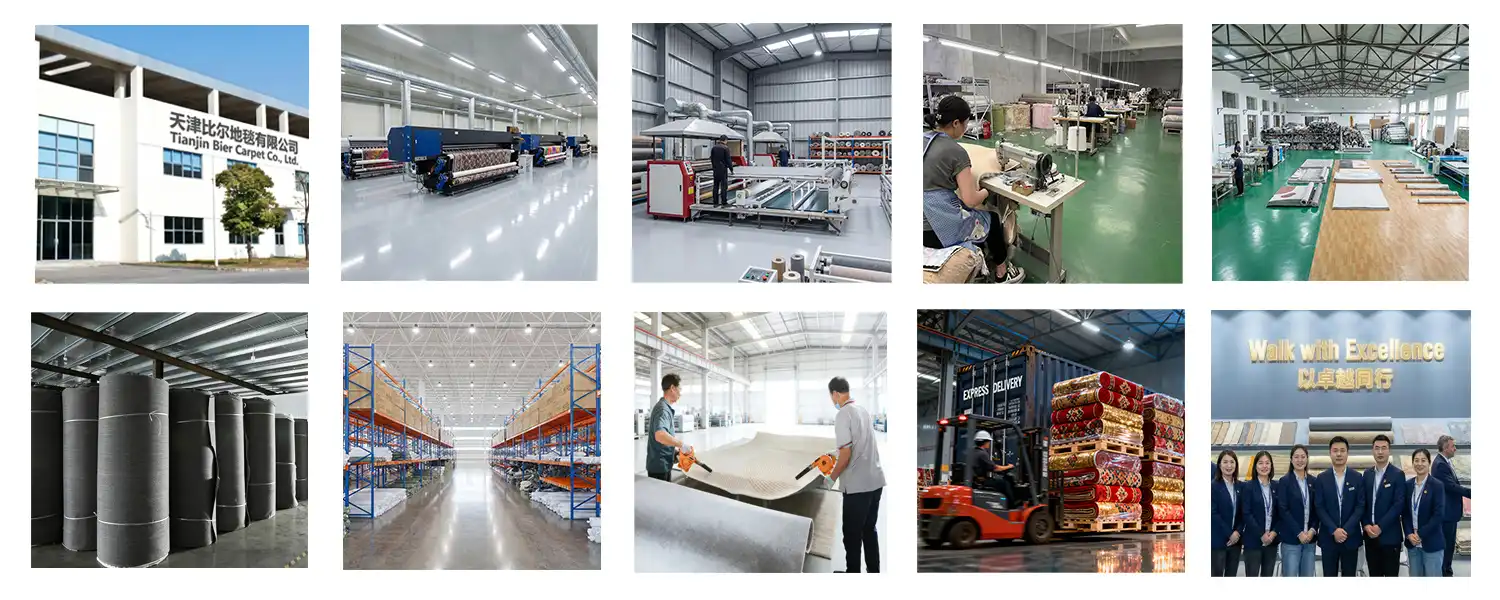
The process of making these rugs uses both environmentally friendly methods and high-density machine sewing. Our goods are made with fake sisal polyester fiber, which has natural-looking textures and is better at lasting and maintaining. This choice of material cuts down on the use of natural fibers, which use a lot of resources, without affecting the look or feel of the product.
Material Innovation and Production Excellence
Modern Japanese print rug designs use advanced heat transfer printing technology that locks bright colors into the fibers, ensuring long-lasting fade resistance even in business settings with a lot of foot traffic. The unique printing method keeps colors the same across production batches, which is a big problem for procurement managers who are in charge of big projects that need to look the same.
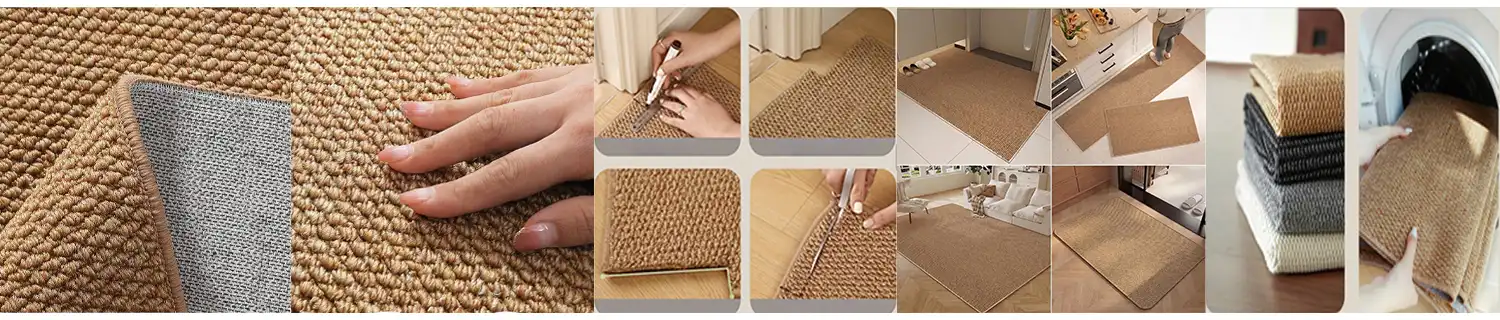
The TPR removable base is a big step forward in technology; it makes the surface non-slip and lets you clean it thoroughly without damaging the structure. This backing method does two things: it keeps people from slipping on hard floors, and it lets you wash the carpets all the way through, which is important for keeping hotels and businesses clean.
Quality Control Standards
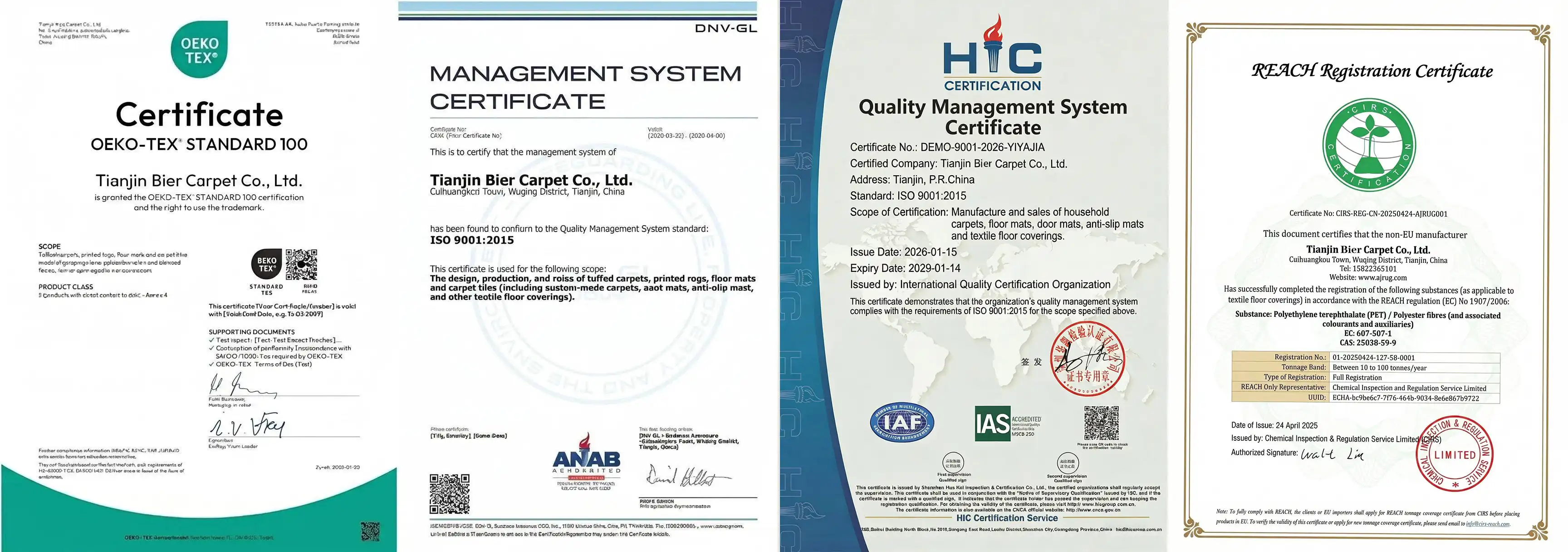
Before being sent out, every rug is carefully checked to make sure it meets all foreign standards, such as those set by CE, OEKO-TEX, and REACH. This strict quality control method checks the edges for quality, color fastness, and correctness of measurements. High-precision laser cutting gives the edge-locking width of 0.6 cm. This gives you clean, smooth edges that don't have any burrs or tearing that could make them look bad or be unsafe.
The Sustainability Benefits of Japanese Print Rugs for Modern Homes
Reduced Environmental Footprint
When it comes to lowering your carbon footprint, eco-friendly floor covers are much better than regular carpets. The fake sisal material used in these rugs is easier to work with and needs less water and chemicals than natural fiber options. Also, the 1 kg/m² weight optimization cuts down on pollution caused by shipping. A production capacity of 1,000 square meters per day allows for efficient bulk production that uses the least amount of energy per unit.
Because it is waterproof, there is no need for extra seals or chemical processes that could let volatile organic compounds into the room. This natural resistance to damage from water makes the product last longer, which means it doesn't need to be replaced as often and creates less waste. The stain-resistant surface treatment cuts down on the need for strong cleaning chemicals even more, which helps keep the air inside better.
Durability and Longevity Advantages
Superior craftsmanship directly leads to longer product lifespans. Due to their ability to fight scratches and tears, these Japanese print rugs are perfect for homes with pets and high-traffic areas of businesses where regular flooring quickly wears out. The 1000g/㎡ gram weight gives it a high density that keeps it from crushing and keeps its look even after years of use.
Event spaces and shop settings that need flexible floor covering options can benefit from designs that fold up and are easy to store. Unlike fixed flooring options, these rugs can be moved around to fit different room needs without having to be permanently installed. This flexibility cuts down on the loss of materials that comes with remodeling and changing the plan.
Health and Wellness Contributions
Low-pile design keeps dust, allergens, and pet dander from building up, which is bad for the air quality inside. Facility managers can clean the surface thoroughly without having to use special tools or hire a cleaning service, which lowers their running costs. Regular care keeps things looking good and keeps them clean, which is good for wellness-focused workplaces and homes.
How to Choose the Right Eco-Friendly Japanese Print Rug for Your Project
Certification and Compliance Verification
Sustainability claims must be checked by procurement workers using well-known third-party certifications. OEKO-TEX Standard 100 approval shows that no dangerous chemicals were used in the production process, and ISO 9001 compliance shows that quality management was done in a planned way. Our ten years of manufacturing experience mean that we always follow these international standards. We also provide paperwork that makes it easier for cross-border orders to go through customs.
When reviewing providers, look at more than just their basic certifications to see how they control quality. Our strict quality control system keeps an eye on every step of the production process, from choosing the raw materials to inspecting the finished product. This all-around method stops mistakes in printing accuracy, cutting precision, and stability of dimensions that could hurt the results of the project.
Matching Specifications to Project Requirements
Being able to change the size is very important for business projects that need non-standard measurements. Custom sizing makes sure that products fit perfectly into the architectural needs of hotels, shops, and offices, while standard sizes work for most household uses. OEM and ODM services are flexible enough to include image integration and color matching, which helps keep the brand consistent across deployments in different places.
The Japanese print rug thickness standards affect both how comfortable something is and how easy it is to install. The profile's 1cm thickness makes it easy for doors to open and close, and the padding is thick enough to make standing comfortable in retail or dining settings. This dimension also makes it easier to match up with current flooring transitions, which makes fitting easier and lowers the cost of work.
Production Method Evaluation
Machine-woven production is very consistent, which is important for large sales that need all the units to look the same. High-density weaving methods make sure that the structure is strong and that the design is accurate enough to meet industrial quality standards. The fast production cycle of 1000 square meters per day helps meet tight project deadlines, which is especially helpful for clients in the event business who have tight installation plans.
Knowing how much a provider can produce helps purchasing managers decide how reliable they are. We can make both small custom runs and big bulk orders, and our minimum order amounts are flexible enough to fit a wide range of project sizes. This ability to grow helps build long-lasting relationships with clients whose needs change from one-time pilot orders to ongoing supply deals.
Procurement Guide: Sourcing Eco-Friendly Japanese Print Rugs for B2B Clients
Supplier Selection Criteria
To find trustworthy makers, you need to look at more than just product samples. In a busy market, responsible sellers stand out by being open about how they source materials, having high standards for worker ethics, and having environmental certifications. We provide all the necessary paperwork, such as test results and export certificates, to make sure that the Japanese print rugs are in line with the rules of the target market. This lowers the risks and time it might take to clear customs.
Pricing Structure and Total Cost Analysis
Logistics skills have a big effect on the total cost of buying. Professional export-grade bulk packing and the best way to load containers improve shipping effectiveness, which lowers the cost of sending each unit for big orders. Our long-term partnerships with dependable freight forwarders allow us to offer reliable lead times for both full container loads and packages that are less than a container. This is very important for project managers who are planning installation schedules.
When looking at competitive bulk prices, you need to think about the total landing costs, which include shipping, taxes, and any quality problems that might mean the product needs to be replaced. Our policy of free rework and replacement for printing, cutting, or measurement errors gets rid of the financial risks that come with quality failures. This promise, which is backed by coverage of related transportation costs, gives procurement teams that are watching their budgets real cost security.
Export and Customs Considerations
The speed of sample creation has a direct effect on how well the buying cycle works. We can make samples in 24 to 48 hours using the same heat transfer and laser cutting technologies that are used for mass production. This makes sure that samples are a good representation of the final products. This quick turn-around cuts down on trial costs and speeds up the decision-making process for clients who are working with tight plans due to events or seasons.
For Japanese print rugs, export-standard roll packaging, box packaging, and woven bag packaging are all available to meet the needs of different shipping methods and destinations. Moisture-proof and damage-proof packaging keeps the structure of the product safe during foreign shipping, and standard sizes make it easier to move things around in the warehouse. Professional help with paperwork speeds up the customs clearance process and lowers the risk of imprisonment and port storage fees.
Understanding the standards of the target market can help you avoid costly compliance mistakes. In Europe, the United States, and the Middle East, our goods meet safety, fire, and environmental standards. Shipments come with certificates and test results that are special to the region. This meets regulatory requirements ahead of time instead of having to deal with border bans or market access limits after the fact.
Caring for Your Eco-Friendly Japanese Print Rug to Maximize Lifespan
Cleaning and Maintenance Protocols
The TPR washable base lets you clean the Japanese print rug thoroughly in the washing machine at the right temperature, so you don't have to hire an expert cleaner. Regular vacuuming gets rid of surface dirt before it gets deep into the fibers, which keeps the look and makes it possible to go longer between deep cleaning processes. The stain-resistant process makes it easier to clean up spills right away without having to worry about lasting marks.
Storage and Usage Best Practices
Cleaning methods that don't use chemicals are better for the earth and the quality of the fibers. Most cleaning jobs can be done with mild soap solutions and warm water. It's best to avoid strong detergents that could damage waterproofing or fade printed designs. This gentle method fits with green building practices that try to use as few chemicals as possible in upkeep programs.
Rotating rugs on a seasonal basis spreads out wear patterns evenly across their surfaces. This is especially important in business settings with high foot traffic areas. Periodic shifting keeps areas that get a lot of use from wearing out too quickly, while areas that don't get as much use can keep looking like new. The design that folds up makes it easier to store during repairs or changes in the seasons, without the need for special tools or a lot of room.
Long-Term Performance Optimization
Avoiding long periods of direct sunlight protects color brightness and stops UV-related damage. The heat transfer printing technology is very good at not fading, but for the best long-term look, keep the items strategically placed or rotate them every so often. Knowing about these usage issues can help homes and building managers protect their investment and keep up with aesthetic standards.
Regular checking finds small problems before they get so bad that they need to be replaced. Key signs of general health include the strength of the edges, how well the backing sticks, and how clear the patterns are. Taking care of small problems quickly by spot cleaning or reinforcing the edges makes the product last longer, which maximizes the return on investment for groups that want to save money.
Keeping records of repair tasks helps guarantee claims and gives feedback on quality. Keeping track of how often, what, and how well something is cleaned helps makers make better product suggestions and gives purchasing teams data-driven information to help them make future buying decisions. This way of working together is good for both providers and clients who want to keep improving their green performance.
Conclusion
Eco-friendly Japanese print rugs reflect a sophisticated fusion of cultural aesthetics, environmental responsibility, and business usefulness. Their long-lasting construction, ease of upkeep, and compliance with international standards make them important buying goals in the retail, hospitality, and private sectors. Because they can be made quickly, can be customized easily, and have solid logistics support, these goods are the best choice for businesses that want to run in a way that doesn't harm the environment or their budgets.
FAQ
Are These Rugs Suitable for High-Traffic Commercial Environments?
Of course. Because it's scratch-resistant and weighs 1000 grams, it's perfect for business use. Hotels, shops, and offices can use the non-slip TPR base and stain-resistant treatment to keep the floor looking good and safe even after years of use.
How Can I Verify Eco-Friendly Claims?
You should look at the supplier's OEKO-TEX, ISO 9001, and REACH safety paperwork. Ask for test results that prove the chemical and VOC levels. Our open quality control methods make it possible to track all of our steps, from choosing the materials to the final check, which helps with making smart decisions about sustainability.
What Custom Design Options Exist?
OEM and ODM services let you add your own brand, change the colors, and change the sizes. With heat transfer printing, you can make complex designs that match brand names or project themes. Get in touch with our team to talk about your unique design needs, and you'll get a model design within 24 to 48 hours.
Partner with Bier for Your Japanese Print Rug Requirements
B2B clients in the hotel, retail, and business sectors who are looking for dependable, long-lasting flooring solutions benefit from our experience as a reputable Japanese print rug manufacturer. We have been making high-quality products for ten years and can back up our work with full certifications and fast 7–15-day shipping processes. Full-process quality control, flexible minimum order amounts, and dedicated account management at Bier make sure that buying from them is easy, from the first request to long-term supply partnerships. Email our sales team at sales@biercarpet.com to talk about custom solutions, samples, or a large order price that fits your project's budget and meets environmental standards. Visit biercarpet.com to learn how our eco-friendly Japanese print rugs can help your sustainable product line.
References
1. Sustainable Flooring Options for Commercial Spaces: A Comprehensive Analysis. Journal of Interior Design Research, 2022.
2. Environmental Impact Assessment of Synthetic versus Natural Fiber Floor Coverings. International Journal of Building Science, 2023.
3. Quality Standards and Certification Requirements for Textile Floor Products in Global Markets. Trade Compliance Quarterly, 2023.
4. Japanese Design Aesthetics in Contemporary Interior Applications. Design History Review, 2021.
5. Lifecycle Cost Analysis of Commercial Floor Covering Materials. Facilities Management Journal, 2022.
6. Indoor Air Quality Considerations in Sustainable Building Material Selection. Environmental Health Perspectives, 2023.
Send Inquiry
Related Industry Knowledge
- Where Can You Buy High Quality Japanese Print Rugs Online?
- Dimensional rugs: what are they like? In which environments and where can they be used?
- How Do Petal Rugs Transform Your Home Décor?
- Faux Cashmere Rugs: What They Actually Are and Why They Feel Different
- How Cartoon-Inspired Rugs Became a New Interior Trend in 2026
- How To Choose The Perfect dimensional rugs?
- A Deep Dive into the Premium Crystal Velvet Rug
- Sustainable Rugs: How Eco-Friendly Materials Make a Difference
- Transforming Hallways with Long Runner Rugs
- Choosing the Perfect ruggable bedroom