
How To Choose The Perfect dimensional rugs?
Jun 25, 2026
To find the best dimensional rugs, you need to carefully consider the quality of the materials, the ability to make changes, and the dependability of the seller. It's important for B2B buyers who are in charge of large-scale purchases to understand the technical details, such as the pile height, backing type, output timelines, and safety certifications. In addition to looking good, you need rugs that can stand up to a lot of foot traffic and keep their look from batch to batch. To help you meet your project goals, the right provider should offer clear quality control, flexible OEM/ODM services, and quick shipping. This guide talks about the important things to think about when making decisions that affect both cost-effectiveness and long-term performance, whether you're shopping for hotels, retail chains, or e-commerce platforms.
Understanding Dimensional Rugs: Features and Benefits
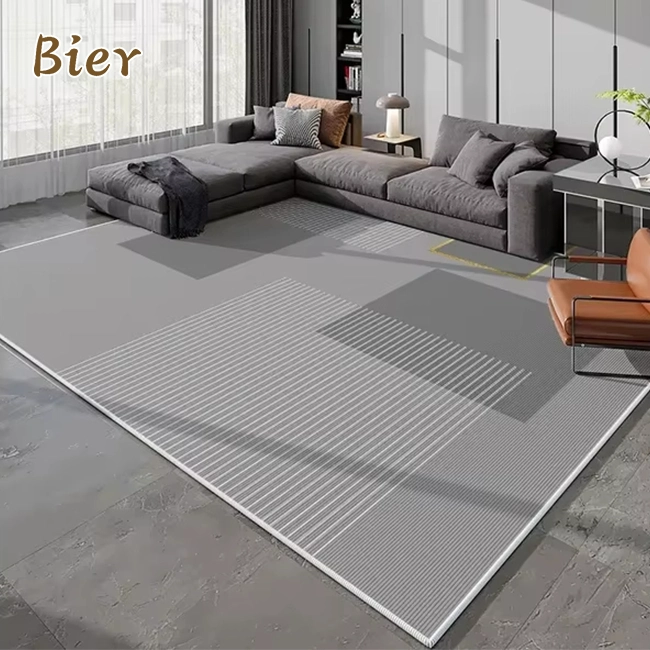
A special kind of floor covering called a dimensional rug gives the impression of depth by having uneven surfaces and patterns that are built on top of each other. In contrast to flat-weave rugs, these have different pile heights and sculpted designs that give them texture and shadow effects. The look of this building method is sophisticated, and it has useful benefits for both business and domestic uses.
What Makes Dimensional Rugs Unique
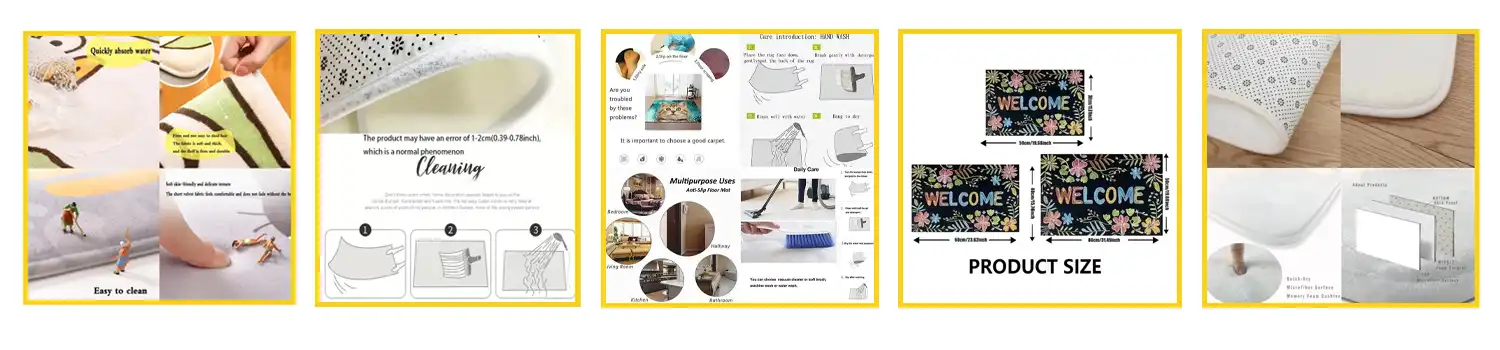
Their multi-level structure is what makes them unique. Patterns that look like they're rising from the surface are made possible by high-density tufted structures and precise manufacturing methods. Modern production methods use advanced heat transfer printing to lock bright colors into plaid polyester fibers. Laser cutting makes sure that the edges are clean and don't break. The 3 mm pile height is just the right length—short enough to keep dust from building up but thick enough to provide comfort underfoot. The total width of 6 mm and the pointed plastic backing make it stable, and the weight range of 600–800g/m² makes it long-lasting without being too bulky. For buying managers looking for solutions that will work well and last, these technology specs directly lead to better performance.
Key Benefits in Commercial Settings
When used in hospitality settings, these rugs are the best at blocking out noise, making hallways and meeting rooms quieter. The dot-shaped plastic anti-slip backing keeps the mat from moving on smooth floors, which is good for safety in areas with a lot of foot traffic. Hotels and motels like how easy it is to clean because the short pile doesn't trap dirt, and the fact that it can be washed in a machine makes care easier. Retail chains like digital printing because it makes sure that all of their sites look the same, which is good for brand stability. The fast production cycle of 1000m²/day is good for exhibition organizers because it means that event setups can be done quickly. When you combine anti-stain treatment with fade-resistant printing, the service life goes up. This has a direct effect on the total cost of ownership figures that supply chain managers care about.
Material Composition and Production Quality
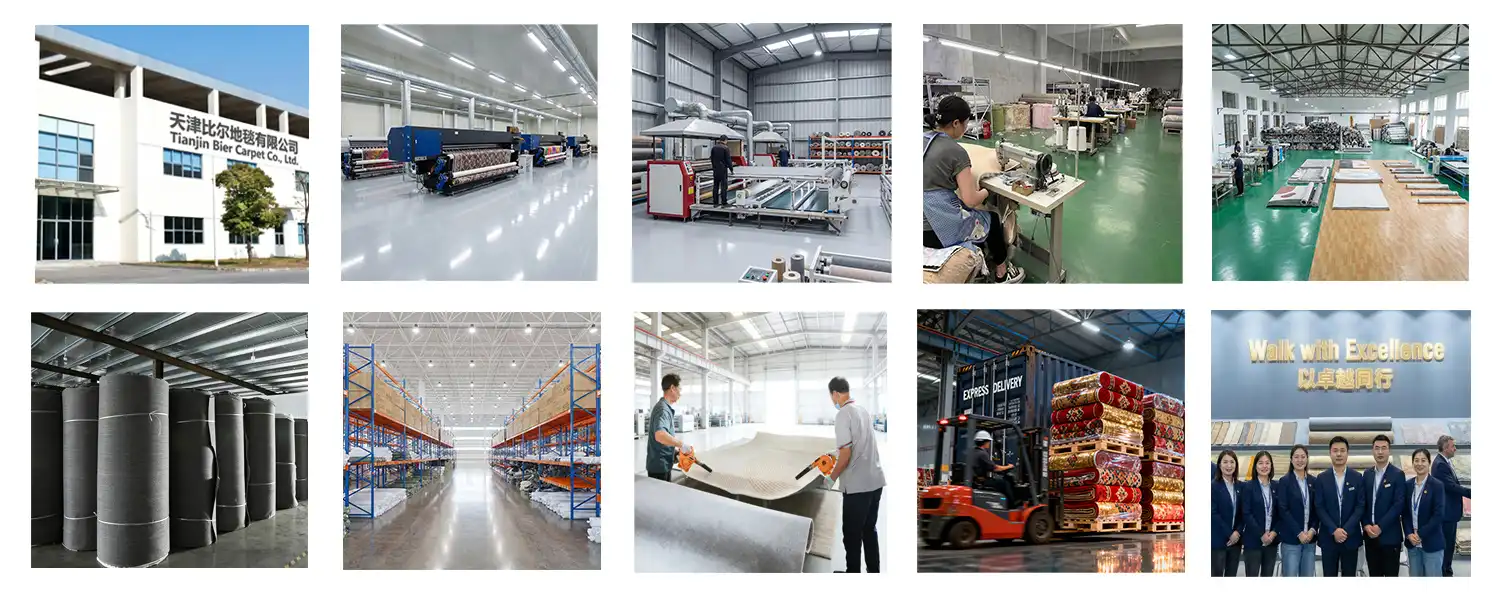
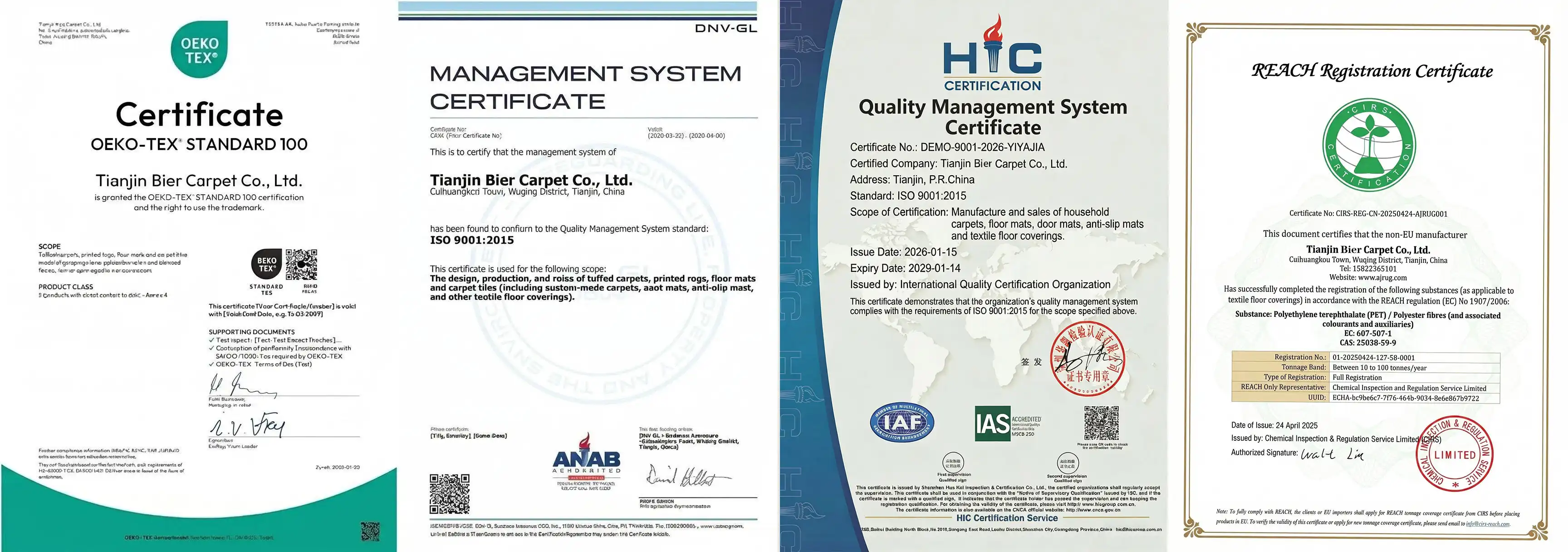
Because it is soft and resilient like cashmere, flannel polyester fiber is the most popular choice for surface materials. This man-made material doesn't soak up water as easily as natural fibers do, so mildew can't grow in damp places. The 0.6-cm lock stitch width used in high-density weave makes the structure strong enough to resist repeated foot traffic. The bottom materials are made of long-lasting dot plastic that sticks to floors but is still bendable enough to roll up for easy shipping. 100% pre-shipment inspection procedures are used in manufacturing to find problems with printing accuracy, dimensional limits, and edge finishing before the products leave the plant. These strict quality controls are in line with ISO 9001 standards and provide proof that meets the needs of controlled markets.
Critical Criteria for Selecting the Perfect Dimensional Rug
When buying from a business-to-business, you need to look at more than just how something looks. Your selection factors should take into account both the needs of the project right now and the long-term costs of running the business, and the chance to work with the seller.
Durability Assessment for High-Traffic Applications
The right rug specs are directly related to how much traffic the area gets. Commercial halls that get more than 500 foot traffic every day need high-density constructions with strengthened backing systems that are strengthened. The 800g/m² weight standard gives the material enough mass to keep the edges from rolling while still letting it be flexible during installation. Backing materials are very important. Pointed plastic has a better grip than regular rubber options, which keeps the mats from shifting and causing trip dangers. The testing procedures should check the tuft bind strength to make sure that the pile fibers stay in place even when they get worn down. To find out how much pull-resistance something has, procurement managers can ask for ASTM D1335 test data. Figuring out how rugs wear over time helps you decide when to replace them. Good dimensional rugs in areas with average traffic should keep their look for 5 to 7 years, but high-traffic types may need to be switched out every 3 to 4 years. This estimate of longevity is directly used in lifetime cost analysis, which shows that the initial investment is worth it compared to cheaper options that need to be replaced more often.
Design Flexibility and Pattern Customization
For visual unity across multiple places, patterns must be reproduced exactly. Heat transfer printing lets you make designs with any level of detail, from simple names to complicated geometric patterns, without the problems that come up with screen printing. Digital printing methods keep color accuracy across production batches, which is very important for brands that are rolling out their products in more than one place. Customization services go beyond just graphics. You can choose from standard modular sizes that make installation easier or custom designs that fit odd architectural areas. OEM features let sellers build their own product lines through private labeling. Client-supplied artwork can be added to pattern sets as long as the files meet the resolution requirements, which are usually at least 150 DPI at real size. Color matching services use Pantone sources to make sure they follow brand guidelines. Because of this, rugs can be designed in a variety of ways, turning them from simple purchases into smart brand connections that strengthen visual identity.
Material Performance Characteristics
To balance performance needs against limited budgets, you need to know about important trade-offs. Polyester flannel is very stain-resistant because the fibers are hydrophobic, which means they don't absorb liquids. This gives you time to clean up before the stain becomes permanent. The anti-stain surface process gives extra protection, but it loses some of its power after several cleaning rounds. When installing near windows, UV stability is important because fade-resistant dyes keep the color richness even when they are exposed to sunlight. Different types of fabric produce different amounts of static electricity. Polyester naturally loses its charge faster than nylon, which makes it less likely for dust to stick to it in dry places. In dining settings, flammability scores are important. Make sure that goods meet ASTM E648 standards for critical radiant flux if your area's building codes require flame-resistant flooring. Environmental concerns are becoming more important in purchasing choices. OEKO-TEX approval proves the lack of dangerous chemicals, supporting companies' efforts to be more environmentally friendly while also protecting people's health.
Matching Dimensional Rug Solutions to Procurement Needs
Effective buying matches product specs with practical needs across a wide range of buyer groups, each of which values different value ideas more highly.
Segmented User Requirements
Product development managers put a high value on new design ideas and the ability to make prototypes quickly. Sample production that can be done in 24 to 48 hours lets you quickly test an idea before committing to large sales. Purchasing directors try to get the best unit costs by using different levels of price based on volume, and they also demand reliable service that keeps projects on schedule. The 7–15 day production cycle works with tight installation plans that come up a lot during holiday store launches. Quality control experts need a lot of paperwork. 100% pre-shipment inspection reports with photos are good for keeping records that meet internal compliance standards. Project managers who are in charge of multi-phase projects like it when suppliers are clear about their daily production capacity (1000m²). This lets them plan realistic timelines. Brand managers want uniform visual output. Asking for strike-off samples from real production runs makes sure that the color accuracy meets company standards before full orders are approved.
Customization Options for Large Projects
Tiered customization helps wholesale buyers who are discussing contracts for hotel chains or store franchises. Using digital printing to add a logo makes brand parts look the same without the setup costs that come with traditional weaving. Size versatility allows for differences in building styles across places; standard sizes work for uniform spaces, while custom cutting is best for unique plans. Adding more colors to the range lets you refresh for the seasons without having to retool, since digital printing systems can quickly switch between designs. Minimum order amounts show that the seller is flexible, and batch sizes that are scaled to the needs of the project avoid the costs of keeping too much inventory on hand. OEM deals give you access to exclusive designs that are covered by usage agreements. This helps your products stand out in markets where competition is high. Documentation packages with material safety data sheets and compliance certificates make it easier for site managers and regulatory inspectors to approve installations.
Supplier Evaluation Framework
When you check out makers, you need to look at more than just price quotes. An analysis of the production infrastructure shows that there are limits on the number of lines that can be used. Suppliers with multiple lines show flexibility that lowers the risk of breakdowns. Quality management systems that are ISO 9001 certified have established process controls that make sure the result is always the same. Export knowledge is very important; manufacturers who know about foreign shipping rules can avoid delays at customs by making sure they have the right paperwork. Logistics services include optimizing packing. For example, export-grade roll packaging or box shapes make the best use of containers, which lowers the cost of freight per unit. Verifying a seller's financial stability through trade references protects against a supplier failing in the middle of a deal. Communication responsiveness during the inquiry phase is a good indicator of the quality of ongoing support. Suppliers who fully answer technical questions show knowledge that comes in handy when fixing problems. When manufacturers offer process changes based on their production experience, the chances of a long-term partnership with dimensional rugs manufacturers go up.
Step-By-Step Guide to Purchasing Dimensional Rugs Online and In Bulk
Structured purchase processes make transactions smoother and protect against the quality and delivery risks that come with buying things from other countries.
Supplier Identification and Vetting
Start by doing focused searches that include both product details and words for buying them. For example, "dimensional rugs supplier bulk orders" will focus on surface makers that sell through wholesale channels. Manufacturer websites that show how much they can make (daily output measurements, equipment descriptions) show that they are real businesses and not just trade middlemen. Ask the facility for approvals like OEKO-TEX to make sure chemicals are safe and that it meets REACH requirements for European markets. Check out the sample policies. Companies that are sure of their products' quality usually offer free samples with terms of "freight collect." Video tours of factories let you see for yourself if the production scale and cleanliness standards that affect product accuracy are really what they say they are. Customer reviews that talk about specific types of projects (like retail chains and hospitality setups) show that the experience is useful. Payment terms show how healthy a business is financially. Flexible terms like 30% deposit with balance due upon sending papers show that the business is solid, while requests for full prepayment may show that cash flow is tight.
Cost Structure Analysis
Transparency in pricing depends on clear sharing of specifics. Unit costs change based on gram weight. Because they contain more material, 800g/m² structures cost about 15–20% more than 600g/m² options. Customization fees are charged for custom sizes (usually an extra 10 to 15%) and for developing new patterns that aren't found anywhere else. Volume discounts tend to follow smooth trends. Usually, orders over 1000m² result in 8–12% price cuts compared to small batch prices. To figure out freight costs, you need to know what Incoterms mean. For example, FOB prices put the responsibility of shipping arrangements on the buyer, while CIF quotes include delivery to the target ports. Optimizing containers is important; standard 40-foot containers can hold between 1800 and 2200m², based on the way of packing used. Roll packaging achieves better density than carton packaging. The way you pay affects the price. Because wire payments have lower bank fees, they usually get better rates than letters of credit. Changes in currencies affect foreign trade. Setting exchange rates through forward contracts keeps budgets stable for orders that take longer to produce.
Order Execution and Quality Assurance
The buying process starts with specific purchase orders that list sizes, quantities, color codes, and shipping needs. To make sure that the final specs match the accepted prototypes, ask for pre-production samples that are cut from the real bulk materials. Keeping an eye on production through milestone updates (like when the materials are bought, the printing is done, and the quality check is done) lets you see how well the schedule is being followed. If your own quality teams can't visit plants, you can hire a third party to do the inspections. Companies like SGS and Bureau Veritas do the checks in person before approving the package. Look over the inspection records that show how high the piles are, how accurate the colors are, and how well the backing sticks to the carpet. To avoid problems with customs, shipping documents like business invoices, packing lists, and bills of lading must properly show what is inside the order. Use container numbers to keep track of shipments and stay in touch with freight forwarders about ship plans and expected arrival dates. When the goods are delivered, they should be inspected and compared to the specs before acceptance papers are signed, which release any outstanding payments.
Case Studies and Practical Examples of Dimensional Rug Applications
Real-life examples of execution show how decisions about specifications affect operational results in a range of business settings.
Hospitality Venue Transformation
A regional hotel company that was updating 12 properties chose dimensional rugs with designs that were custom printed to match their new brand. The 3mm pile height was just right for lobby areas and made upkeep easier than with higher pile options that were previously used. With anti-slip backing, there was no need for separate rug pads, which cut installation costs by about 18% across the board. The short production cycle of 7–15 days made it possible to roll out the product in stages that worked with the remodeling plans at each property. After 18 months of use, maintenance staff said that the rugs needed to be deep-cleaned 40% less often than earlier flat-weave rugs because the short pile and stain-resistant treatment kept dirt from getting embedded. Color consistency between batches was very important. Digital printing technology made sure that the lobby mats that were put in during phase one matched the ones that were shipped during phase three six months later. This kept the visual consistency that supported brand standards.
Retail Chain Standardization Success
A store that sells home goods and has 85 sites in North America needed carpet options that were both aesthetically pleasing and very durable. For areas with a lot of foot traffic, they asked for 800g/m² dimensional rugs with non-slip backing. Customization services gave them branded patterns that were only used in their visual marketing program. The fact that the rugs could be washed in a machine came in handy—store managers could wash them on-site during overnight shifts, saving money on outside cleaning services. The higher starting cost compared to basic door mats was cancelled out within 14 months by longer replacement rounds and the end of cleaning contracts, according to the procurement analysis. The supplier's flexible minimum order numbers let each shop restock without having to buy in bulk from one place, which made managing inventory across multiple locations easier.
E-Commerce Fulfillment Efficiency
A cross-border seller that specialized in home decor needed relationships with suppliers that would help them move their stock quickly. They chose a manufacturer that had both basic patterns and printing that could be done just the way they wanted it for each season. The 1000m³/day production ability could handle extra orders during busy buying times. When compared to their old supplier's less efficient packing methods, export-standard packaging designed for container shipping cuts per-unit freight costs by 22%. OEKO-TEX approval gave proof that a product was safe to sell on markets that care about quality. The supplier's compliance support team gave Amazon COA papers and test results that met Amazon's requirements for reviewing restricted goods. This kept the listings from being taken down. After the partnership was set up, the seller's average order cycle from buy order to warehouse acceptance went from 35 days to 21 days. This improved cash flow and cut down on stock-outs.
Conclusion
When buying dimensional rugs for a business, you need to carefully consider the technical details, the supplier's skills, and the overall cost. A good sourcing strategy strikes a balance between the needs of the current project and the benefits of a long-term relationship. It gives priority to makers that can consistently provide high-quality products, make changes as needed, and deliver on time. The qualities of plaid polyester with an anti-slip backing make it useful in business settings, and digital printing technology makes it possible to make large-scale customizations that are consistent with a brand. Procurement experts get the best results by asking for detailed paperwork, carefully screening suppliers, and setting clear rules for communication. Knowing your production limits, safety licenses, and logistics skills can help you avoid common mistakes that can delay projects or lower quality standards.
FAQ
How do I maintain dimensional rugs in high-traffic commercial spaces?
Regular vacuuming with the brush roll on removes surface debris without damaging the 3mm pile. For deeper cleaning, machine washing on gentle cycles works effectively with these constructions—the plaid polyester dries quickly, minimizing downtime. Spot-clean spills immediately using pH-neutral cleaners to maximize the anti-stain treatment's effectiveness. Rotate rugs in asymmetric traffic patterns every 6-8 months to equalize wear distribution. Professional steam cleaning annually extends service life in extreme-traffic environments.
What distinguishes dimensional rugs from standard tufted varieties?
Both are made by stitching, but dimensional rugs use different pile heights and sculptured effects to add more depth to the way they look. Standard knotted rugs have pile heights that are the same all over the surface. The three-dimensional method makes shadow patterns and different textures that make business spaces look more sophisticated. Different methods are used for production. For example, dimensional styles need precise cutting and stacked building, while traditional tufting only needs loop or cut-pile methods.
Are custom orders cost-effective for bulk purchases?
As the number of orders goes up, customization costs go down. The setup fees for digital printing are spread out over bigger orders, which lowers the cost per unit. Customization fees usually drop below 10% compared to standard designs for orders over 1000m². Brand-aligned patterns often have strategic value that supports small cost increases. This is especially true for installations that customers see and where visual character affects how people think of the brand. To make an informed choice, ask for thorough quotes that compare standard and special prices at the amounts you expect.
Partner with Bier for Your Dimensional Rug Sourcing Needs
If you're managing procurement for commercial projects, hospitality developments, or retail chains, Bier delivers the dimensional rugs manufacturing expertise your timeline demands. Our heat transfer printing technology ensures color vibrancy that withstands years of exposure, while laser cutting produces flawless edges on every piece. With 10 years of manufacturing experience and 100% pre-shipment inspection protocols, we've built our reputation on consistent quality that simplifies your supply chain management. Whether you need OEM customization for branded patterns or rapid 7–15 day delivery cycles supporting tight installation schedules, our dedicated account managers provide personalized support throughout the procurement process. Reach out to our team at sales@biercarpet.com to discuss your specific requirements and receive a detailed quotation. We serve dimensional rugs suppliers and distributors across North America with export-ready documentation, optimized container loading, and compliance support for OEKO-TEX and REACH standards. Transform your flooring procurement experience with a partner committed to your project success.
References
1. Carpet and Rug Institute, "Commercial Flooring Performance Standards and Testing Protocols," Technical Bulletin Series, 2022.
2. Morrison, Jennifer L., "Material Selection in Hospitality Design: Balancing Aesthetics and Durability," Journal of Interior Architecture, Vol. 47, No. 3, 2021, pp. 112-128.
3. International Facility Management Association, "Lifecycle Cost Analysis for Commercial Flooring Systems," IFMA Foundation Research Report, 2023.
4. Patterson, Richard and Chen, Wei, "Advances in Digital Textile Printing for Floor Coverings," Textile Research Journal, Vol. 93, No. 8, 2022, pp. 1847-1862.
5. National Floor Safety Institute, "Slip Resistance Requirements and Testing Methods for Commercial Floor Coverings," NFSI Technical Document 2021-04, 2021.
6. Global Home Textiles Market Analysis Consortium, "B2B Procurement Trends in Commercial Carpet Markets 2023-2025," Industry White Paper, 2023.
Send Inquiry

Related Industry Knowledge
- Non-Slip Silica Thread Rug for High Traffic Areas
- How To Choose The Perfect dimensional rugs?
- Washable rugs for easy hosting & clean up
- A Deep Dive into the Premium Crystal Velvet Rug
- How does the non-slip backing on flannel carpets affect floor breathability
- What is a Silica thread rug? Material, Benefits and Placement
- Export Quality Silica Thread Rug for Retail Distributors
- Wool and Silk Rugs: What the Fiber Blend Changes in Real Interiors
- Discover the Beauty and Durability of Silica thread rug
- Why Easy Care Carpet Is Perfect for Modern Living