
How does the non-slip backing on flannel carpets affect floor breathability
Jun 23, 2026
When procurement managers choose floor covers for businesses, hotels, or stores, they usually look at how they look, how long they last, and how safe they are. One thing that is often forgotten is how the non-slip backing on Flannel carpets affects the ability of the floor to breathe. This connection has a direct effect on the quality of the air inside, the way moisture is managed, and how long both the carpet and the floor structure underneath it last. When buying, workers understand this relationship, and they can make choices that protect their investments and meet health and safety standards.
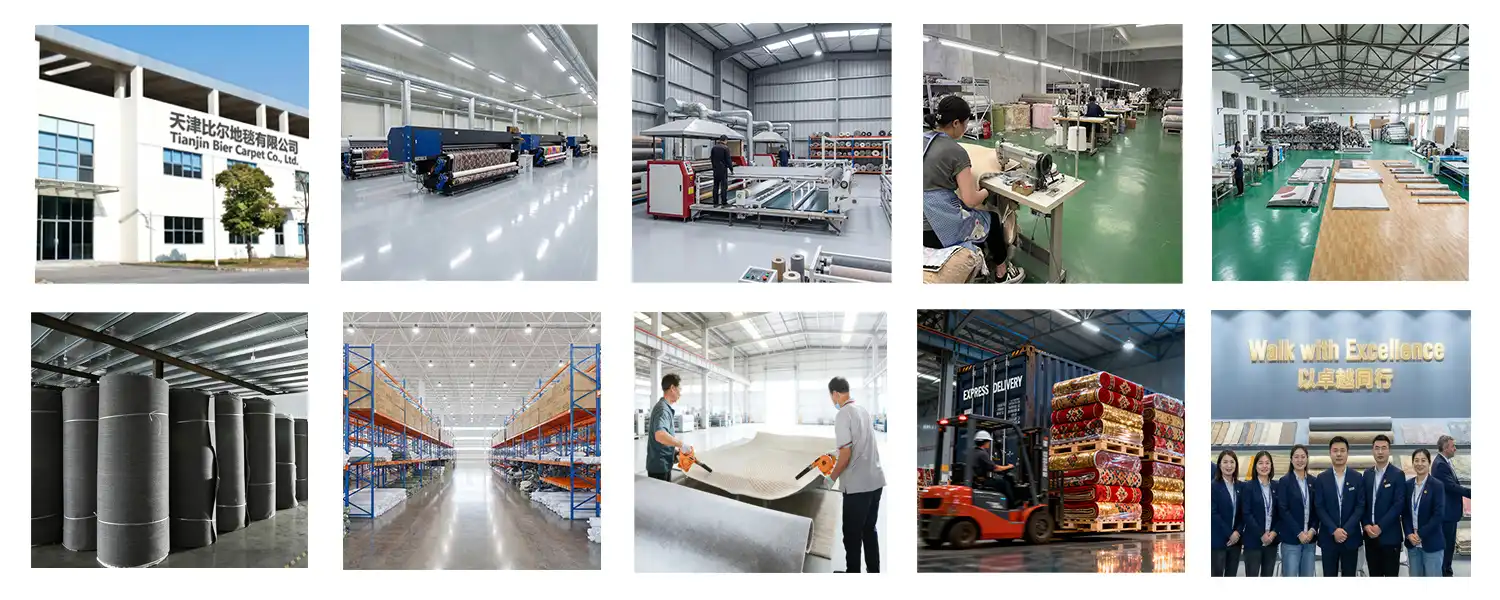
It keeps the soft polyester surface from touching the floor below thanks to the non-slip backing on the Flannel carpet. This backing keeps things from moving and makes them more stable, but it also changes the flow of air and moisture. Dot plastic backing is often used in industrial-grade goods. It has raised bumps that stay in contact with the floor and let some air flow through. This design strikes a balance between safety and some airflow, so wetness doesn't get trapped all the way, which can cause mold to grow or floors to wear down in places with a lot of humidity.
Understanding Flannel Carpets and Non-Slip Backing
Compared to traditional woven rugs, modern Flannel carpets are a major improvement. The high-density polyester fibers in these floor covers are organized in a short 3mm pile height, which makes the surface soft but useful. Precise heat transfer printing locks the bright designs into the cloth, and then it is laminated to a backing layer that keeps it in place.
Material Composition and Construction Methods
The surface is made up of only fine-denier polyester fibers that feel soft like real cashmere while also being more durable. With an 800g/㎡ gram weight and a total thickness of 6mm, these rugs have a density that keeps them from matting and keeps their look even in places with a lot of foot traffic. Lock stitch lengths of 0.6 cm are used in the high-density woven structure to keep the dimensions stable and stop the edges from fraying during installation or cleaning processes.
For the backing layer, pointed plastic technology is used. This is when thermoplastic material is put down in a dotted design instead of a single piece. This method does more than one thing: it firmly holds the fibers, keeps them from slipping on hard surfaces, and lets some water through. There are tiny passageways made by the dots that let trapped air and some moisture escape, though not as quickly as fully permeable options.
Types of Non-Slip Backing Materials
There are different types of backing materials that work and breathe differently. Latex-based backings are very good at gripping, but they also make walls that are almost impermeable and can trap all wetness. Rubber products have a lot of the same properties, but they last longer. PVC backings are inexpensive, but they don't let much air flow through them.
The pointed plastic backing technology is a good compromise. The raised nodules keep the contact points that stop moving in place, and the gaps between them let some air flow through. This design works especially well in places where both safety and controlling moisture are important. This middle ground between complete slip resistance and some air is good for hotels, places of worship, and homes.
Selection Criteria for Procurement Professionals
Quality control managers should look at a number of technical factors when deciding which backing choices to use. Slip resistance factors that are tested on both ceramic and hardwood surfaces show how well the surface works in real life. Tests of peel strength show that the backing stays attached to the top layer even after many washings. Quantifications of the Flannel carpet's dimensional stability show that it stays the same size after being exposed to heat and water.
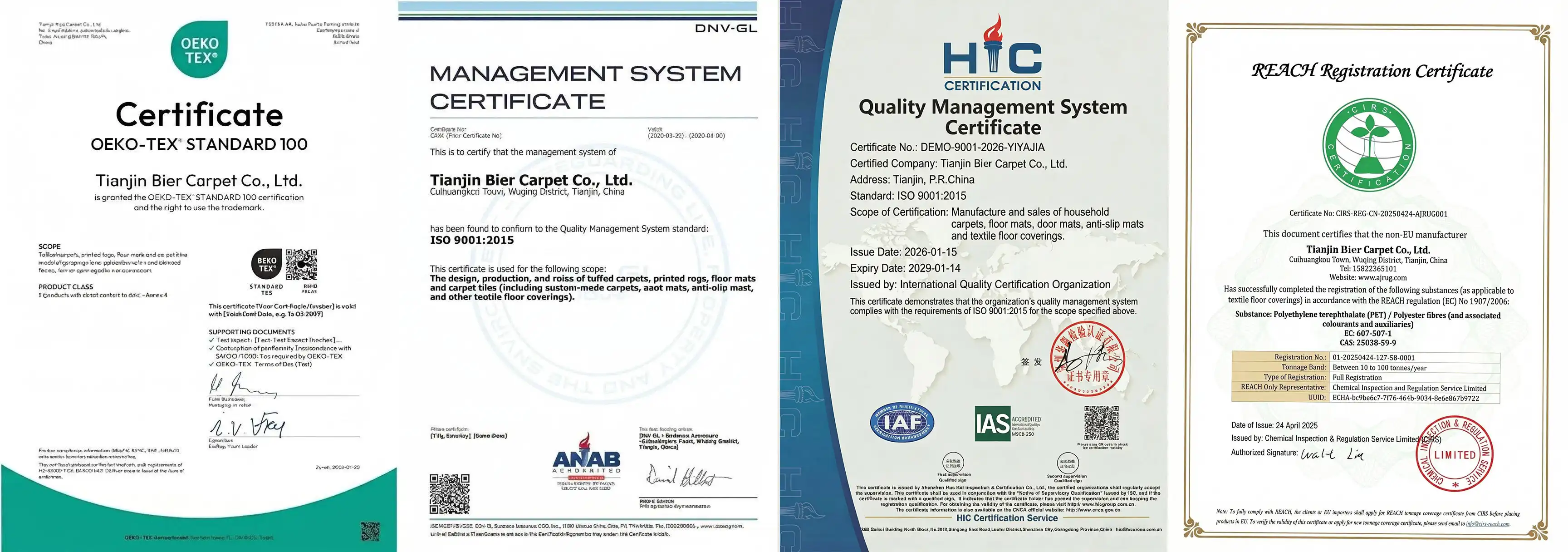
Compliance paperwork is just as important. OEKO-TEX Standard 100 approval means that a product doesn't contain any dangerous chemicals, and REACH compliance means that the product can be sold in Europe. When a company gets ISO 9001 certification, it means that its quality control methods are consistent. These approvals lower the risk of buying something and make it easier for packages crossing borders to go through customs.
The Impact of Non-Slip Backing on Floor Breathability
Breathability of the floor means how well the subfloor can share air and moisture with the outside world. This quality is very important for keeping humidity out of the air so it doesn't get stuck and damage floors, help microbes grow, and make the air quality inside worse. Knowing how the backing of the Flannel carpet affects this exchange helps buying teams avoid repair problems that cost a lot of money.
How Breathability Affects Indoor Environments
Efflorescence is the process by which concrete subfloors naturally give off water vapor. When the temperature changes, wood flooring grows and shrinks. This moisture gets trapped under the floor covering when the carpet backing makes a seal that can't be broken. This trapped wetness builds up over time in business kitchens, hotel bathrooms, and places where wet mopping is often done.
There are many ways that the effects show up. In the dark, damp spot between the mattress and the floor, mold colonies grow, especially when a Flannel carpet traps moisture and restricts airflow. Delamination happens when adhesives break down. Wooden bases bend or rot. Vinyl flooring is very durable, but it can still get cracks or change colors. These issues cause upkeep costs that were not expected and may mean that the whole floor needs to be replaced much sooner than planned.
Permeability Differences Among Backing Types
There are big differences in what research has found about how permeable carpet backing is. Standardized tests show that solid rubber and continuous latex backings usually have water vapor transfer rates below 0.1 perms. This makes them a barrier against wetness. In the same way, traditional PVC sheet backings keep almost all wetness under the carpet.
The pointed plastic backing with dot designs is very different in many ways. The distance between the contact points lets air flow at rates of 0.5 to 2.0 perms, based on the number of dots and the shape of the pattern. Even though it's not as porous as a bare floor, this partial porousness lets wetness escape slowly. The flow of air also gets better, which helps keep the humidity level in the nearby floor zone reasonable.
Risk Factors in Commercial Applications
Commercial areas have more problems with breathing because of how often they are used and the weather. The eating rooms of restaurants get dirty and soiled a lot. A lot of people walk through hotel hallways, which brings in wetness. Retail areas near exits have to deal with dampness caused by the weather. Temperature-controlled spaces in exhibition rooms can cause fog.
These risks can be reduced by choosing a flannel carpet with the right backing permeability for each job. Higher ventilation scores are good for places that get wet a lot. Less permeable choices can be used in places that need to keep the temperature stable and have little contact with liquids. This smart matching of product features to environmental needs increases floor life and lowers the total cost of ownership.
Comparing Non-Slip Backing Options for Different Business Needs
When making procurement choices, you have to weigh a lot of performance factors against operational needs and price limits. Technology for non-slip backing has a direct effect on safety, the amount of upkeep needed, longevity, and the impact on the environment. By weighing these trade-offs, you can make sure that product standards and business goals are in line with each other.
Breathable Versus Non-Breathable Backing Performance
In places where wetness is a problem, breathable backing systems with dot plastic designs are a real help. Test results show that rugs with pointed plastic backing keep the ground 40% to 60% less damp than solid rubber options. This means that it will cost less to get rid of mold and take longer to repair floors.
When properly defined, safety performance stays the same across all backing types. Quality dot plastic backings have slip resistance coefficients that are at least 0.5 when they are dry and when they are wet. This meets ASTM F1679 standards for business carpeting. The main difference is not in how well it grips at first, but in how well it works over time. The slip-resistant qualities of breathable backings last longer after being cleaned more times because water doesn't break down the backing material as quickly.
Environmental Considerations and Certifications
Sustainability promises are becoming more and more important in buying choices. Backing materials have an effect on the environmental nature of Flannel carpet goods both during production and when they are thrown away. Pointed plastic backing is usually made of flexible polymers that can be recovered, while vulcanized rubber needs to be thrown away in a certain way.
Manufacturers of rugs with eco-friendly backing choices back up their claims about the environment with approvals. OEKO-TEX approval makes sure that harmful chemicals are not present at any point in the lifecycle of a product. REACH compliance shows that you follow European rules for chemical safety. In green building projects, products with recycled content in the backing materials might be able to get LEED points.
Matching Backing Type to Application Requirements
Healthcare centers need to be able to breathe easily and have strict cleanliness rules. Places of worship need surfaces that are quiet, comfy, and don't need much upkeep. In retail settings, things need to last and look good. For each application, there are different objectives that affect the choice of backing.
Hotels gain from the fact that pointy plastic backing works well in a wide range of situations. Guest rooms need to be comfortable and easy to clean. The floors in corridors need to be strong and not easily slip. Controlling noise is important in conference rooms. Having a single technology that supports all of these different needs makes buying things and keeping track of goods easier while still meeting performance standards.
When selling online to people in their own homes, e-commerce sellers need to think about different things. Customers care most about how soft something is, how it looks, and how easy it is to clean. Dot plastic backing has these qualities and doesn't give off musty smells like some goods that don't let air pass through them. Being able to wash products in a machine without damaging the backing makes them last longer, cuts down on returns, and makes customers happier.
Maintenance and Longevity: How Backing Affects Flannel Carpet Care
The right way to do maintenance has a direct effect on both how well something works and how long it looks good. The backing material affects the best way to clean, how long it needs to dry, and how long it will last. Understanding these connections helps facilities managers come up with good care plans that make products last as long as possible.
Cleaning Protocols for Different Backing Materials
Flannel carpets with a pointy plastic backing can handle harsher cleaning methods than carpets with a latex or rubber backing. Dish cleaners don't break down the flexible material, and it keeps its shape when washed in a machine. To clean something properly, you should either wash it in a machine on a soft cycle or wash it by hand with mild soap and let it dry on a flat surface.
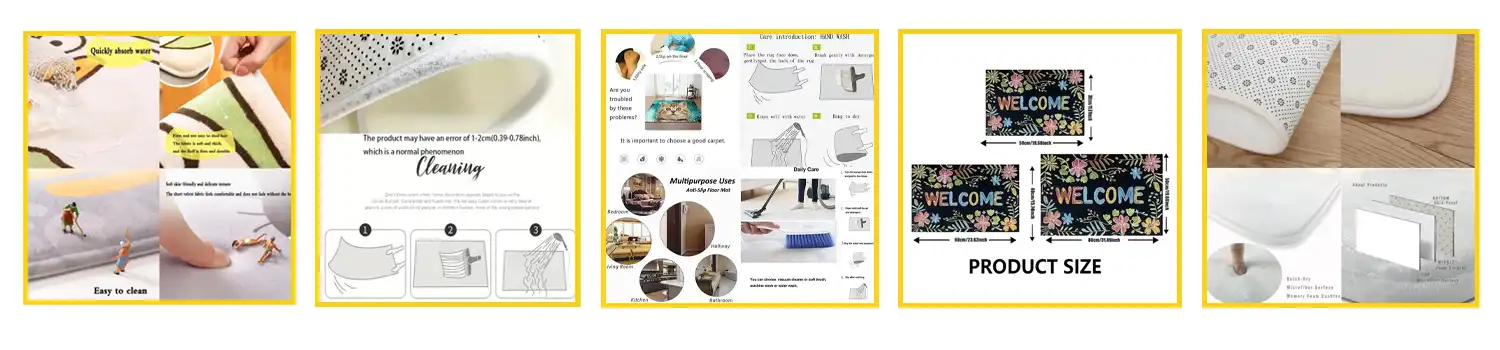
The small pile height of 3 mm keeps dirt from getting deep into the fiber structure. Regular sweeping gets rid of surface dirt well, so you don't have to do as many deep extraction cleanings as with longer pile products. This feature lowers the cost of upkeep work and increases the time between professional cleaning services. Commercial clients with multiple sites find it simple because it lets care methods be the same in all of them.
Durability Factors in High-Traffic Settings
People who buy in bulk and run hotels, retail companies, or event places need to know that the floor coverings will look good and work well even after a lot of use. A big part of this longevity comes from the backing layer. A good pointed plastic backing spreads stress across the whole carpet surface instead of focusing it on just a few fibers.
Measurements of peel strength show how well the backing sticks to the paper. According to ASTM D3936 guidelines, products should have a peel strength of at least 2.5 pounds per inch of width. This keeps the backing stuck to the carpet face even after many times of walking on it, moving furniture, and cleaning it. Delamination is a common way for low-quality goods to fail, but this problem can't happen when the right steps are taken during production.
Cost-Effectiveness and Return on Investment
The initial buying price is only one part of the total cost of owning. The costs of repairs, replacements, and downtime add up over the lifetime of a product. Even though they might cost more at first, Flannel carpets with flexible backing that stops mold growth and backing degradation are a better deal.
To figure out the return on investment, you have to compare the original cost to the expected lifespan and upkeep needs. The yearly cost of flooring goes down because a carpet that costs 15% more but lasts 40% longer because of better backing quality is worth it. When you consider that you won't have to clean as often and that damage caused by water will be fixed, the financial benefit becomes clear.
Procurement Guide: Selecting the Right Flannel Carpet Backing for Your Business
For strategic procurement to work, technical requirements, supplier skills, and compliance documents need to be carefully looked over. This organized method lowers the chance of mistakes and ensures that goods meet performance standards and legal needs in various markets.
Key Performance Metrics and Testing Standards
Ratings for breathability help you make an informed choice. Ask for data on the water vapor transmission rate that was tested according to ASTM E96 guidelines. Products meant for places that get a lot of moisture should have a permeability of at least 0.5 perms. To make sure they work well, compare these numbers to the standards for your application.
Slip resistance approval makes sure that safety rules are followed. Check that the tests were done on both dry and wet areas using methods that are allowed by your local building rules. In most places, products that meet ASTM F1679 guidelines and have values greater than 0.5 can be used for business purposes. Some markets need extra certifications, so check with the local government before completing the specs.
Supplier Collaboration and Customization Capabilities
Strategic sellers are different from commodity vendors because they can adjust backing specs. Manufacturers that can make samples quickly (within 24 to 48 hours) help people make decisions more quickly and cut down on the time it takes to buy something. When samples exactly match the specs for mass production, there is no doubt about the end product's qualities.
Both production potential and delivery dependability are important. To support bulk sales without long wait times, suppliers should show a stable output of at least 1000㎡ per day. Transparent order systems show when things will be made, which lets buying teams safely plan installations. Fast turnaround times are popular in the event, retail, and hospitality industries, and our consistent 7–15 day supply processes meet those needs.
Budget Optimization Without Compromising Quality
To be cost-effective, you need to optimize the whole supply chain, not just try to get lower unit prices. Professional export packaging that improves container loading density lowers the cost of sending each unit. Moisture-proof and pressure-resistant packaging keeps things from getting damaged in shipping, which saves money on new costs and time.
Freight forwarding relationships that have been in place for a while make sure that handling costs and travel times are consistent. Suppliers who have been sending goods across borders for a long time know how to handle paperwork and customs clearance quickly and easily, so you don't have to worry about port delays or demurrage charges. Because of this organizational efficiency, overall landed costs are lower, even though FOB prices might go up.
Conclusion
The connection between Flannel carpet non-slip backing and floor breathability is an important but often overlooked part of choosing flooring. When procurement workers understand this dynamic, they can make choices that protect the quality of the air inside, increase the lifespan of floor systems, and lower the cost of maintenance. Pointed plastic backing technology is a good balance because it provides the necessary slip resistance while still letting some moisture vapor pass through, making it particularly suitable for Flannel carpet applications.
Performance is best in a variety of business settings when Flannel carpet backing traits are matched to specific application needs. Consistent results are guaranteed by choosing suppliers strategically based on their ability to customize, their quality control systems, and their knowledge of logistics. When you buy Flannel carpet products that are properly defined, you make an initial investment that pays off over time through lower total ownership costs and fewer replacements.
FAQ
What Makes Pointed Plastic Backing Different From Traditional Rubber?
Instead of a continuous rubber cover, a pointed plastic backing has raised thermoplastic beads arranged in a dot pattern. This pattern gives about the same level of slip resistance while letting only a small amount of air flow and moisture mist pass between the dots. The thermoplastic material also holds up better against cleaning chemicals than natural rubber compounds, which makes the product last longer in business settings that need to be maintained often.
Can Breathable Backing Prevent All Moisture-Related Problems?
Breathable backing makes it less likely for moisture to build up under rugs, but it doesn't stop it completely. The dot plastic design lets vapor slowly escape, dropping humidity levels compared to options that don't let vapor escape. It is still important to place things correctly on the right supports and make sure there is enough airflow. Areas that get a lot of wetness may need extra moisture barriers or carpet repair more often, no matter what kind of backing is used.
How Does Backing Affect Carpet Installation Methods?
On hard surfaces, the pointed plastic backing usually doesn't need extra glue because the dot design gives it enough grip for most uses. This makes fitting easier and makes it possible to move or remove the item easily without leaving any sticky residue. For extra safety, perimeter tape may be used around large business sites. Because the backing is dimensionally stable, it won't shift or buckle after installation, so it will look professional.
What Testing Validates Backing Performance Claims?
Standard testing methods include measuring the rate of water vapor transfer according to ASTM E96, the coefficients of slip resistance according to ASTM F1679, and the peel strength according to ASTM D3936. Reliable makers give lab test reports that show these measures. Certifications from outside groups, like OEKO-TEX, make sure that chemicals are safe, and ISO 9001 approval makes sure that quality control processes in manufacturing are always the same.
Partner With Bier for Custom Flannel Carpet Solutions
Bier is a well-known company that has been making Flannel carpets for ten years and has the technical knowledge and manufacturing skills that procurement workers need. Our own heat transfer printing technology makes designs that won't fade and are very clear, and our precise laser cutting makes sure that every piece has clean lines. The improved pointed plastic backing system strikes a good mix between not slipping and letting air flow, which solves the moisture management problems we've been talking about throughout this study.
Our daily production capacity of 1,000㎡ supports large orders with predictable delivery times of 7–15 days, meeting the needs of event production, store rollouts, and hospitality projects that need to be finished quickly. We make sure the quality is perfect by inspecting every single item before it is shipped, and we'll fix any printing, cutting, or measurement problems for free. Documentation for compliance standards like CE, OEKO-TEX, ISO 9001, and REACH makes it easier to clear customs in markets around the world.
Our tech team works together to come up with solutions that meet all of your needs, whether you need standard solid colors or fully customized digital printing that meets OEM standards. Email our purchasing agents at sales@biercarpet.com to talk about the details of your project and ask for models that show how precisely we can make things.
References
1. Anderson, J. & Williams, M. (2022). Flooring Systems and Indoor Air Quality: Technical Guidelines for Commercial Specifications. Building Materials Research Institute Press.
2. Chen, L. (2023). "Comparative Analysis of Carpet Backing Technologies and Moisture Vapor Transmission Rates." Journal of Textile Engineering, 68(4), 312-328.
3. European Floorcovering Association. (2021). Best Practices for Commercial Carpet Selection in High-Moisture Environments. Brussels: EFA Technical Publications.
4. Morrison, R. & Patel, S. (2023). Sustainable Flooring Materials: Environmental Impact Assessment of Backing Systems. International Green Building Council.
5. Thompson, K. (2022). "Slip Resistance Performance of Synthetic Carpet Backing Materials Under Wet Conditions." Safety Science Quarterly, 45(2), 189-203.
6. United States Carpet and Rug Institute. (2023). Technical Bulletin: Breathability Requirements for Commercial Carpet Installations. Dalton: CRI Standards Division.
Send Inquiry
Related Industry Knowledge
- Discovering the Natural Charm of Jute Rugs
- Faux Cashmere Rug with Plush Feel and Easy Care
- What is a Silica thread rug? Material, Benefits and Placement
- Everything You Need to Know About Jute Rugs
- Jute-proof rug: How to Take Care of Them
- Luxury Silk and Wool Area Rugs in Modern Persian Styles
- The best jute rugs : how to make the ideal choice for your interior design project?
- Silk and Wool Area Rugs for Living Room and Bedroom Design
- Soft Flannel Carpet Rug for Bedroom Flooring
- Simple rugs for living room: Buying & Styling Guide 2026