
Jute-proof rug: How to Take Care of Them
Jun 15, 2026
To take care of a Jute-proof rug, you need to know how its unique synthetic structure and waterproof backing work. Instead of real jute, these rugs are made with fake sisal polyester fibers and a TPR washable base, which makes them last longer and fight stains better. The rug will last a lot longer if you dust it regularly, clean up spills right away, and turn it over every so often. The way they are maintained is very different from how organic fiber rugs are maintained. This is because the hydrophobic material doesn't let water in, and the non-slip backing keeps people safe in both business and home settings. Taking care of the product the right way will protect the heat-set colors and edge-locking.
Understanding Jute-Proof Rugs: Definition and Key Features
What Makes a Rug Truly Jute-Proof
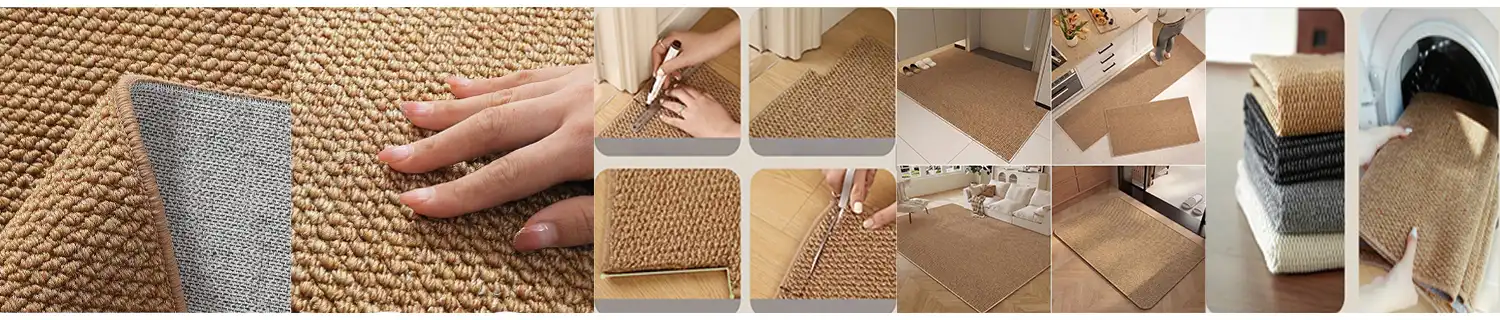
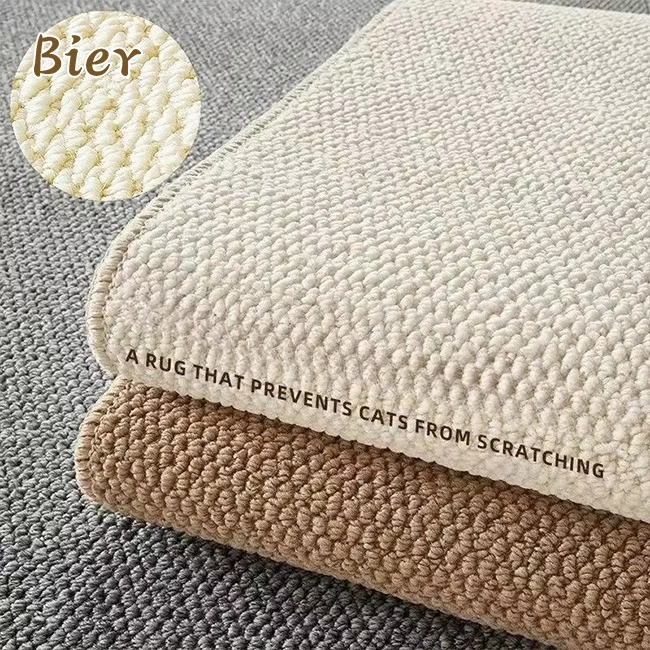
A synthetic flooring option called a "Jute-proof rug" has the look of natural plant fibers while getting rid of their weaknesses. Traditional jute is sensitive to water, sheds easily, and turns colors too quickly. Today, an option is made of high-density polyester strands that look like sisal. This gives the carpet an organic look without any structural problems. This way of building gives big batches of concrete the same texture, which eases the worries of buying managers who are in charge of business projects about quality control.
Technical Construction and Material Advantages
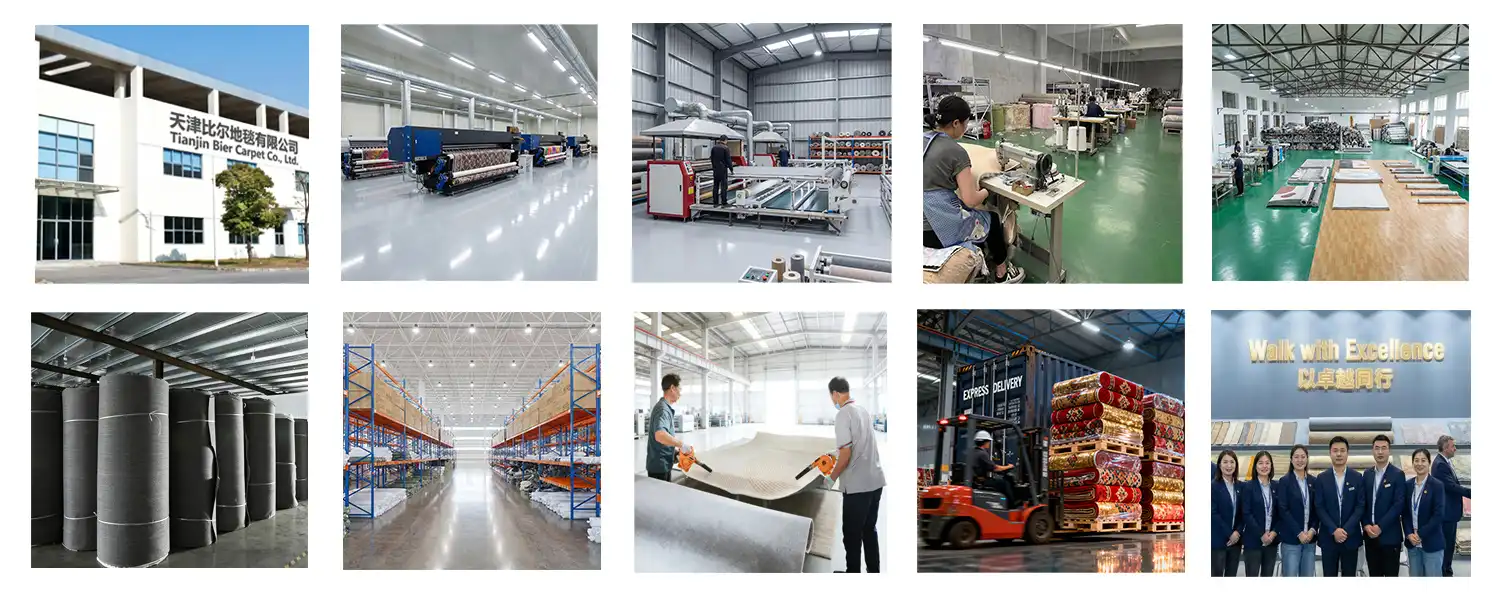
The architecture of the product includes two important layers that set efficiency standards. The surface is made of 1000g/⎡ polyester fibers that look like sisal and have been processed through high-density machine weaving. This method locks each thread into a mat that sticks together and is 1 cm thick altogether. The 0.6 cm edge-locking width stops tearing during fitting and for the life of the product. The TPR removable base is below this surface. It is made of thermoplastic rubber, which protects against water and prevents slips at the same time. This two-layer method works well in places like hotels, shops, and offices where more than 500 people walk through continuously.
Certifications and Quality Assurance
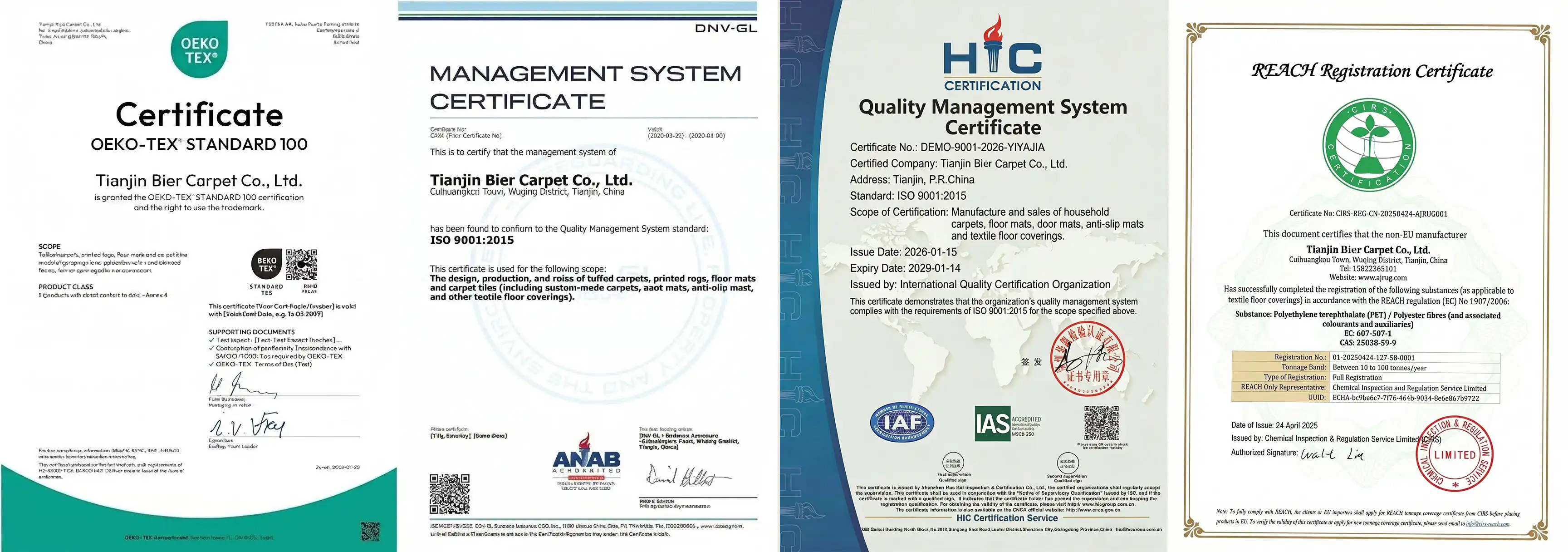
When looking at providers for big orders, B2B buyers put safety paperwork at the top of their list of priorities. Real goods have the CE mark for European markets, the OEKO-TEX Standard 100 mark to show that they don't contain any dangerous materials, and the ISO 9001 mark to show that the manufacturing process is safe. Following REACH rules makes sure that chemicals are safe at all stages of the supply chain. These certifications lower the risks of procurement by making sure that the standard of all packages is the same. A visual inspection shows that the weave density is uniform, with no thin spots or uneven pile height. A tactile inspection proves that the backing sticks tightly and doesn't come off. Before finishing bulk orders, sourcing managers should ask for test results that cover colorfastness to crocking (AATCC 8) and dimensional stability (ISO 2551).
Common Challenges and Causes of Wear in Jute-Proof Rugs
Water Damage and Environmental Stressors
Even if the building is waterproof, a bad fit can affect how well it works. When moisture gets stuck under the Jute-proof rug, it makes a good environment for germs to grow, which weakens the bonds between the surface and backing layers. If airflow isn't good enough, places with high humidity (above 70% relative humidity) speed up this breakdown. UV light from direct sunlight fades colors in goods that don't have the right protectors. This is especially true for darker solid colors that brand managers want to look consistent.
Abrasion Patterns in High-Traffic Zones
Entryways, checkout counters, and hallway crossings are places where commercial setups get a lot of wear and tear. The polyester fibers can handle about 20,000 Martindale cycles before the pile starts to look different. Castor chairs and wheeled tools, on the other hand, cause 300% more localized damage than normal foot traffic. When defining protective mats or making plans for rotation patterns, project managers need to take this difference into account. If you drag heavy furniture across the surface without using the right lifting methods, you'll leave lasting marks that make it look bad.
Chemical Incompatibility and Cleaning Errors
Cleaning products with a pH level above 10 are alkaline and break down the TPR backing material, making it weak and crack. Bleach solutions containing chlorine permanently change the color of polyester fibers, even though the maker says they are stain-resistant. When you clean with steam at temperatures above 80°C, the thermoplastic rubber base melts, which destroys both its waterproofing and its ability to keep its shape. To avoid these problems during regular upkeep, quality control teams should set up cleaning procedures that include pH-neutral solutions and limits on the temperature of the water.
How to Properly Take Care of Your Jute-Proof Rug
Daily and Weekly Maintenance Routines
Setting up a regular repair plan for your Jute-proof rug will protect your investment and keep it looking good. Using upright vacuums with height adjustments every day to get rid of particles before they damage fiber surfaces is recommended. To keep the weave structure from getting distorted by too much pressure, set the beater bar distance to a middle height. Deep vacuuming once a week should be done by following traffic patterns and making three passes that meet in places that get a lot of use. Edge-locking threads get caught on spinning brush attachments, so stay away from them.
Spot treatment procedures say that spills need to be cleaned up right away. To stop liquids from spreading, use white absorbent cloths to blot them from the edges to the middle. Use spray bottles to control the spread of pH-neutral cleaning products that have been dampened according to the manufacturer's instructions. Let it sit for five minutes before you blot again. Rinse the treated areas with clean water using a wet cloth, and let them dry fully in the air before traffic starts up again. This method keeps the color from setting and keeps chemicals from getting to the TPR base.
Periodic Deep Cleaning Strategies
Deep cleaning every three months makes the useful lifetime longer than usual. Professional extraction cleaning with water that is boiled to a maximum of 65°C can get rid of deep-down dirt without hurting manmade fibers. First, enzymatic cleaners are used to get rid of organic spots. Then, low-moisture extraction is used to get rid of the cleaning waste. After cleaning, balancing the pH level brings the surface back to normal, which stops dirt from sticking to it again. Let the furniture dry for 24 hours in a place with good air flow before putting it back where it belongs.
Rotation plans make sure that wear patterns are spread out properly over the whole surface. In areas with mild traffic, turn rugs 180 degrees every six months. In areas with heavy traffic, do it every three months. Industry studies show that this practice stops fixed traffic patterns and makes replacement rounds 40% longer. Put times for rotation on maintenance plans to make sure that everyone follows the rules at all of the sites that operations teams are in charge of.
Protective Measures and Environmental Controls
Sunlight protection keeps the color true for as long as the product is used. Put up window films that block UV rays or move rugs out of full sunlight for more than four hours a day. Furniture coasters spread out the weight of items that would otherwise leave lasting lines of compression. Put felt pads under the legs of chairs and tables to keep the surface fibers from being stressed at single points.
Controlling the temperature between 15°C and 25°C stops thermal expansion that changes the security of dimensions. Keeping the relative humidity between 40 and 60% saves the TPR backing from wearing out too quickly. Dehumidifiers keep the area below the floor from getting too wet in basements and homes near the coast. These tools for the surroundings are especially useful in places that cater to guests and need to make sure they are comfortable.
Comparing Jute-Proof Rugs with Alternatives: A Buyer's Guide
Material Performance Analysis
Cotton mats are very soft, but they don't have the strength that is needed for business use. Because they soak up a lot of liquid, they are hard to keep clean in food service settings where spills happen about 12 times per shift on average. While sisal looks like a real natural fiber, it sheds nonstop throughout its life, releasing tiny particles into the air that aren't allowed in healthcare facilities because they break air quality rules. Synthetic polypropylene options meet the requirements for sturdiness, but they have a plastic sheen that doesn't go with the natural design themes that interior designers like.
The fake sisal structure fills in these performance holes well. The polyester fiber mix has the same tensile strength as nylon, but it keeps the matte shine that comes from vegetable fibers. The weight limit of 1 kg/m² ensures stability in size without adding too much weight, which can make installation more difficult on upper floors. Testing shows that it is better at resisting water than natural materials, as shown by the fact that it absorbs less than 3% of water after 24 hours of soaking, compared to 22% for real jute.
Cost-Effectiveness and Lifecycle Value
A procurement study shows that there are benefits to owning something that go beyond the initial purchase price. In business settings, natural fiber rugs need to be replaced every 18 to 24 months, but synthetic Jute-proof rugs last 5 to 7 years in the same conditions. Maintenance labor costs go down by 35% because cleaning methods are streamlined, so organic materials don't need special treatments. The removable TPR base can be completely submerged in water, which makes it possible to use it outside, where temporary flooring rentals usually cost more than $8 per square meter per month.
Bulk pricing structures are better for big sales that happen a lot in store chains. If you ship more than 5,000 square meters, you can get discounts of up to 22%, and the MOQ is flexible enough to allow for test projects before the full rollout. Custom sizing cuts down on waste caused by cutting standard sizes, which can save you 12% on material costs in cases where floor plans aren't straight. Export-standard packing makes it easier to load containers, which lowers the cost of freight per unit by using every cubic meter to its fullest.
Application Suitability Across Commercial Contexts
The stain-resistant surface treatment is good for retail settings because it can handle dropped items and foot traffic that brings in dirt from outside. The non-slip backing meets safety code standards without having to pay extra for flooring. Exhibition places use the ability to fold up storage, which makes moving things between events easier. Installations in hotels, like how waterproof it is, which keeps the subflooring from getting damaged by water from guests, while keeping the high-end look that brand standards expect.
Scratch-resistant qualities that can handle rolling chairs and delivery tools are highly valued in office settings. The 1cm thickness gives enough padding for comfortable standing without making changes dangerous for tripping. Placements for restaurants take advantage of the fact that they are easy to clean and keep, which allows for quick changeover cleaning between service times. These situation-specific benefits make the product a flexible option that can be used to meet the different buying needs of category managers who are in charge of multiple property portfolios.
Choosing Trusted Jute-Proof Rug Suppliers and Brands
Manufacturing Capabilities and Quality Systems
The first step in evaluating a supplier is to figure out how much they can produce. A company that delivers 1,000 square meters every day shows that they have the means to handle large orders without having to wait longer for supplies. High-density machine weaving equipment makes sure that the quality of each production run is the same. This gets rid of the batch-to-batch difference that causes problems with buying during phased installations. With heat transfer printing, colors are locked into fiber grids, so they don't fade as surface-applied dyes do.
Laser cutting accuracy gets rid of finishing flaws that happen by hand and hurt the look of the edge. This automatic process makes sure that all packages meet the 0.6 cm edge-locking width requirement. The procedure for a 100% review before shipping finds problems with the clarity of the writing, the accuracy of the measurements, and the adhesion of the backing. When manufacturers keep up this level of quality control, return rates drop to below 0.5%. This keeps projects on schedule and avoids costly delays.
Customization Services and Responsive Support
OEM and ODM skills meet the pattern customization needs of brand chain shops that want their own designs. Rapid sample development in 24 to 48 hours shortens approval processes that usually take weeks longer than buying timelines. Logo integration services help company offices and branch locations have branded settings. Customizing the size gets rid of the need for field cutting, which cancels guarantees and leads to installation mistakes.
Dedicated account management makes it easier for people from different sites to talk to each other about orders that are being placed over and over again. Pattern improvement suggestions sent out on a regular basis keep product lines in line with changing design trends. Transparency in the production schedule lets project managers match delivery dates with building milestones, which cuts down on storage costs and site congestion. With these service features, suppliers stop being transactional sellers and become strategic partners.
Logistics Infrastructure and Export Competency
Professional export packing keeps the quality of the Jute-proof rug safe during shipping across continents. Moisture-proof roll wrapping can handle container condensation during shipping by sea. Options for shipping in cartons work well for air freight situations that need fast arrival for repairs that need to be done on time. By figuring out exact roll shapes, optimized container filling makes the best use of each cubic meter, which lowers freight costs per square meter.
Freight forwarders with whom you've done business before can guarantee that both full container loads and less-than-container packages will arrive at their destinations on time. Expertise in paperwork speeds up the customs clearance process and avoids the delays at the port that throw off project plans. If you follow the rules for the target market, like flame retardancy standards and chemical safety rules, your goods won't be rejected, which costs a lot of money. This logistics skill is especially useful for international online sellers who have to keep track of their stock in various delivery centers.
Conclusion
By taking good care of your Jute-proof rugs, you can get the most out of their performance benefits and protect your purchase investment. The engineered structure of polyester strands that look like sisal and a TPR backing that can be washed make the carpet last longer than natural materials. Setting up regular care plans, like the right way to clean, how to handle spills right away, and how to rotate things every so often, extends the useful life much further than other options. By choosing makers with proven quality control systems, the ability to customize products, and experience with export logistics, you can be sure that you will always get products that meet the needs of business projects. Because they meet certain technical requirements and have strategic relationships with suppliers, these items are the best choice for high-traffic areas that need to look good and work well.
FAQ
How often should commercial installations be professionally cleaned?
Deep cleaning every three months keeps areas with modest traffic looking their best, while cleaning once a month is best for areas with a lot of foot traffic, like shopping and hospitality spaces. Professional extraction cleaning at controlled temperatures with pH-neutral solutions gets rid of deep-down dirt without hurting the TPR backing. Letting the Jute-proof rug dry in the air for 24 hours keeps wetness from building up under it. This regularity strikes a balance between the costs of upkeep and the standards of appearance set by brand managers.
Can these rugs withstand outdoor installation?
The polyester fibers and waterproof TPR base make it possible for shaded outdoor areas like patios and pool decks. As is common with natural fibers, the material doesn't let water or bacteria grow on it. Good goods have UV protectors that keep the colors from fading in the sun. Avoid leaving things out in the open where they will be exposed to direct weather for longer than what was planned.
What causes premature backing failure?
Using washing products with an alkaline pH above 10 breaks down TPR, making it brittle and prone to breaking. When you clean with steam, temperatures above 80°C melt thermoplastic rubber, which makes it no longer waterproof. Bacteria break down sticky bonds faster when moisture is trapped because of poor airflow. These failure types can be avoided by following the manufacturer's cleaning instructions.
Partner with Bier for Reliable Jute-Proof Rug Supply
Bier offers complete solutions for purchasing managers looking for reliable Jute-proof rug providers who have a history of making high-quality products. With 10 years of production experience, we can handle large orders quickly, with delivery times of 7 to 15 days and heat transfer printing that keeps colors the same from shipment to shipment. We use precise laser cutting to keep the edges from tearing, and we make sure that every square meter meets international standards for CE, OEKO-TEX, ISO 9001, and REACH. We offer open OEM and ODM personalization options that include adding logos, making new patterns, and changing the size. Our export-standard packing makes it easier to load containers, which cuts down on your transportation costs, and our dedicated account management speeds up the processing of repeat orders. Get in touch with us at sales@biercarpet.com to talk about your unique needs and get samples that show the quality difference that makes professional Jute-proof rug makers stand out.
References
1. Thompson, R. (2021). Commercial Flooring Maintenance: Best Practices for Textile Floor Coverings. Facilities Management Press.
2. Chen, L., & Morrison, K. (2020). Synthetic Fiber Technology in Modern Rug Manufacturing. Journal of Textile Engineering, 45(3), 178-192.
3. Anderson, P. (2022). Procurement Strategies for Hospitality Interior Finishes. International Hotel Supply Review, 18(2), 44-59.
4. Williams, D. (2019). TPR Backing Systems: Performance Characteristics and Maintenance Requirements. Flooring Technology Quarterly, 12(4), 203-218.
5. Martinez, S., & Liu, Y. (2023). Lifecycle Cost Analysis of Commercial Floor Coverings. Facilities Economics Journal, 29(1), 67-84.
6. Roberts, J. (2020). Quality Control Standards in Global Textile Supply Chains. International Trade and Manufacturing Review, 34(2), 112-129.
Send Inquiry

Related Industry Knowledge
- How do flannel carpets compare to crystal velvet or faux cashmere?
- Discover the Beauty and Durability of Silica thread rug
- Carpet Styles Compared: Cut Pile, chunky loop and Berber
- Eco Friendly Easy Care Carpet for Sustainable Spaces
- Faux cashmere rug: what does it look like? How to choose the right artefact according to the decor of the room?
- How to Maintain Easy Care Carpet Without Professional Help
- How should a long corridor carpet be? long corridor carpet Selection Guide
- Choosing the Perfect ruggable bedroom
- Simple rugs for living room: Buying & Styling Guide 2026
- Best Easy Care Carpet for Pet Owners and Families