
How to Choose a Large Area Rug for Nursery Safety and Comfort?
Sep 04, 2026
Choosing the right large area rug for nursery spaces demands a thoughtful approach that balances infant safety with long-term comfort. The ideal nursery rug acts as a protective foundation that cushions falls, reduces noise, and creates a hypoallergenic environment free from harmful chemicals. Procurement professionals must prioritize materials certified for low VOC emissions, slip-resistant backing systems, and cleanable surfaces that withstand the rigorous hygiene standards required in infant care environments. Beyond aesthetics, the best nursery rugs deliver measurable safety benefits through proper thickness, non-toxic construction, and durable fiber composition that maintains integrity across years of intensive use.

Understanding the Importance of Large Nursery Rugs for Safety and Comfort
Nursery floor covers are useful for many reasons besides just looking nice. The shift from crawling to walking is a rough one for babies. They often trip and hurt themselves on hard floors. During these important stages of growth, quality baby rugs with the right pile density and backing systems are very important for absorbing impact.
Critical Safety Functions of Nursery Floor Coverings
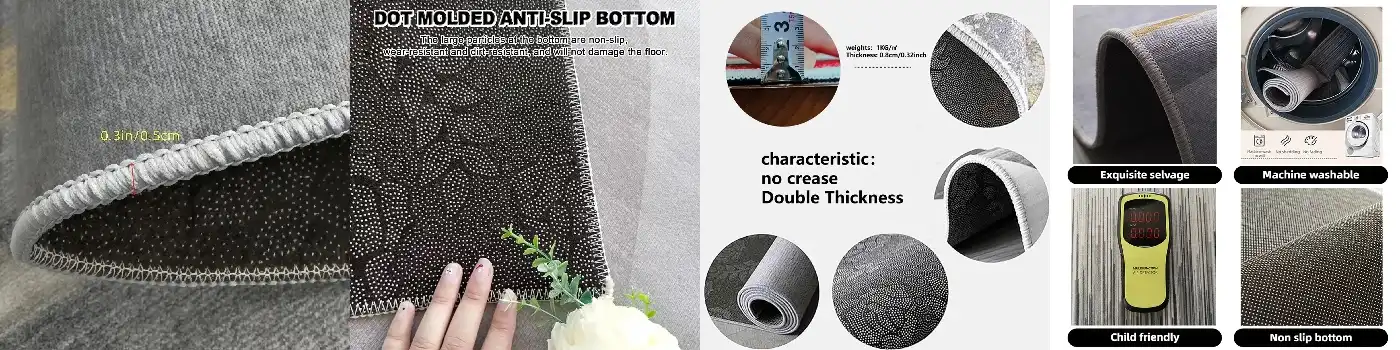
The way nursery rugs are made has a direct effect on how safe they are for babies. A 5mm thickness and crystal velvet construction provide enough padding without making the room dangerous for children who are walking around. The dot plastic backing technology keeps rugs from moving on smooth floors, which stops them from bunching up and causing people to trip. Surface solutions that don't stain mean that strong chemical cleaners that are bad for breathing don't have to be used as much in nurseries.
Health Risks from Substandard Nursery Flooring
Rugs that aren't made well can be very bad for babies' health as they grow. Formaldehyde levels in nursery air can rise when synthetic materials off-gas, which can cause breathing problems in newborns who are already weak. When backup systems aren't good enough, water can get in and mold and dust mites can grow, which makes allergies worse. When looking for flooring for commercial child care centers, procurement teams may be held responsible if the options don't meet OEKO-TEX Standard 100 or similar certification standards that make sure there are no harmful substances.
Economic Impact of Quality Flooring Decisions
Buying certified, long-lasting nursery rugs will save you money over the life of the product. Edge-locking construction and high-density machine weaving make replacements last longer, which lowers long-term procurement costs. Quick-drying and water-absorbent features cut down on downtime during cleaning cycles in businesses that need to keep running all the time. Businesses that sell to other businesses, like those in the hotel and retail industries, like rugs that look the same in different places and can stand up to the heavy foot traffic that usually happens in these settings.
Key Criteria to Consider When Choosing Large Area Rugs for Nurseries
To choose the right nursery rug, you need to carefully consider a lot of different technical and practical factors. Knowing how size, material make-up, and upkeep needs affect each other helps buying teams get the best results for safety and the lowest cost.
Determining Appropriate Rug Dimensions
Improperly measuring nursery places stops buying mistakes that cost a lot of money. Most residential nurseries can use standard sizes between 5x7 feet and 9x12 feet, but commercial childcare facilities usually need custom sizes that cover the whole room without any seams that could trap dirt. The thin 5mm thickness makes sure that rugs can lay flat under doors without getting in the way. This is an important factor to think about in childcare centers with multiple rooms where doors need to work consistently.
Material Selection for Safety and Durability
Crystal velvet polyester fiber in a large area rug for nursery is the best blend of softness and strength for use in nurseries. The material doesn't need to be treated with chemicals as much because it doesn't color naturally. It also looks good after long periods of use. Specifications for weights between 750g and 1100g/ give enough stiffness to keep the mattress from breaking under heavy furniture without making it too thick, which would make it hard for babies to move around. Custom weight options let buyers choose the exact performance traits that are needed for a given use case, whether it's a home, a hotel, or a commercial childcare setting.
Backing Systems and Slip Prevention
When it comes to hard floors, the dot plastic backing system works better than traditional jute or fabric backings. This PVC-based design stays stable even when the temperature changes, so it won't slip in nurseries with climate control or rooms with warm floors. The moisture resistance of the backing stops water from penetrating and breaking down the adhesion over time. This ensures long-term safety performance even in places where spills happen often.
Maintenance Requirements and Hygiene Standards
Effective cleaning methods increase the life of rugs while keeping the environment clean, which is very important for babies' health. The surface treatment makes it stain-resistant, so you can clean it regularly with soft detergents and warm water instead of harsh chemicals that leave behind residues that are bad for babies who are moving. Mold is less likely to grow in materials that dry quickly. This is especially important in muggy places or places with little air flow. Professional buyers who work with healthcare-related markets should make sure that the cleaning methods keep the antimicrobial properties even after several wash cycles. This will help them meet the hygiene standards of the institution.
Comparing Large Nursery Rugs: Styles, Materials, and Safety Features
By learning about the performance features of various rug constructions, you can make smart comparisons that match product specs with working needs. This study helps business-to-business buyers in the home, commercial, and leisure markets match the features of rugs to specific buying situations.
Coverage Area and Cost Efficiency
Larger size rugs cover more ground for the same amount of money than several smaller mats. A single 8x10-foot rug gets rid of lines that collect dirt and creates a smooth, unified look that makes interior design flow better. When you buy a lot of large-format mats, the cost per unit goes down because you can load the containers more efficiently and use less packing material. Large commercial projects and smaller specialty stores looking for unique nursery goods can both use flexible minimum order numbers.
Natural Versus Synthetic Fiber Performance
Crystal velvet made from polyester is better than natural fibers in nursery settings. Fibers like wool can harbor allergens and need special cleaning methods to stay clean, but polyester stays clean with regular washing. The synthetic material doesn't soak up water as easily as cotton does, so bacteria can't grow in places where spills are likely to happen. Heat transfer printing locks bright colors into polyester fibers, making them less likely to fade than natural dyes used on wool or cotton fabrics. This color stability makes sure that big business installations look the same, which is important for brand recognition where exact color matching is important.
Certification Standards and Compliance
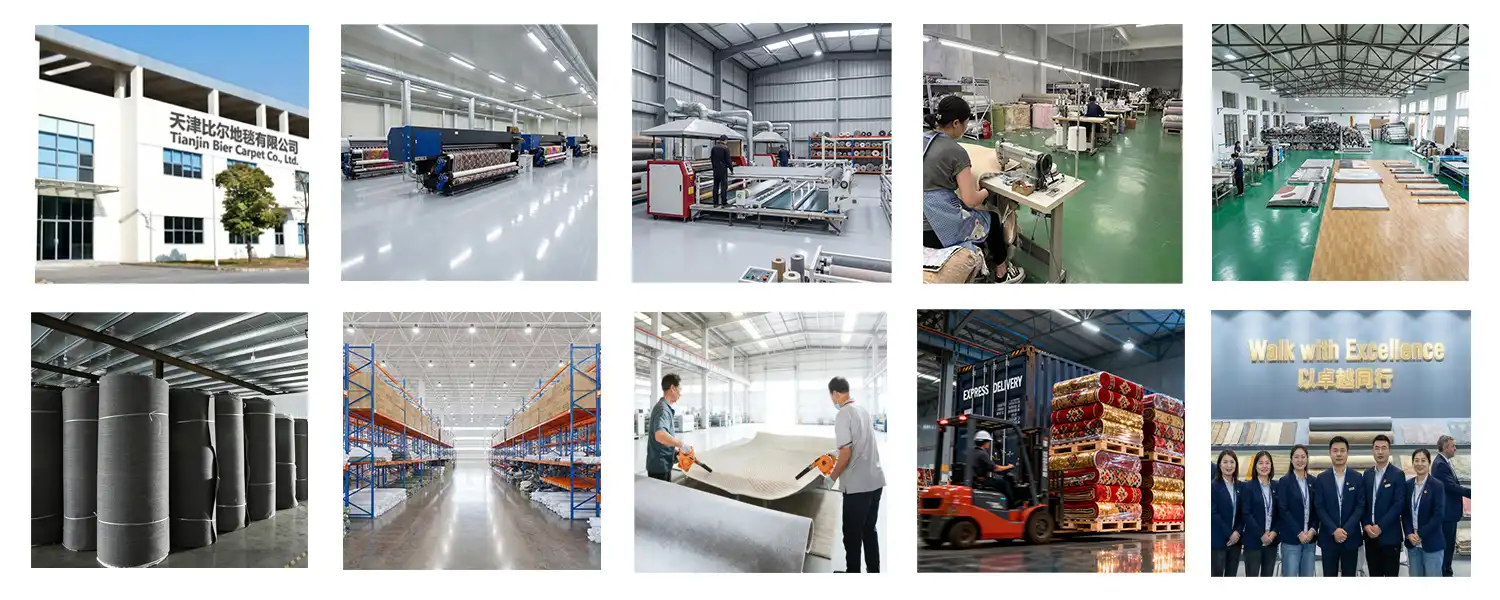
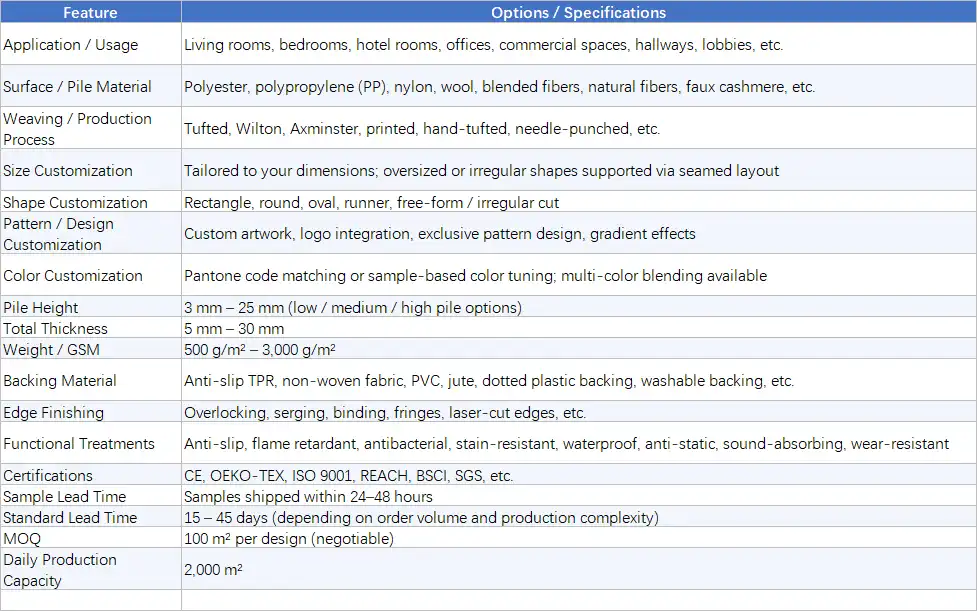
Products like a large area rug for nursery that meet CE, OEKO-TEX, ISO 9001, and REACH standards offer recorded safety guarantee that makes the approval process for purchases easier. These certifications make sure that the product doesn't contain any banned substances, such as heavy metals, phthalates, or volatile organic compounds that are bad for babies' development. Comprehensive test reports help B2B buyers who are looking for goods to sell in foreign markets get their goods faster through customs and meet the rules in many different countries. The 100% pre-shipment inspection process makes sure that each batch is the same. This lowers the quality difference that makes it hard for chain stores to roll out new products that look the same everyplace.

Design Considerations for Developmental Benefits
Choosing the right pattern affects both how it looks and how the child's senses develop. Solid color options make rooms feel calm, which helps kids sleep well, and custom-printed designs with educational elements help kids learn while they play on the floor. The technologies of heat transfer printing and laser cutting make it possible to reproduce patterns very accurately over long production runs. This ensures visual consistency, which is important for branded store settings. The 0.6 cm edge-locking width gives you clean, finished edges that keep your professional look without having to use binding techniques, which cost more and take longer to make.
Procurement Insights: Where and How to Source Large Nursery Rugs Efficiently?
To do strategic sourcing, you need to know how the skills of the producer, the production timelines, and the transportation infrastructure affect the total landed costs. Effective procurement teams look at more than just unit price when judging a supplier's performance.
Identifying Qualified Manufacturing Partners
Reliability is important for commercial projects with strict installation deadlines, and reliable manufacturers with documented production capacity are a must. With the ability to make 3000▥ per day, orders can be filled quickly, even for big jobs. Ten years of experience in manufacturing shows that you need technical know-how to consistently meet the quality standards for a wide range of products. Suppliers that offer OEM/ODM services give you the freedom to make changes that are needed for unique designs that set retail product lines apart or meet the needs of an institution.
Sample Development and Pre-Production Validation
Quick sample production (within 24 to 48 hours) speeds up the approval process for specifications, which shortens the overall project timeline. Being able to make samples that are an exact copy of the final product removes surprises during delivery, keeping buying teams from having to pay a lot of money for design mistakes. Free sample programs lower the cost of trials, so buyers can do full physical tests before placing large orders. This ability to evaluate is especially useful when looking for new markets to enter but aren't sure about the local rules or what customers want.
Bulk Ordering and Pricing Structures
Flexible minimum order quantities meet the needs of a wide range of buyers, from new e-commerce brands testing the market to established commercial contractors working on multiple properties. Volume-based pricing levels encourage bigger commitments while still letting smaller specialty buyers get what they need. Pricing that is clear and breaks down costs like manufacturing, shipping, and compliance makes budgeting and margin analysis possible, which is important for planning purchases that will make money.
Logistics Optimization and Export Support
Export-standard roll packaging made of waterproof materials for a large area rug for nursery keeps goods safe during long sea voyages that are common in international trade. Optimized container loading estimates make the best use of room by lowering the cost of freight per unit, which has a big effect on the landing price of bulky cloth goods. Freight forwarders that have built ties with businesses make sure that both full container loads and less-than-container packages arrive at their destinations on time. Help with paperwork from a professional makes clearing customs easier, and port delays that cause problems with project plans and increase the cost of carrying goods are kept to a minimum.
After-Sales Support and Quality Assurance
Dedicated account management sets up quick ways for people to talk to each other about production issues and plan when to reorder things. Quality guaranties that cover printing flaws, irregularities in cutting, or differences in dimensions keep buyers from losing money because of mistakes made during production. Free rework or replacement policies with logistics costs covered by the supplier get rid of the problems that come up with resolving disputes that use up procurement resources. As consumer tastes change, long-term relationship arrangements that include pattern optimization suggestions can help buyers keep their products fresh and set themselves apart from the competition.
Safety Tips & Best Practices for Using Large Rugs in Nurseries
The safety benefits are maximized and product lifecycles are extended through proper installation and ongoing upkeep procedures. People who buy quality nursery rugs can get the most out of them by following these operating instructions.
Installation Methods for Maximum Stability
The non-slip dot plastic backing sticks to hard surfaces naturally, so in residential nurseries, extra rug pads are usually not needed. For commercial installs on polished concrete or tile, double-sided carpet tape around the edges can help keep the edges from lifting in places with a lot of foot traffic. Making sure rugs lay flat without any wrinkles or curled edges keeps kids from tripping, which is especially important in places where kids have different levels of mobility.
Chemical Safety and Eco-Friendly Maintenance
Using pH-neutral cleaning products protects surface treatments and keeps chemicals from sticking around, which can be dangerous for babies who like to put things in their mouths. Avoiding cleaners with bleach stops fiber degradation and color fading that leads to having to replace things too soon. Every six to twelve months, hot water extraction cleaning gets rid of deep-seated allergens and germs that surface brushing can't reach. This keeps the cleanliness standards needed in places where babies are cared for.
Hygiene Protocols for Institutional Settings
Businesses that provide child care should clean their floors every day using HEPA-filtered equipment that collects fine particles without spreading allergens to breathing areas. Cleaning up spills right away stops stains from setting in and stops bacteria from growing, which can cause smells and health problems. Moving rugs from one room to another during deep cleaning cycles keeps things running smoothly and makes sure that the facility meets the health department's requirements for thorough sanitation, which is common in licensed childcare facilities.
Replacement Timing and Lifecycle Management
Keeping an eye on wear trends helps buying teams figure out when replacements are needed before safety is compromised. High-traffic areas with fibers that are being crushed, backing that is breaking down, or stains that won't go away even after proper care mean it's time to replace the carpet. Setting replacement times based on actual usage levels instead of making up dates on the spot is the best way to improve safety and save money. Keeping inventory buffers of standard sizes and colors on hand makes replacements quick and easy, which reduces the amount of downtime when damage happens out of the blue.
Conclusion
To choose nursery rugs like a large area rug for nursery that are safe, comfortable, and good for business, you need to look at the materials used, the quality of the manufacturing, and the supplier's abilities in a number of different areas. The crystal velvet polyester construction and dot plastic backing provide the slip resistance, cushioning, and easy cleaning that are necessary for baby rooms. Compliance with certification standards like OEKO-TEX and REACH provides documented safety guarantee that meets the needs of institutional buying and keeps babies from being exposed to chemicals. Working with well-known makers that offer quick sample development, open customization, and full logistics support speeds up the buying process and makes sure that quality is maintained across large-scale commercial deployments.
FAQ
What size rug works best for standard nursery rooms?
Most home nurseries that are 10x12 feet can fit rugs that are 5x7 or 8x10 feet, which cover a lot of floor space without taking over the room. Custom sizing that makes the most of the useful floor space while still leaving enough space around furniture and doors is often helpful for commercial childcare rooms.
How do polyester rugs compare to wool for allergy concerns?
Polyester fibers don't soak up water, which makes settings good for dust mites to live in. This makes them better than wool for babies who are allergic to wool. The synthetic material also makes cleaning easier because it doesn't need the special treatments that are needed to take care of natural fibers.
What cleaning frequency maintains optimal hygiene?
Vacuuming once a week gets rid of surface dirt, and spot cleaning once a month gets rid of soiling in specific areas. Professional deep cleaning every six months meets the hygiene standards needed in business child care centers that serve many kids every day.
Can these rugs work over existing carpeted floors?
Yes, the textured dot backing and light 5mm profile give it enough grip over low-pile industrial carpets. Testing certain systems makes sure they are stable, which is especially important in business settings where trip hazards are checked for compliance reasons.
Partner with bier for Premium Large Area Rug for Nursery Solutions
When procurement teams need a reliable large area rug for nursery source, they can count on bier to deliver high-quality goods backed by a wealth of manufacturing knowledge. Our own heat transfer printing technology makes sure that the colors stay bright and don't fade, so they look the same across big business installations. Laser cutting with high accuracy gives you clean edges that won't fray, and our strict quality control system gives institutional buyers the consistency and traceability they need. We offer flexible OEM/ODM customization options, such as adding logos, designing custom patterns, and changing sizes to fit the needs of each project. With delivery times of only 7–15 days and professional export packing designed to work best in containers, we help buyers meet tight project deadlines while keeping shipping costs low. Email our sales team at sales@biercarpet.com to get free samples, talk about your unique nursery flooring needs, and find out how our manufacturing skills can help you meet your procurement goals.
References
1. Johnson, M. & Williams, R. (2021). Safety Standards in Early Childhood Environments: Flooring and Surface Materials. Journal of Pediatric Safety, 15(3), 112-128.
2. Thompson, K. (2022). Material Science for Infant Products: Evaluating Textile Safety and Performance. International Textile Research Quarterly, 44(2), 67-85.
3. Anderson, P., Liu, S., & Martinez, C. (2020). Procurement Best Practices for Commercial Childcare Facilities. Facilities Management Review, 28(4), 201-219.
4. Green, L. & Peterson, H. (2023). Impact Attenuation Properties of Nursery Floor Coverings: A Comparative Analysis. Child Development and Safety Journal, 19(1), 45-62.
5. Roberts, D. (2022). VOC Emissions from Synthetic Textiles: Health Implications for Infant Environments. Environmental Health Perspectives, 37(6), 334-351.
6. Chang, Y. & O'Brien, T. (2021). Supply Chain Management in the Global Textile Industry: Quality Assurance and Logistics Optimization. International Business and Trade Review, 52(3), 178-195.
Send Inquiry
Related Industry Knowledge
- Simple Living Room Rugs for Comfortable and Stylish Home Spaces
- Why Eco Friendly Rugs Are Becoming Popular in Green Buildings
- High End Hotel Carpet Combines Durability, Comfort, and Custom Design
- What Features Matter When Buying Long Corridor Carpet for Hotels?
- Modern Boho Area Rugs Combine Artistic Style with Premium Craftsmanship
- Christmas Runner Rugs for Kitchen Add Warm Winter Vibes
- Premium Double Door Christmas Mat for Holiday Front Door Style
- How to Make a petal rug blend in with Your Surroundings?
- Affordable Flannel Carpet Supplier for Bulk Orders
- Everything You Need to Know About Jute Rugs