
How to choose a nursery rainbow rug for kids bedroom?
Sep 03, 2026
Choosing a nursery rainbow rug for a kids bedroom begins with evaluating material safety, durability, and visual appeal. The ideal rug combines soft, child-friendly textures with vibrant, fade-resistant patterns that stimulate early development while meeting stringent safety standards. Buyers should prioritize non-slip backing, stain-resistant surfaces, and certifications such as OEKO-TEX and REACH to ensure the product protects children and withstands high-traffic use. Understanding these foundational criteria helps procurement professionals, interior designers, and retailers select rugs that balance quality, compliance, and cost-efficiency for commercial nurseries, daycare centers, and residential projects.
Understanding Nursery Rainbow Rugs: Key Features and Benefits
Rainbow rugs for nurseries are special kinds of flooring that are made to make kids' rooms look better and work better. These bright textiles are good for you because they keep you cool, block out noise, and protect surfaces. They also stimulate your eyes, which is good for brain development. Recognizing the technical benefits of these rugs is important for buying managers and product development teams to make sure they meet project needs and meet end-user standards.
Visual and Developmental Advantages
Rainbow-colored rugs add colorful patterns to early childhood settings that help kids learn to recognize colors and understand where things they are in the room are. The bright spectrum naturally divides play areas into visual zones that encourage both group activities and learning on your own. Studies have shown that intentionally combining colors in a space makes it easier to focus and lessens the effects of too much excitement compared to plain spaces. Professional-grade rainbow rugs use heat transfer printing, which locks pigments into polyester fibers. This makes sure that all production runs have the same color precision. This level of precision in manufacturing is necessary for retail chains and hospitality projects that need to look consistent with their brand and keep their colors stable over time.
Material Composition and Safety Credentials
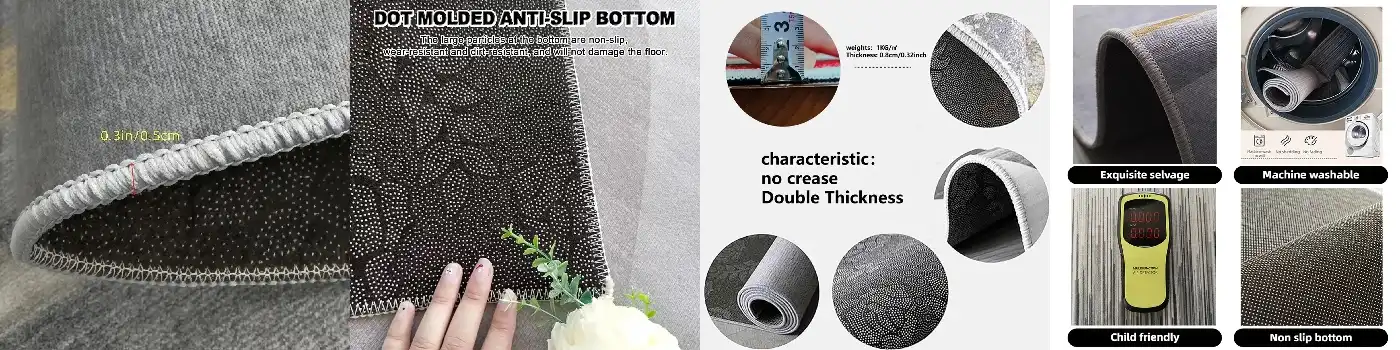
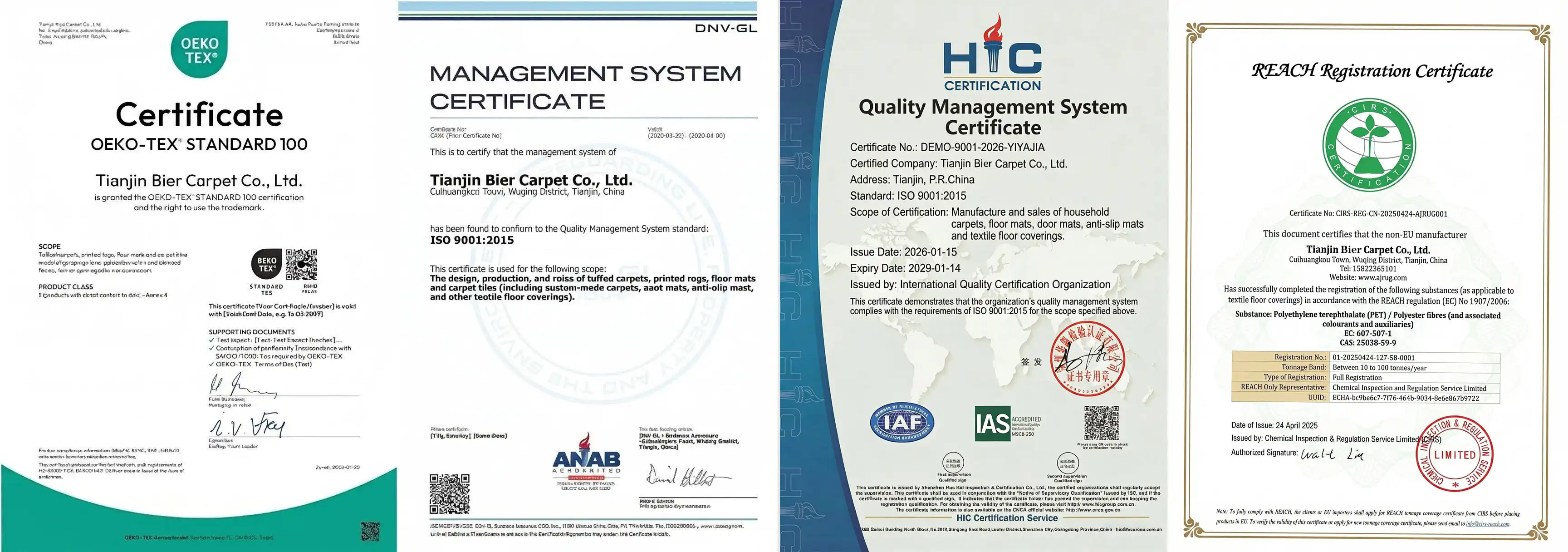
High-performance kids' bedroom rugs have crystal velvet surfaces made from polyester fibers, which are soft and safe for babies and toddlers' skin. The hypoallergenic features of the material reduce lung allergens, which eases worries about the quality of the air inside childcare centers. A dot plastic backing, usually made of PVC, makes tile, hardwood, and concrete floors non-slip, which lowers the risk of falling while playing. Quality goods stay at a 5 mm thickness, which is the right amount of thickness for padding and door clearance. This keeps operations running smoothly in both home and business settings. Following the rules set by CE, OEKO-TEX, ISO 9001, and REACH guaranties that materials are free of lead, phthalates, and formaldehyde. This means that they meet the requirements of the Consumer Product Safety Improvement Act, which is a must for entering the U.S. market.
Functional Benefits for Commercial and Residential Applications
In addition to looking nice, these rugs have measurable performance benefits. Having thermal insulation helps keep the floor at a livable temperature. This is especially important for classrooms on the ground floor and rooms with concrete subfloors. Acoustic filtering lowers background noise by about 30 decibels, making rooms quieter, better for sleeping and doing focused work. Surface treatments that don't stain make care easier because staff can clean up spills quickly without having to use special tools. Because they soak up water but dry quickly, these rugs are good for areas where kids are potty-training or having snacks where they will be exposed to water often. Rainbow rugs are useful because they are safe, comfortable, and easy to clean. They can be used in home decor stores, hotel kids' rooms, office waiting rooms, and store play areas.
Key Selection Criteria for Nursery Rainbow Rugs
To choose the best nursery rainbow rug, you need to carefully look at its technical specs, how it will be used, and the supplier's abilities. A structured screening method that compares material performance, customization options, and compliance documentation to project budgets and timelines is helpful for people making decisions.
Assessing Material Quality and Construction Standards
The longevity and comfort of a fabric are directly related to its density and pile height. Professional-grade rugs have gram weights between 750g and 1100g per square meter. Denser rugs are better for high-traffic commercial settings because they are less likely to get crushed. High-density machine weaving with 0.6 cm edge-locking lengths stops tearing and edge curl, which are common problems with lower-quality goods. Buyers should make sure that suppliers test the tuft bind strength according to ASTM D1335 standards to make sure that fibers don't pull apart, which is a safety issue when toddlers play on textile surfaces. Laser cutting makes edges that are smooth, clean, and free of burrs. This improves the look of the finished product and gets rid of loose threads that can choke someone.
Evaluating Safety Certifications and Regulatory Compliance
Purchasing teams that are in charge of projects with multiple locations or international shipping must make sure that the products they buy have the right safety certifications. Greenguard Gold approval means that the emissions of volatile organic compounds are low, which is good for protecting lung health in nurseries. Flame retardancy testing (CFR 1630) shows that materials put out fires on their own instead of spreading them, which is a very important requirement for business childcare licenses. Colorfastness to light tests (AATCC 16.3) confirms that rainbow patterns keep their vibrancy in both natural and artificial lighting, avoiding early damage to the pattern's appearance that would require replacement. Suppliers who provide full test results and export paperwork make it easier to clear customs and lower the risk of not following the rules. This is especially helpful for international hotel chains and cross-border online sellers who need to make sure that all of their properties have the same product specs.
Balancing Customization Needs with Cost Efficiency
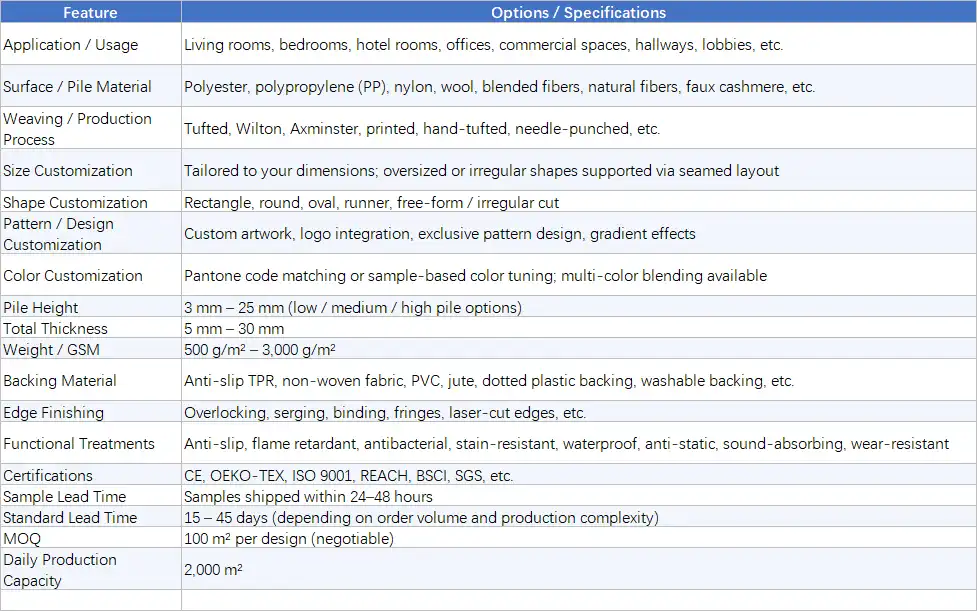
Buyers can choose custom sizes, pattern designs, and branding elements that set retail products apart or match corporate identity guidelines with flexible OEM and ODM services. Suppliers who can make prototypes quickly (within 24 to 48 hours) can speed up the design approval process, which cuts down on the time it takes to get products to market for seasonal collections or events. Purchasing managers can keep their inventory flexible while lowering costs by understanding minimum order quantities and bulk pricing structures. Measures of a supplier's production capacity, like the number of square meters they can make each day, show if they can handle big commercial projects without having to extend lead times beyond the normal 7 to 15 days that buyers in retail and hospitality expect.
Practical Guidance: How to Use and Maintain Nursery Rainbow Rugs?
When products are installed, cleaned, and maintained properly, they last longer and keep working safely. This means that both end users and B2B sellers who manage building operations get a better return on their investment.
Installation Best Practices for Safety and Longevity
Correct size for a nursery rainbow rug makes sure that rugs fit in the right places without adding extra material that could cause people to trip or leaving bare floors in play areas. Standard sizes work for most baby plans, but custom cutting services can handle rooms with odd shapes or furniture that needs to fit together. The non-slip backing works best on smooth, dry surfaces; buyers should tell end users not to install it over thick-pile carpeting because it makes it harder to grip. For business uses involving radiant heating systems, making sure the thermal stability ratings are correct stops delamination or off-gassing from happening at high temperatures of up to 85°F.
Cleaning and Stain Management Techniques
Stain-resistant surface treatments cut down on how often you have to clean, but setting up regular maintenance plans keeps things looking good and keeping up with hygiene standards. Using pH-neutral cleaners and cold water to clear organic spots works well and doesn't damage the fibers or fade rainbow gradients. Do not use harsh chemical solvents or high-heat steam cleaning as these can damage the dot plastic backing and make it less non-slip. For professional daycares and nurseries, spot-cleaning rules let staff deal with spills right away, and deep cleaning every three months keeps things clean. When products are made to absorb water and dry quickly, they cut down on downtime and get places back to normal use in hours instead of days.
Long-Term Care and Replacement Indicators
Facility managers can plan replacements before safety problems happen by checking for wear patterns, edge degradation, and backing integrity on a regular basis. When used in a business setting, high-quality goods that keep working well for 18 to 24 months are worth the extra money compared to cheaper options that need to be replaced every year. When suppliers offer free rework or replacement for manufacturing defects like printing inconsistencies, cutting errors, or differences in size, it lowers the risk of buying from them and helps to keep partnerships going for a long time.
Comparative Analysis: Nursery Rainbow Rug vs Alternative Flooring Solutions
Knowing how rainbow rugs stack up against other flooring options helps buyers defend their choice to stakeholders and make sure that purchases are in line with business needs.
Rainbow Rugs vs Plain Colored Rugs
Some people like the look of solid-color rugs, but they don't stimulate the senses as much as rainbow-colored rugs. Developmental study shows that early childhood exposure to a variety of colors improves the ability to track what you see and understand where things you touch are located. Rainbow rugs can also be used to organize things visually. The different color segments can naturally separate areas for sitting or doing activities without the need for extra floor markings. However, plain rugs might look better in simple design schemes or rooms where more complicated patterns might be too much for the rest of the decor. The differences in prices are usually pretty small, so rainbow options can be used without having to make big changes to your budget.
Rainbow Rugs vs Play Mats and Foam Tiles
Because they absorb impacts better, foam play mats are better for gymnastics or play areas with a lot of them. However, textile rainbow rugs are better at keeping your feet warm, looking good with your home's decor, and being easier to clean than foam ones, which tend to soak up liquids and keep bacteria in their seams. Textile choices have a more polished look that makes them good for front-of-house hotel children's areas or high-end stores where how things look affects how people think about them. By looking at how often they need to be replaced and how much work it takes to keep them in good shape, cloth rugs have a lower total cost of ownership, even though they cost more at first.
Machine-Made vs Handwoven Options
Even though handwoven rainbow rugs look like they were made by an artist and can be customized, they can be hard to buy in bulk for a nursery rainbow rug because the quality isn't always uniform and the lead times are long. Machine-made choices provide batch consistency, which is important for commercial projects, hotel chains, and chain stores that need to have the same goods in various places. Advanced heat transfer printing and laser cutting technologies make it possible to copy complicated patterns with a level of accuracy that isn't possible with human labor. At the same time, they keep costs low enough to allow for competitive store prices and healthy profit margins.
Procurement Insights: Buying Tips, Pricing, and Supplier Recommendations
When buying a lot of children's flooring, procurement workers need to be able to choose the right suppliers, negotiate good terms, and handle complicated procedures.
Identifying Reliable Manufacturing Partners
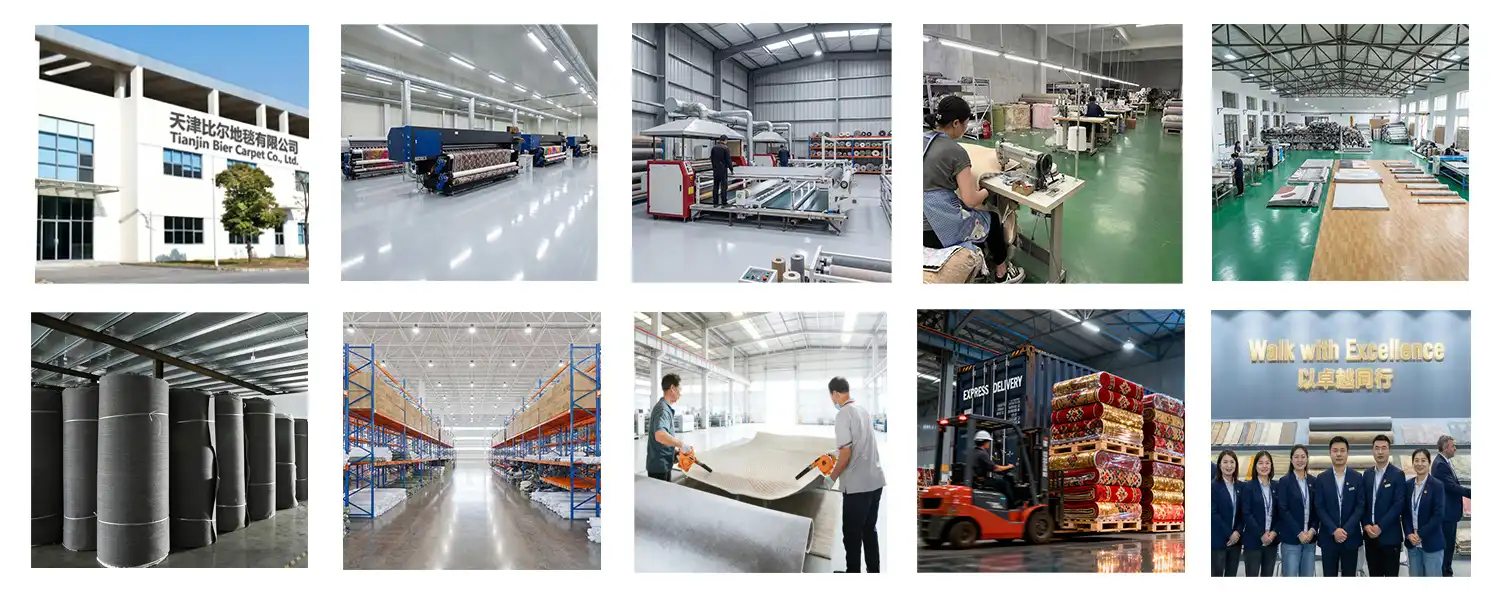
Suppliers who have been making things for 10 years have shown that they are stable in their operations and have the technical knowledge needed to deliver quality products every time. Manufacturing companies can show if they can handle more orders without rushing deliveries by showing their production ability through daily output measures. Buyers should look for partners who offer dedicated account management and regular communication about production schedules. This is especially important when dealing with changes in seasonal demand or coordinating large commercial installations with set due dates. Having CE, OEKO-TEX, ISO 9001, and REACH certifications shows that a company cares about quality systems and following the rules. This makes it easier for buyers to do their research and protects the company from legal problems.
Negotiating Pricing and Order Terms
By taking advantage of volume prices and better handling, buying in bulk can save you a lot of money. Understanding MOQ policies that are flexible lets smaller stores and e-commerce brands try out new goods without taking on too much inventory risk. On the other hand, container-load prices for big buyers lowers the cost per unit. Seasonal sale cycles often happen during off-peak manufacturing times. Smart buyers plan their orders for these times to get better prices. Making payment terms clear, like when a deposit is due and how balances are due based on production goals or shipping dates, protects both parties and makes the transaction go more smoothly.
Managing Logistics and Export Complexities
Depending on the method of shipping and the conditions at the destination, export-standard roll packaging, carton packaging, or woven bags offer different levels of protection and space efficiency. Professional packaging that is resistant to moisture and pressure keeps items from getting damaged in transit, which leads to expensive returns and unhappy customers. Suppliers who have long-term ties with freight forwarders can offer reliable lead times for both full container loads and packages that are less than a container. They can also provide clear freight cost figures that allow for accurate estimates of landed costs. Help with customs registration and clearing at one place, including making commercial invoices, packing lists, and certificates of origin, speeds up international trade and cuts down on port delays that can throw off project schedules and inventory planning.
Conclusion
When choosing rainbow rugs for kids' bedrooms, you need to think about how they look, how safe they are, how well the materials work, and how reliable the supplier is, especially for a nursery rainbow rug. When buying things for business nurseries, retail chains, leisure places, or cross-border distribution, it's helpful for buyers to carefully look at technical specs, licensing portfolios, and manufacturing capabilities. Products with crystal velvet softness, dot plastic non-slip backing, stain-resistant treatments, and bright heat-transfer printing meet the quality and usefulness needs of end users while also adhering to foreign market regulations. Buyers can meet project deadlines, keep costs down, and stay ahead of the competition in the ever-changing children's product markets by working with experienced manufacturers who offer OEM/ODM flexibility, fast sampling, bulk pricing, and full after-sales support.
FAQ
What size rainbow rug works best for a standard kids bedroom?
Rooms that are 10 feet by 10 feet can usually fit 5x7-foot rugs that give kids enough room to play without taking up too much space on the floor. Larger 8x10-foot options work well in nurseries or playrooms that can be used for many things. Custom sizing services are for layouts that aren't standard or furniture arrangements that need exact measurements.
How often should commercial daycares clean their rainbow rugs?
Commercial spaces with a lot of foot traffic should have spot cleaning done every day to get rid of messes and deep cleaning done every three months using cold-water extraction methods. Checking for wear patterns and backing integrity once a month helps plan preventative maintenance before safety problems happen.
Are rainbow rugs safe for children with allergies?
Common respiratory irritants are kept to a minimum in high-quality products that meet OEKO-TEX standards and use hypoallergenic polyester fibers. The Greenguard Gold certification proves that these rugs have low VOC emissions, which means that they are safe for sensitive children as long as they are cleaned according to the right instructions.
Can rainbow rugs be customized with brand logos for retail chains?
Professional providers that offer OEM/ODM services can help with adding logos, matching colors exactly, and making unique pattern designs. Rapid sample production (within 24 to 48 hours) lets you approve the design before committing to bulk production. This keeps the brand consistent across all of your stores.
Partner with bier for Premium Nursery Rainbow Rug Solutions
When it comes to nursery rainbow rug, you can trust bier. They have been making them well for 10 years and use the latest heat transfer printing and laser cutting technologies. The crystal velvet items we sell are safe and high-quality because they follow the rules set by CE, OEKO-TEX, ISO 9001, and REACH. Fast 24-48 hour samples, flexible OEM/ODM services, and 7–15 day production processes help retail markets that change quickly and business projects that need to be finished on time. Export-standard packing and one-stop customs help make international shipping easy for buyers who do business across borders.Get in touch with our dedicated team at sales@biercarpet.com to talk about your bulk order needs and find out how customized rainbow rug solutions can help you set your products apart while staying within your budget.
References
1. Consumer Product Safety Commission. (2021). Requirements for Children's Products: CPSIA Compliance Standards. U.S. Government Publishing Office.
2. Greenguard Certification Program. (2022). Indoor Air Quality Standards for Low-Emitting Products in Children's Environments. UL Environment.
3. American Association of Textile Chemists and Colorists. (2020). AATCC Test Method 16.3: Colorfastness to Light Guidelines for Textile Products. AATCC Technical Manual.
4. International Organization for Standardization. (2019). ISO 9001:2015 Quality Management Systems for Textile Manufacturing. ISO Standards Catalogue.
5. ASTM International. (2018). ASTM D1335: Standard Test Method for Tuft Bind of Floor Covering Materials. ASTM Textile Standards.
6. European Chemicals Agency. (2020). REACH Regulation Compliance for Textile Products Exported to European Markets. ECHA Guidance Documents.
Send Inquiry
Related Industry Knowledge
- How Can Buyers Choose Durable Luxury Outdoor Rugs for Hotels?
- How Do Buyers Evaluate Persian Carpet Quality and Manufacturing Standards?
- Long Corridor Carpet Provides Durable Flooring Solutions for Hospitality Projects
- Why Choose Modern Washable Area Rugs for Hotels and Rental Properties?
- What Makes High Quality Persian Carpet Suitable for Luxury Projects?
- Christmas Runner Rugs for the Kitchen Trends for This Christmas Season
- A Boho Dining Room Rug Creates a Cozy Christmas Ambience
- What Size Double Door Christmas Mat Works Best Outdoors?
- Modern Cute Playroom Rugs for Bright and Happy Kids’ Spaces
- Ultra Soft Faux Cashmere Rug for Family Homes