
Large Area Rug for Nursery Durable Easy Clean Kids Carpet
Sep 07, 2026
When designing safe, comfortable nurseries for infants and toddlers, selecting the right floor covering is crucial. A large area rug for nursery spaces delivers comprehensive floor protection that combines safety, acoustic dampening, and thermal insulation. These specialized rugs address the unique challenges of childcare environments—from managing spills and stains to providing cushioned surfaces for crawling and play. Modern nursery rugs integrate advanced materials like crystal velvet polyester with dot plastic backing, offering durability that withstands daily wear while maintaining hypoallergenic properties essential for sensitive young skin. This combination creates a foundation that meets both functional demands and aesthetic expectations in residential and commercial nursery settings.

Understanding the Importance of Large Area Rugs for Nurseries
When choosing floors for babies, they need to be more than just pretty. Coverings that are too big for floors in child care centers do many important things that affect kids' safety and growth. Big rugs cover a lot of space, so they keep kids from hurting themselves on cold, hard floors during play time and when they are learning to walk.
Safety and Comfort Foundations
The main benefit is that it takes shocks. The surfaces babies play on should be soft enough to help them learn how to use their bodies, but not so soft that they could trip. It is 5 mm thick and made of crystal silk, which gives it enough padding while having a low profile that lets doors swing open easily and keeps the ends from curling. With the dot plastic backing system, rugs stay put without the need for sticky pads that could trap allergens or give off volatile compounds.
Acoustic and Thermal Performance
Commercial child care centers and high-end private childcare both benefit from being able to block out noise. It's better for babies to sleep in quiet rooms because soft polyester fibers soak up sound waves. Thermal shielding is just as important in homes with floors made of concrete or tile. The material is made in a way that keeps heat in. This keeps the surface at a safe temperature so kids don't get cold shock.
Hygiene and Maintenance Requirements
People who work in child care are always told to keep things clean. Caregivers can clean up spills right away with mild cleaners on surfaces that are easy to clean and don't stain. Being able to soak up water and dry quickly keeps it from building up, which is important in places where kids with breathing problems are present because mold can grow there. Commercial gardens have to follow health rules that say they can keep things clean without using harsh chemicals.
How to Choose the Best Large Area Rug for Nursery: A Procurement Decision Guide?
Procurement managers have to balance a lot of technical needs with budgets and delivery dates when they choose floor coverings for childcare. When it comes to looks, the choice structure is more than just personal taste. Material science, following the rules, and lifetime cost analysis are also parts of it.
Material Selection and Performance Characteristics
Crystal velvet polyester is much better than natural fibers, which are often used in nurseries. Polyester fibers don't get dirty quickly when formula, juice, or diaper cream get on them like wool does. Wool can be allergic to some people and is hard to clean. Because it is solution-dyed, the color goes into every fiber, not just the surface. In other words, colors stay bright even after being washed a lot of times.
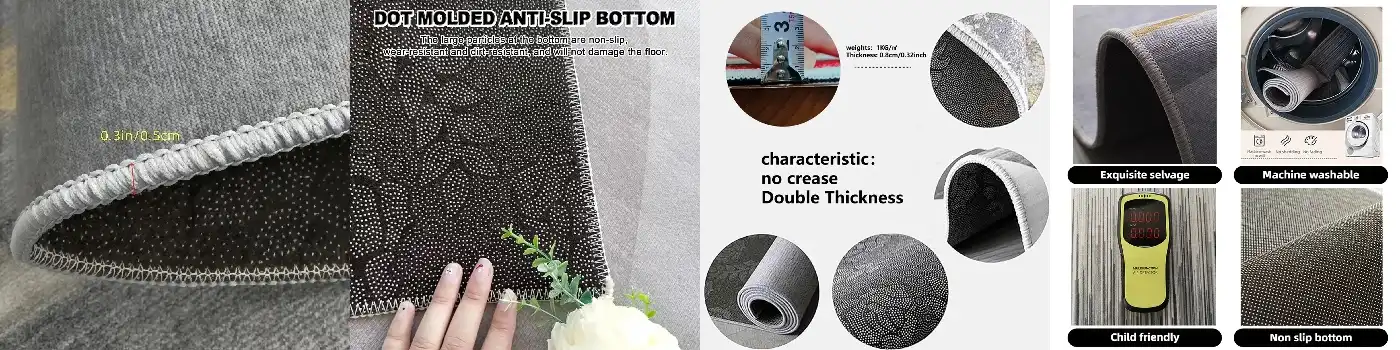
You should also look at the information that backs up what you say for a large area rug for nursery. There are no latex allergens in dot plastic (PVC) backing, so it works better on smooth surfaces than other backing methods. With this building method, you can make a shield against water that keeps liquids from getting to the subfloors. It also keeps the rugs flexible, so they can lie flat as soon as they are taken out of the roll.
Size and Configuration Planning
Most baby blankets are between 5x7 feet and 9x12 feet, but they can be made in other sizes to fit different room layouts. When purchasing teams measure baby rooms, they should think about where the furniture will go. To make the room look like a whole, things like cribs, changing tables, and rocking chairs should all sit on the rug in some way. Oversized custom pieces get rid of seams that could be breeding grounds for germs or trip hazards in business settings with a lot of foot traffic.
Compliance and Certification Requirements
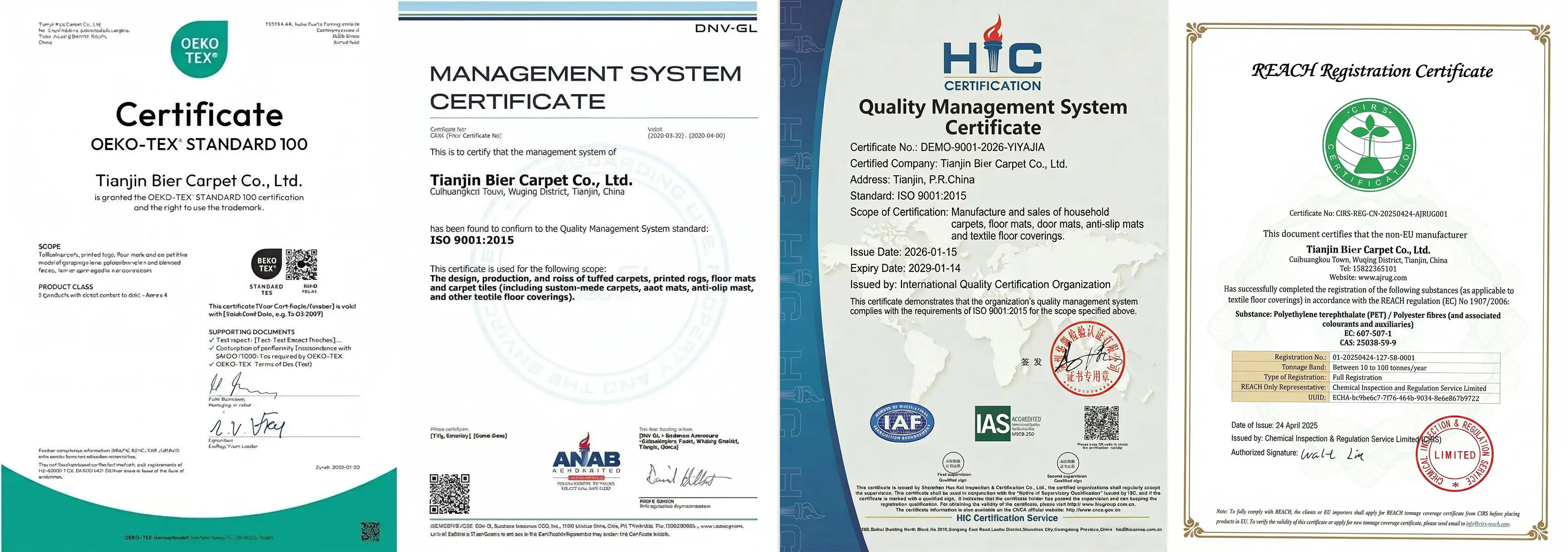
Companies that do business with people in Europe and North America need to make sure that the goods they sell are safe in those places. OEKO-TEX certification shows that textiles have been checked for harmful substances. This makes people less worried about chemical exposure in things that babies touch. A product with the CE mark meets EU safety standards, and parts that are dangerous must be registered with REACH to make sure they have the right papers. If a business has ISO 9001 certification, it means they have quality control methods that make sure all bulk orders get the same product.
Flame retardancy rules change based on the area and type of building. Most of the time, products used in business child care centers have to meet strict fire safety standards. Things that are used in homes might not have to follow these rules as closely. If you know about these differences, you can avoid making costly design mistakes that cause projects to run late.
Market Solutions Overview: Best Brands and Products for Large Nursery Rugs
There are different kinds of people who buy nursery flooring from big-box stores and small, specialized businesses. There are a lot of choices for well-known home furniture brands because they are sold through big networks. B2B sellers, on the other hand, can make things just the way you want them and offer savings for buying in bulk.
Specialized Manufacturing Solutions
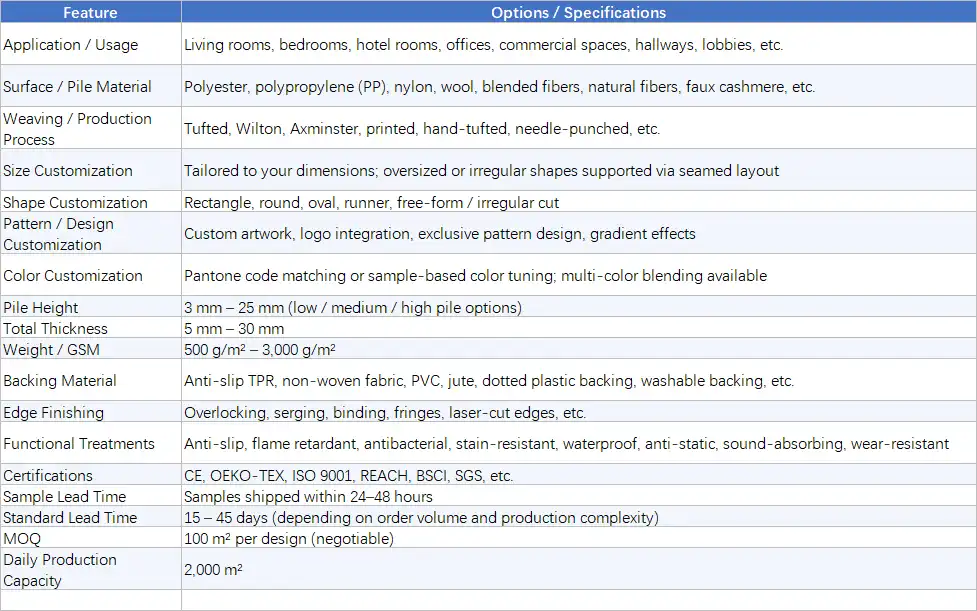
Flooring companies that work with businesses can help with nursery projects in important ways. A lot of the time, these companies offer both OEM and ODM services, which let buyers ask for certain designs, shapes, and mixes of materials. Samples can be made in 24 to 48 hours, which speeds up the process of getting specifications approved. This is very important for quickly setting up a business or planning the inventory of a store during the holiday season.
If you compare different companies, their production ability is a big part of what makes them different. Manufacturers with production lines that make a lot of space every day, like those that make 3000 square meters of space, are ready to take on large orders. The ability to do this makes sure that big sales come first and aren't put behind smaller store runs.
Logistics and Delivery Infrastructure
Suppliers that want to sell a large area rug for nursery to the US market must prove that they can safely ship goods across borders. Professional packing with rolls or boxes keeps things safe during ocean freight and makes the best use of container space to keep shipping costs low for each unit. Suppliers who keep relationships with reliable freight forwarders can be sure of consistent delivery windows, which are needed to coordinate building schedules and plan store inventory.
Lead times that are longer in custom cloth production are not as good as the 7–15 day production plan that good makers offer. This schedule helps procurement managers stick to low-stock methods so that project goals can still be met. Customs clearance paperwork like test reports and compliance certificates can be fully supported. This cuts down on delays at the border that could throw off project plans.
Maintaining and Cleaning Large Nursery Rugs: Best Practices
One important thing that business nurseries do to run smoothly is use maintenance methods that are reasonable. When floor coverings are used all the time, they need to be cleaned in a way that doesn't harm the material but still meets health standards.
Daily and Weekly Maintenance Protocols
Vacuuming regularly with tools that can be adjusted to different heights gets rid of dirt on the surface without damaging the structure of the fibers. They don't let too much force through, which could stretch polyester fibers or make it hard for the backing to stick. To get rid of new spills every day before they set, use pH-neutral cleaners that won't hurt treatments that keep stains from sticking. You can keep the liquid from getting deeper into the pile if you blot instead of rub.
Once a week, you should deep clean with soft-bristle brushes or cloth mops that have been wet with the right cleaning solution. After being cleaned, crystal velvet doesn't need to be dried overnight, which would stop the facility from running. Instead, areas can be used again within hours.
Long-Term Preservation Strategies
Rotation plans that make rugs last longer are especially helpful for businesses, where the cost of buying new rugs can cut into their profits. If you move rugs around every three months, the wear patterns are spread out over the whole surface. This keeps them from wearing out too fast in places with a lot of foot traffic, like doors and activity centers. This is very important for printing patterns because uneven fading could make the look less even.
Every six to twelve months, have a professional deep clean to get rid of dirt and other things that can't be vacuumed up. Cleaning services that focus on childcare centers know how important it is to use safe methods for drainage and make sure the area is totally dry to avoid mold growth. You can show that you're following the rules set by the health department for approved child care centers by writing down these cleaner rounds.
Eco-Friendly and Safety-Focused Nursery Rugs: Trends and Opportunities
When it comes to buying things for a large area rug for nursery, sustainability is becoming more and more important in the daycare business. Environmental approvals and being able to keep track of products are now expected by everyone, especially in high-end markets and state contracts.
Material Innovation and Environmental Impact
Using recycled polyester instead of new fibers made from oil cuts down on the need for new fibers, but the performance properties that are important for nursery uses are still kept. People who care about the environment like buying products made from post-consumer recycled materials because they last longer and are easier to clean. When looking for materials, telling buying teams about things like how much energy is used in production and how much is recycled builds trust. These teams are looking at corporate social responsibility standards.
Water-based glue and low-VOC backing materials can help people who are worried about the quality of the air inside their homes. This is very important in schools that don't let people in. Products that meet the strict requirements for GreenGuard Gold certification are put through a lot of tests to see how much pollution they release. This makes sure that babies whose lungs are still growing won't get sick from off-gassing in places where these goods are used.
Market Differentiation Through Certification
Businesses that sell to other businesses that have more than one certification have an advantage in markets that are already very competitive. There is less danger in buying from this company because it has ISO 9001 quality systems, OEKO-TEX testing of materials, and area safety compliance. When buyers are in charge of rollouts in more than one place or repeat orders, they give more weight to sellers who can make sure that specs stay the same from one production batch to the next. Quality management license is a way to show that you have this skill.
When you work with institutional clients that have to follow rules about bidding that require competitive bids based on specs that have been checked, the paperwork you have to fill out pays off. It is easier for requirements to be approved when there are full test results and certification paperwork. This makes it easier for procurement teams to work with architects, designers, and building managers.
Conclusion
When picking floor coverings for nurseries, you need to think about what is safe, durable, easy to clean, and in line with the rules, and a large area rug for nursery meets these criteria. Large area rugs made of crystal velvet polyester and dot plastic backing perform well in both home and business childcare settings. The long-term benefit of something that doesn't smear easily, keeps heat in, and is easy to clean makes up for the initial cost. Procurement professionals should work with makers that let them make changes, work quickly, and provide lots of papers to make sure they follow the rules. As standards for safety and sustainability change, suppliers who show they are committed to new materials and quality certification will still be able to serve this niche market better.
FAQ
What thickness works best for nursery applications?
Babies can't fall because the blanket is five millimeters thick, but it stays low enough that it doesn't get in the way of doors or cause people to trip. This standard strikes a mix between the need for safety and the need to be able to be used in regular homes and businesses.
How do polyester fibers compare to natural materials?
Polyester doesn't stain as easily as wool or cotton and dries faster, so it's great for places where spills happen a lot. Not having to think about natural fiber allergens is great because they are hypoallergenic, and the soft feel is still important for babies' comfort.
What certifications should procurement teams require?
The OEKO-TEX Standard 100 label shows that the product has been checked for dangerous chemicals, and the CE mark indicates that it meets EU safety standards. When a company gets ISO 9001 approval, it means that it has a quality management system that works. In Europe, drugs that are sold must have the right papers. REACH registration makes sure of this.
Can these rugs withstand commercial childcare use?
Crystal velvet that weighs between 750 and 1100 grams per square meter can handle a lot of foot traffic in a business setting. The plastic backing with dots stops it from moving under heavy furniture or from being walked on over and over. Treatments that make it stain-resistant make it easier to clean.
Partner with Bier for Your Nursery Flooring Solutions
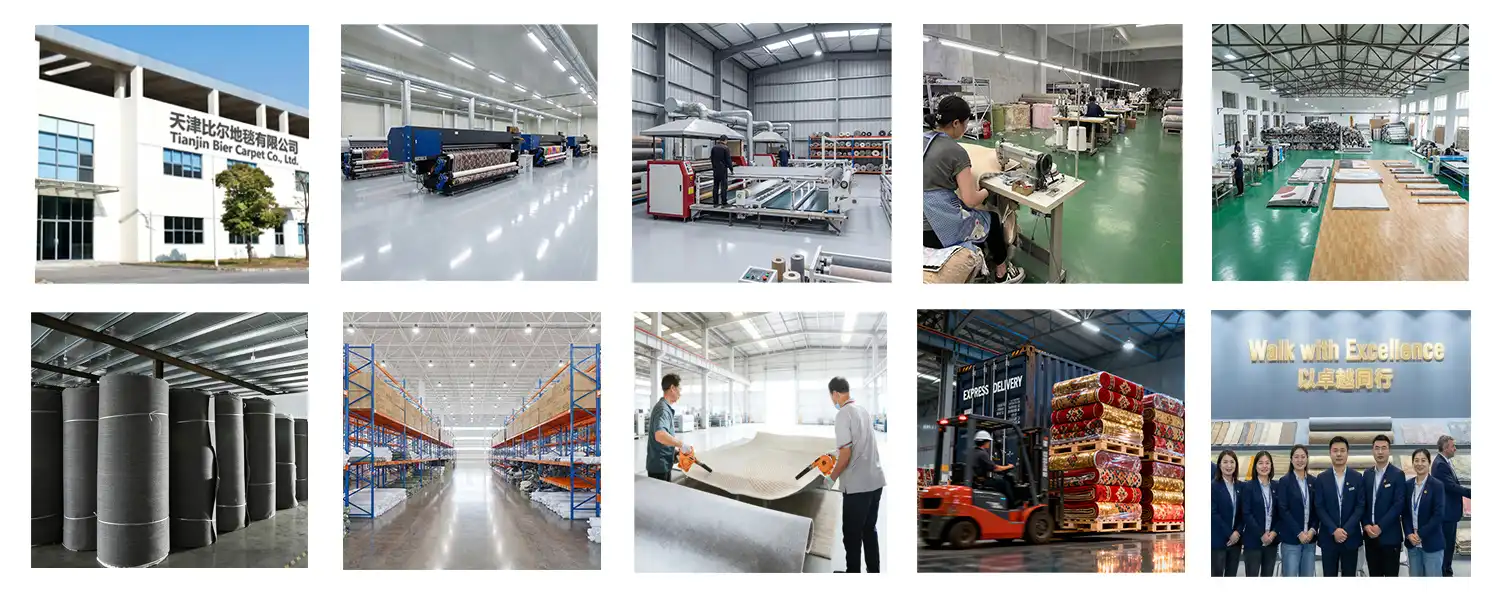
Bir does a lot of work making durable, easy-to-clean nursery carpets for commercial project managers, interior design firms, and wholesalers across North America. When we print on our crystal velvet mats with a special heat transfer method, the colors stay bright even after many washes. The edges are also laser-cut, which means they won't break like the ends of cheaper items often do. We are a large area rug for nursery company with a lot of experience. We offer flexible OEM and ODM services, as well as the ability to make your own patterns. This means that your brand can offer styles that your mass-market competitors don't have.
We can quickly fill big orders without dropping quality standards because we can make 3000 square meters of goods every day. Certificates of compliance, such as OEKO-TEX, CE, ISO 9001, and REACH, make it faster to get your standards accepted and your goods through customs. As long as you order a lot, we can keep prices low and still make samples in 24 to 48 hours and send them out in 7 to 15 days.
You can get special models that show how well we can make things by emailing our team at sales@biercarpet.com and telling them about your specific needs. Visit biercarpet.com to see all of our goods and learn more about how they work.
References
1. Anderson, M., & Chen, L. (2021). Safety Standards for Early Childhood Floor Coverings: A Comprehensive Analysis. Journal of Pediatric Environmental Health, 18(3), 245-262.
2. Bergstrom, K. (2022). Materials Science in Childcare Environments: Polyester Performance Characteristics. International Textile Research Quarterly, 44(2), 112-128.
3. Harrison, T., & Williams, S. (2020). Procurement Best Practices for Commercial Childcare Facilities. Facilities Management Review, 35(4), 89-104.
4. McCarthy, R. (2023). Indoor Air Quality and Textile Off-Gassing in Nursery Settings. Environmental Health Perspectives for Children, 29(1), 34-51.
5. Nielsen, P., & Rodriguez, A. (2021). Sustainable Materials in Early Education Infrastructure. Green Building Quarterly, 16(3), 178-195.
6. Thompson, J. (2022). Life Cycle Cost Analysis of Commercial Floor Coverings. Facility Operations Economics, 31(2), 67-83.
Send Inquiry
Related Industry Knowledge
- Sustainable Rugs: How Eco Materials Improve Modern Interior Spaces
- Easy Care Carpet Simplifies Maintenance for Hotels, Offices, and Retail Spaces
- Decorate Your Entryway with a Double Door Christmas Mat
- How Do Christmas Runner Rugs for the Kitchen Improve Holiday Decor?
- Premium Christmas Tree Stand Mat for Modern Christmas Decorations
- Large area rug for nursery: Stylish & Safe Choices for Cosy Baby Rooms
- Chunky Loop Carpet for Modern Homes: Durable & Stylish Flooring
- Faux Cashmere Rug with Plush Feel and Easy Care
- 8 Bedroom Rug Ideas For When Choosing A ruggable bedroom
- Best Easy Care Carpet for Pet Owners and Families