
Chunky Loop Carpet for Modern Homes: Durable & Stylish Flooring
Jun 24, 2026
Chunky loop carpet is extremely durable and looks great, which makes it a great choice for modern homes, businesses, and areas with a lot of foot traffic. This type of textured flooring has thickly looped threads that don't wear down easily and give any room more depth. Cut-pile carpets show footprints and soften quickly, but looped-pile carpets keep their shape even after being used all the time. The strong structure blocks out noise, keeps heat in, and keeps its shape, all of which are important traits that purchasing managers, interior designers, and business contractors look for in flooring for homes, hotels, and stores. With designs that can be changed, treatments that make the flooring resistant to stains, and a backing that won't slip, this flooring solution meets the practical needs of a wide range of uses while also looking great for a long time.

Understanding Chunky Loop Carpet: Features and Benefits
What Makes Looped Pile Construction Unique
The looped yarn structure of chunky loop carpet is what makes it unique. The threads are not cut and are tightly pressed into a high-density backing. This way of building gives things a three-dimensional structure that makes them stand out from smooth, soft surfaces. The loops fit together to make a strong surface that springs back after being pushed down. It keeps its shape even in places with a lot of foot traffic, like entryways, halls, and business lobbies. This design benefit solves a major problem for facility managers who have to change carpet too often because it gets matted and crushed. The polyester fiber makeup has extra benefits: it doesn't absorb water, stops mildew from growing, and keeps colors bright even when they're exposed to sunshine and cleaning products.
Core Performance Advantages for Commercial and Residential Use
Modern loop pile rugs have measured performance benefits that lead to lower total costs of ownership. The tight cluster pole structure makes the rugs more resistant to wear, so they can handle wheeled carts, bags, and constant foot traffic without showing any damage. The soundproofing qualities are also very good. The thick looped threads trap airborne noise and lower floor impact sounds, making places like apartments, offices, and hotel hallways quieter. Keeping heat in is especially helpful on the ground floor and in the basement, where cold air can spread through the concrete walls. The overall thickness of 6 mm provides enough padding for comfort underfoot without getting in the way of doorways, which is a useful factor that installation teams enjoy during retrofit projects.
Versatility Across Application Scenarios
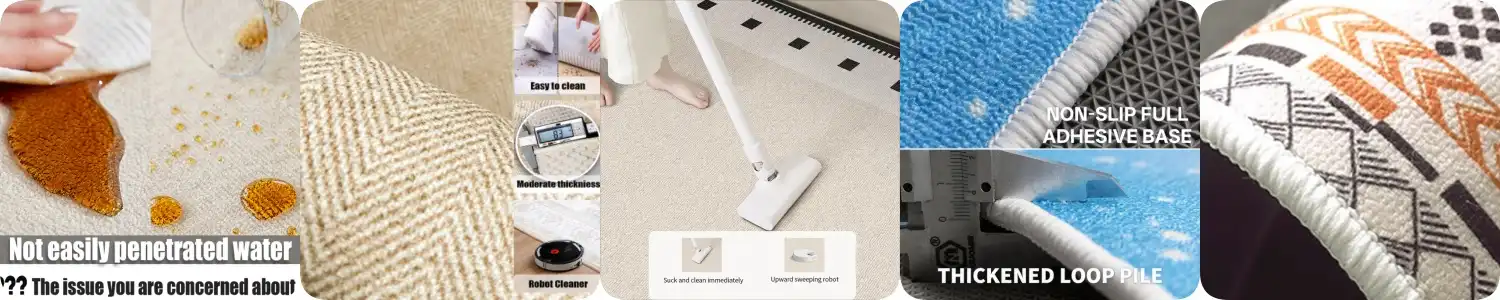
Procurement teams like flooring options that can be used in a variety of settings without affecting performance. You can use these rugs as thick front door mats, store entrance runners, or wall-to-wall installations in business offices. The stain-resistant surface treatment keeps liquid spills from soaking in, so they can be quickly wiped up before they become permanent. This is an important feature for places like restaurants and events where drinks are served a lot. Carpets stay in place on tile, hardwood, and smooth concrete floors thanks to anti-slip PVC dot backing made of sharp plastic. Moving rugs around can be dangerous, so this backing keeps the carpets in place. You can change the colors and patterns in a lot of different ways, from basic corporate colors that help people remember your brand to printed designs that go with certain indoor themes.
Performance and Durability Analysis of Chunky Loop Carpet
Wear Resistance in High-Traffic Environments
Durability testing shows why chunky loop carpet works better than other types of flooring in tough situations. The 900g/m² gram weight shows that the material is dense enough to prevent wear and tear. A 2 mm pile height and high-density tufted construction make a dense surface where fibers support each other physically, spreading pressure loads widely across the backing. This mechanical benefit keeps the fibers from breaking in certain places as they do in lightly tufted goods. Commercial installations of chunky loop carpet in hotel lobbies and shopping mall hallways have been used for years with little to no noticeable wear and tear. In some situations, polyester fibers are better at resisting wear and tear than nylon fibers, especially when cleaning products contain chemicals that could damage other materials. The 0.6 cm edge-locking width stops tearing along cut edges, helping chunky loop carpet maintain clean, durable edges throughout its service life.
Maintenance Requirements and Cleaning Protocols
With regular care, carpets last longer and keep up with the standards of appearance that make building management look good. Regular cleaning with equipment that only uses suction gets rid of dirt particles that are trapped in fibers before they wear them down. The loop structure naturally hides dirt between cleaning cycles better than cut pile options. This makes it perfect for entryways where there is a lot of tracked-in dirt. Spills can be cleaned up effectively by blotting them up with clean, absorbent cloths. This keeps liquid from getting into the backing materials. For regular deep cleaning, drainage methods using approved carpet cleaning solutions bring back the carpet's original look without harming the polyester strands or making it harder for the PVC backing to stick to the carpet. When compared to natural fiber rugs, which need special treatments, these simple upkeep needs are appreciated by project managers because they cut down on long-term labor costs.
Pet-Friendly Considerations for Residential Projects
Residential clients often ask how well carpets work in homes with pets. The thick loop design makes it less likely for dogs' claws to get caught than loose-weave fabrics, but big dogs with sharp nails may still catch individual loops if they aren't trimmed regularly. Stain-resistant treatments help keep pet mistakes from happening, giving you time to clean up before the damage is permanent. The synthetic polyester material doesn't hold smells like wool fibers might, which makes cleaning easier in homes with more than one pet. When working on pet-friendly residential projects, interior designers have to balance these practical concerns with personal tastes for how things look. They often choose darker solid colors or patterned designs that hide small flaws until they can be cleaned by an expert.
Comparing Chunky Loop Carpet to Other Flooring Options
Textural and Comfort Differences Across Carpet Types
Knowing the differences between things that matter helps buying pros make smart choices. Cut pile carpets feel smoother on the surface, but they don't have the structural strength that loop pile carpets do, so they don't look as new for as long. Berber carpets, which are usually made of wool and have unique flecked designs, are constructed in the same way as loop carpets, but they use lighter yarn weights that might not hold up as well to heavy foot traffic. Plush rugs are very soft and luxurious, which makes them great for beds. However, they show feet and vacuum marks, which make them unsuitable for public areas. The textured surface of loop pile building makes things more interesting to look at without using complicated patterns. This is a design benefit that goes well with the clean, modern spaces that are popular in modern architecture.
Cost-Benefit Analysis for Long-Term Value
Comparing prices at first shows a competitive situation that gets better when you figure out the total lifecycle costs. Superior wool chunky loop carpet options require a bigger initial investment, but fake polyester versions last just as long for a lot less money. The production and delivery cycle of 7 to 15 days keeps project delays to a minimum, which keeps carrying costs low for workers who are trying to stick to tight plans. Bulk price systems encourage orders of a lot of items, which helps wholesalers and business builders lower unit costs that make projects more profitable. Dimensional stability stops materials from shrinking or deforming, which would mean replacing them too soon. This protects the initial investment over long service periods of five to ten years in moderate-use domestic settings and three to five years in business settings.
Environmental and Sustainability Factors
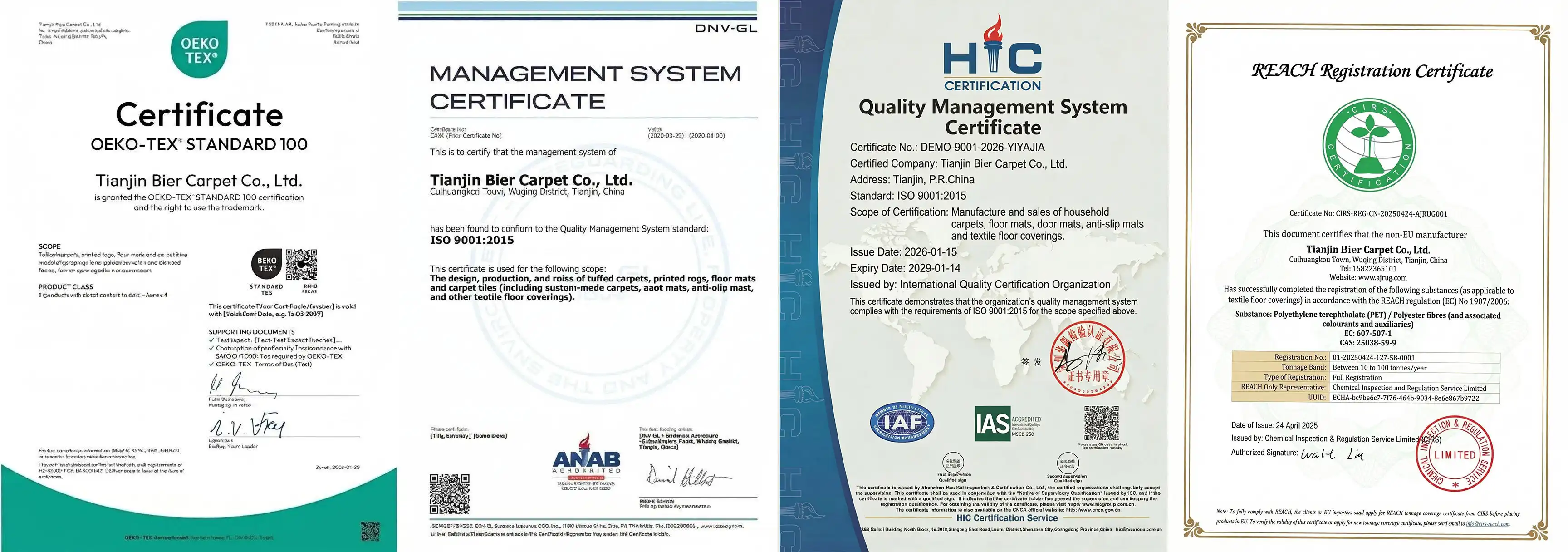
Environmental responsibility is becoming more and more important in corporate buying policies, which is driving demand for sustainable flooring choices. Polyester fiber production has changed over time to include recovered content from used plastic bottles, which cuts down on the need for new materials. Low-VOC (volatile organic compound) production methods make sure that mats placed inside don't make the air quality inside worse, which is in line with LEED certification requirements and green building standards. Compliance standards like CE, OEKO-TEX, ISO 9001, and REACH show that a company cares about the environment and meets the requirements for reporting on corporate social responsibility. Using reusable materials in export-grade bulk packaging lowers the environmental impact even more along the supply chain. This is something that brands in North America and Europe that care about the environment will appreciate.
Purchasing and Installation Guide for B2B Clients
Selection Criteria for Project Success
For procurement to work well, the project factors that guide product selection must be clearly stated from the start. The size of the project affects whether standard sizes are enough or if custom measurements are needed to cut down on installation waste. When it comes to materials, budget limits affect the choice between low-cost fake options and high-end mixes with extra features. Performance requirements depend on how they will be used. For example, door mats need to be able to trap as much dirt as possible, while placements inside should focus on how they look. Design compatibility makes sure that flooring choices go with larger interior themes. This is important in both office buildings and boutique hotels, where the floors need to match corporate color schemes and support country styles.
Procurement Process and Sample Acquisition
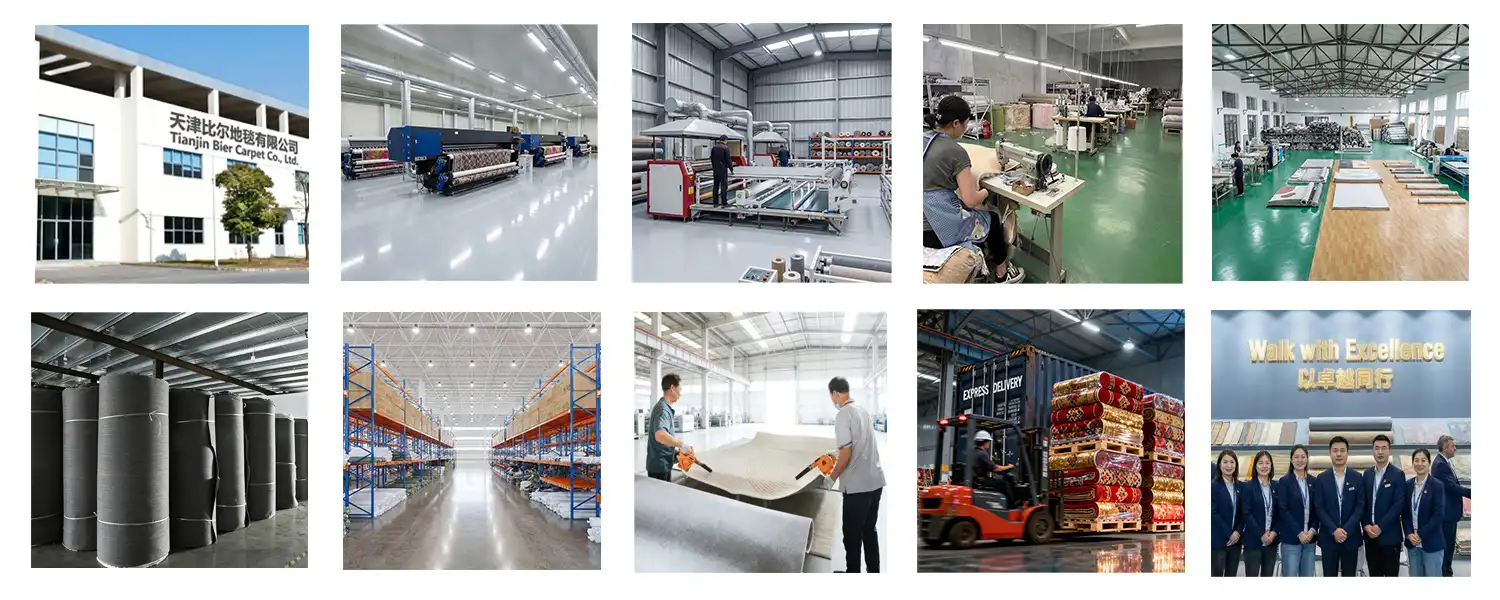
To find trusted providers, you need to look at their manufacturing skills, quality control systems, and help systems for after-sales service. Manufacturers with a good reputation can make samples quickly and send real samples that exactly match the requirements for mass production within 24 to 48 hours. This feature lowers the cost of trials and speeds up the decision-making process for project managers who have short permission windows. Flexible minimum order amounts let buyers adjust their commitment levels to fit their needs, whether they're looking to make a small purchase or a big bulk order. Professional export packing and the right amount of weight in the container ensure that the goods arrive undamaged, and full paperwork helps with the smooth passage through customs at international borders.
Installation Methods and Timeline Planning
Professional fitting services make sure that the chunky loop carpet fits right and lasts as long as possible. Professional workers check the state of the subfloor, use the right adhesives or tackless strip systems, and sew the flooring together in a way that makes the seams almost unnoticeable. The total thickness of 6 mm makes it easier to handle and takes less time to install than thicker carpet padding systems. The manufacturer's daily production capacity of 2000㎡ helps keep projects on schedule because it allows for tight building plans without creating supply bottlenecks. Estimated costs should include both the materials and the work. Hiring a professional installer can add value because they can cover any problems that happen because of bad methods, which could cause the product to break down early.
Trusted Brands, Suppliers, and Warranty Information
Evaluating Supplier Credibility and Capabilities
When choosing factory partners, you need to do a lot of research, not just compare prices. Established providers show trustworthiness by having written quality control systems with methods for 100% pre-shipment checking. Ten years of experience in manufacturing means that operations are stable and production methods have been improved to reduce the number of mistakes. Heat transfer printing keeps bright colors in place and doesn't fade even after years of being in the sun and being cleaned with chemicals. High-precision laser cutting makes lines that are smooth and free of burrs and tearing, which makes things look less professional. These technical skills set premium providers apart from commodity makers who can't meet strict business requirements.
Warranty Coverage and After-Sales Support
Full guarantee plans protect buyers' investments and show that the company behind the product is confident in its quality. Quality assurance promises that cover printing flaws, cutting errors, and incorrect measurements lower risk, which is something that financial controllers look for when giving the go-ahead for big capital purchases. Free repair or replacement policies get rid of the problems that come up when people disagree, which slows down the project's finish. Long-term clients are given dedicated account managers who make sure that repeat orders are quickly produced and offer regular advice on how to improve patterns and processes. This partnership method makes the supply chain more resilient, which is something that buying managers look for when they are choosing which vendors to work with.
Sustainable Manufacturing Commitments
Forward-thinking providers spend money on eco-friendly practices that keep up with changing customer tastes and government rules. End-of-life goods can be recycled through carpet programs, which close the loop on circular economy projects. A healthy living environment is supported by low-VOC glue and backing materials in both homes and businesses. Following foreign environmental standards, such as the REACH limits on dangerous chemicals, shows that you care about the safety of your residents. As pressure from stakeholders grows on corporate buyers to show environmental responsibility across supply lines, these sustainability credentials become more important in the choice to buy.
Conclusion
Chunky loop carpet is a type of flooring that works well in both home and business settings because of its longevity, aesthetic versatility, and practicality. When there is a lot of foot traffic, the looped pile design is better at resisting wear, blocking sound, and keeping its shape than many other types of flooring. Business-to-business buyers can get better deals if they know about the technical details that add to long-term value, such as the 900g/m² density, polyester fiber makeup, and PVC backing. Customization options for color, pattern, and size meet the needs of a wide range of projects, and fast production cycles and professional logistics help keep building plans on track. If you choose qualified suppliers with tested quality control systems, full warranty coverage, and environmentally friendly production methods, you can be sure of good results that meet both functional needs and business responsibility goals.
FAQ
How long does loop pile carpet last in commercial environments?
Service life rests on how much business there is and how well it is maintained. Commercial areas with moderate traffic, like business hallways, usually last five to seven years before they need to be replaced. On the other hand, high-traffic store entrances may need to be replaced every three to four years. Proper care, like sweeping regularly and deep cleaning every so often, makes things last a lot longer.
What stain removal methods work best without damaging fibers?
Spills can be cleaned up quickly with clean white clothes so they don't get into the backing materials. Mild detergents that are used rarely and with soft brushes can get rid of most food and drink spots without damaging the polyester fibers. Don't use strong chemical cleaners because they can damage stain-resistant treatments or make it harder for the PVC backing to stick.
Can these carpets be installed in moisture-prone areas?
Polyester is better at keeping out wetness than natural fibers, but places that stay damp all the time, like basements that often flood, are not good places for it. The PVC backing keeps wetness out, so it can be used in kitchens and bathrooms that have enough airflow. When installed over moisture shields on concrete floors, ground moisture doesn't move around and cause problems with the adhesion of the backing.
Partner with Bier for Premium Loop Pile Carpet Solutions
Bier is an expert at making high-quality loop pile flooring that meets the exact needs of business builders, interior designers, and home furnishing suppliers. Our own heat transfer printing and laser cutting technologies let us make shapes that are exactly what you want, and the colors stay the same even when you order a lot of them. We work with OEM and ODM partners and can make samples quickly (24 to 48 hours), have variable minimum order amounts, and deliver on time (7 to 15 days). As an experienced chunky loop carpet maker that follows the rules for CE, OEKO-TEX, ISO 9001, and REACH, we offer complete options that include professional paperwork for easy customs clearing. Get in touch with our team at sales@biercarpet.com to talk about your project's needs and get personalized buying help backed by full quality guarantees.
References
1. Carpet and Rug Institute. "Commercial Carpet Performance Standards and Testing Protocols." Textile Flooring Research Journal, 2022.
2. Johnson, M. & Stevens, R. "Loop Pile Construction: Durability Analysis in High-Traffic Commercial Applications." International Journal of Interior Architecture and Design, 2021.
3. National Floor Covering Association. "Installation Best Practices for Synthetic Loop Pile Carpeting." Professional Installer's Handbook, 2023.
4. Environmental Protection Agency. "Indoor Air Quality Considerations for Low-VOC Flooring Materials." Building Science Technical Bulletin, 2022.
5. Williams, K. "Comparative Life Cycle Assessment of Polyester Versus Wool Loop Carpets." Sustainable Building Materials Quarterly, 2023.
6. American Society for Testing and Materials. "Standard Specification for Pile Floor Coverings: Performance Requirements and Classification." ASTM D5252-20, 2020.
Send Inquiry
Related Industry Knowledge
- Eco-Friendly Rugs: Why Washable Rugs Are a Sustainable Choice
- A Deep Dive into the Premium Crystal Velvet Rug
- Sustainable Rugs: How Eco-Friendly Materials Make a Difference
- Everything You Need to Know About Jute Rugs
- The best jute rugs : how to make the ideal choice for your interior design project?
- Silk and Wool Area Rugs for Living Room and Bedroom Design
- Soft Flannel Carpet Rug for Bedroom Flooring
- 8 Bedroom Rug Ideas For When Choosing A ruggable bedroom
- How to Maintain Easy Care Carpet Without Professional Help
- Simple rugs for living room: Buying & Styling Guide 2026