
Sustainable Rugs: How Eco Materials Improve Modern Interior Spaces
Sep 03, 2026
Modern interior design increasingly demands solutions that balance aesthetic appeal with environmental responsibility. Sustainable rugs have emerged as essential elements in this transformation, particularly eco friendly washable rugs that combine reduced ecological impact with practical maintenance advantages. These floor coverings utilize materials like recycled polyester, natural rubber backing, and low-VOC production methods to minimize environmental footprints while maintaining durability standards required for commercial and residential applications. The shift toward washable sustainable textiles reflects broader industry recognition that operational efficiency and environmental stewardship can coexist, offering procurement managers tangible cost savings through extended product lifespans and simplified maintenance protocols.

Understanding Eco Friendly Washable Rugs: Materials, Benefits, and Maintenance
Core Materials That Define Sustainable Rug Construction
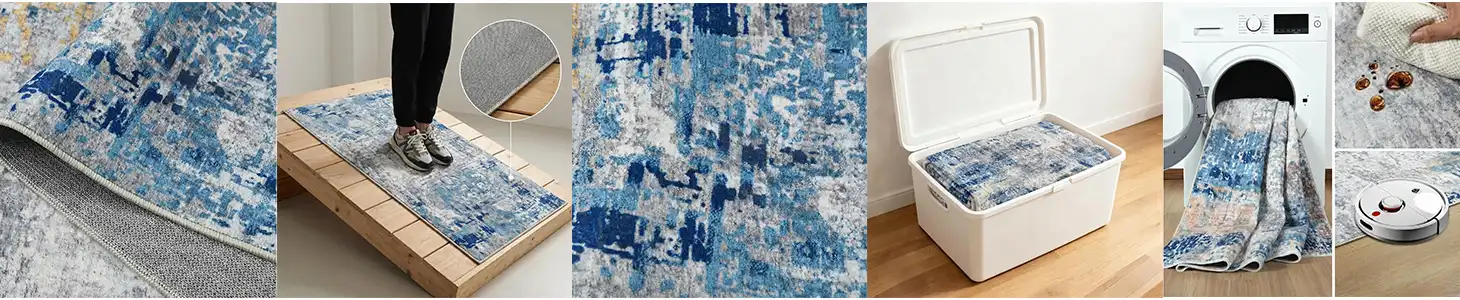
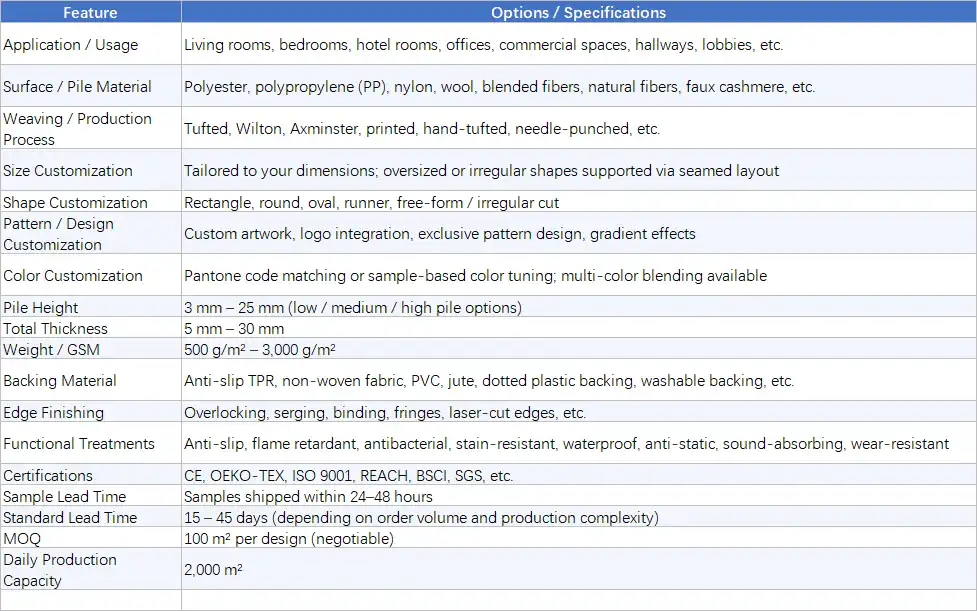
The base of any long-lasting floor covering is the materials that make it up. Modern washable rugs have fake cashmere surfaces made from polyester fibers with a density of 350g/⎡. This gives them patterns that look like real cashmere while still being machine washable. The backing is usually made of TPR thermoplastic rubber, which doesn't slip and doesn't contain any of the harmful plasticizers that are in most PVC options. This mix accomplishes several goals: the 3mm short-pile height keeps dust from building up, the 5mm total thickness makes sure it fits through doorways, and the 1000g/Ⅱ gram weight gives it support without being too bulky. These specs are especially important for buying workers who are looking at large orders because they have a direct effect on how much it costs to ship and how hard it is to set up.
Functional Advantages for Commercial Environments
Sustainable rugs that can be washed solve important problems in areas that get a lot of use. Products that can be cleaned over and over again without losing their color or structure are good for hotels with hundreds of guest rooms. The machine-woven design and 0.6cm edge-locking keep the edges from tearing, which happens when edges are attached. Low-pile designs dry quickly, which is great for restaurants and stores because it cuts down on downtime between cleanings. There is less ammonia and less need for chemical cleaners, which makes the air quality inside better. When cleaned according to the manufacturer's instructions, these rugs keep their look after 50 or more wash cycles. This is very different from traditional rugs, which need to be professionally steam cleaned every six months.
Maintenance Protocols That Extend Product Lifespan
If you take good care of your washable rugs, they will last for a long time. Machine washing in cold water with mild soap protects the fibers, and low-heat tumble drying or air drying keeps the backing from wearing down. Water-based solutions can be used to clean up spills right away without leaving stains. When procurement managers figure out the total cost of ownership, they should compare the initial price premium of 15–25% for washable alternatives to the cost savings from not having to pay for dry cleaning, which is usually $0.50–$1.20 per square foot every three months. For commercial projects with moderate to high foot traffic, the breakeven point usually happens between 18 and 24 months.
Comparing Eco Friendly Washable Rugs with Traditional Rugs for Smart Procurement
Environmental Impact Analysis Across Product Lifecycles
Traditional rugs made from new nylon or polypropylene use a lot of oil and leave behind microplastic pollution that lasts for a long time, while eco friendly washable rugs offer a more sustainable alternative. Plastic bottles are kept out of landfills by washable, environmentally friendly alternatives made from recycled polyester. Some manufacturers are able to achieve 60–80% recycled content ratios. When heat transfer printing is used instead of standard dying methods, about 30% less water is used during production. When it comes to getting rid of old rugs, there is another difference: regular synthetic rugs stay in dumps for decades, while some eco-friendly options have biodegradable parts or take part in recycling programs that pick up old rugs. Third-party testing for REACH and OEKO-TEX certifications backs up these claims, giving procurement teams the proof of compliance they need for sustainability reporting.
Durability and Cost-Effectiveness Over Time
How a washable rug is made has a direct effect on how long it lasts. When you use high-density machine weaving, you get tighter fiber matrices that don't get crushed in high-traffic areas. Even after two years, the carpet still looks good, with scores above 3.5 on a five-point scale. When kept in the same settings for 12 to 18 months, traditional woven rugs usually show signs of wear. To find the return on investment, you have to look at a number of things, including the initial purchase price, the cost of cleaning, how often you need to replace the item, and the cost of dumping. When upkeep costs are added in, a good washable rug that costs $8 to $12 per square foot and lasts five years is cheaper overall than a standard rug that costs $5 per square foot and needs to be replaced every two years.
Material Safety and Indoor Air Quality Considerations
When evaluating suppliers, it's important to be able to tell the difference between truly eco-friendly products and those that are just "greenwashed." Real sustainable rugs have labels that say they don't contain more than 300 dangerous chemicals, such as heavy metals, phthalates, and azo colors. With TPR backing, there are no problems with plasticizer movement like there are with PVC, where volatile chemicals keep giving off gas for months after installation. This is especially important in places like hospitals, schools, and hotels where the health of the people who work there directly affects the success of the business. For European markets, procurement specifications should clearly state that documents must be in line with ISO 9001 quality management standards and be CE-compliant. This will make sure that suppliers keep production standards consistent across order batches.

How to Choose the Right Eco Friendly Washable Rugs for Modern Interior Spaces?
Establishing Selection Criteria Aligned with Operational Needs
Setting clear, non-negotiable standards is the first step in effective buying. Hotels usually need Grade 4+ performance on ISO 105-C06 tests for colorfastness so that clothes can be washed a lot without losing their look. Restaurants need surfaces that don't stain and break down biological matter when they're cleaned. For brand-consistent looks, stores like being able to customize things by integrating logos and matching patterns across multiple locations. The 3mm pile height requirement is especially important in places where floor-cleaning equipment is used, since too much thickness makes it hard for mechanical sweepers to work and causes tripping dangers. Shipping costs are greatly affected by weight. The 1000g/ standard strikes a mix between structural safety and container optimization, allowing for about 2,000 square meters of space per 20-foot container when folded correctly.
Certification Verification as Risk Management
Third-party certifications for eco friendly washable rugs turn vague claims about sustainability into standards that can be measured. For OEKO-TEX Standard 100 approval, production samples must be tested once a year to make sure that finished goods don't contain harmful substances that are above certain limits. Having ISO 9001 certification shows that a company has recorded quality control methods in place, which lowers the risk of differences between batches. Adhering to REACH makes sure that regulations are in line with the European Union's chemical safety rules. This keeps packages from being held up at customs, which can be expensive, or even refused. Instead of believing what is said on a website, procurement teams should ask to see current certification papers. This is because certifications need to be renewed and can expire. Suppliers who have more than one certification usually show a stronger commitment to quality systems than those who only self-certify.
Customization Advantages for Brand-Focused Procurement
Large buyers want customized solutions that go beyond standard colors and sizes more and more. When it comes to fade resistance, heat transfer printing technology is better than standard screen printing because it can make patterns look more like photos. Laser cutting gives edges a precise finish without fraying, so it can be used for branded installations on complex shapes. Minimum order numbers have a big effect on how customizable something can be. Flexible thresholds starting at 500–1,000 square meters make personalized designs possible for regional rollouts instead of needing national commitments. Rapid development is possible with sample production times of 24 to 48 hours. This lets design teams look at real samples before committing to production runs. This feature is especially useful for event workers and show builders who have to work with short deadlines.
Leading Suppliers of Eco Friendly Washable Rugs: Quality Assurance and Service Excellence
Evaluating Manufacturer Capabilities and Reliability
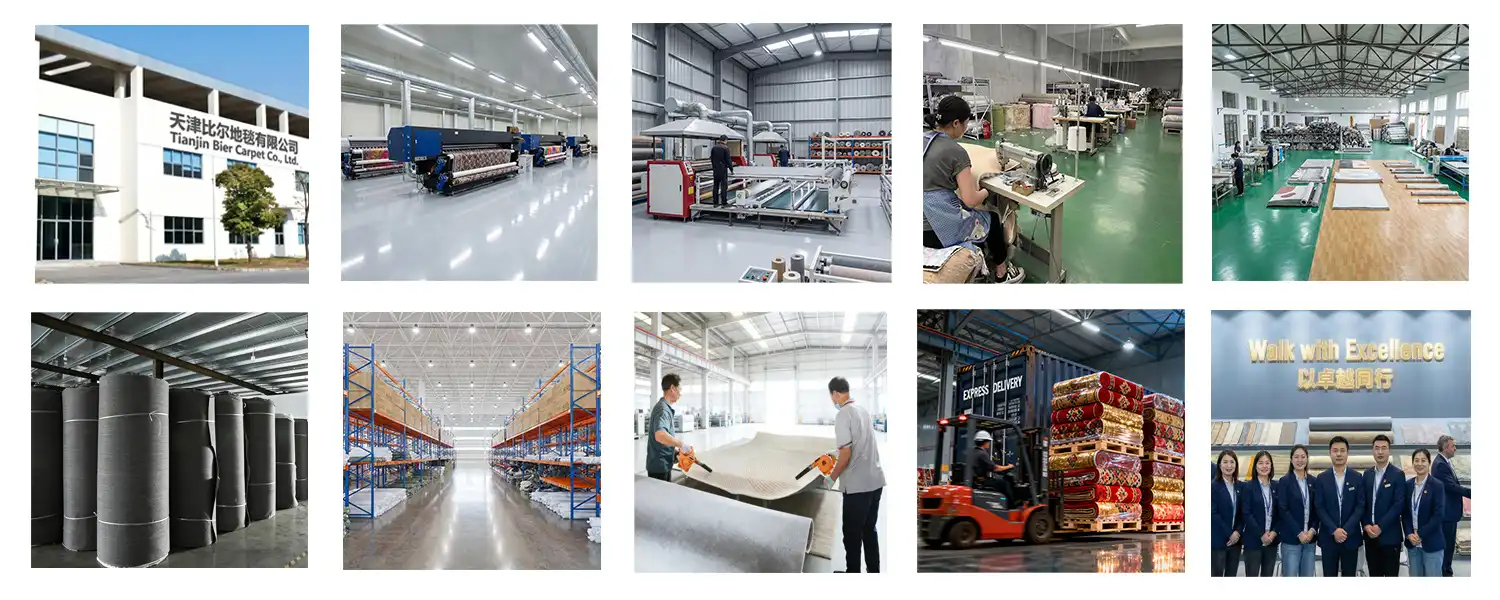
There are both big companies that make a lot of rugs and small companies that focus on narrow markets when it comes to sustainable rug suppliers. Order fulfillment dependability is directly related to production capacity. Facilities that produce 2,000 square meters of goods every day can handle large orders without having to extend wait times beyond the normal 7–15 day range. For foreign purchases, knowing how to package goods for export is very important, because incorrectly filling containers can damage goods and lead to insurance claims. Reliable sellers give thorough loading plans that show how to fold rugs to make the most of the container's space while keeping the pressure even so that the rugs don't get crushed. Help with customs clearance, such as providing the right paperwork and HS code classification, stops delays at the port that affect project schedules.
Service Features That Distinguish Professional Suppliers
Quality assurance programs show how committed a supplier is to working with you for a long time. When manufacturers offer free repair or replacement for printing mistakes, wrong measurements, or cutting mistakes, it shows that they are confident in their production systems. Dedicated account management makes sure that repeat orders are scheduled first, which is especially helpful for chains that need to keep the same supplies in multiple locations. Progressive suppliers offer pattern optimization suggestions based on new design trends, which adds consultative value to relationships that go beyond transactions. The ability to make samples that are exact copies of the quality of mass production gets rid of the gap between accepted prototypes and delivered goods, which is a common problem in foreign procurement. Companies that have been making things for ten years or more usually have process maturity that newer companies don't have. This is shown by their consistent product quality and ability to solve problems.
Current Market Dynamics and Emerging Trends
As material science improves and government regulations get stricter, the market for sustainable flooring keeps changing. The idea of a circular economy is driving the creation of rugs that can be taken apart so that the top materials can be separated from the backing so that each part can be recycled separately. Digital printing technologies allow for shorter production runs with lower setup costs. This means that customization is now possible for orders that were thought to be too small before. Transparency in the supply chain has become a requirement for buyers, who want to know where the fiber comes from, how much energy is used during production, and worker safety standards. Because of these trends, suppliers who compete only on price are less likely to invest in documentation systems and process improvements. When procurement professionals build relationships with suppliers, they should look at both the suppliers' current capabilities and their innovation paths to see how flexible they will be in the future.
Conclusion
Sustainable rugs like eco friendly washable rugs combine caring for the environment with practicality, providing real benefits in terms of longevity, upkeep costs, and occupant health. Washable designs made of materials like fake cashmere surfaces and TPR backing get rid of the need to choose between how something looks and how well it works. When making purchasing choices, looking at things like licensing needs, total cost of ownership figures, and source capability ratings leads to better results than just focusing on price. As the market for eco-friendly floor covers has grown, buyers no longer have to choose between performance and sustainability. Instead, they can find goods that meet all of their needs while also helping companies meet their social responsibility goals.
FAQ
What makes a rug truly eco-friendly beyond marketing claims?
Real eco-friendly rugs have third-party certifications, like OEKO-TEX Standard 100, that say they don't contain over 300 harmful chemicals, such as heavy metals and formaldehyde. Recycling polyester, using natural rubber backing instead of PVC, and using water-based dyes are all signs of real sustainability. Instead of trusting general environmental claims, buyers should ask for up-to-date certification documents and information on the materials used.
How many wash cycles can commercial-grade washable rugs withstand?
Quality washing rugs keep their shape and color after 50 or more washes if they are cleaned according to the instructions. The TPR backing and machine-woven construction with edge-locking keep the rug from coming apart and fraying, which shortens the life of most rugs. If you clean them properly with cold water and mild detergents, they will last longer, which makes them good for high-traffic hospitality settings.
Do sustainable rugs perform adequately in high-traffic commercial spaces?
When it comes to longevity, modern sustainable rugs are on par with or better than traditional choices. The 1000g/◥ weight and high-density machine weave make the surfaces resistant to crushing and keep their look longer than industry standards. The 3mm pile height makes mechanical cleaning easier, and the non-slip TPR backing keeps the rug stable on tile and wood floors, meeting the needs of places like restaurants, hotels, and stores.
Partner with bier for Your Sustainable Flooring Solutions
Bier offers complete solutions for procurement managers looking for dependable providers of eco friendly washable rugs. Our factory makes 2,000 square meters of products every day. We have 10 years of experience in the field and are certified by CE, OEKO-TEX, ISO 9001, and REACH. We offer custom heat transfer printing and laser cutting services with sample response times of 24 to 48 hours, flexible minimum order amounts, and account management for customers who place multiple orders. Our quality guaranty covers any mistakes in production and includes free rework. We also use the best export packaging to make sure your order arrives undamaged. Email our team at sales@biercarpet.com to talk about your specific needs and get free samples that show how committed we are to quality and sustainability.
References
1. Johnson, M. & Chen, L. (2023). "Sustainable Materials in Commercial Flooring: Performance Analysis and Lifecycle Assessment." Journal of Interior Design Studies, 48(3), 234-251.
2. Environmental Textile Consortium (2024). Annual Report on Eco-Certification Standards in Floor Covering Manufacturing. Brussels: ETC Publications.
3. Rodriguez, A. (2023). "Total Cost of Ownership Models for Commercial Flooring Procurement." Facility Management Quarterly, 17(2), 89-107.
4. International Standards Organization (2024). ISO 9001 Implementation Guidelines for Textile Manufacturing Quality Control Systems. Geneva: ISO Press.
5. Williams, K. & Thompson, R. (2024). "Recycled Materials in Interior Textiles: Material Science and Performance Characteristics." Sustainable Design Review, 12(1), 45-68.
6. Global Procurement Institute (2023). Best Practices in B2B Sustainable Product Sourcing: Case Studies from Hospitality and Retail Sectors. London: GPI Research Division.
Send Inquiry

Related Industry Knowledge
- Why Choose High End Shag Rugs for Luxury Residential Projects?
- Custom Long Corridor Carpet Enhances Hotel Hallways with Better Acoustics
- Export Quality Faux Cashmere Rug for International Markets
- How to Clean and Maintain a Rose Flower Rug Properly?
- Modern Nursery Rug Guide for Creating a Calm Nursery Atmosphere
- Choosing dimensional rugs
- Where Can You Buy High Quality Japanese Print Rugs Online?
- Chunky Loop Carpet for Modern Homes: Durable & Stylish Flooring
- Affordable Flannel Carpet Supplier for Bulk Orders
- The Ultimate Guide to Jute-proof rug