
Choosing dimensional rugs
Jul 01, 2026
When choosing dimensional rugs, it's important to think about how they will look, how long they will last, and how much they will cost. This is especially true for procurement managers who are looking for rugs for business spaces, hospitality places, and retail settings. These textured floor coverings look like they have many layers because they were made using advanced methods. They are also more durable and easier to customize than normal flat-weave options. The choice goes beyond how it looks; it includes choosing the right materials, following upkeep rules, making sure the seller is reliable, and making sure the product meets international safety standards. Businesses can get high-performing goods that fit with their brand, can stand up to a lot of foot traffic, and keep the same level of quality in all of their sites by understanding these factors.
Understanding Dimensional Rugs: Materials, Styles, and Manufacturing Process
What Defines a Dimensional Rug?
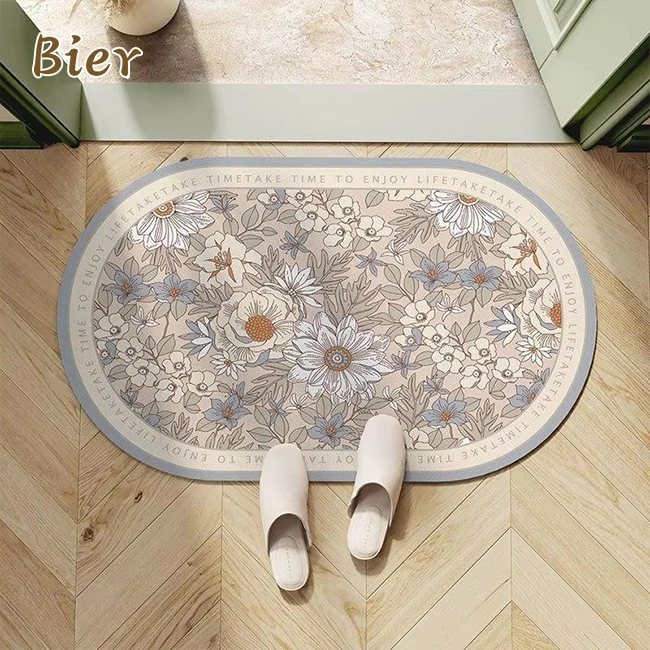
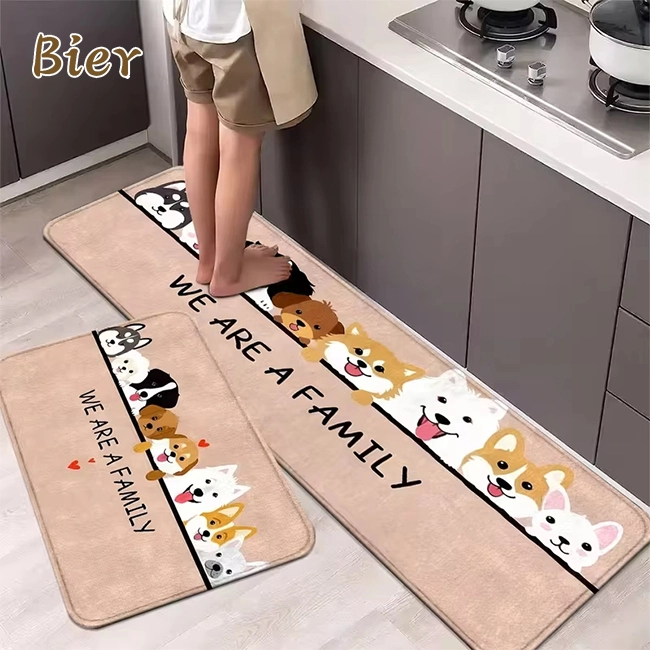
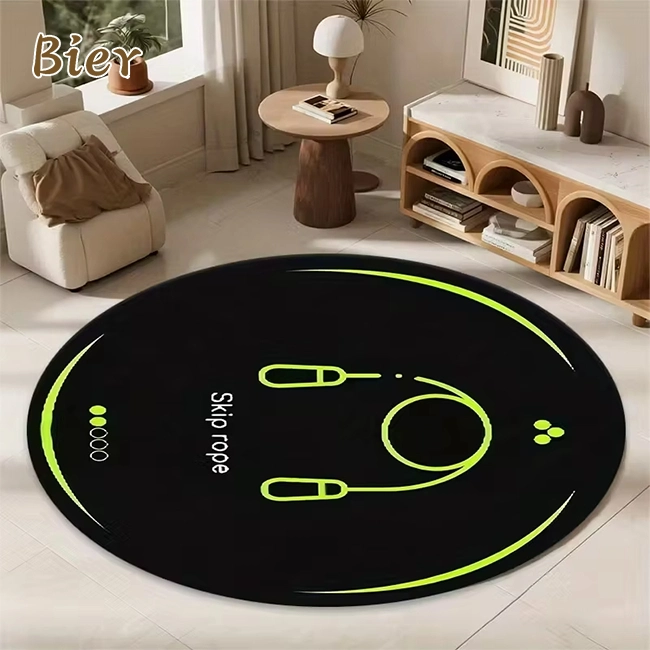
This word refers to floor covers that have different pile heights, embossed designs, or stacked construction that give them a tactile depth. Unlike flat rugs that are all the same, these patterns have sculptural parts that interact with light to make shadows and add depth to the design. Synthetic fibers like flannel polyester and high-density tufting systems are used together in modern production to make fabrics that look good and last a long time. A normal commercial-grade product might have a 3mm pile height on top of a 6mm base thickness. It would also have a pointed plastic backing that makes it less slippery on shiny floors.
Material Science Behind Commercial Performance
These days, flannel fabric is mostly used because it lasts longer and is easier to clean. This material feels like real cashmere and is soft, but it doesn't soak up water or stains as well as wool mixes do. The fiber structure makes it possible to print with great accuracy using heat transfer. The colors are locked at the molecular level, so they don't fade when exposed to UV light or cleaned over and over again. When high-density weaving is paired with 0.6cm lock stitch intervals, the fabric has great physical stability—it won't ripple or stretch even in damp places or under moving furniture.
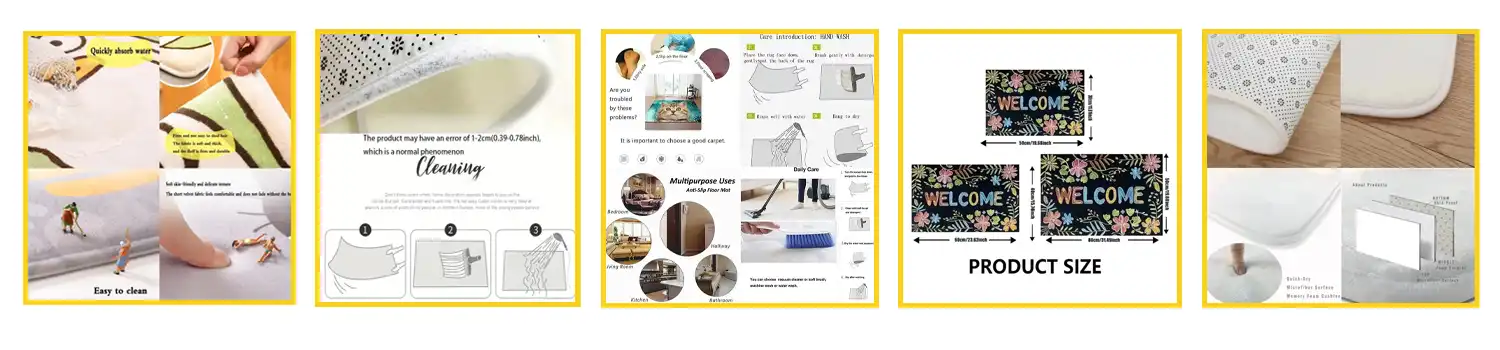
The pointy plastic layer on the back has more uses than just keeping you from slipping. Its rough surface sticks to floor surfaces without leaving behind any glue, which makes it easy to set up temporarily for events or seasonal store displays. The total weight of 800g/m² is heavy enough to keep the fabric from bunching up while it is being vacuumed, but light enough to ship easily in roll-packed cases.
Manufacturing Methods That Drive Quality
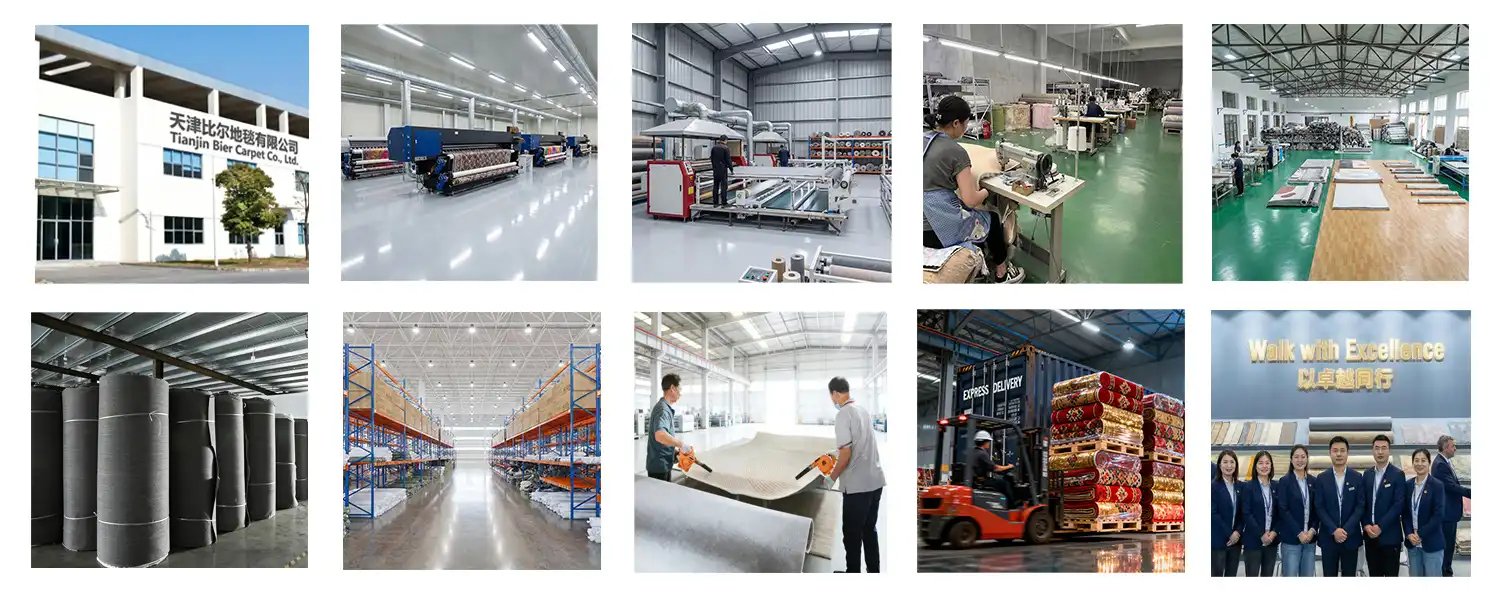
Pattern copying has changed a lot thanks to advances in digital printing technology. With heat transfer methods, images can now be as clear as photographs, and the colors are always the same across production runs. This is very important for chain stores that want to keep their brands consistent. Laser cutting gets rid of the ragged edges that come with mechanical blade systems. This leaves clean edges that won't break after years of being used.
How well the manufacturing cycle works has a direct effect on how long a project takes to finish. Large-scale hotel upgrades or multi-location store rollouts can be done on short notice in facilities that can produce 1,000 square meters of flooring every day. This production speed, along with the ability to turn around samples in 24 to 48 hours, meets the needs of event planners and holiday marketing campaigns that need to make decisions quickly.
Comparing Dimensional Rugs with Other Rug Types: Making Informed Choices
Performance Metrics Across Rug Categories
Dimensional rugs are a unique type of carpet that sits between low-pile industrial broadloom and high-maintenance luxury pile carpets. Their 3mm pile height is just the right length—short enough to keep debris from building up but thick enough to reduce noise. This standard is especially useful in open-plan offices that need to absorb sound without making the space look heavy.
Comparing dimensional versions to standard tufted rugs shows that they keep their edges better. With laser-cut edges and heat-sealed fibers, you don't need binding tape or serged edges. This cuts down on installation time and improves the look over time. While flatweave options are easier to clean, they don't have the same tactile richness as dimensional construction. This makes them less suitable for high-end dining settings where brand impression is based on sensory experience.
Thickness and Its Operational Implications
In areas with a lot of foot traffic, the 6mm total width makes a real difference. This measurement gives enough cushioning to keep store workers and restaurant servers from getting tired legs after standing for long amounts of time, which has a direct effect on workplace comfort measures. The thickness also hides small substrate flaws, so it can be installed over imperfect floors without showing through the surface. This saves a lot of money on remodeling projects.
Commercial sites would not be able to clean as well with thicker structures. The 3mm pile height means that industrial vacuum systems can keep sucking effectively without the need for special tip adapters. This makes cleaning easier. Because they are machine-washable, whole sections can be deep cleaned without the need for professional extraction tools. This lowers the cost of care for buildings that have their own cleaning teams.
How to Choose the Right Dimensional Rugs for Your Business Needs
Defining Use Case Parameters by Industry Segment
Operators in the hospitality industry value the ability to fight stains and dry quickly. Anti-stain treatments keep hotel hallways and meeting rooms clean by repelling liquid spills during events. This keeps accidents like coffee or wine from leaving lasting damage. The cotton polyester mix dries quickly—hours instead of days—so that the item isn't out of use for long periods of time while it's being cleaned.
To keep up with visual marketing standards, retail chains need patterns to be the same in all of their sites. With heat transfer printing technology, a custom logo rug made for a main store in New York will match exactly with new orders for stores on the West Coast that come in months later. This color stability lasts through cleaning cycles, so the brand's purity stays strong for the life of the product.
Worship spaces have special needs, like surfaces that are soft enough to walk on barefoot while also being strong enough to handle heavy wear. The cashmere-like cloth surface shows respect, and the high-density weave structure keeps high-kneeling areas from getting too crushed too soon. With custom sizing choices, you can get a perfect fit around building features like altars or high platforms without any seams showing.
Critical Evaluation Criteria for Supplier Selection
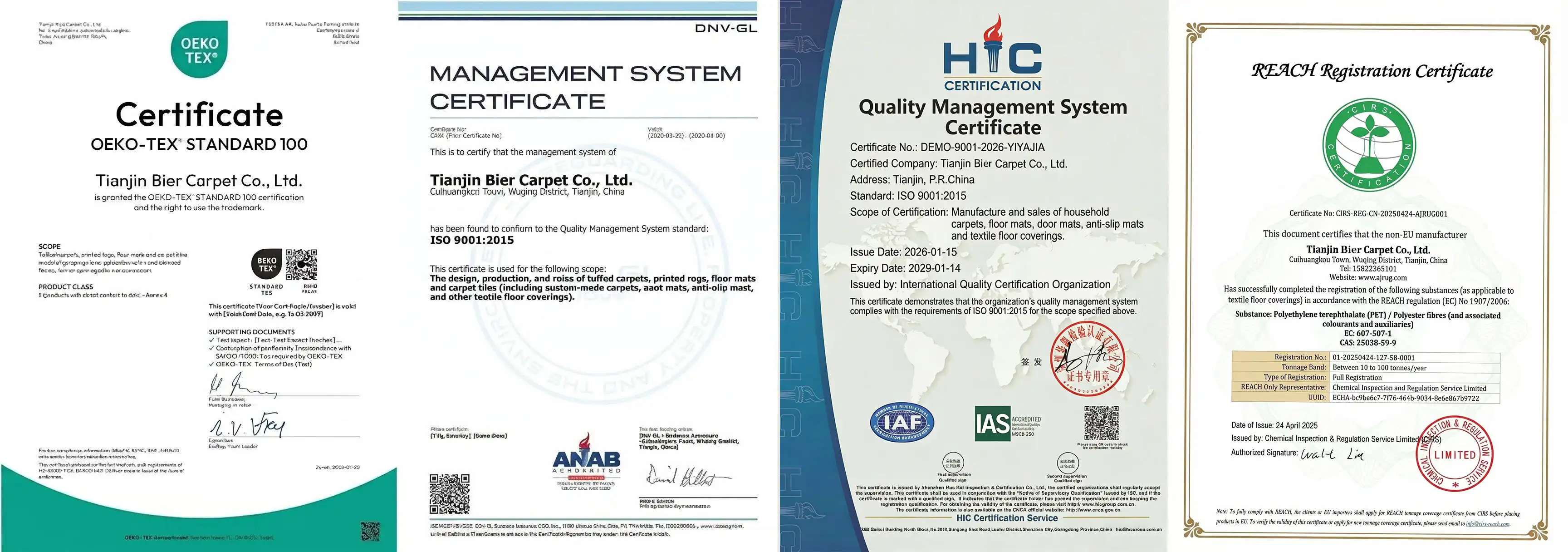
Certification shows that you are committed to meeting standards that are unique to the business. CE marking shows that it meets European safety standards, and OEKO-TEX approval shows that it doesn't contain any harmful chemicals, which is becoming more and more important for public places that serve vulnerable groups. An ISO 9001 certification means that the company uses organized quality management methods instead of random inspections.
Customization options go beyond just printing patterns. OEM and ODM services let sellers build their own product lines with private labels. Minimum order sizes that aren't too strict can be used for both big commercial projects and smaller setups in shops. This lets businesses grow as their client bases do.
Maintenance and Longevity: How to Care for Dimensional Rugs
Cleaning Protocols Tailored to Material Properties
The anti-stain surface treatment makes regular upkeep a lot easier. Using professional upright vacuums to clean the carpet every day gets rid of particles before they get stuck in the fibers. For wet pollution, blotting right away and then using a neutral pH cleaner stops the color from setting. Because synthetic fibers dry quickly, places that have been cleaned can go back to work after just one shift change.
The ability to wash machines has completely changed the economy of deep cleaning. Facility managers don't have to pay for expensive hot-water extraction services. Instead, they can take apart modular parts and use industrial laundry tools to clean them. Restaurants and bars that get dirty a lot from food will find this method to be especially cost-effective. Hand-washing delicate custom-printed designs with mild soaps and letting them dry naturally will keep the pattern's brightness.
Preventing Common Degradation Issues
Locked-in colors that can stand up to both UV light and chemical cleaners make the fabric resistant to fading. This stability keeps the colors from running in places with floor-to-ceiling windows or skylights, which happens with cheaper printed rugs. Regular shift plans spread out wear patterns more widely, which makes replacement rounds longer.
Pile crushing doesn't happen very often in setups that are set up correctly. Even though safety pads should still be used under casters, the high-density design means that static furniture loads won't compress it. Edge curling, a common way for backed rugs to fail, is avoided by laser-cutting the edges precisely and heat-sealing the edges so they stay flat without any mechanical binding.
Procurement and Purchasing Guide: Where and How to Buy Dimensional Rugs
Evaluating Direct Manufacturer Relationships
When compared to distributor networks, buying straight from production sites has a lot of benefits. Manufacturers who can do both heat transfer printing and laser cutting for dimensional rugs can control the whole process, from creation to delivery. This gets rid of the communication problems that come with supply chains with many parties. Having access to engineering teams during the development of specifications makes sure that the custom sizes, backing materials, and pattern setups meet the needs of the installation process before production begins.
An important thing to think about when buying things is export-grade packing. Roll packaging in moisture-resistant wrapping keeps goods safe while they're being shipped by ocean freight, and box packaging works for shipping by air when project deadlines require faster delivery. Expertise in container optimization lowers the cost of shipping per unit. Suppliers with a lot of experience figure out the best way to load a container so that it can hold more square meters without damaging the goods inside.
Negotiating Terms for Volume Commitments
Long-term partnerships are good for both parties because they make it easier to plan orders and set prices based on volume. Setting up yearly purchase deals with staged deliveries lets makers get the most out of their production runs and gives buyers peace of mind about costs for planning. Dedicated account management makes sure that repeat orders get priority production slots, which is very important for store chains that want to do regular rollouts at the same time.
Sample programs lower the risk of making a bad choice by letting people test them out physically before making big promises. Within 48 hours, rapid prototyping services send full-size models that match the final specs. This lets project teams check the accuracy of the colors, the way the textures feel, and how the products will install. This physical step of evaluating cuts down on refunds and unhappy customers much more than digital models or material swatches.
Verifying Compliance Documentation
For international trade to happen, a lot of paperwork is needed, not just product specs. Manufacturers who keep test records from approved labs show proactive compliance management instead of reactive approval. Chemical safety for markets in the European Union is confirmed by REACH registration, while U.S. consumer product safety rules are covered by CPSC compliance. These certificates make clearing customs easier and lower the risk of detention, which can slow down the end of a project.
Structures of warranties show how confident manufacturers are in their products. Full coverage of delamination, premature wear, and color stability is a sign of strong quality processes. Clear policies for rework and replacement, including taking on the logistics costs for broken goods, protect buying budgets from unexpected costs, and make suppliers more responsible.
Conclusion
When you choose dimensional rugs carefully, your floor covering choices go from being about style to being about function. When you combine the long-lasting flannel polyester with the accuracy of digital printing and the high-density construction, you get performance metrics that meet the needs of demanding business uses. To make procurement work, you need to make sure that the material specs match the needs of the use case and that you work with makers who can offer customization options, compliance paperwork, and reliable delivery schedules. The low cost of upkeep and long life of properly specified goods make their total cost of ownership positive, which is why they should be priced higher than commodity options.
FAQ
What makes dimensional rugs more durable than standard options?
The high-density tufted structure with 0.6cm lock stitch intervals keeps the pile from coming apart even when there is a lot of foot traffic. Polyester fibers in flannel fight wear and tear better than natural materials, so the fabric's look stays the same after thousands of rounds of foot traffic. The 6 mm diameter and pointed plastic backing spread the load forces out widely, which stops any one spot from getting crushed.
Can I customize patterns for specific branding requirements?
Any drawing file with a photographic quality can be used for heat transfer printing. Different production runs of the same product will have the same custom names, repeating designs, or full-color graphics. The minimum order quantity stays the same, so it can be used for both large-scale chain operations and smaller installs that need custom designs.
How do environmental considerations factor into product selection?
OEKO-TEX approval proves that there are no harmful chemicals, which meet the standards for green building. The production of manufactured fibers needs less water and chemicals than the production of natural fibers. Being machine-washable means that harmful extraction cleaning methods are not needed as often. This has a positive effect on the environment throughout the whole duration of the product.
What delivery timelines should procurement managers expect?
Normal production processes end 7–15 days after an order is confirmed. Samples are made within 24 to 48 hours of acceptance of the design. After the final review, export packing and container loading can begin right away. Freight transit times depend on the location of the final target port. Dedicated transportation planning makes sure that arrival times are always the same.
Partner with Bier for Premium Dimensional Rugs Solutions
Bier has ten years of experience making dimensional rugs, which helps procurement managers who are looking for trusted sources. Every day, our plant makes 1,000 square meters, which helps meet tight project deadlines without compromising our 100% pre-shipment inspection procedure. The combination of advanced heat transfer printing and laser cutting technology lets you make patterns that are exact matches for your brand while keeping the colors bright and true over many order rounds. We offer OEM and ODM services with flexible minimum orders that can handle both large-scale business projects and one-of-a-kind custom orders.
Comprehensive compliance documentation—including CE, OEKO-TEX, ISO 9001, and REACH certifications—streamlines your international procurement processes. Our export-grade packaging and container optimization expertise reduce logistics costs while ensuring product integrity during transit. Contact our dedicated account team at sales@biercarpet.com to request samples that demonstrate the superior texture and durability of our flannel polyester construction, or discuss how our customization capabilities can solve your specific flooring challenges.
References
1. Miller, R. (2021). Commercial Flooring Materials: Performance Standards and Specification Guidelines. Interior Design Publishing.
2. Thompson, L. & Chen, H. (2020). "Synthetic Fiber Innovations in High-Traffic Floor Coverings." Journal of Textile Engineering, 45(3), 112-128.
3. National Floor Covering Association. (2022). B2B Procurement Best Practices for Commercial Interiors. NFCA Industry Report.
4. Anderson, K. (2019). Hospitality Design Standards: Material Selection for Durability and Maintenance. Architectural Press.
5. European Committee for Standardization. (2023). EN 1307: Textile Floor Coverings - Classification of Pile Carpets. CEN Technical Standards.
6. Williams, D. (2020). "Life Cycle Cost Analysis of Commercial Carpet Systems." Facilities Management Quarterly, 38(2), 67-82.
Send Inquiry
Related Industry Knowledge
- What Materials Are Used in Japanese Print Rug Production?
- What is a Silica thread rug? Material, Benefits and Placement
- Everything You Need to Know About Jute Rugs
- Ultra Soft Faux Cashmere Rug for Family Homes
- How Jute Rugs Are The Best Option For Your Home This Summer?
- Jute-proof rug: How to Take Care of Them
- The best jute rugs : how to make the ideal choice for your interior design project?
- Modern Flannel Carpet for Cozy Home Interiors
- Transforming Hallways with Long Runner Rugs
- Choosing the Perfect ruggable bedroom