
Silk Thread Carpet Features for Luxury Interior Applications
Aug 28, 2026
When sourcing premium flooring solutions for upscale commercial spaces, understanding the distinction between various fiber-based carpets is essential. Silk thread carpets represent a refined category within luxury interior design, offering unmatched elegance and durability. These products differ significantly from industrial-grade silica thread rugs, which are engineered for extreme heat resistance in manufacturing settings. Silk thread carpets blend natural and synthetic fibers to deliver softness, visual richness, and long-lasting performance tailored specifically for hotels, retail environments, and high-end residential projects. This guide explores the material composition, performance advantages, and procurement strategies that help sourcing managers and purchasing directors make confident decisions when selecting carpets that balance aesthetic appeal with operational reliability.
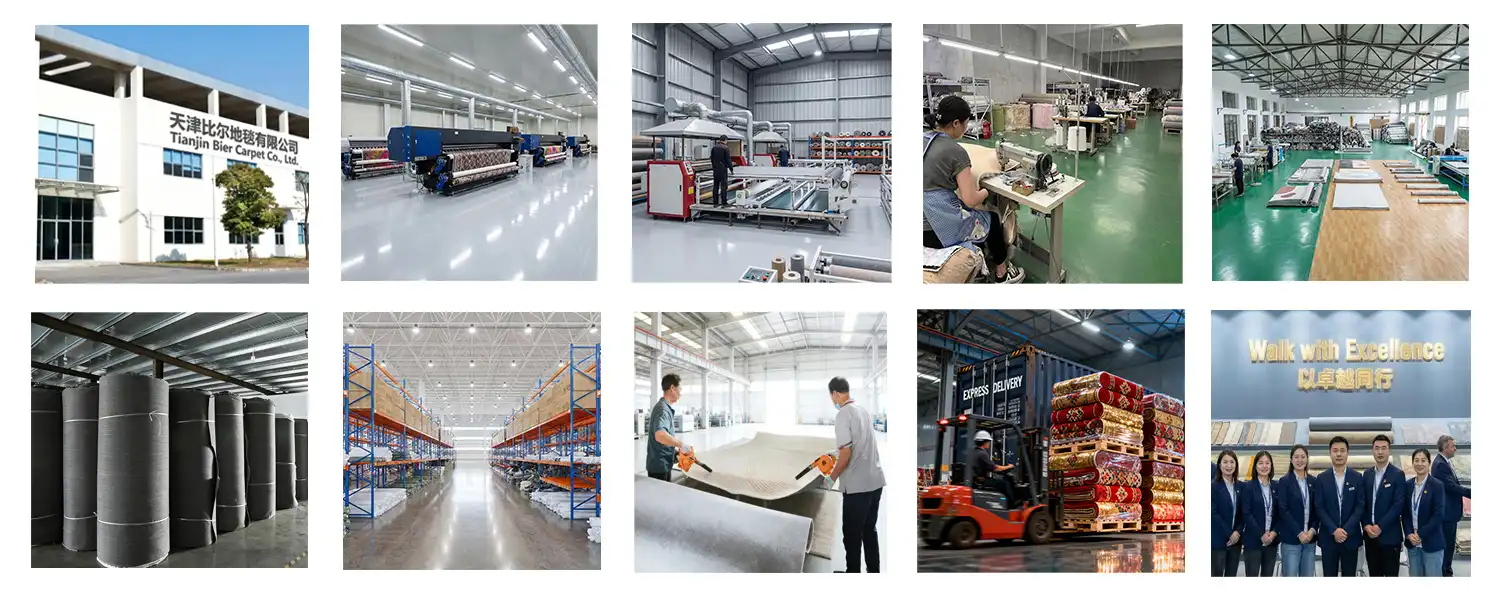

Understanding Silk Thread Carpets and Their Material Composition
What Defines Premium Silk Thread Carpets?
Silk thread rugs have high-end top layers and designed backing systems that work together to make floors that look good and work well. Our Diatom Silk Carpets have a wool-blend top layer and a cotton fabric backing. The natural fibers look nice and last longer thanks to the backing. This 11mm thick construction weighs a substantial 2300g/, giving it a solid feel underfoot that doesn't buckle in areas with a lot of foot traffic. The high-density tufted structure keeps looking good even after years of use, which makes it perfect for places like hotel lobbies, high-end store displays, and senior offices where first impressions are important.
Material Innovation and Sustainability Credentials
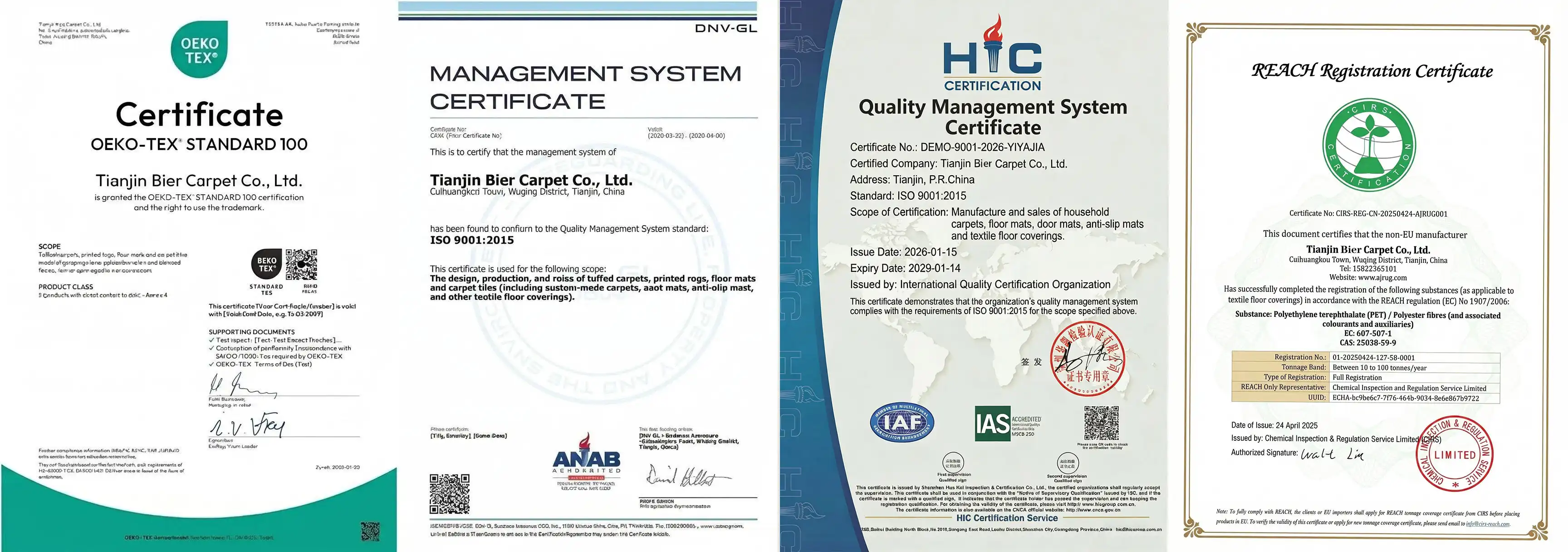
Modern silk thread rugs use materials that are better for the environment without lowering their quality. Wool fibers in the diatom silk blend naturally control wetness and stop static electricity from building up, which helps make business buildings' indoor air quality better. Unlike completely fake options, these wool-blend surfaces are safe, which means they don't collect allergens. This eases the minds of facility managers who are responsible for the health of their tenants. Our manufacturing process follows the rules set by CE, OEKO-TEX, ISO 9001, and REACH. This makes sure that chemicals are safe and that the product has little to no effect on the environment over its entire lifecycle. This certification package gives quality control teams the proof they need to meet green requirements set by companies and building certification standards like LEED.
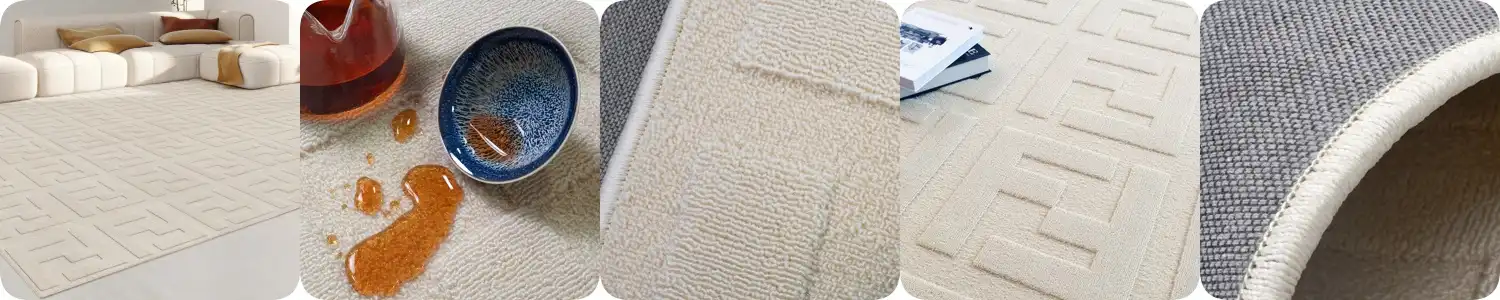
Structural Durability for Commercial Applications
The way premium silk thread carpets are put together has a direct effect on how long they last in tough environments. Our edge-locking method uses a 1cm reinforced border to stop fraying along seams and transitions, which is a common place where lower-quality products fail. The cotton cloth backing keeps the shape and doesn't buckle when it's put down over baseboard heating or in places where the temperature changes. This structural integrity lowers maintenance costs over the carpet's useful life, giving procurement managers who are looking at bulk orders for rollouts in multiple locations a better total cost of ownership. With standard sizes ranging from 140x200cm to 300x400cm and the option for custom sizes, these carpets can fit a wide range of architectural layouts without creating too much waste during installation.
Key Benefits and Performance Features for Luxury Interior Applications
Aesthetic Versatility Across Design Concepts
When it comes to luxury interior projects, the flooring needs to be able to change to new design ideas while still staying true to the brand, and a Silica thread rug offers this versatility. There are three main ways to style our silk thread carpets: solid color choices for simple beauty, printed patterns that include elements of brand identity, and fully unique designs made through our OEM/ODM services. The heat transfer printing method we use locks bright colors into the fiber structure. This stops the colors from fading over time, which can happen in sun-filled shop areas or hotel atriums. High-precision laser cutting makes detailed patterns with smooth edges that don't have any of the burrs and tearing that make professional installations less reliable. Brand managers who are in charge of multi-property renovations where pattern consistency across batches is a must like this mix of visual flexibility and technical precision.
Maintenance Efficiency for High-Traffic Zones
Operational costs go far beyond the original purchase price. This is especially true in business and hotel settings where cleaning crews work every day. Our silk thread rugs have a stain-resistant surface treatment that makes them easier to clean by stopping spills from going straight into the fibers and sticking to the surface. This waterproof barrier keeps the cotton backing from getting damaged by water, so it can be used for longer in areas where food is served, events are held, and hotel hallways. The non-slip bottom layer improves safety by making it harder to move around on. This reduces liability concerns for project managers who are in charge of public spaces. Maintenance teams like these performance features because they cut down on the time workers need to do spot cleaning and emergency fixes. This helps property portfolios' running budgets stay low.
Comparing different types of materials helps explain why silk thread rugs work better in some situations than others. Wool rugs are naturally strong, but they need to be cleaned more thoroughly and show signs of wear more quickly in business settings. Cotton mats let air flow through them, but they're not dense enough for wheeled traffic in offices. Synthetic options don't stain as easily, but they don't always feel as nice on the feet and can make static electricity in dry places. Silk thread carpets strike a balance between these two options by combining the soft feel of wool with synthetic durability improvements. This makes a product that pleases both creative directors who care about how guests feel and operations managers who care about how often the carpet needs to be replaced.
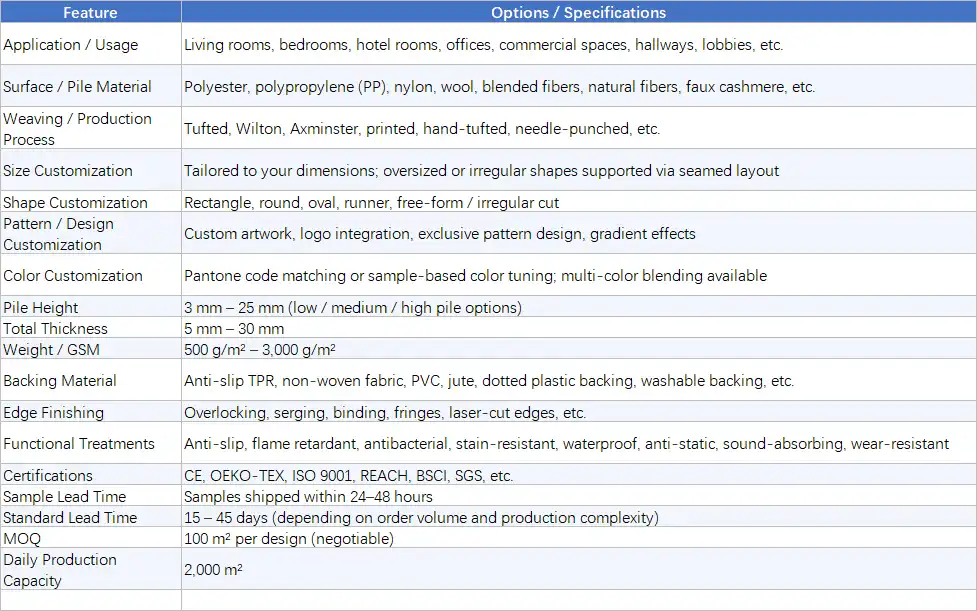
Performance Metrics That Matter to B2B Buyers
With quantifiable specifications, procurement teams can compare products from different suppliers in a fair way. Our carpets' 2300g/ gram weight means they are packed densely with fibers that don't get squished under furniture legs or from foot traffic. This is very important for hotel guest rooms that have heavy case goods. The 11mm thickness provides acoustic dampening that lowers noise transfer between floors in multi-story buildings. This helps solve problems in mixed-use projects where apartments are above shops. Our daily production capacity of 1,000 won allows us to work on big projects with tight deadlines. This is because we don't have to worry about shipping delays, which can cause projects to be finished after the lease starts or during peak season.
Procurement Considerations for B2B Clients
Supplier Evaluation and Risk Mitigation Strategies
When choosing carpet suppliers for deployments in multiple locations, sourcing directors are always under pressure to find the best balance between cost and quality for a Silica thread rug. Reputable manufacturers offer full traceability through their quality control systems, which include pre-shipment inspection reports that show consistent color, size, and structural integrity across production runs. Our 100% inspection protocol makes sure that every square meter meets the requirements before the container is loaded. This cuts down on the expensive problems that happen when damaged shipments get to job sites. With factory-direct sourcing, you don't have to pay markups to distributors, and you can talk to technical teams directly. These teams can change output factors to meet the needs of different regions, like adding flame-retardant treatments for places with strict building codes.
Customization Workflows and Sample Evaluation
Buying a lot of carpet usually starts with looking at samples to make sure that the supplier's skills match the project's needs. We make samples in 24 to 48 hours using the same heat transfer and laser cutting technology that is used for mass production. This way, we can be sure that the samples will have the same design and dimensions as the finished goods. This ability to quickly sample speeds up the decision-making process for event production companies that are working under tight deadlines or retail chains that are refreshing their stores for the season. Before placing bulk orders, the sample evaluation step lets QA teams try the products on their own to see how well they hold color, fight wear and tear, and don't catch fire. This lowers the financial risk that comes with working with suppliers who haven't been tried. Our OEM/ODM framework lets you add your name, match colors to brand standards, and change sizes to fit special building features without having to pay for tooling, which drives up the cost of small batches.
Logistics and Compliance for International Orders
Export-ready packing and customs paperwork are important but often forgotten aspects of purchasing. Our standard packaging uses moisture-proof roll packaging or reinforced carton systems that can handle the humidity in the container and the stress of handling during shipping across the ocean. Optimized estimates for loading containers make the best use of room by lowering the cost of freight per unit, which affects the landing price for buyers across borders. The logistics team works directly with freight forwarders to make sure that all the necessary paperwork is in order. This keeps clearance times to a minimum so that there aren't any delays that cause port demurrage charges or construction schedules to be thrown off. Giving full test reports that are in line with the standards of the target market, whether they are North American ASTM specifications or European EN standards, makes clearing customs easier and meets the needs of general builders, who are ultimately responsible for following the building code.
Future Trends and Innovations in Silk Thread Carpet Manufacturing
Technological Advancements Reshaping Production
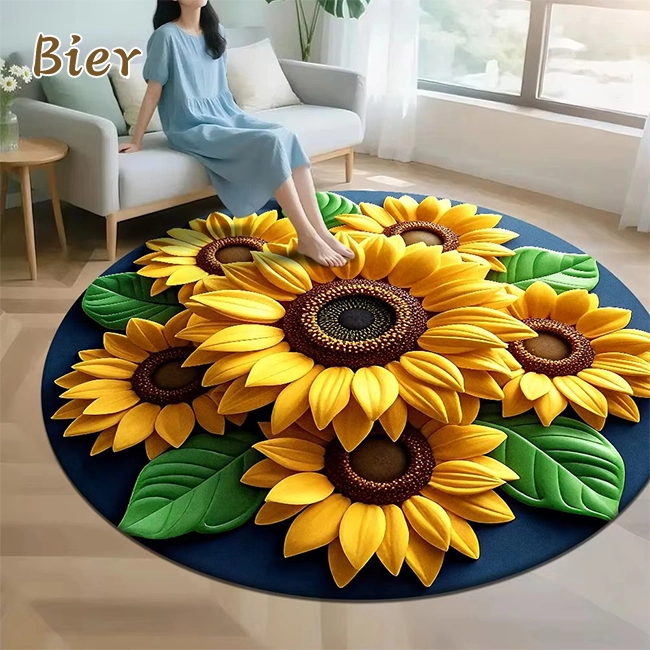
Manufacturing innovations keep making silk thread carpets more versatile in terms of design and performance. Photographic image resolution can now be achieved on cloth surfaces by advanced digital printing systems. This means that architectural firms can use brand images or artistic paintings in flooring installs. Three-dimensional painting methods change the surface in ways that add depth to the image while still making it easy to clean in business settings. These technological advances are in response to rising demand from stores that focus on experiences and boutique hotels that set themselves apart through immersive design. Innovations that focus on sustainability include bio-based backing materials and closed-loop coloring methods that use less water and chemicals and meet corporate responsibility requirements that are becoming more important in choosing suppliers.
Market Evolution and Buyer Preference Shifts
The priorities of global B2B buyers are still changing beyond the old ways of calculating price and quality. Procurement experts now put a lot of emphasis on supply chain openness. They look for partners who can show them where the raw materials come from and how the workers are treated. As people become more interested in circular economy models, they are looking for carpet take-back programs and recycling programs that cut down on the amount of trash that ends up in landfills when a product's life is over. As brands try to create unique physical settings that help them stand out in the market, customers' standards for customization have grown. This has forced manufacturers to create flexible production systems that can handle low-minimum custom orders cost-effectively. We've put money into modular production and quick changeover processes that make small-batch customization affordable. This helps new brands and small businesses that don't have enough traffic to use standard OEM services.
Conclusion
Combining the beauty of natural fibers with engineered performance features, Silica thread rug gives high-end interiors the look they need and the durability they need. To be successful at procurement, you need to know what the materials are made of, test the capabilities of suppliers thoroughly using samples, and work with manufacturers who have clear quality systems and quick customization services. Our all-around method covers the whole procurement cycle, from the initial design consultation to delivery that is ready for export. This way, we can help sourcing managers, quality control teams, and project leaders make smart decisions. Silk thread carpets are a great choice for hotels, stores, and business developers who want to invest in long-term value because they are made from eco-friendly materials, meet international standards, and have flexible minimum order amounts.
FAQ
What makes silk thread carpets suitable for high-traffic luxury spaces?
The heavy 2300g/ weight, high-density tufted construction, and strengthened edge-locking keep the carpet from compressing and tearing, which can ruin the look of areas that get a lot of use. Treatments that make them stain-resistant and waterproof backing make maintenance easier while keeping the high-end look that luxury brands need.
How do silk thread carpets contribute to sustainable interior design?
These rugs are made with wool-blend fibers, which naturally break down more quickly than synthetic fibers. Chemical safety is ensured by manufacturing that meets OEKO-TEX and REACH standards. Also, the longer lifespan means that products don't need to be replaced as often, which cuts down on waste.
What certifications verify product quality and safety?
Our products are certified by CE, OEKO-TEX, ISO 9001, and REACH, which shows that we take quality control, chemical safety, and environmental duty very seriously. These guidelines, which are known all over the world, meet the compliance paperwork needs of architects, general contractors, and company procurement offices.
Can customization accommodate unique project requirements?
OEM/ODM services allow for custom pattern design, color matching to specific brands, and non-standard sizes without having to meet a large minimum order quantity. Rapid sample production (within 24 to 48 hours) lets project teams see how the customization works before committing to full production runs. This lowers the risk of not meeting the specifications.
Partner with bier for Your Premium Carpet Sourcing Needs
Bier has been making things for ten years and now makes silk thread carpets using a mix of traditional skills and modern quality systems to meet the needs of picky business customers. Our heat transfer printing and laser cutting skills give rollouts in multiple locations the pattern accuracy and visual uniformity they need. As a reliable Silica thread rug supplier with a lot of export experience, we know how hard it can be for international buyers to deal with paperwork and shipping. Contact our team at sales@biercarpet.com to talk about the details of your project and get free samples that show how committed we are to quality, freedom in design, and on-time delivery that fits your project schedules.
References
1. Anderson, M. (2022). Commercial Flooring Specification: Material Selection for High-Performance Interiors. Interior Design Press.
2. Chen, L., & Rodriguez, P. (2023). "Sustainable Textile Manufacturing: Environmental Impact Assessment of Natural and Synthetic Fiber Blends." Journal of Industrial Textiles, 52(4), 487-503.
3. Davidson, R. (2021). Hospitality Design Standards: Flooring Systems for Luxury Hotel Applications. Architectural Publications Group.
4. European Carpet and Rug Association. (2023). Technical Standards for Commercial Carpet Performance Testing. ECRA Guidelines Series.
5. Mitchell, K. (2022). "Supply Chain Risk Management in Global Textile Procurement." International Journal of Operations Management, 41(2), 215-229.
6. Thompson, S., & Wu, J. (2023). Advanced Manufacturing Techniques in Decorative Textile Production. Textile Technology Institute.
Send Inquiry
Related Industry Knowledge
- Silk Thread Rugs vs Traditional Carpets: Key Differences
- Christmas Runner Rugs for the Kitchen Trends for This Christmas Season
- How Do Christmas Runner Rugs for the Kitchen Improve Holiday Decor?
- What Makes a Double Door Christmas Mat Perfect for Holidays?
- Can a Boho Dining Room Rug Enhance Christmas Decor?
- Chunky Loop Carpet Styles for Contemporary and Minimalist Spaces
- Rose Flower Rug Collection Features Elegant Floral Patterns for Homes
- Large area rug for nursery: Stylish & Safe Choices for Cosy Baby Rooms
- Our Top Tips For Choosing The Right Nursery Circle Rug
- Silk and Wool Area Rugs for Living Room and Bedroom Design