
Why Do Commercial Buildings Choose Long Corridor Carpet Solutions?
Aug 13, 2026
Commercial buildings face a unique challenge when selecting flooring for hallways and transitional spaces. Long Corridor Carpet offers a specialized solution designed to withstand the relentless foot traffic, rolling luggage carts, and maintenance demands inherent to hotels, office complexes, retail centers, and healthcare facilities. Unlike standard broadloom options, these corridor-specific carpets incorporate strategic pattern designs, robust backing systems, and acoustic dampening properties that address the "tunnel effect" while reducing noise transmission—critical factors for maintaining professional ambiance and occupant comfort in high-traffic environments.
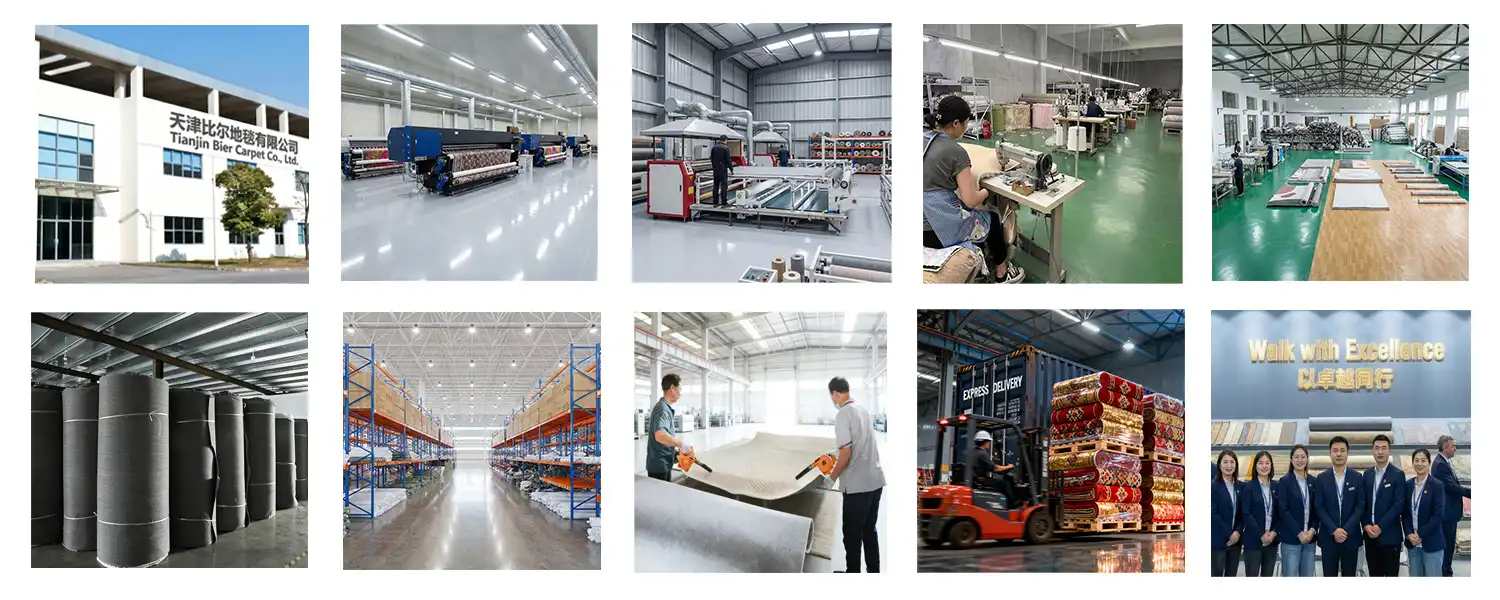
Understanding Long Corridor Carpets in Commercial Buildings
What Defines a Long Corridor Carpet?
There is a special type of business flooring called Long Corridor Carpets that is made for long changing areas. These options are very different from residential runners or regular broadloom because they cover long distances, usually more than 30 meters, without any visible seams. The construction is usually made with high-density weave methods and strengthened backing systems that keep the floors from rippling when there is a lot of traffic.
Traditional wool installations have changed a lot over time to become the Long Corridor Carpet we see today in hallways. Modern solutions use man-made fibers like polyester and high-tech backing materials like dot plastic PVC, which makes the solutions stable in size while still being flexible. This change is in response to procurement managers' needs for consistent performance in a range of climates and usage levels.
Architectural Integration and Design Considerations
Commercial builders define Long Corridor Carpet for hallways not just because it's necessary for functionality but also because it's an important part of the design and affects how people feel about space. Patterns can visually shorten halls that are too long, and color changes can help people find their way, which is especially helpful in healthcare and hospitality settings where guests and patients have to get around in new places.
It is very important to pay attention to the scientific details. A thickness of 5 mm provides enough padding without making door thresholds dangerous for tripping, and gram weights between 750 and 1100g/㎡ make it durable enough for industrial use. These factors have a direct effect on lifetime costs because not meeting the requirements leads to premature wear and expensive replacement processes.
Key Benefits of Long Corridor Carpets for Commercial Buildings
Durability and Maintenance Efficiency
For commercial corridors, the flooring needs to be able to handle constant wear and tear from people walking on it, rolling luggage, cleaning tools, and spills. High-quality Long Corridor Carpets have surface treatments that make them stain-resistant and water-absorbent properties that help with daily maintenance. Facility managers like that these traits directly lead to lower labor costs and longer periods between replacements.
How the construction was done is very important for how long it lasts. Using edge-locking methods and high-density machine weaving stops fraying at seams and corners, which are common places where lower-quality systems fail. When paired with a dot-patterned plastic backing that stops water from penetrating, these rugs stay strong even in damp places or areas where spills are likely to happen.
Safety and Acoustic Performance
Non-slip flooring is an important safety feature in business settings where managing risks is important to avoid legal issues. Quality Long Corridor Carpet has a non-slip surface treatment that works even when the carpet is wet, so accidents and insurance claims are less likely to happen.
Facility managers who aren't familiar with carpet science are often surprised by the sound benefits. Sound travels thru corridors, amplifying conversational noise and foot traffic sounds in rooms next to them. Putting down Long Corridor Carpet greatly reduces the spread of impact sound, making offices and hotels quieter places to work and relax. Alternatives to hard surface floors can't match this ability to block out noise.
Brand Identity and Aesthetic Flexibility
Visual merchandising includes more than just store displays; it also includes the way that commercial spaces are built. Companies can put their brand colors, names, and design patterns right into the floors in hallways by using custom pattern design tools. At every point of contact in a building, this amount of customization reinforces the company identity.
Modern printing technologies, especially heat transfer printing, are very flexible and can make photos that look just like the original design. When purchasing from OEM/ODM sellers, teams can choose basic colors, geometric patterns, or intricate artistic designs that go well with overall interior design themes. This versatility is especially helpful for hotel chains and store names that want to keep their visual standards the same across multiple sites.
How to Choose the Right Long Corridor Carpet for Your Commercial Project
Material Selection and Performance Characteristics
When choosing the right materials, you have to weigh the need for efficiency against the available cash. Crystal velvet polyester fiber has a soft, smooth feel that makes things look more expensive while still being very durable. This choice of material works especially well in hospitality settings where the needs of the guests are the most important thing.
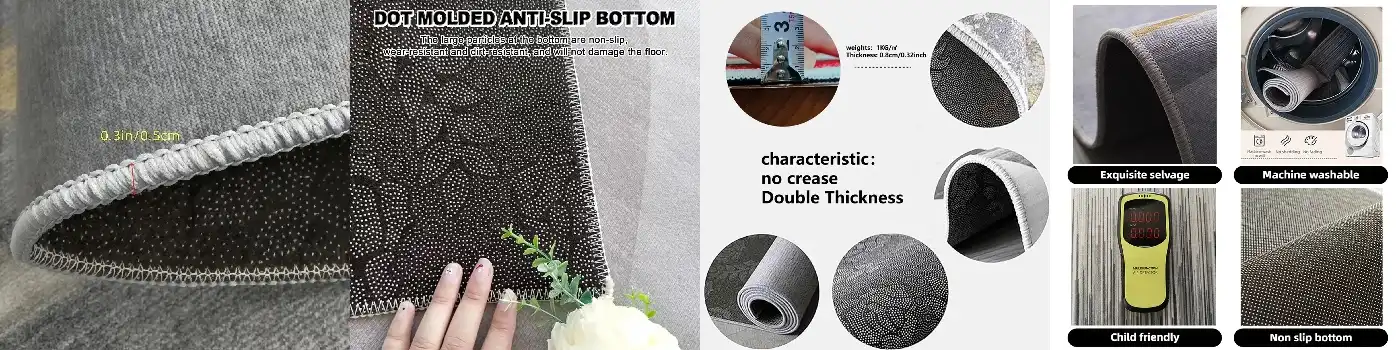
Treatments on the surface should be carefully thot thru. Coatings that are stain-resistant make upkeep a lot easier and keep the Long Corridor Carpet look for a long time. Finishes that are easy to keep up mean that housekeepers can quickly clean up spills using standard cleaning methods, without having to buy special tools or chemicals.
The choice of backing material affects both how well it works and how it is installed. Dot plastic PVC backing is more stable in terms of its shape than jute or synthetic alternatives. It doesn't buckle or stretch, which changes the way it looks and makes it easier to trip. This kind of backing also makes it easier to use different placement methods, such as full adhesive applications or double-stick ways that work better with different types of subfloors.
Customization Capabilities and Lead Times
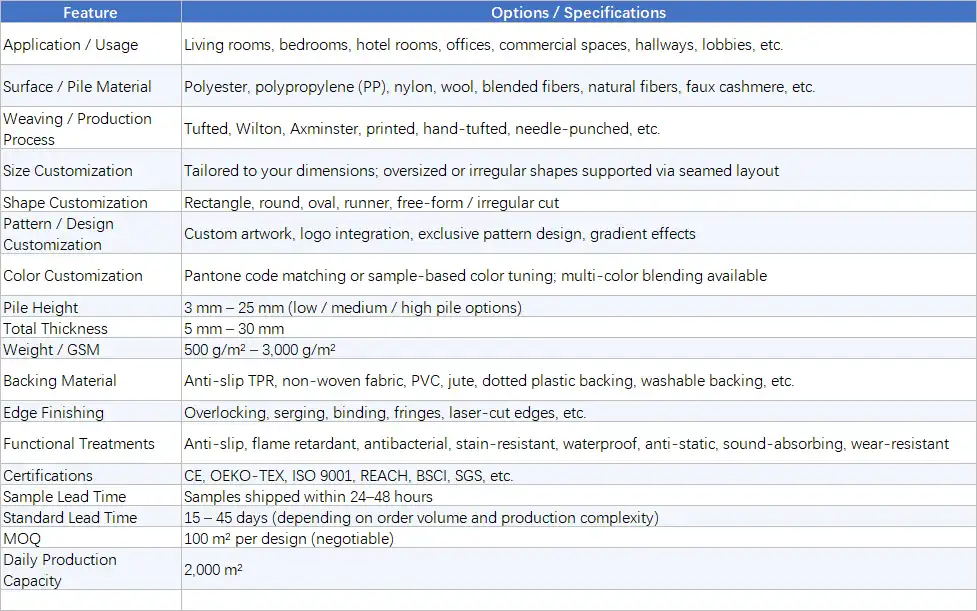
Purchasing managers want more and more customization options that can be tailored to the needs of each project. Giving accurate measurements cuts down on waste and makes installation easier. This is especially helpful in buildings with non-standard hallway widths or layouts. Custom size also cuts down on seams that can be seen, giving the Long Corridor Carpet a more finished look.
Customizing patterns isn't just about how they look; it can also be useful. Placement of patterns in a smart way can hide traffic lines where dirt builds up, keeping the surface looking cleaner between deep cleaning processes. Heat transfer printing technology makes it possible to make samples quickly—usually within 24 to 48 hours—so design teams can look at their options quickly without putting off the project deadlines.
The ability to produce directly impacts the viability of a project, especially for big installations that need to be finished quickly. Because they can make 3000㎡ every day, suppliers can handle large orders while keeping quality standards high. When you combine this production speed with delivery times of 7 to 15 days, you can stick to tight building schedules that are usual in business development.
Supplier Evaluation Criteria
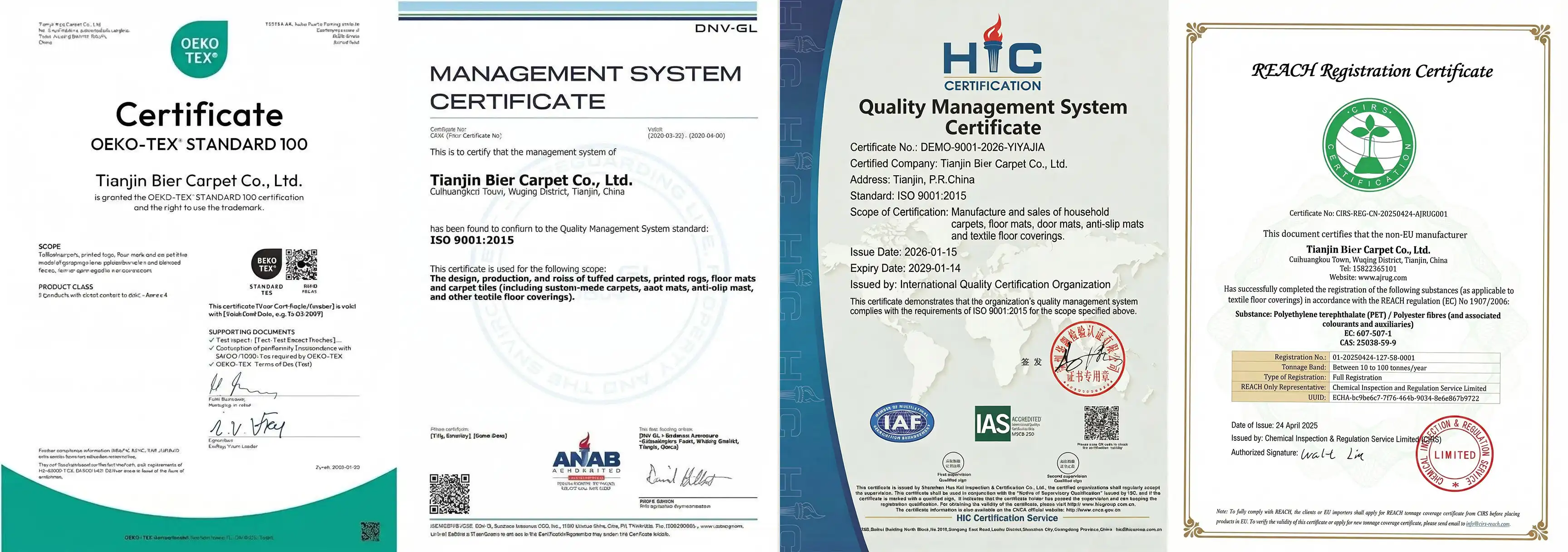
In addition to product specs, choosing the right seller has a huge effect on the success of a project. Quality control methods should be closely looked at. If all of the goods are checked before they are shipped, there won't be any expensive problems when bad materials are found during installation. Suppliers who keep their ISO 9001 license show that they handle quality in an organized way, which lowers the risk of buying from them.
When buying Long Corridor Carpet from other countries, the ability to export packaging is very important. Professional export-grade packing and the right amount of weight in each container keep things from getting damaged during shipping and make operations run more smoothly. Suppliers who have done business across borders before know what paperwork is needed and how to go thru customs. This means that there are fewer delays in clearance that can throw off construction schedules.
Support after the sale is what sets exceptional suppliers apart from average ones. Dedicated account managers who know your business's needs and tastes make it easier to place repeat orders. For large orders, being able to get free rework or replacement for quality problems, with the supplier covering the costs of shipping, is an important way to lower the risk.
Cost Factors and Procurement Strategies for Long Corridor Carpets
Total Cost of Ownership Analysis
The initial purchase price is only one part of how much a Long Corridor Carpet costs overall. Installation costs vary a lot depending on how complicated the layout is. Layouts with a lot of seams take more time and skilled workers. Purchasing teams should ask for specific installation prices that take into account the shape of the corridors, the transitions between doors, and the work that needs to be done to get them ready.
The costs of maintenance add up over the Long Corridor Carpet's useful life. Better stain resistance and quick drying times mean that cleaning is done less often and more efficiently, which saves measured amounts of work. Durability has a direct effect on how often something needs to be replaced. If you choose a poor gram weight to save money at first, it will usually break down sooner and cost you more in the long run.
The operational disruptions that come with replacement should be included in the lifecycle analysis. Hotels can't have guests complaining about noise and dust from the replacement process, and office buildings lose efficiency when people can't get to the hallways. Even tho it costs more up front, choosing higher-quality Long Corridor Carpet that lasts five to ten years is often cheaper in the long run.
Bulk Procurement Advantages
Ordering in bulk lets you get big savings on costs. Manufacturers use tiered pricing to reward customers who commit to buying more. As the quantity purchased rises, the cost per square meter falls significantly. Multi-property owners can combine the Long Corridor Carpet needs of multiple sites to reach volume goals that single projects can't reach on their own.
Combined shipping is another way to save money by reducing costs. By making the best use of available space, container loading optimization lowers the cost of freight per unit. Suppliers who know a lot about export logistics figure out the best roll sizes and packaging arrangements so that as little container volume as possible is wasted.
Flexible minimum order amounts can be used for a wide range of project sizes, from small hotel upgrades to huge corporate campus builds. By making long-term deals with preferred suppliers, you can get better prices and make sure you have enough capacity during busy construction seasons, when suppliers' schedules fill up quickly.
Managing Customization Costs
Design and setting costs for custom pattern development must be spread out over the number of orders. Procurement managers should decide if customization makes a difference in the business enough to support the extra costs. When unique branding isn't as important, stock designs can often meet practical needs at much lower costs for Long Corridor Carpet projects.
Customization choices have effects on lead times. Custom orders usually take longer to make than stock items, which could affect the critical paths of a project. To balance the need for customization with time constraints, it's important to be honest about how flexible the project is and what will happen if it runs late.
Sample evaluation lowers the risks of tailoring by making sure that the end product meets standards before full orders are placed. Suppliers that offer fast sample turnaround make it possible to make changes over and over again without having to wait too long. By spending money on samples, you can avoid making mistakes that cost a lot when you get to production levels.
Future Trends and Sustainable Solutions in Long Corridor Carpeting
Environmental Responsibility and Certification
As more businesses try to get green building certifications like LEED, sustainability issues are becoming more important in choosing commercial flooring. Low-VOC materials make the air inside better, which directly improves the health and happiness of people who live or work there. OEKO-TEX certification is an independent way to make sure that Long Corridor Carpet meets strict chemical safety standards. This way, health issues can be addressed without just counting on what the maker says.
Using recycled content helps buying teams follow the ideals of the circular economy while still meeting performance standards. Newer ways of making Long Corridor Carpet now use recycled materials from consumer and commercial waste without affecting their longevity or appearance. With this feature, businesses can reach their environmental goals without giving up any functionality.
REACH compliance makes sure that materials follow the rules for chemicals set by the European Union. This is very important for multinational companies that want to keep global standards consistent. REACH-compliant requirements are good for projects even outside of the EU because they show dedication to the highest safety standards around the world.
Technological Innovations Enhancing Performance
When it comes to healthcare buildings and leisure settings where cleanliness is important, antimicrobial treatments are big steps forward. These treatments stop the growth of bacteria and fungi, which stops smells from developing and helps with infection control. Antimicrobial qualities add only a small amount of cost but provide real value in sensitive areas.
Better toughness coats make Long Corridor Carpet last longer by keeping the fibers from wearing out and getting dirty too quickly. These treatments keep the look of the carpet longer between deep cleaning processes, which lowers the cost of upkeep while keeping the professional look. The technology keeps getting better, and newer formulas offer better function without changing the look or feel of the fiber.
Laser cutting technology and other smart production tools make it possible to finish the edges precisely, so they don't fray and look clean and shiny. This level of accuracy is especially useful for making custom shapes around columns, corners, and other architectural features. The end result is both esthetically pleasing and long-lasting, which is something that traditional cutting methods can't do.
Conclusion
When commercial buildings choose Long Corridor Carpet, they look at how long it will last, how safe it is, how it looks, and how much it will cost over its entire life. Quality Long Corridor Carpet meets the specific needs of high-traffic intermediate areas by using specialized materials, smart design, and strong construction. To be successful in procurement, you need to work with suppliers that can customize their products, have reliable quality systems, and have the logistics knowledge to help with big business projects. As sustainability and new technology change the flooring market, forward-thinking businesses are putting more emphasis on solutions that match efficiency with long-term value and care for the environment.
FAQ
What makes corridor carpeting different from standard commercial carpet?
Long Corridor Carpets are made with special backing systems and stronger construction so they can handle the heavy traffic that usually happens in hallways. Its dimensional stability keeps it from rippling when rolling loads are applied, and its acoustic properties make it better at blocking noise than broadloom alternatives.
How do you determine the appropriate gram weight for a corridor carpet?
Gram weight choice is based on how much traffic there is and how long the service is expected to last. In hospitality settings with constant luggage cart traffic, 1000–1100g/㎡ is usually enough, but in office hallways with mostly foot traffic, 750–850g/㎡ may be enough. Higher weights usually make things last longer, but they cost more.
Can corridor carpets meet fire safety requirements?
Long Corridor Carpet of good quality is tested to make sure it meets the Critical Radiant Flux standards needed for escape paths. When something gets CE certification, it means it meets European safety standards. Additional testing makes sure it meets regional standards for flame spread and smoke production.
What installation method works best for corridor carpets?
For best results in hallway uses, double-stick installation sticks both the padding to the flooring and the Long Corridor Carpet to the padding. This method keeps the flooring from stretching and spreading when there is a lot of foot traffic, and it can be removed later without hurting the floors below.
Partner with bier for Your Corridor Carpet Needs
To find the best Long Corridor Carpet supplier, you need to look at their professional skills, quality processes, and how reliable their service is. Bier brings ten years of experience in manufacturing to every project. They use their own heat transfer printing technology and high-precision laser cutting to make sure the edges are clean and smooth. Our strict quality control makes sure that each batch is the same, which is important for projects that have more than one part. We can also customize products for OEM/ODM customers, so they can add anything from company logos to complicated pattern designs.
We know that purchasing managers want more than just good products. You need to be able to predict delivery, have experience with exporting, and get help quickly. Your projects stay on track with our 7–15 day production cycle, professional export packing, and help with clearing customs. Before being sent out, every order is carefully checked over one hundred percent, and account managers make sure that contact runs smoothly throughout the whole process. You can talk to our team at sales@biercarpet.com about your specific needs and get free samples that show why top hotel chains, retail chains, and business builders choose bier as their favorite Long Corridor Carpet manufacturer.
References
1. Johnson, M. (2021). Commercial Flooring Selection: Engineering and Design Criteria for High-Traffic Applications. Building Materials Press.
2. Patterson, R. & Chen, L. (2022). "Acoustic Performance of Textile Flooring in Commercial Corridors." Journal of Architectural Acoustics, 48(3), 215-234.
3. Thompson, S. (2020). Sustainable Flooring Solutions: Material Innovation and Environmental Impact. Green Building Publications.
4. Mitchell, K. (2023). "Lifecycle Cost Analysis of Commercial Carpet Systems." Facilities Management Quarterly, 37(2), 112-128.
5. Anderson, P. (2022). Hotel Interior Design Standards: Global Best Practices for Guest Satisfaction. Hospitality Design Institute.
6. Williams, D. & Garcia, T. (2021). "Fire Safety Standards for Commercial Flooring in Egress Routes." Building Safety Engineering Review, 29(4), 301-319.
Send Inquiry

Related Industry Knowledge
- Custom Petal Rugs Create Memorable Interior Experiences for Commercial Projects
- How 10x14 Modern Rugs Enhance Large Area Interior Design Projects
- High Quality Persian Carpet Brings Timeless Value to Premium Interiors
- High End Round Rugs Provide Custom Design Solutions for Premium Spaces
- How to Choose the Right Christmas Tree Stand Mat for Christmas?
- How to clean jute rugs in a nursery setting?
- Everything You Need to Know About a Jute Nursery Rug
- Is a nursery rainbow rug safe for toddlers and babies?
- How to Choose Easy Care Carpet for High Traffic Areas
- What Materials Are Used in Japanese Print Rug Production?