
How to clean jute rugs in a nursery setting?
Jul 15, 2026
When you clean a jute nursery rug, you have to find a delicate balance between keeping the natural fibres intact and following strict cleanliness standards that are important for baby rooms. The best way to clean is to dry vacuum often using suction-only settings, wipe up spills right away without making the surface too wet, and clean specific spots with pH-neutral, non-toxic solutions. Modern fake sisal mats with TPR washable bottoms make this process a lot easier. They are better at resisting water while still looking like they are made of natural fibres. Knowing what the rug is made of and what kind of backing it has will directly affect how you clean it and how well it works in the long run.
Understanding the Nature of Jute Nursery Rugs
What Defines a Quality Nursery Floor Covering
Jute fibres come from the Corchorus plant and are known for being biodegradable and leaving little of an impact on the earth. The natural materials in this set have lignin and cellulose in them, which naturally block UV rays and absorb sound, making nurseries quieter. When procurement managers choose flooring for baby rooms, they look for hypoallergenic qualities and zero VOC emissions, which are both signs of properly made jute goods.
Imitation Sisal Innovations for Commercial Use
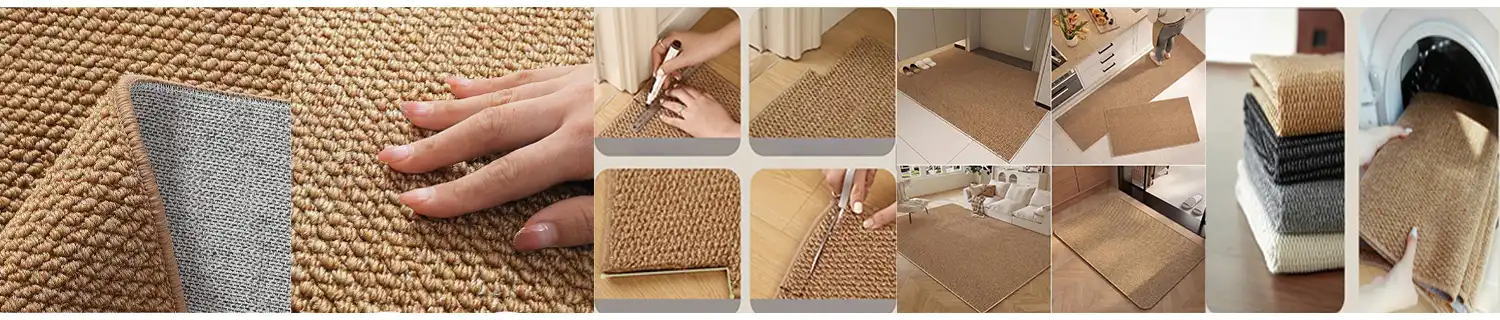
Contemporary manufacturing has created fake sisal alternatives made from polyester fibres that look and feel like real jute while providing better performance measures. These designed surfaces are usually 1 cm thick and weigh 1000g/㎡, which is enough to provide enough cushioning for babies who are moving without sacrificing sturdiness. The TPR washable base is a big improvement because it has waterproof layers that stop water from getting through, which is very important when dealing with the usual spills that happen in nurseries.
Performance Parameters That Matter to Buyers
Pile weight between 2000 and 3500 GSM shows how dense and resilient the material is, but commercial-grade imitations often set this measure to 1000g/㎡ to save money without losing quality. Natural jute usually has moisture recovery levels around 13.75 percent, so it's important to clean up spills right away. Modern methods like stain-resistant coats and high-density machine weaving with edge-locking techniques fix common problems and make things last longer in kid-friendly places that get a lot of use. These technical changes are in line with buying goals that focus on consistent quality and batch dependability.
Common Challenges in Cleaning Jute Rugs in Nurseries
Spill Response Complexity in Childcare Settings
Moisture Retention and Structural Degradation
The most common mistake that building care staff make is getting too wet while cleaning. When natural or fake jute fibres stay wet longer than their wetness barrier, a chain reaction of problems happens. The backing materials can come apart, which makes the rug less stable and increases the risk of tripping. There may be colour bleeding between dyed areas, which makes it harder to keep the look that is important in retail and restaurant settings that care a lot about brand recognition.
Mold Growth and Allergen Accumulation Risks
When drying methods aren't followed properly after wet cleaning, microbes can easily take over. Mould germs grow well in damp cellulose settings and release allergens that go against the hypoallergenic benefits that made people buy jute solutions in the first place. Knowing these types of failure helps quality control teams set up the right repair procedures that keep assets safe and make sure they last as long as possible. Commercial places with strict health code rules can't afford these problems that can be avoided.
Step-by-Step Best Practices for Cleaning Jute Rugs in Nurseries
Daily Maintenance Through Proper Vacuuming
Setting up regular dry cleaning schedules is the first step in taking good care of rugs. Vacuum cleaners should only be used for suctioning, so the spinning brush bars that can catch and break fibre loops should not be turned on. Plan to hoover at least twice a week in areas with mild traffic and every day in areas with a lot of foot traffic, like near change stations or feeding areas. By mechanically removing dry bits, soil doesn't get ground into the weave, where it gets much harder to get out.
Immediate Spill Response Protocols
What matters most when there is a liquid spill on a jute nursery rug is how quickly it cleans up. To keep the dye from spreading, blot (do not rub) the area with clean, absorbing white cloths. To keep from spreading germs over a bigger area, work from the edges of the spill toward the middle. A mixture of one part white vinegar to three parts water works well and is safe to use to clean up protein-based spots like formula or food. Use a spray bottle to apply it lightly, and then blot it dry right away.
Targeted Deep Cleaning Methods
Professional drainage methods designed for natural fibre rugs should be used for deep cleaning every three to six months. Limit the amount of water you use to a fine mist instead of full immersion. Natural cleaners with enzymes break down organic matter without leaving behind strong chemicals that could be bad for babies' skin. After cleaning, use fans to move air around as much as possible and keep the room above 68°F to speed up the drying process. The problems we talked about earlier can't happen if the area is completely dry within 24 hours. This protects your investment and meets health standards.
Comparing Jute Rugs to Other Nursery Rug Materials in Terms of Cleanability
Cotton Alternatives: Absorbency Trade-offs
Cotton nursery mats are easier to clean than natural jute ones. Many of them can handle full machine washing processes, but not all of them can. This ease of use comes at a cost to the environment and the economy, as growing cotton uses a lot more water and chemical poisons than growing jute. Because cotton absorbs more, spills get into it more quickly and need just as strong methods to get rid of them. The fabric tends to shrink after being washed many times, which makes sizes less consistent and makes big business installations more difficult.
Synthetic Options: Stain Resistance Versus Sustainability
Polyester and nylon mats are most common in business nurseries because they are very stain-resistant and easy to clean. These materials are made from petroleum and successfully resist liquids, giving you more time to clean up before lasting stains happen. Harsh chemical cleaners and high-temperature steam treatments won't hurt synthetic fibres, but they will damage natural fibres. The environmental image is still up for debate, with worries about microplastics not breaking down fully and causing harm to the environment counteracting their useful benefits.
Imitation Sisal's Balanced Performance Profile
Procurement Insights: Choosing and Buying Cleaner-Friendly Jute Nursery Rugs
Design Features That Simplify Maintenance
When looking at what suppliers have to offer, put the features that directly affect how well they clean at the top of the list. Non-slip backing systems keep things from moving around while they're being maintained, which cuts down on the time and effort needed to move things around. Tight weave densities above 1000g/㎡ stop dirt from penetrating and keep contaminants close to the surface, where they can be removed mechanically. Surface treatments that are stain-resistant, which are added during production, protect against common problems in nurseries, extending the time between replacements and lowering the total cost of ownership.
Supplier Credentials and Quality Assurance Systems
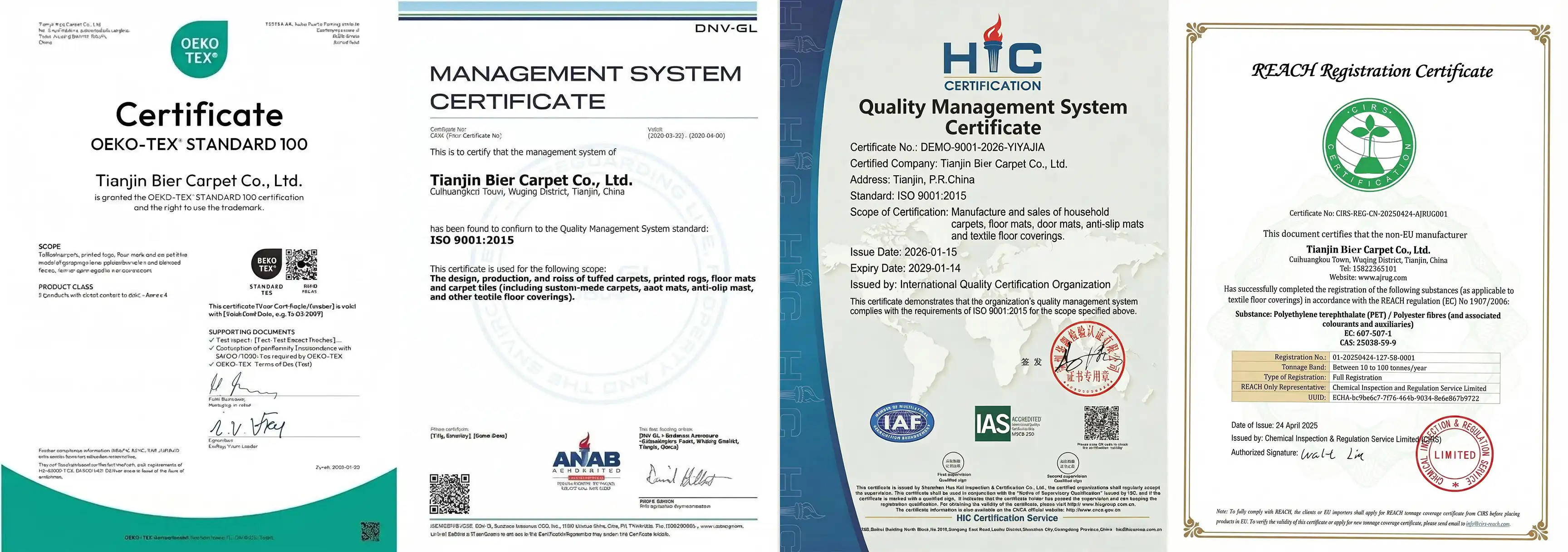
Reliable makers use 100% pre-shipment checking procedures to make sure that colour consistency, edge finishing quality, and dimensional accuracy are maintained across all production runs. Certifications like ISO 9001, CE marking, and OEKO-TEX Standard 100 show dedication to chemical safety and quality management, which are musts for goods that babies will touch. Check to see if possible providers keep clear QC records and offer third-party testing results that include formaldehyde content and colourfastness metrics.
Customization Capabilities for Project-Specific Needs
OEM/ODM services that make goods fit exact specs are very helpful for business buyers. Custom sizing gets rid of field cutting and waste, and integrating logos meets the needs of store chains and catering groups for brand recognition. Suppliers who can turn around samples in 24 to 48 hours allow for fast prototyping, which shortens the time it takes to make a choice for time-sensitive events or seasonal launches. Carefully look at the measures that show how much can be produced—manufacturers that process 1000㎡ every day can handle tight rollout plans without sacrificing quality control or delivery reliability.
Logistics and After-Sales Support Structures
When a product is shipped internationally, it is protected by export-standard packing that uses moisture-proof roll wrapping or strengthened carton systems. Suppliers who know how to load containers optimally lower the cost of freight per unit, which directly boosts buyers' profit margins. Dedicated account management makes sure that return customers always hear from the company, and free rework or replacement promises lower the risk of poor quality. Flexible MOQ policies let companies try out different ways to enter new markets before committing to full-scale buying.
Conclusion
To properly take care of a jute nursery rug, you need to know how the fibres work with cleaning chemicals and the conditions that are common in childcare settings. Modern fake sisal products with TPR washable bottoms fix the problems with older products while keeping the warm look that makes natural-look flooring desired. When choosing goods for business use, procurement professionals have to weigh factors like how clean they are against environmental goals, following rules, and the total cost of ownership. Using the right dry maintenance schedules, quick spill response plans, and controlled deep cleaning methods will protect both the worth of the assets and the health standards that make a nursery a good place to work.
FAQ
Can imitation sisal rugs withstand commercial nursery traffic?
Of course. Products with a 1000g/㎡ density and TPR backing systems last a very long time in childcare settings that get a lot of use. Because they don't tear or scratch easily, they can be used in places where cats are welcome or where heavy furniture is moved around a lot. Edge-locking methods with a thickness of 0.6 cm stop unravelling, which is unsafe and looks bad.
How quickly do spills need attention on these surfaces?
The best results happen when you respond right away, within two to three minutes. While the stain-resistant processes used during production provide an important buffer time, quick blotting still produces better results than delayed cleaning. The waterproof TPR base keeps liquid from getting to the ground, so damage is limited to the rug's surface.
Do these rugs emit chemical odors concerning for infant spaces?
Imitation sisal goods that are well-made and meet OEKO-TEX standards don't give off any VOCs after the first airing. Any minor smell of a new product usually goes away 48 hours after it's opened. Testing by a third party shows that formaldehyde levels are still below 0.02 ppm, which is a long way below the safety levels set for children's goods.
What drying time should we expect after deep cleaning?
If you use the right extraction methods and limit the amount of wetness that you apply, the material will be completely dry in 12 to 18 hours with normal ventilation. Speed up this time frame to 6 to 8 hours by using industrial air movers and keeping the temperature above 68°F. Re-soiling and bacteria growth can't happen if the area is completely dry before foot traffic starts again.
Partner with Bier for Superior Jute Nursery Rug Supply Solutions
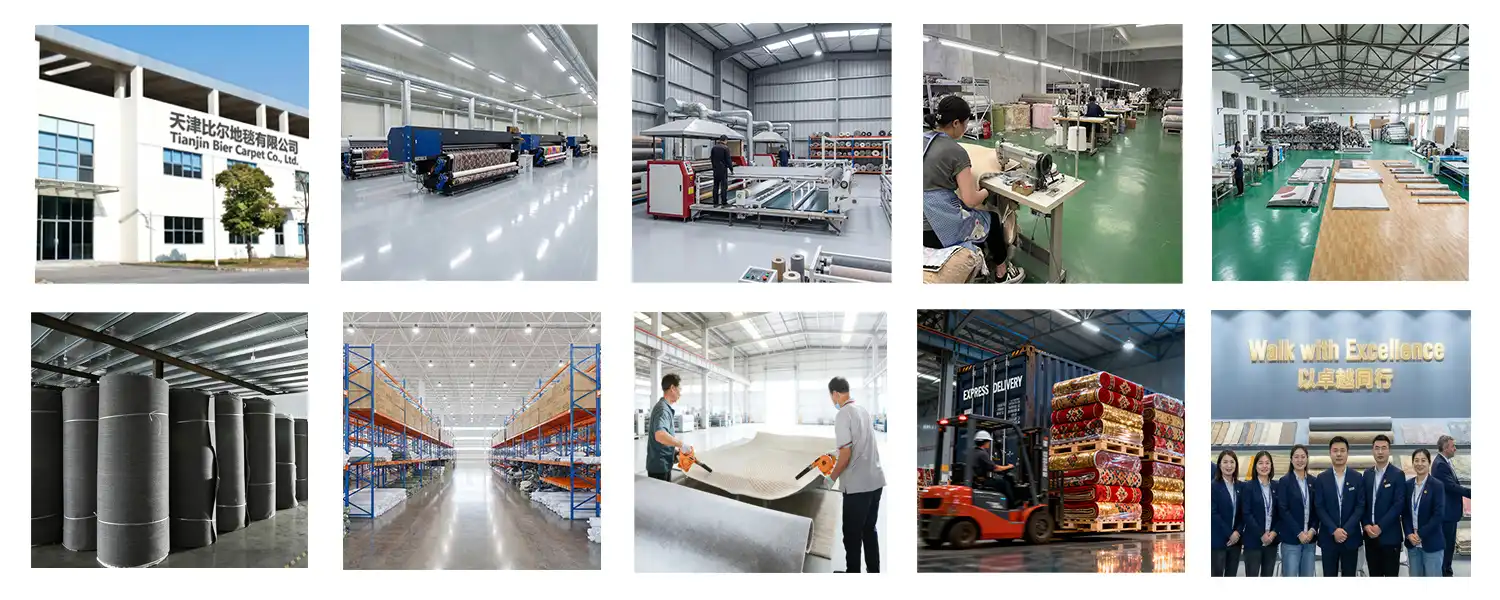
Bier specialises in making high-performance fake sisal nursery rugs that look like the real thing and last as long as commercial-grade rugs. Our own heat transfer printing technology makes sure that the colours don't fade, and laser cutting makes sure that the edges are clean and free of tearing dangers. Every jute nursery rug goes through a strict 100% review before it is shipped. It has to meet CE, OEKO-TEX, ISO 9001, and REACH standards in order to be sold all over the world. We offer flexible OEM/ODM customisation that includes size, colour, and design requirements. Sample production can be finished in 24 to 48 hours to help you make your choice faster. Our TPR replaceable base technology offers waterproof protection that makes cleaning easier, directly addressing the upkeep issues we've been talking about in this guide. We've been making jute nursery rugs for 10 years and can send them in 7–15 days. Wholesalers, business contractors, and cross-border sellers who need steady quality and quick service can count on us. Email our team at sales@biercarpet.com to talk about the needs of your project.
References
1. Textile Research Journal, "Performance Characteristics of Natural and Synthetic Fiber Floor Coverings in Commercial Applications," Volume 89, 2019.
2. American Society for Testing and Materials, "Standard Test Method for Colorfastness of Textiles to Rubbing," ASTM D4157-02.
3. Indoor Air Quality Association, "Moisture Management and Mold Prevention in Commercial Textile Installations," Technical Bulletin Series, 2021.
4. International Journal of Environmental Research and Public Health, "VOC Emissions from Floor Coverings and Their Impact on Pediatric Indoor Environments," 2020.
5. Carpet and Rug Institute, "Commercial Maintenance Guidelines for Natural and Synthetic Fiber Rugs," Professional Care Manual, 2022.
6. Journal of Engineered Fibers and Fabrics, "Comparative Analysis of Stain Resistance in Natural Jute Versus Polyester Imitation Sisal Floor Textiles," Volume 16, 2021.
Send Inquiry
Related Industry Knowledge
- How to Clean and Maintain a Rose Flower Rug Properly?
- What Makes a Japanese Print Rug So Popular in Home Decor?
- Modern Nursery Rug Guide for Creating a Calm Nursery Atmosphere
- Fade-Resistant Premium Crystal Velvet Rug for Long-Lasting Use
- Are Japanese Print Rugs Suitable for Pet Friendly Homes?
- Faux Cashmere Rugs: What They Actually Are and Why They Feel Different
- Eco-Friendly Rugs: Why Washable Rugs Are a Sustainable Choice
- Faux Cashmere Rug with Plush Feel and Easy Care
- Luxury Silk and Wool Area Rugs in Modern Persian Styles
- Carpet Styles Compared: Cut Pile, chunky loop and Berber