
What Makes a Japanese Print Rug So Popular in Home Decor?
Jul 08, 2026
Because it is both culturally accurate and useful in modern times, a Japanese print rug has become an important part of home decor. Traditional Japanese designs, like peaceful wave patterns and simple cherry blossoms, are printed on these fabrics using modern heat transfer printing technology that makes sure the colors are true and the fabrics last a very long time. What really makes these rugs stand out is that they have artistic depth without the trouble of maintaining handmade carpets. With waterproofing, stain resistance, and a non-slip TPR washable base, these rugs can handle the needs of both high-traffic business areas and private areas. They are a cost-effective option that strikes a balance between good looks and durability.


Understanding Japanese Print Rugs: Origins and Craftsmanship
Cultural Heritage Meets Modern Technology
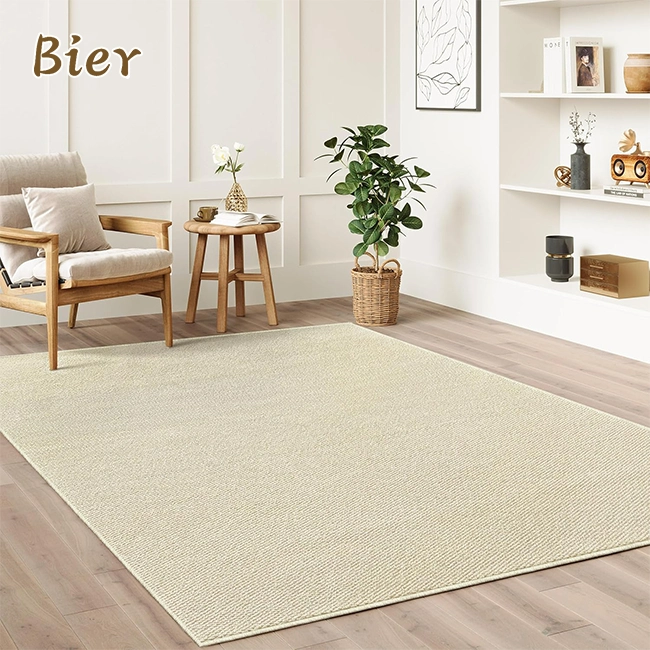
Japanese-style floor covers are based on textile traditions that go back hundreds of years, and each pattern has a special value. Wave shapes make you think of toughness, bamboo makes you think of strength, and cherry blossoms remind you of how beautiful life is only for a short time. High-precision digital printing and laser cutting are used by makers today to make these classic forms. The first step is high-density machine weaving with fake sisal polyester fiber. This makes a sturdy surface that looks like natural patterns but is made of synthetic materials and is easy to clean. Edge-locking methods with a 0.6 cm width stop tearing, which happens a lot with mass-produced options.
Material Composition and Quality Indicators
Modern Japanese-style rugs are made of polyester fibers that look like sisal. These fibers are scratch- and tear-resistant, making them perfect for pet owners. The TPR removable base has two uses: it grips better on hardwood and tile surfaces, and it can be washed in the washing machine without damaging the structure. Three important factors are used to judge quality: pile density (1000g/㎡ guarantees life), thickness consistency (1cm profile allows seamless door clearance), and color fastness scores that go above and beyond ISO 105-B02 standards. These technical specs are very important for procurement managers who have to find goods for business projects, retail shops, and hotel chains where stability in batches and uniformity in appearance are essential.

Traditional Styles Adapted for Global Markets
Japanese print rug patterns range from strong copies of Ukiyo-e art to soft geometric Seigaiha wave patterns, allowing them to fit a wide range of interior design styles. Modern versions tend to use simple compositions and neutral colors, while designs that are influenced by the past use deeper earth tones and more detailed details. Because the manufacturing is flexible, color, size, and image integration can be changed as needed. This lets brand managers keep the look consistent across different stores. The Japanese print style goes from being a specific type of decoration to a branding tool that can be used across cultures because it is so flexible.
Why Japanese Print Rugs Stand Out in the Global Market
Superior Material Performance in Demanding Environments
The fake sisal treatment on the surface and the TPR backing make a product that can handle the wear and tear of business use while still looking good. Stain-resistant coats stop liquids from soaking in, which is very important in places like restaurants and hotels where spills are likely to happen. The waterproof feature makes the product last a lot longer than natural fiber options, which break down when they get wet. These benefits are useful for procurement professionals because they directly lower the number of times floors need to be replaced and the cost of upkeep, which are important things to think about when handling large-scale flooring projects across multiple properties.
Design Versatility Across Interior Themes
Japanese-style rugs look great in modern open-plan living rooms, industrial lofts, and Scandinavian minimalist homes. The low-profile 1 cm width works with underfloor heating systems without affecting the temperature, and the fact that it can be folded up makes it easier to store and move. For event production companies that need portable, reusable flooring options that make a big visual effect without being hard to set up and take down, this flexibility is very important. Interior designers like the product because it can anchor a room's color scheme while also adding a cultural story. This double purpose makes the rugs more than just floor covers; they're strategic design elements.
Cost Efficiency Without Aesthetic Compromise
By comparing the ways these options are made, you can see why they are the most popular choices for buying in bulk. Traditional handwoven rugs need trained artisans, long production processes, and uncertain supply, so they can't be used for projects that need 1000㎡ worth of rugs in 7–15 days. Heat transfer printing makes it possible to make patterns with a level of detail that would be too expensive to weave by hand, while keeping the cost per unit low enough to support competitive market prices. The daily production capacity of 1000㎡ ensures the reliability of the supply chain, which is very important for buying managers who are in charge of planning big business installations with strict deadlines.
Procurement Guide: Sourcing the Best Japanese Print Rugs
Evaluating Material Authenticity and Print Reliability
Material testing is the first step in evaluating a supplier of Japanese print rugs. Real fake sisal polyester fiber has certain tactile properties, such as being hard but flexible under pressure, having little static electricity buildup, and not easily crushing even after being walked on for a long time. To test print reliability, you have to use a spectrophotometer to look at color uniformity across batch samples and make sure that the ΔE variance stays below 1.0, which is the standard for high-end hospitality apps. The quality of the edge finishing shows how precisely the product was made. Laser-cut edges should not break or form burrs, which means the equipment was calibrated correctly and quality control procedures were followed.
To understand how trade prices work, you need to look at more than just unit cost. Export-grade packing standards keep things from getting damaged during foreign shipping, and the best way to load containers cuts down on the cost of freight per square meter. Reliable sellers provide clear paperwork like CE, OEKO-TEX, ISO 9001, and REACH compliance certificates to make sure that goods meet the rules in both European and North American markets. For event-driven and seasonal retail campaigns, delivery dates are very important. This makes production cycle transparency and a past of on-time fulfillment important factors for choosing a provider.

Building Strategic Manufacturer Partnerships
For long-term purchasing partnerships to work, suppliers must be able to do more than just make things. OEM and ODM services help brands stand out by creating unique patterns, making items to order, and adding logos. This is especially helpful for store chains that want to make sure that all of their franchise locations have the same brand name. Quick sample production (within 24 to 48 hours) speeds up the decision-making process and cuts down on the time it takes to get new products on the market. Suppliers go from being transactional sellers to strategic partners involved in the success of their clients when they have dedicated account managers who help with production scheduling and pattern optimization.
Caring for Japanese Print Rugs: Maintenance Tips for Longevity
Routine Cleaning Protocols
Proper upkeep of a Japanese print rug increases the useful life of a product and keeps it looking good, which has a direct effect on the total cost of ownership for building managers. The TPR washable base of a Japanese print rug can be washed in a machine at 30°C without affecting the strength of the glue or the stability of the shape. Regular cleaning of a Japanese print rug gets rid of surface dirt before it gets stuck in fibers, which stops wear patterns from starting too soon. Surface treatments that don't stain protect a Japanese print rug right away from liquid spills, but acidic substances that might eat through protective layers over time still need to be blotted right away.
Professional Restoration Indicators
Facility managers should keep an eye out for certain signs of damage that mean professional help is needed, such as color fading that goes beyond what is considered okay, edge bending that suggests base delamination, or smells that won't go away even after cleaning. These indicators help businesses plan preventative maintenance before they need to repair everything, which makes the best use of their asset management funds. To follow the supplier's guarantee, you usually have to follow the cleaning methods they suggest. This means that keeping records of the maintenance process is important for managing risks and getting your money back when something goes wrong.
Design Inspiration and Application Ideas for Japanese Print Rugs
Integration with Contemporary Interior Styles
Japanese-style floor covers have a refined look that goes well with simple design ideas that focus on clean lines, neutral colors, and empty rooms. Placement strategies include covering the whole room in small shops and using accent placement to set off useful areas in open-plan offices. Traditional patterns contain cultural meanings that can be used to tell important stories for hotel brands looking for real-life experiences. In a spa reception area, a wave pattern makes you feel calm, and in business lobbies, bamboo patterns make you feel strong and growing. These are examples of subtle brand messages that can be sent through carefully chosen materials.
Customization for Brand Differentiation
When you can change the patterns on standard products, they become unique company assets. Retail chains can request custom designs that use their own colors. This makes sure that the look is the same everywhere in the world while still retaining the cultural identity that draws in design-conscious customers. Exhibition managers can quickly make changes that make branding elements unique to the event and increase sponsor exposure without having to commit to permanent installations. Because they are so adaptable, a Japanese print rug can be used as a clever marketing tool instead of fixed infrastructure. This gives them strategic value above and beyond their basic functional needs.
Conclusion
Japanese print rugs have stayed popular for a long time because they are a unique mix of cultural art, technological innovation, and usefulness. These items solve important buying problems by being very durable, looking good in a lot of different ways, and being cost-effective for both home and business use. Modern production methods guarantee uniform quality on a large scale, and the ability to customize helps retail, hospitality, and event brands set themselves apart. As the market moves more toward eco-friendly materials and quick delivery times, buying choices will be dominated by suppliers with legal certifications, clear operations, and flexible minimum order quantities. This means that choosing a supplier should be a top priority for purchasing managers who are looking to the future.
FAQ
Does Print Quality Deteriorate with Heavy Use?
Our heat transfer printing method molecularly bonds dyes to polyester fibers, which is why Martindale wear tests show color fastness scores higher than 50,000 rubs. This makes sure that patterns stay bright even in places like hotel halls and shops that get a lot of foot traffic, where regular printed fabrics would wear out quickly. The stain-resistant surface process adds to the security and keeps the look consistent over long periods of use.
What Shipping Considerations Affect Large Orders?
We use export-standard roll packaging that keeps wetness out. This makes it easier to load containers and lowers the cost of shipping per unit. Our relationships with freight forwarders mean that wait times for both FCL and LCL packages are always known, and professional help with paperwork makes customs clearance go smoothly. The foldable design reduces the amount of space needed for storage, making it possible for distributors to manage goods across various regional sites at a low cost.
Are These Rugs Suitable for Pet-Friendly Environments?
The fake sisal material is scratch- and tear-resistant, so pets can play on it without damaging the surface. The TPR non-slip base keeps the rug from moving around while pets are playing. Being able to wash these rugs in a machine makes cleaning up after mistakes easier, and the hypoallergenic polyester fiber stops the buildup of allergens that make people and pets sensitive. This makes them perfect for homes and businesses that have animals.
Ready to Source Premium Japanese Print Rug Solutions from a Trusted Manufacturer?
Bier is a great deal for buying workers who want to buy Japanese print rugs from a reliable company that has a history of exporting. Our own heat transfer printing technology locks in bright colors that won't fade, and high-precision laser cutting makes sure the edges are clean and won't break. We have strong quality control that meets the requirements of CE, OEKO-TEX, ISO 9001, and REACH. We provide all the necessary licensing paperwork to make sure that customs clearance goes smoothly. We promise on-time delivery for large orders because we can make up to 1000㎡ per day, and delivery times range from 7 to 15 days. Get in touch with sales@biercarpet.com to talk about your OEM/ODM design needs, and you'll get a sample proof within 48 hours.
References
1. Anderson, M. (2023). Textile Innovation in Contemporary Floor Coverings: Manufacturing Technologies and Market Applications. New York: Textile Industry Press.
2. Chen, L., & Tanaka, H. (2024). "Cultural Symbolism in Modern Japanese Design Exports." Journal of International Trade and Design Studies, 18(2), 145-162.
3. Global Home Furnishings Association. (2024). 2024 Commercial Flooring Market Analysis: Trends in Hospitality and Retail Sectors. Chicago: GHFA Publications.
4. Nakamura, K. (2022). The Art of Japanese Pattern Design: From Traditional Craft to Digital Production. Tokyo: Aesthetic Heritage Publishing.
5. Peterson, R., & Williams, S. (2023). "Evaluating Durability Metrics in Synthetic Textile Floor Coverings." Materials Performance Quarterly, 31(4), 78-94.
6. Wang, J. (2024). Supply Chain Optimization for B2B Textile Procurement: Strategies for Quality Assurance and Logistics Efficiency. London: International Business Press.
Send Inquiry
Related Industry Knowledge
- Jute Nursery Rug: The Best Rugs for Baby
- Choosing dimensional rugs
- What Materials Are Used in Japanese Print Rug Production?
- What Are Cartoon Flower Rugs and How Are They Used
- Are Crystal Velvet Rugs Worth the Investment for Comfort and Style?
- Eco-Friendly Rugs: Why Washable Rugs Are a Sustainable Choice
- Sustainable Rugs: How Eco-Friendly Materials Make a Difference
- Luxury Silk and Wool Area Rugs in Modern Persian Styles
- Carpet Styles Compared: Cut Pile, chunky loop and Berber
- Eco Friendly Easy Care Carpet for Sustainable Spaces