
Best Playroom Carpet Options for Schools, Daycares, and Family Centers
Sep 30, 2026
Finding the right best playroom carpet for schools, daycares, and family centers is one of the most important flooring decisions a facility manager or procurement buyer can make. These spaces see dozens of children every day, which means the floor covering needs to handle constant foot traffic, resist spills, support safe play, and meet strict safety codes. According to the U.S. Consumer Product Safety Commission, flooring-related injuries in childcare settings remain a preventable concern, making material and design choices matter more than most buyers realize. This guide walks through what to look for, which materials perform best, and how to source the right product with confidence.
Understanding the Key Requirements for Playroom Carpets in Schools and Daycares
You shouldn't just choose a play area rug based on its color or how soft it is. Procurement managers need to look at a supplier's success on a number of levels before deciding to work with them.
Safety and Certification Standards
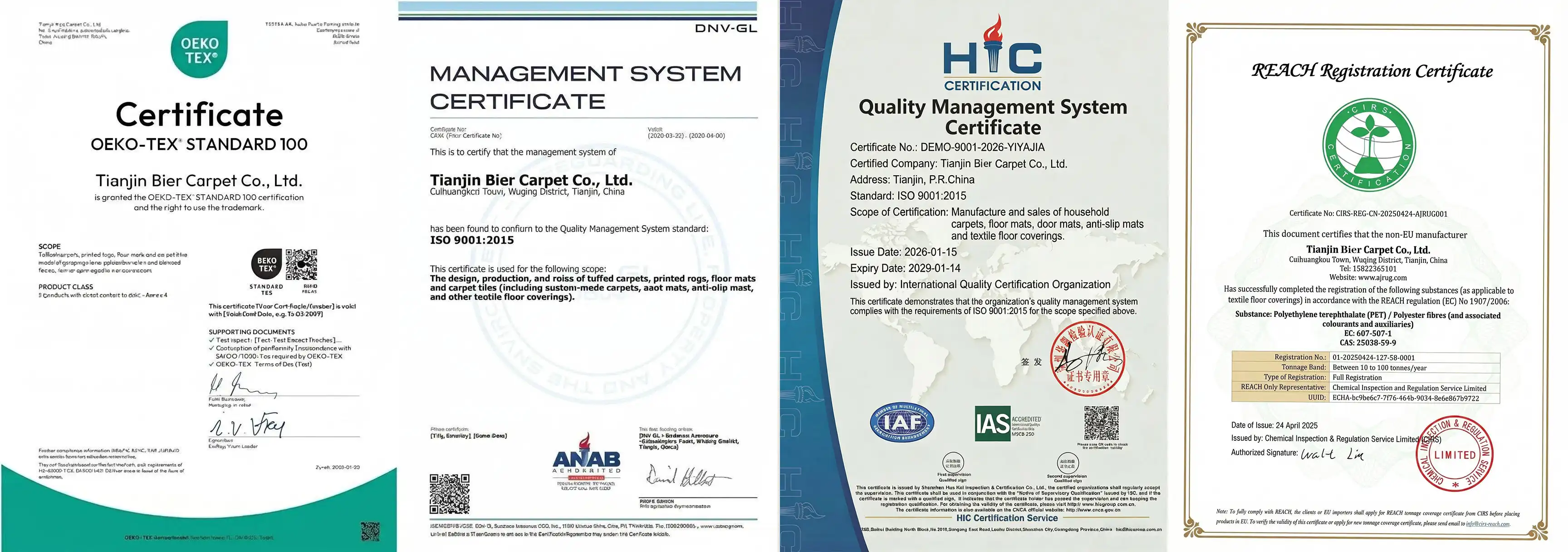
There are fire safety rules like ASTM E648 and CPSC flammability rules that a carpet needs to follow if it is put in a place where kids hang out. In places that are closed off and don't get a lot of airflow, non-toxic and low-VOC products must be used. Following OEKO-TEX Standard 100 and REACH rules makes sure that the fiber and backing don't contain any harmful chemicals.
Slip Resistance and Cushioning
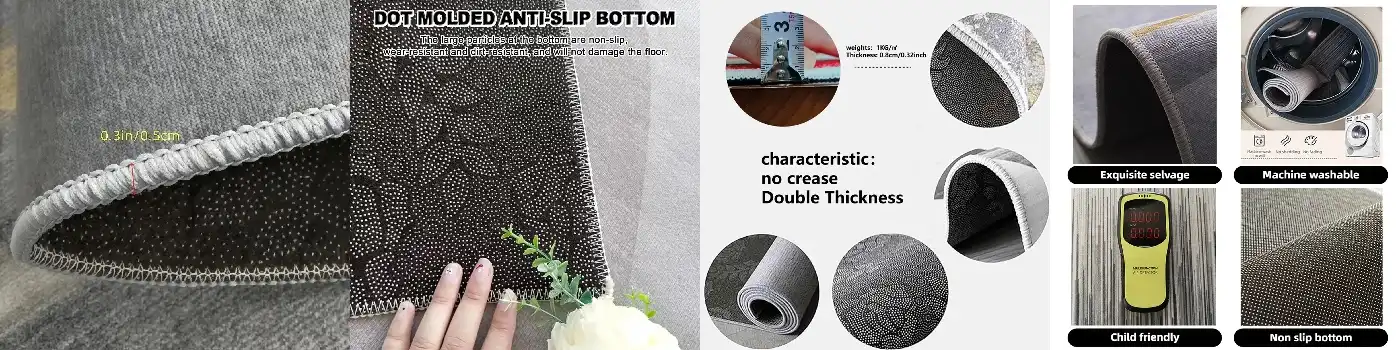
Kids trip and fall. A good carpet for a child's play area should have a backing that won't slip and a dense enough pile to cushion falls. Low-profile pile heights of 6mm to 10mm offer the right amount of support and comfort. They also make floors less likely to be tripped over because of edges or surfaces that aren't level or smooth.
Hygienic Performance in High-Traffic Zones
It's against the rules to leave places like schools and daycares dirty. Rugs should not let water get in, germs grow, or smells get worse. When soaps made for schools are used to clean things that are made from solution-dyed fibers or treated with antimicrobials, they last longer.
Comparing the Top Playroom Carpet Materials and Types
Different places do not use the same things. Getting the buying teams to understand the pros and cons helps them make better decisions that will last longer.
Synthetic Fibers: Nylon and Polyester
Solution-dyed nylon is the fiber that is most often used in Best Playroom Carpet products. You can wash it many times, and it won't stain. It also keeps its pile structure even when it's walked on hard, which would crush softer options. Polyester costs less and doesn't stain easily, but it flattens out more quickly in places that get a lot of use.
Natural and Eco-Friendly Options
If a building wants to be better for the environment, it should use wool and natural fiber mixes. To begin with, wool doesn't catch fire. It's safe and lasts a long time. Green building projects, such as making blankets out of recycled materials, have been approved by outside groups, such as NSF/ANSI 140. As time goes on, the total cost of ownership goes down because these things don't need to be changed as often.
Modular Carpet Tiles vs. Wall-to-Wall Installation
There are more and more schools that use modular carpet tiles because broken bits can be swapped out without having to replace the whole floor. Schools can change the designs on the tiles or move them around as the semesters go by when they use custom-printed tiles. When a smooth look is important, like when you're reading or having story time, wall-to-wall carpet is the best choice.
How to Choose the Best Playroom Carpet for Your Facility: A Decision-Making Guide
Next, make sure that the options you have fit with how your building works and your budget.
Define Your Traffic Load and Use Pattern
It takes different amounts of wear and tear for a neighborhood family center that has events on the weekends to care for 50 kids every day. How long the pile is expected to last depends on how heavy it is in ounces per square yard and how dense the rows are in inches. A pile weight of at least 28 oz/sq yd and a thick loop or cut-loop structure are best for heavy daily use.
Evaluate Total Cost of Ownership
There's more to it than just the price you pay. A cheap carpet that needs to be replaced every two years costs more than a commercial carpet that is certified to last eight to ten years. How much something is worth is based on how often it needs to be cleaned, how much work needs to be done, and how long it takes to replace something. With bulk buying deals and OEM/ODM contracts with well-known makers, prices tend to stay stable over the long run.
Request Samples and Verify Batch Consistency
You should always ask for samples before you place a big order. A good Best Playroom Carpet provider should send samples within 24 to 48 hours that are the same design, size, and build quality as the bulk orders. People don't have to guess what to do next, and this step keeps them from making costly mistakes that can mess up installation plans for many units.
Maintenance Best Practices for Longevity and Safety in Playroom Carpets
Any carpet, no matter how well it was made, will stop working well if you don't clean it frequently.
Daily and Weekly Cleaning Protocols
When you vacuum every day, you get rid of the dust and dirt on top before they get deep into the pile and wear it down faster. If you can, clean the play areas and halls that get a lot of use twice a day. Clean up messes right away with pH-neutral items that are safe for kids. You shouldn't use bleach on colored fibers because it can fade the color and leave behind a film that is bad for kids' skin.
Scheduled Professional Deep Cleaning
The Carpet and Rug Institute says that every six to twelve months, hot-water extraction cleaning should be done in places where a lot of people work. Setting aside time for deep cleaning during school and daycare breaks helps things run smoothly and makes sure everything is clean again before the kids get back.
Recognizing When Replacement Is Necessary
You can tell a carpet is worn out if the pile is worn down, it smells bad even after being cleaned, and the backing is coming apart. Managers of buildings can plan repairs ahead of time instead of waiting for safety reports if they keep track of inspection records and installation dates.
Real-World Case Studies: Successful Playroom Carpet Solutions in Educational and Family Centers
When people are planning Best Playroom Carpet, they can find out more about how other companies have dealt with the same issue.
Large Daycare Network, Midwest United States
A daycare chain in the area with 14 locations used solution-dyed nylon modular tiles that came with the alphabet and numbers already written on them. When the group switched to a commercial product that was OEKO-TEX certified, over 18 months, the number of calls for carpet maintenance dropped by 30%. They could be moved in less than an hour without closing the room because they were made of tiles.
Community Family Center, Pacific Northwest
A family center that is not for business chose a loop-pile carpet that was certified to the NSF/ANSI 140 Gold level and had recycled material. Air quality tests done after the installation back up what the staff said: it was easier to clean, and the air quality inside was much better. It also helped the building get LEED points because of the carpet.
K–8 School Reading Room Renovation
An elementary school put in a new study area in the library with carpet tiles that were printed with a world map pattern. The plan could be put in place in stages without having to block off the area because it was made in a special modular format. The school said that students were more interested in reading in that area, and teachers said that the floor design made people want to talk.
Conclusion
The Best Playroom Carpet you choose for a school, daycare, or family center should be more than just how it looks. A thing's long-term value relies on safety standards, how long the materials last, how easy they are to clean, and how often they need to be fixed. It is much safer for a facility to buy custom-printed modular tiles or a certified commercial broadloom if it works with a maker that gives consistent examples, proof of compliance, and reliable delivery dates. It is important to look over the materials, make sure they are certified, and ask for samples before you place an order. This keeps the kids who use these areas and the groups that watch over them safe.
FAQ
What is the safest carpet material for young children?
Solution-dyed nylon and natural wool are both strong choices. Nylon resists staining and holds up under repeated industrial cleaning. Wool is naturally fire-retardant and hypoallergenic. For any institutional setting, confirm that the product carries OEKO-TEX Standard 100 certification, which verifies the absence of harmful substances in every component of the carpet.
How often should playroom carpets be professionally cleaned in high-traffic facilities?
Professional hot-water extraction cleaning is recommended every 6 to 12 months for school and daycare environments. Facilities with very high daily occupancy — over 40 children per day — should schedule cleaning every six months. Daily vacuuming and prompt stain treatment between professional sessions extend carpet life significantly.
Are modular carpet tiles suitable for wet or semi-outdoor environments?
Standard modular tiles are designed for interior, climate-controlled spaces. For covered outdoor or semi-wet areas, look for tiles with waterproof backing systems and mold-resistant fiber treatments. Always confirm the product's moisture resistance rating and warranty terms before installation in these conditions.
Can playroom carpets be customized with educational patterns or branding?
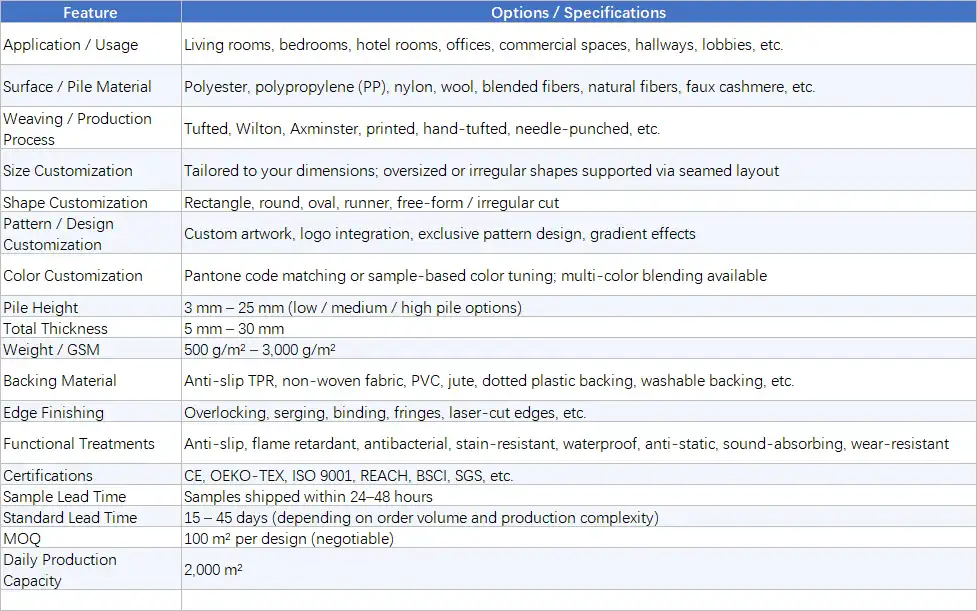
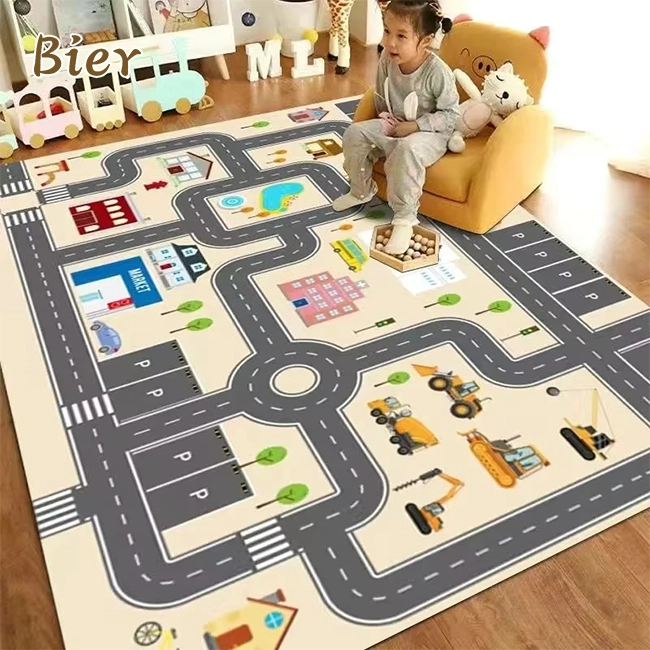
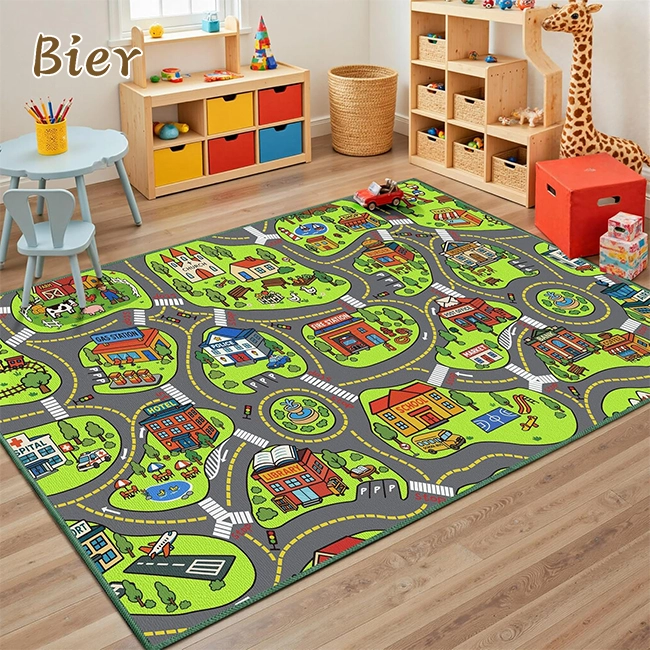
Yes. Manufacturers offering heat transfer printing and laser cutting technology can produce custom designs — including letters, maps, games, and brand logos — with precise color reproduction. Sample approval before mass production ensures the final product matches the original design intent.
Get the Right Playroom Carpet Supplier for Your Next Project — Bier
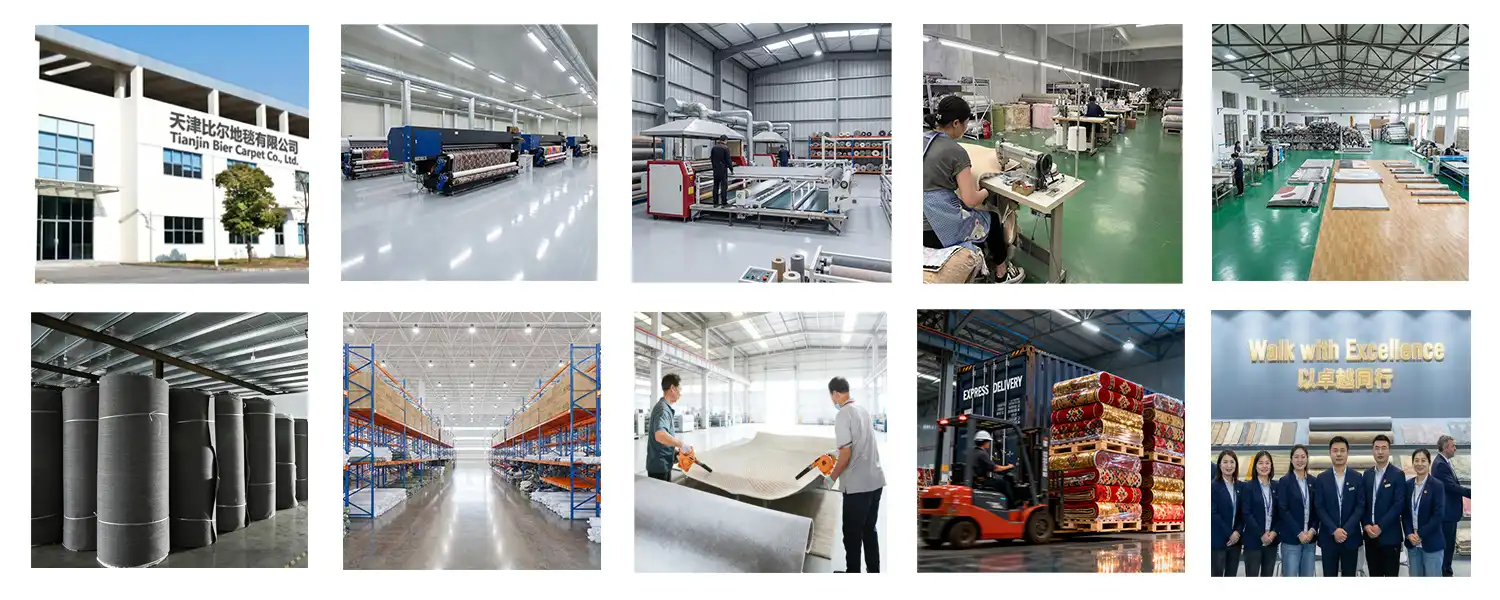
Bier has been making things for 10 years and can offer certified Best Playroom Carpet options that meet CE, OEKO-TEX, ISO 9001, and REACH standards. The industrial carpet they sell is also certified. Bier is a trusted company that makes Best Playroom Carpet and can handle custom OEM/ODM orders. It's possible to send out samples in 24 to 48 hours, and it can take 7 to 15 days to finish production. Email the team at sales@biercarpet.com or visit biercarpet.com to see models and talk about what you need for your project.
References
1. U.S. Consumer Product Safety Commission — Safety Standards for Carpets and Rugs, 2022.
2. Carpet and Rug Institute — CRI Commercial Carpet Selection and Maintenance Guide, 2021.
3. OEKO-TEX Association — OEKO-TEX Standard 100 Testing and Certification Manual, 2023.
4. NSF International — NSF/ANSI 140: Sustainability Assessment for Carpet, 2020.
5. ASTM International — ASTM E648 Standard Test Method for Critical Radiant Flux of Floor-Covering Systems, 2022.
6. U.S. Green Building Council — LEED v4.1 Reference Guide for Building Design and Construction, 2021.
Send Inquiry
Related Industry Knowledge
- Silk and Wool Area Rugs for Luxury Hotels and Executive Interiors
- Long Corridor Carpet for Hotels, Offices, and Commercial Hallways
- How to choose a nursery rainbow rug for kids bedroom?
- How Premium Thread Rugs Enhance High End Home Design
- Easy Care Carpet Simplifies Maintenance for Hotels, Offices, and Retail Spaces
- High End Round Rugs Add Elegant Focal Points to Luxury Interiors
- Soft Textured Round Rug Brings Christmas Spirit Indoors
- Nursery Rainbow Rug for Soft and Colorful Kids Room Decor
- The Ultimate Guide to Large Area Rugs for Nursery & Placement
- Chunky Loop Carpet Buying Guide: Texture, Durability & Design