
Chunky Loop Carpet Buying Guide: Texture, Durability & Design
Jul 03, 2026
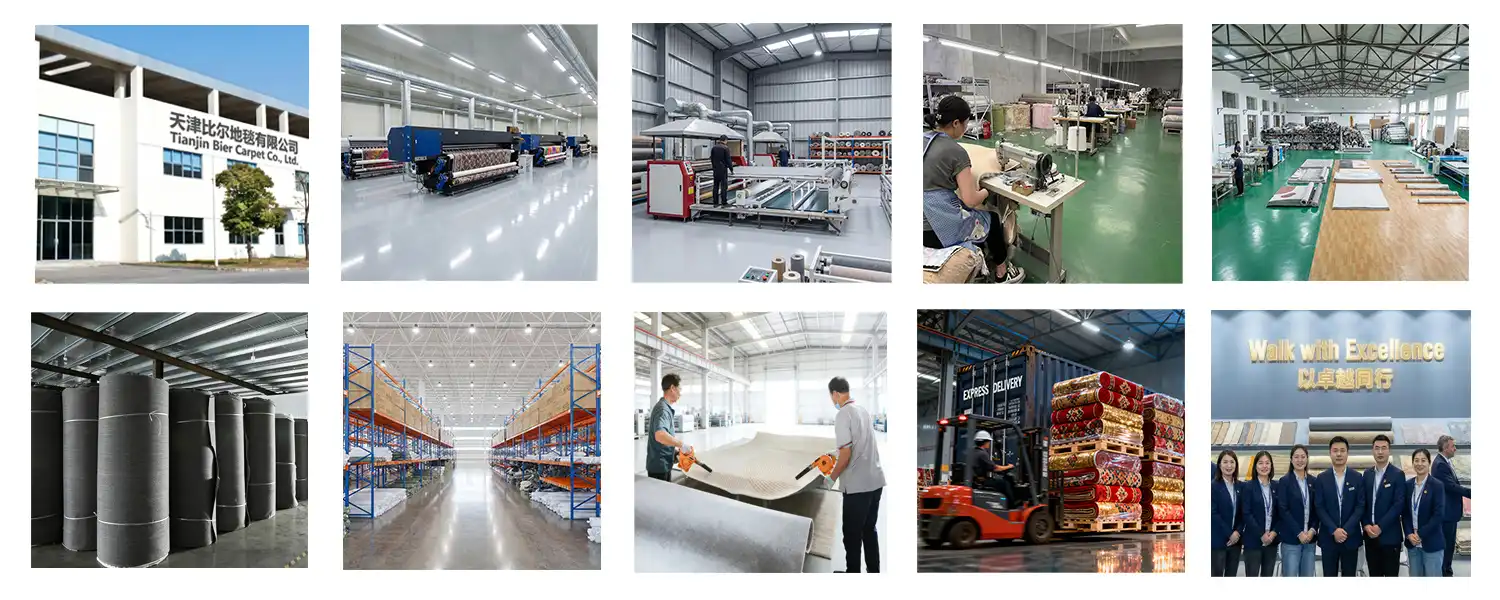
When choosing flooring for a business, a hotel, or a store with a lot of foot traffic, you need to think about more than just how it looks. Chunky loop carpet is the perfect combination of softness, durability, and uniformity in appearance. It solves the problem that procurement managers have been struggling with for a long time: they need flooring that works well in a wide range of situations while still meeting brand-specific design requirements. This article talks about the main reasons why loop pile rugs are a good choice for companies that want long-lasting flooring that can be easily customized and offer big orders at a low price.

Understanding Chunky Loop Carpet: Texture and Material Insights
What Defines Loop Pile Construction
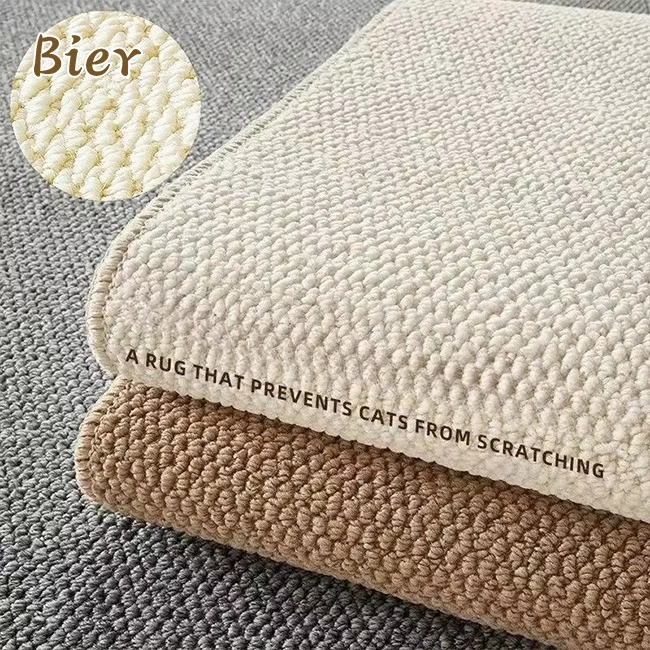
Loop pile rugs have raw fiber loops that stick out from the backing material. This makes the surface textured and spreads weight evenly across many points of contact. This building method is more stable in terms of size than cut pile options because the continuous loop structure keeps the fibers from moving when people walk on it. High-density machine weave methods, like those used to make 900g/m² polyester rugs with a 2mm pile height, make it easier for the fabric to keep its original look over many uses.
The production method has a big effect on how well the product works. With heat transfer printing, designs are pressed right into the polyester fibers, so the colors stay bright even after many washes. Laser cutting gives you exact edge finishing with 0.6 cm edge-locking, which stops the fraying that happens with other ways of trimming goods. These technical specs are important, especially for hospitality clients who need consistent looks across multiple sites or store chains that need to make sure that colors are exactly the same for each brand.
Material Performance Characteristics
When polyester fiber surfaces are paired with PVC dot plastic backing, they are useful in business settings. Polyester is better than natural fibers at keeping out moisture, so it stops mildew from growing in damp places while keeping its flexibility in places where the temperature is managed. The total thickness of 6 mm provides enough cushioning for comfortable standing without getting in the way of doorways, which is a common worry during office renovations and hotel room updates.
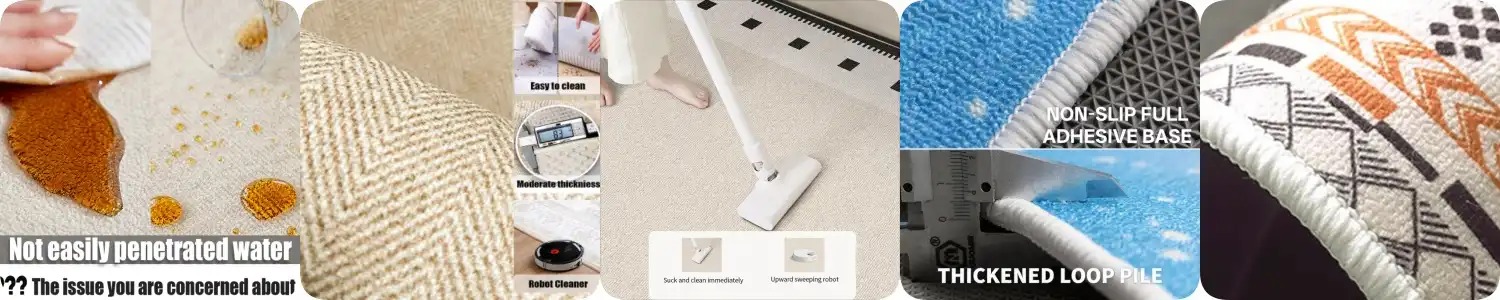
PVC backing systems keep floors from slipping by using pointed plastic structures that stick to the base of the floor without glue. This placement freedom cuts down on the cost of labor when setting up for an event or a temporary show. The material's natural resistance to stains makes maintenance easier. Daily maintenance can be done by cleaning, and heavier dirt can be removed with wet mopping every so often.
Comparing Texture Options Across Applications
Depending on the placement situation, dense looped pile formations have different benefits. The close cluster formation is great at blocking out noise; compared to hard surface flooring, it cuts down on background noise by 20 to 30 percent. This is especially important in open-plan offices or restaurant eating areas. In store areas on the ground level, the same density that absorbs sound waves also blocks the transfer of cold from concrete subfloors.
Different businesses like different textures. Hospitality managers like soft floors that make people feel like they're in a fancy hotel, while warehouse distribution centers need harder floors that make it easier for carts to move. Custom pattern printing meets all of these different needs, making it possible to visually separate functional areas in buildings with a lot of different uses without affecting the overall structure.
Durability and Maintenance: Ensuring Long-Term Performance
Structural Resilience Under High Traffic
Several engineering reasons make chunky loop carpet products last a very long time in harsh environments. The continuous loop shape keeps the yarn ends from coming free, which is the main way that cut pile goods fail when they are exposed to heavy foot traffic or wheeled equipment. When you use high-density tufting at 900g/m², the compression forces are spread out over a larger surface area. This keeps the crushing that causes wear patterns from happening in just a few places.
The choice of material is very important for how long something will last. When it comes to scratching, polyester's chemical structure is stronger than polypropylene's. Fibers in polyester can withstand about 50,000 foot traffic cycles before they start to show wear. In hotel hallways with 500 or more daily passes, this means the product will last 3 to 5 years, compared to 18 to 24 months for lower-density options. Polyester's physical stability also keeps edges from curling in places where the weather changes, making sure that there are safe transitions between flooring areas.
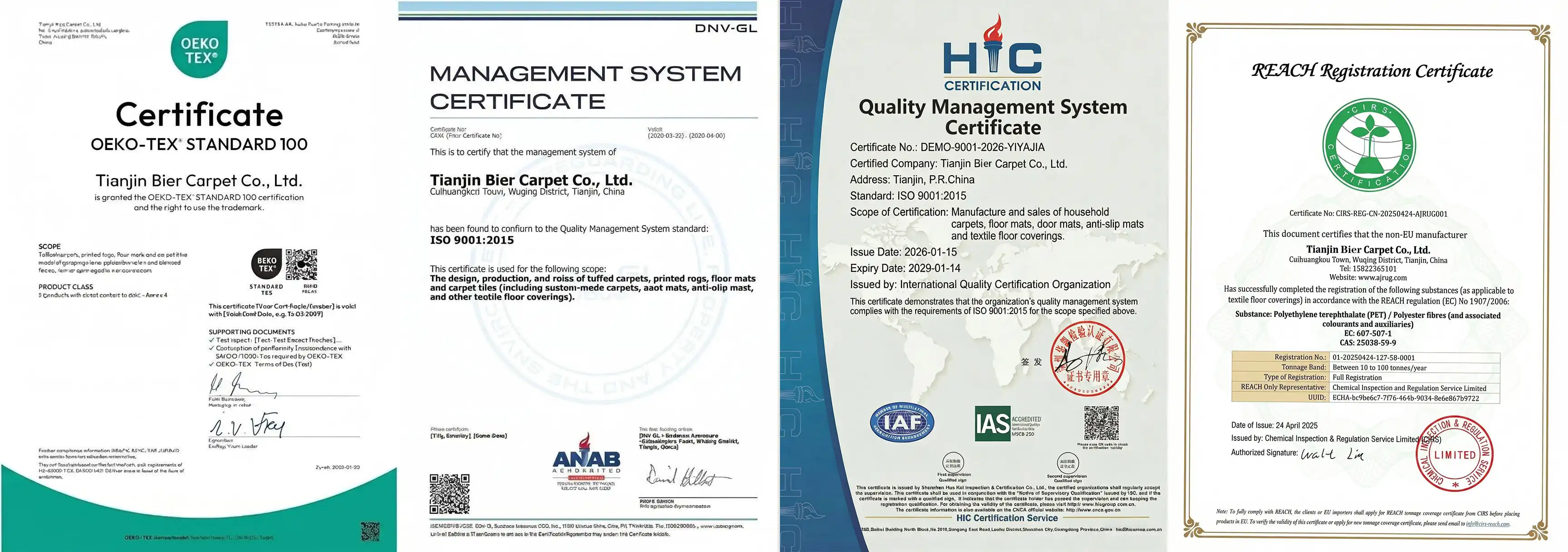
Standardized measures used in testing procedures make sure that performance claims are true. Products with CE, OEKO-TEX, and ISO 9001 standards are put through a lot of tests to make sure they don't fade, are strong enough to withstand a tear, and won't catch fire. These licenses give procurement teams clear standards to use when comparing quotes from different suppliers. This lowers the chance that low-quality materials will be used in long-term contracts.
Practical Maintenance Protocols
Compared to deep-pile surfaces, loop-pile surfaces are easier to clean. The low 2mm pile height keeps debris from getting into the backing layers, so regular repair can be done at the surface level. When fabrics are made, stain-resistant treatments are used to make hydrophobic shields. These give cleaners enough time to work before liquids soak into the fibers, which is especially helpful in food service settings.
Daily dry cleaning with suction-only equipment to get rid of dust and dirt without damaging the loop's structure is part of the recommended care procedures. Monthly damp mopping with pH-neutral soaps gets rid of built-up dirt, and every three months, hot-water extraction keeps healthcare or leisure settings clean. Commercial-grade cleaning solutions don't damage the polyester and PVC that make it up; the backing doesn't come off either.
A cost study shows that upkeep efficiency is a good thing. Because they are easier to clean, loop pile carpets need about 40% less time per square meter to clean than cut pile carpets. Labor savings add up over a number of years, especially in places that are open 24 hours a day, seven days a week, where cleaning windows is still hard to do. Total ownership costs are lowered even more by the longer replacement cycle of high-quality goods, which delays the need for capital spending for renovation projects.
Warranty Considerations and Supplier Support
Commercial goods from reputable companies come with performance warranties that cover things like wear and tear, stains, and structural flaws. For uses with moderate traffic, warranties usually last between 3 and 5 years. In controlled settings, commercial-grade standards cover up to 7 years. The warranty terms should make it clear what types of traffic are covered, what kinds of upkeep are not covered, and how to file a claim for batch-consistent replacements.
Buyer happiness is directly linked to the after-sales service a supplier provides. Dedicated account management makes sure that quality issues are dealt with quickly, and thorough inspection procedures find factory flaws before they are shipped. Leading sellers offer free repair or replacement for differences in size, printing errors, or cutting irregularities, and they even cover the costs of shipping to keep customers as happy as possible. This way of lowering the risk is very important when planning big projects with set due dates.
How to Choose the Right Chunky Loop Carpet for Your Business Needs
Assessing Traffic Volume and Environmental Factors
A correct site study is the first step in choosing the right product. Spaces with more than 1,000 daily passes need high-density building of more than 850g/m² to keep them from matting too soon. The 900g/m² specification is good for store entrances, hotel lobbies, and business greeting areas where keeping things looking good has a direct effect on how people think of a brand. Lighter-duty products are fine for back-office areas or common areas in homes where entry is limited.
Conditions in the environment affect how well a chunky loop carpet performs over time. Polyester's ability to dry quickly and resist mildew makes a chunky loop carpet a practical choice for moisture-prone areas such as building entrances, coastal homes, and other high-humidity environments. Locations that experience frequent temperature fluctuations, including facilities with loading docks, require a chunky loop carpet made from dimensionally stable materials that resist shrinking or expanding as seasonal humidity changes. In most climates, the 6mm thickness of a chunky loop carpet provides sufficient insulation and comfort underfoot without the need for additional padding.
Budget Optimization Through Bulk Procurement
For multi-site deployments or phased building jobs, buying in bulk can save you a lot of money. Manufacturers usually set price levels at 500m², 1,000m², and 2,000m², and as volume goes up, the price per unit goes down by 12–18%. Smaller businesses can get market prices normally only available to national chains by combining orders from different franchise locations or working with general contractors.
Metrics for measuring production efficiency help with making deliveries. Facilities that make 2,000m² of concrete every day can finish big orders in 7 to 15 days, which fits with the schedules for building renovations. This quick turnaround gets rid of the need to hold expensive goods, which makes just-in-time shipping possible and lowers the amount of storage needed on-site. When compared to less efficient packing methods, export-standard roll packaging makes the best use of space and maximizes container loading, lowering shipping costs by 8–12% per square meter.
Customization Capabilities for Brand Alignment
OEM and ODM services meet the rising need for flooring options that are made just for one brand. Heat transfer printing is a precise way to make logos, patterns, or color changes that look good in high-end stores or at the offices of a large company. Custom size can work with oddly shaped floor plans or flexible setups, and it gets rid of the need for field cutting, which can damage the edges. Color matching services make sure that all batches of a product are the same, which is very important when adding on to current setups or keeping the look of a multi-phase development consistent.
Pattern design that is flexible can be used in creative ways. For projects on a budget, solid colors are always a good choice, and printed geometrics or custom graphics make branded settings stand out. The laser cutting process makes it possible to make complex forms for things like wayfinding, zone marking, or decorative edges. These are useful uses that don't need any extra finishing steps.
Sustainability factors are becoming more and more important in purchasing decisions. Polyester can be recycled and uses less energy to make than nylon, which is in line with companies' environmental goals. OEKO-TEX approval ensures that there are no dangerous chemicals, and it meets strict standards for places like hospitals and daycares where material safety is closely monitored.
Procurement and Installation: Sourcing and Implementing Your Chunky Loop Carpet
Identifying Reliable Supply Channels
For large sales, working directly with the producer is better than working with a network of distributors. When you buy from a factory directly, you skip the middleman and save 15 to 25 percent on orders over 1,000m². Manufacturers who have been in business for 10 years or more have shown that their production is stable and their quality is consistent. These are important things to look for when making long-term supply deals for chain operations or ongoing repair contracts.
To figure out what a supplier can do, you have to look at their production ability, compliance paperwork, and transportation infrastructure. Facilities that make 2,000m² of goods every day can handle urgent requests or regular demand spikes without lowering the quality of their products. ISO 9001 approval shows that quality management is being done in a systematic way, and REACH compliance makes sure that international clients can access the European market. Lead times can be predicted for both full container loads and combined less-than-container shipping when freight partnerships are in place.
Sample Evaluation Best Practices
Before making big purchases, it's important to check things out with physical samples. When you ask for a 24-48 hour sample output, you can test how quick and technically skilled a supplier is. As long as the samples are exactly the same size, pile height, and backing material as the final runs, there won't be any costly mistakes during installation.
As part of the testing procedures for judging samples, chunky loop carpet products are evaluated for abrasion resistance using weighted tools, while colorfastness is checked under UV light, and physical stability is measured after exposure to different humidity levels. When samples from different suppliers are subjected to the same testing standards, performance differences become clear that may not be apparent from specification sheets alone. The relatively small investment required for thorough sample testing helps prevent costly repairs or replacement expenses caused by purchasing unsuitable materials in bulk.
Installation Planning and Logistics Coordination
Professional fitting guarantees the best function and look. To sew loop pile goods, you need trained workers who know how to do it in a way that keeps the seams hidden and stops them from unraveling. Adhesive-free placement using the natural grip of PVC backing lowers VOC exposure and makes future removal easier. However, permanent adhesive application may be best for high-humidity areas that need the most support.
Delivery schedules have a big effect on project timelines. Export packaging can handle the rough conditions of foreign shipping, and moisture-proof wrapping keeps containers from getting wet. Customs paperwork made by export teams with a lot of experience speeds up clearance, which keeps building plans from being slowed down by delays at the port. Optimizing how containers are loaded increases the amount of goods that can be carried, and calculated stacking patterns keep rolls from getting compressed during transport.
When planning lead times, you should think about how long it takes to ship things internationally and how many people are available to do the work. For international shipments, the time between confirmation of the order and arrival at the destination is usually between 21 and 35 days. For local shipments, this time drops to 10 to 14 days. Keeping buffer times in place allows for unexpected delays and ensures that the supply of flooring matches the plans of contractors.
Leading Brands and Suppliers: Trusted Partners for Bulk Orders and OEM Needs
Evaluating Manufacturer Credentials
When choosing a supplier, you should think about more than just price. You should also look at the supplier's production skills, quality assurance systems, and service infrastructure. Manufacturers who are good at both heat transfer printing and laser cutting offer better edge finishing and pattern accuracy. Comprehensive pre-shipment inspection processes, which include 100% quality checks, lower the number of defects that cause installation delays or require expensive returns.
Technical help is what sets top providers apart from commodity vendors. Having access to material experts who can suggest the best specs for a given application is valuable in and of itself. A pattern optimization session can help you find a balance between your aesthetic goals and your performance needs. This keeps you from making design decisions that hurt reliability. Regular conversation about the state of production creates openness that makes project collaboration easier.
Compliance and Certification Standards
To get into international markets, you have to meet the rules in your home country. The CE mark means that the product meets European standards for health, safety, and the environment. This is very important for hotels and shopping chains that do business across countries. OEKO-TEX approval makes sure that textiles meet human and environmental standards, which eases worries about chemical content in living areas. REACH compliance shows that chemicals are managed responsibly throughout the whole production process.
Certifications in quality management give systemic security. Registration with ISO 9001 means that production, inspection, and continuous improvement follow standard procedures. This cuts down on the variation that leads to small differences. Verification of these certifications by a third party adds legitimacy because independent checks prove ongoing compliance instead of depending only on self-certification.
Long-Term Partnership Benefits
Having a good relationship with a seller has benefits other than making transactions easier. When you make a promise to buy a lot of something, you usually get better prices, more flexible payment terms, and better control over your cash flow. Dedicated account managers who know what their clients want make it easier to place repeat orders. This saves time and money for procurement teams that are in charge of multiple properties or ongoing repair programs.
Access to new ideas is a strategic relationship advantage. Leading companies put money into developing new products and giving customers early access to better materials, printing methods, or more ways to customize their orders. Collaboration lets people have a say in how products are planned, which makes sure that suppliers' products change to meet customer needs instead of falling behind market needs.
Conclusion
When buying business flooring, it can be hard to find the right balance between performance requirements, price limits, and installation logistics. Chunky loop carpet provides proven durability in high-traffic environments while also offering design flexibility through advanced printing and cutting techniques. The polyester structure and PVC backing make upkeep easier and save money on total ownership costs by extending product life and simplifying cleaning. A successful procurement relies on carefully evaluating suppliers, testing samples thoroughly, and clearly defining expected traffic levels. Partnering with manufacturers that offer comprehensive quality assurance, fast production, and responsive after-sales support helps reduce project risks and maximize the long-term value of chunky loop carpet installations.
FAQ
What makes loop pile construction more durable than cut pile alternatives?
Loop pile structures keep the fiber lines straight from the surface to the backing. This gets rid of the need for free yarn ends that fray when they are stressed. This closed-loop arrangement spreads the compression forces over larger areas, which stops crushing in one place. High-density tufting makes the carpet even more resilient by increasing the number of fibers per square inch. This makes the carpet last 40–60% longer in business settings than similar-weight cut pile goods.
How should procurement managers evaluate stain resistance claims?
Instead of depending only on marketing claims, use standard testing methods to make sure the fabric is stain-resistant. Ask for proof of any processes that have been used, like fluorochemical coats or changes that have been made to the fiber itself. In practical tests, common commercial spots like coffee, soft drinks, or food oils are put on samples, and how easy they are to clean up after certain dwell times are given. Products that meet OEKO-TEX standards are safe for the environment and don't damage easily.
What customization options suit multi-location retail or hospitality chains?
Heat transfer printing makes it possible to reproduce logos accurately and match brand-specific colors across an endless number of production runs. This makes sure that properties look the same. Custom sizing lets you fit different floor plans without having to make changes to the field that could damage the edges. Batch tracking systems let you reorder exactly the same items years after you first bought them, which helps with phased repairs or property additions by making sure that all the materials match.
How do international compliance requirements affect supplier selection?
For your target markets, choose makers that have up-to-date certifications, such as CE for the European Union, REACH for chemical compliance, and ISO 9001 for quality management. Suppliers who are familiar with export paperwork can speed up the customs clearance process, which cuts down on port delays. Before confirming big orders, make sure you get copies of test reports and certificates of conformity. This way, you can be sure that the materials meet the rules of the target country without having to be changed after production, which can be expensive.
Partner with Bier for Your Chunky Loop Carpet Requirements
How well you buy business flooring relies on how reliable your suppliers are, how well they can do technical work, and how well their service system works. Bier has been making carpets for 10 years and uses cutting-edge heat transfer printing and laser cutting technology to make loop pile carpets that meet the strictest requirements. Our strict pre-shipment inspection procedures and compliance with CE, OEKO-TEX, ISO 9001, and REACH standards give you peace of mind for deployments in multiple locations. We help sourcing managers find a reliable chunky loop carpet maker by making samples in 24 to 48 hours, delivering orders in 7 to 15 days, and managing long-term partnerships with dedicated account managers. Email our sales team at sales@biercarpet.com to talk about your large order needs, get free samples, or look into OEM customization choices that fit with your brand's standards.
References
1. Carpet and Rug Institute (2021). Commercial Carpet Performance Standards and Testing Protocols. Dalton: CRI Technical Publications.
2. Johnson, M. R. & Stevens, P. L. (2020). Textile Flooring in High-Traffic Environments: Material Science and Durability Analysis. Journal of Applied Textile Research, 34(2), 112-128.
3. International Organization for Standardization (2019). ISO 9001:2015 Quality Management Systems – Requirements for Textile Manufacturing. Geneva: ISO Standards Publishing.
4. European Chemicals Agency (2022). REACH Compliance Guidelines for Textile Imports: Substance Registration and Safety Data. Helsinki: ECHA Regulatory Documentation.
5. Williams, K. T. (2021). Sustainable Procurement in Commercial Interiors: Environmental Certifications and Material Selection. Facilities Management Quarterly, 18(4), 45-61.
6. Anderson, H. D. & Chen, L. (2023). Loop Pile Construction Technology: Engineering Advances in Durability and Aesthetic Performance. Textile Technology International, 29(1), 78-94.
Send Inquiry
Related Industry Knowledge
- Chunky Loop Carpet Buying Guide: Texture, Durability & Design
- Shopping For simple Rugs For Your Living Room
- Where Can You Buy High Quality Japanese Print Rugs Online?
- The Ultimate Guide to Maintaining and Caring for Your Crystal Velvet Carpet
- Discovering the Natural Charm of Jute Rugs
- Sustainable Rugs: How Eco-Friendly Materials Make a Difference
- What You Need to Know About Silica thread rug
- The best jute rugs : how to make the ideal choice for your interior design project?
- Modern Flannel Carpet for Cozy Home Interiors
- How to Maintain Easy Care Carpet Without Professional Help