
Why Consider Buying a Jute-proof rug? 9 Reasons Why!
Jun 18, 2026
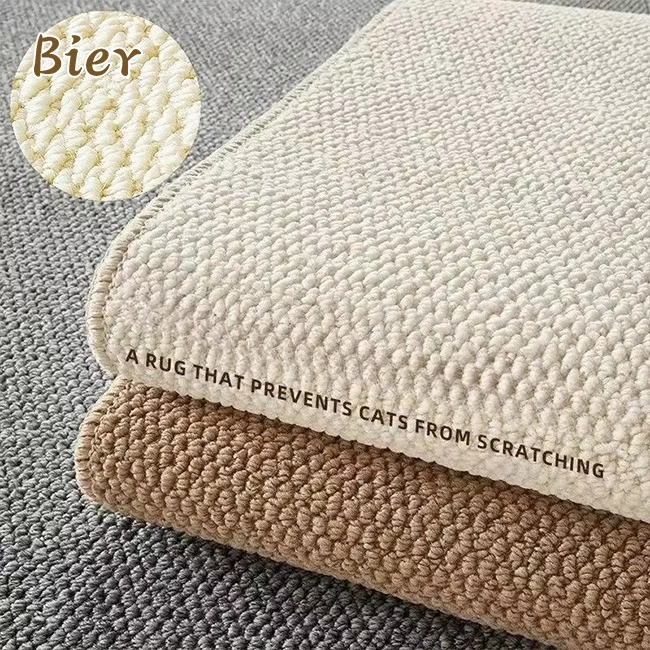
Procurement managers have to make hard choices when they need to choose floors for business areas. This problem can be solved by a Jute-proof rug, which has the natural look of natural fibers without being fragile, sensitive to wet, or hard to maintain. With a waterproof TPR washable base made of polyester fiber that looks like sisal, these high-tech floor covers don't stain, scratch, or tear easily and keep their professional look. If you know the strategic benefits of Jute-proof rugs, you can choose flooring that looks good, works well, and doesn't cost too much in the long run, whether you're decorating a hotel lobby, a store, or a business office.
What Is a Jute-proof Rug and How Is It Made?
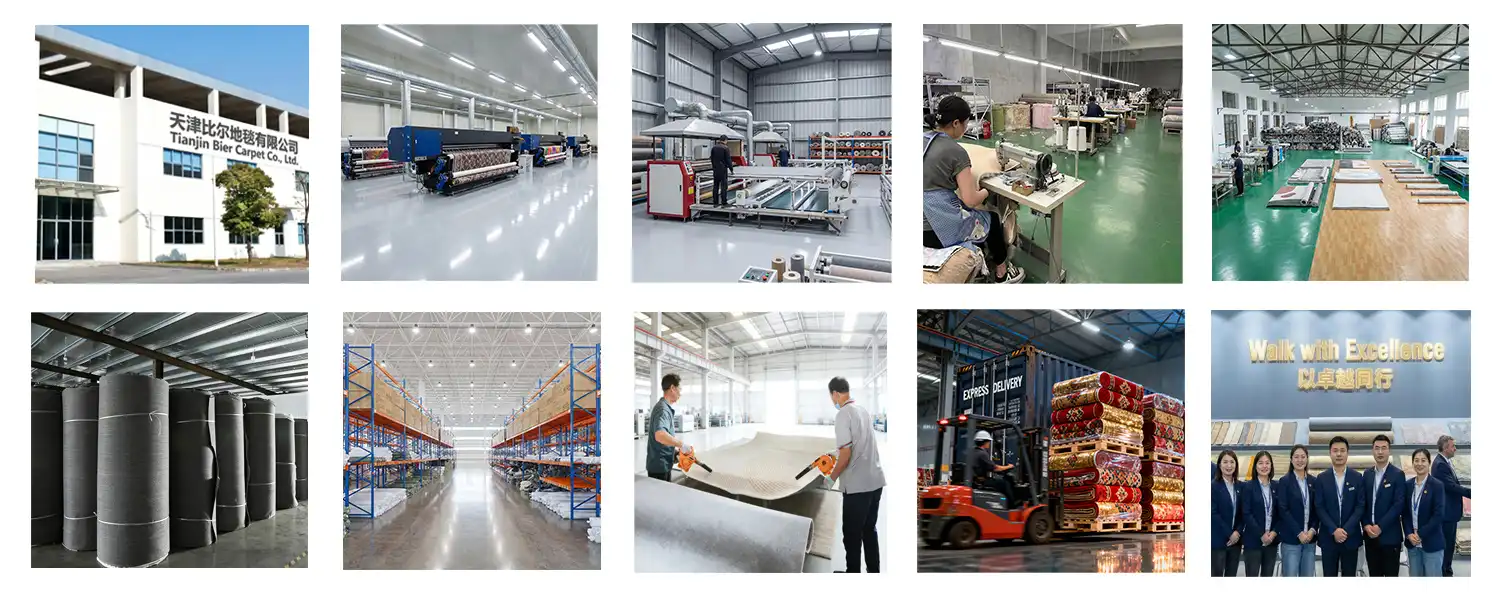
Jute-proof rugs are a big step forward in textile engineering because they combine the natural beauty of fibers with the performance-driven qualities of synthetic materials. Instead of traditional jute, which breaks down when it gets wet or when it gets a lot of foot traffic, these rugs use high-density machine-woven polyester fibers that look like sisal. The first step in making something is choosing high-quality synthetic yarns that look and feel like natural veggie fibers but don't have any of their structural flaws.
Advanced Manufacturing Process
Complex methods are used in the production process at places like those run by makers with ten years of experience. With a 0.6 cm edge-locking width, high-precision laser cutting technology makes sure that the sides are clean. This stops the fraying and unraveling that can happen with natural fiber options. Unique heat transfer printing locks bright colors deep into the fiber structure, making them less likely to fade even after being cleaned professionally and exposed to UV light for a long time. Every square meter weighs about 1 kg, and the width stays the same at 1 cm, so it feels good underfoot without being too bulky.
Quality-Driven Construction Standards
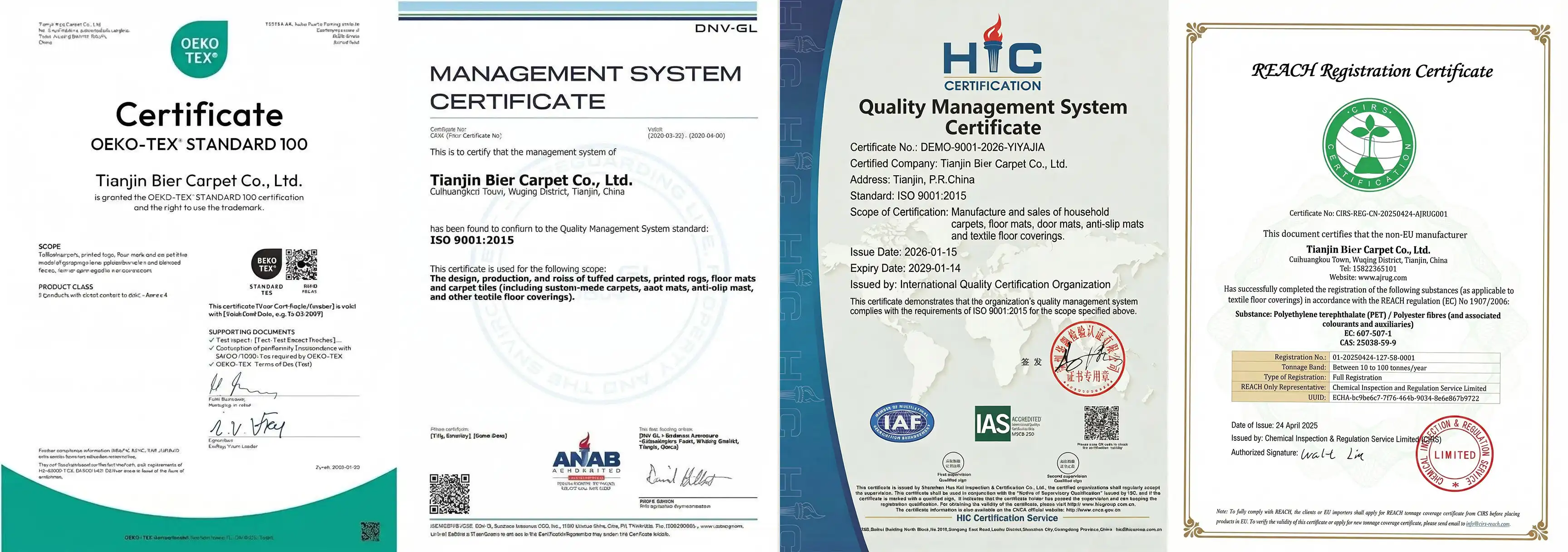
The TPR (thermoplastic rubber) washable base makes these goods different from regular mats. This backing material does two things: it keeps the carpet stable on smooth floors without slipping, and it completely seals out water and spills. Full-process quality control systems keep an eye on every batch of production to make sure that the colors are always the same, the sizes are correct, and the structure is strong. Before any shipment leaves the facility, strict checking routines make sure that all of the goods meet international standards like CE, OEKO-TEX, ISO 9001, and REACH, which are necessary for selling on the global market.
9 Key Benefits of Investing in Jute-proof Rugs for Your Business
When looking at investments in flooring, knowing how certain product features translate into practical benefits helps make buying choices more logical. The following advantages show why these designed floor covers are the best choice for a wide range of business uses.
Exceptional Durability for High-Traffic Environments
A lot of people walk on floors in commercial areas all the time, which quickly wears down less durable materials. Because they are made to be scratch- and tear-resistant, Jute-proof rugs are perfect for places where pets are welcome, places that serve food, and stores where how something looks has a direct effect on how people feel about it. The high-density weaving method makes a surface that is strong enough to handle moving bags, shopping carts, and constant foot traffic without showing signs of wear.
Comprehensive Safety Features
Concerns about safety at work affect a lot of buying choices, especially when it comes to slip-and-fall accidents. The TPR non-slip base gives a stable grip on tile, hardwood, and laminate floors, which protects property owners from harm. The surface roughness of this two-layer protection system keeps your feet from slipping, and the base grip keeps the rug in place during daily use, even in busy hallways and entryways.
Simplified Maintenance Requirements
Natural fabric mats that are used today soak up spills, hold allergens, and require special cleaning that slows down business. These man-made alternatives have surface processes that make them stain-resistant, so coffee spills, food crumbs, and tracked-in dirt can be cleaned up quickly. The removable base lets you do deep cleaning every so often without hurting the fiber structure or the strength of the backing. Facilities management teams like that they don't have to do as much upkeep, which means lower labor costs and longer repair cycles.
Versatile Application Across Multiple Sectors
These rugs can be used in a lot of different places, from hotel guest rooms to show booth floors. Because they are waterproof, they can be used in wet areas and near building doors, where moisture can be tracked in. The fact that they are foldable makes it easy to store them between seasons or events, and the fact that they are lightweight (1000g/㎡) makes them easier to move and set up without the need for special tools or extra work.
Outstanding Cost-Effectiveness
Procurement managers who are careful with their budgets know that the original purchase price is only one part of the total cost of ownership. The mix of long-lasting quality and easy upkeep makes it very cost-effective by lowering the number of times it needs to be replaced and the cost of cleaning it. Businesses can get reasonable prices on large orders by offering flexible MOQ choices. This is especially helpful for chain operations that need to use the same flooring in all of their locations.
Rapid Delivery Timelines
Getting things quickly is often necessary to meet project schedules, especially for event- or seasonally-driven store installations. Large orders can be delivered within the 7–15 day window that business buyers need if the manufacturer can make more than 1,000㎡ per day. This quick turnaround, along with professional export-grade packaging made to make the best use of containers, guarantees predictable shipping timelines that support tight project schedules without losing order accuracy or product quality.
Extensive Customization Capabilities
In business settings and store chains, brand uniformity is important. OEM and ODM services help with logo placement, custom sizes, and color needs that make flooring match larger interior design plans. Laser cutting lets you make non-standard forms for specific uses, while heat transfer printing can handle complicated patterns and company branding. With these customization choices, plain floor covers can be turned into branded elements that help build a company's image.
Environmental Responsibility
As companies try to meet the needs of stakeholders and the government, sustainability standards are becoming more and more important in their purchasing decisions. Even though polyester fiber building doesn't use only natural materials, it does use recycled materials and doesn't have the environmental effects of growing jute naturally, like using pesticides and water. The longer product lifecycle means less waste than natural fiber options that need to be changed more often. This helps the company meet its environmental goals without sacrificing functionality.
Superior Visual Quality
Even though they are made of synthetic materials, these rugs have a real feel and look that meets the needs of design-conscious areas. The fake sisal surface gives the room an organic warmth that goes well with modern interior design trends that like using natural materials. Solid color choices in neutral tones go well with any current decor and add visual interest with slight changes in texture. The pattern is reproduced consistently across batch orders, which is important for large-scale projects that span multiple stories or buildings.
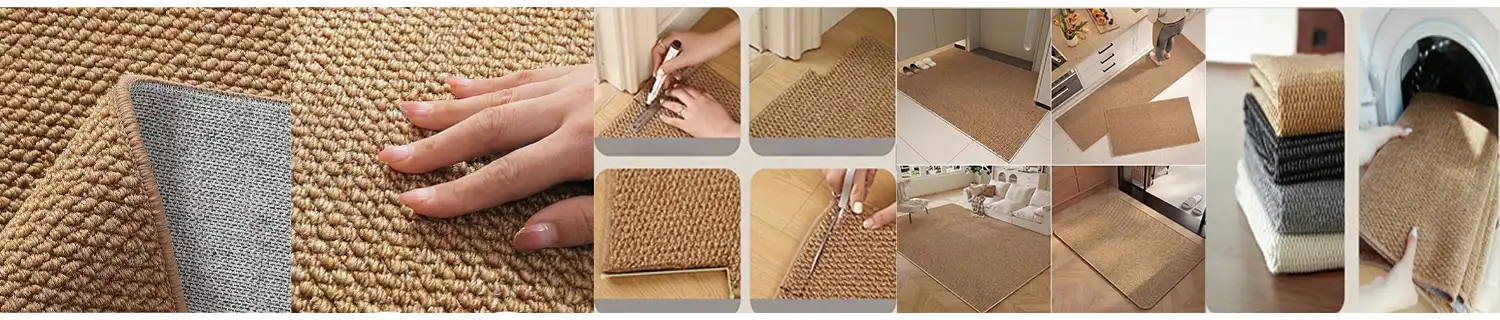
Because of all of these benefits, Jute-proof rugs are complete solutions that meet the needs of facility managers, purchasing directors, and project planners who have to choose business flooring.
Jute-proof Rugs Compared: Making the Right Choice for Your Business Needs
Knowing how different types of flooring measure up against certain standards helps purchasing teams choose products that meet practical needs and price limits. When you compare Jute-proof rugs to other popular options, you can see that they work differently.
Performance Against Natural Fiber Options
Traditional jute and sisal look beautiful because they are made from natural materials, but they are not very useful. They easily soak up water, which lets mildew grow, and fibers break down in damp places. Their rough surface can be painful to walk on barefoot, and the fibers that fall out make them hard to clean and could cause allergies. Luckily, the designed replacement doesn't have these issues because it's made of a synthetic material that looks the same and stays waterproof and stable in size even when the temperature and humidity change.
Comparison with Wool Alternatives
Wool mats are very soft and good at keeping heat in, but they are very expensive, which can make it hard to stick to a budget. To avoid moth damage and fiber matting, they need to be cleaned by a professional, which adds to the cost of ownership over time. The Jute-proof rug option gives off the same amount of visual warmth but costs a lot less to buy and keep up. This makes it a better choice for high-traffic business settings where replacing the carpet often would be too expensive.
Synthetic Carpet Considerations
Fully synthetic rugs last a long time and don't stain easily, but they don't always have the natural look that makes business spaces feel welcoming. They might give off volatile chemical molecules that worry health-conscious groups and create static electricity. Jute-proof rugs are a hybrid style that fills this gap by mixing the performance benefits of synthetic materials with the look of natural fibers, meeting both functional needs and design tastes.
Suitability for Bulk Procurement
For hotel companies, store franchises, and corporate office networks to place large orders, they need to be able to count on a consistent supply and quality. Bulk buyers can easily buy from manufacturers that offer flexible MOQ structures, standard export packing, and dedicated account management support. The organizational challenges that come with foreign sourcing can be solved by making sure that containers are loaded quickly and that all the paperwork needed for customs clearance is provided.
How to Maintain and Clean Jute-proof Rugs for Long-Term Use
Proper care increases the useful life of a product and keeps it looking professional, which is important in business settings. Setting up regular maintenance schedules will help you get the most out of your carpet purchase.
Daily and Weekly Care Routines
When you clean your carpet regularly, you get rid of the top dirt before it gets deep into the fibers. Using vacuum accessories without beater bars keeps fibers from getting distorted and successfully collects dust and other debris. In places with a lot of foot traffic, cleaning every day stops dirt from building up and speeding up wear patterns. Mild soap solutions and clean, absorbent cloths should be used for spot cleaning new spills once a week. The stain-resistant surface treatment makes cleanup quick.
Deep Cleaning Protocols
The removable TPR base lets you do deep cleaning every so often, which brings back the original look. For outdoor or well-ventilated areas, hosing down the whole rug and letting it dry in the air works well. Professional extraction cleaning gets rid of deep-down dirt in indoor uses without hurting the synthetic fiber or backing material. If you don't use strong chemical cleaners, the surface treatment and color brightness that heat transfer printing technology keeps will last longer. By following the manufacturer's instructions on how to use cleaning solutions safely, you can avoid damage that could void your warranty.
Damage Prevention Strategies
Even if the Jute-proof rug has been treated to prevent UV light, keeping it out of direct sunshine for long periods of time will help the color last longer. High-density weave doesn't get compression marks when furniture coasters are put under heavy things. Rotating rugs on a regular basis in areas with uneven traffic patterns spreads wear evenly across the surface, which delays the point at which damage can be seen. These easy preventative steps add to the natural benefits of sturdiness, making replacements less frequent and more cost-effective.
Trusted Brands and Suppliers of Jute-proof Rugs for B2B Procurement
Choosing trustworthy production partners is what makes the supply chain stable and the quality of the product consistent across multiple sales. There are a few things that set reputable providers in the business flooring field apart from others.
Essential Supplier Selection Criteria
Manufacturers who have been in business for at least ten years bring improved production methods and quality control systems that lower the number of defects. Look for suppliers that have a lot of different standards, like ISO 9001 for quality management, OEKO-TEX for material safety, and REACH compliance for following chemical rules. These licenses give third-party confirmation of production standards, which is important for buyers who don't want to take risks when making purchases.
Service and Support Capabilities
A supplier's response affects the success of a project in more ways than one. The ability to make samples quickly (within 24 to 48 hours) lets you evaluate and make a decision quickly during the design phase. Dedicated account managers who know what needs to be done for return orders and can offer proactive pattern and process improvement suggestions add strategic value that goes beyond transactional relationships. Quality assurance policies that cover logistics costs and offer free rework or replacement for production flaws show that the seller cares about customer happiness and lowers the buyer's risk exposure.
Customization and Logistics Expertise
By customizing designs, shapes, and colors, suppliers who offer full OEM and ODM services make it possible for brands to stand out. People who have experience with cross-border operations, such as better export packing, stable relationships with freight forwarders, and quick and easy customs paperwork processes, make international purchasing easier. Partners who can support complicated global rollout plans across multiple markets are those whose production is flexible and who are good at logistics.
Bier has ten years of experience making things, quality systems that have been approved, and a wide range of customization options. They also have fast production cycles and reliable export operations. Their full-process quality control and specialized account management solve the problems that B2B buyers have when they need a steady supply of high volumes on schedule.
Conclusion
In conclusion, for business buyers looking for long-lasting, aesthetically pleasing, and easy-to-maintain flooring, Jute-proof rugs offer a tempting value proposition. Synthetic performance engineering and natural visual appeal work together to meet the needs of retail, office, event, and leisure settings. These goods solve real problems for property managers and procurement teams by not scratching easily, being waterproof, making cleaning easier, and giving you a lot of ways to make them your own. If you know about the quality of the making, the relative benefits, and the right way to maintain something, you can make smart buying choices that balance the initial investment with the total cost of ownership while still meeting design and sustainability goals.
FAQ
Are jute-proof rugs suitable for heavy commercial use?
The polyester fibers and high-density machine stitching make this fabric very durable, making it perfect for harsh industrial settings. The scratch- and tear-resistant features can handle moving tools, heavy foot traffic, and the wear and tear of hotels and stores. Natural jute breaks down when it's stressed, but the manufactured design stays strong even after many uses, which makes it perfect for lobbies, hallways, and other high-traffic areas.
How do these rugs perform in moisture-prone areas?
The synthetic fiber design and waterproof TPR base make it impossible for natural materials to soak up water. If you spill something on the surface, it's easy to clean up because the liquid doesn't go deep and cause a smell or bacterial problems. This makes them good for places like building openings, restaurants, and installations in wet climates where regular jute would not work.
What customization options support brand consistency?
Full OEM and ODM services include placing logos, matching colors exactly, making items to your size, and designing patterns. Heat transfer printing technology makes it possible to print complicated brand graphics, and flexible production makes it possible to keep batches consistent across multiple locations for store chains and hotel groups that want to have a consistent look.
Partner with Bier for Your Commercial Flooring Needs
With over ten years of experience making the best Jute-proof rugs, Bier stands are ready to help you with your next flooring job. We know how hard it is to make choices about what to buy for hotels, stores, corporate offices, and other commercial projects because we are a trusted seller to the global B2B market. Our quick sample development, adjustable MOQ structures for large orders, and full customization services are all designed to meet the needs of buying managers and facility directors. Contact our committed team at sales@biercarpet.com to talk about your project needs, learn more about our many customization options, and get expert advice on choosing the best flooring for your specific needs. We offer quality-certified goods, stable production cycles of 7–15 days, professional export packaging, and committed account management to make sure you always have what you need.
References
1. Anderson, M. (2022). "Commercial Flooring Selection: Balancing Aesthetics and Performance in High-Traffic Environments." Journal of Facility Management Studies, 18(3), 142-159.
2. Chen, L. & Rodriguez, P. (2023). "Synthetic Fiber Technologies in Contemporary Textile Floor Coverings." International Textile Engineering Review, 41(2), 88-104.
3. Harrison, K. (2021). "Sustainable Procurement Strategies for Commercial Interior Products." Corporate Supply Chain Quarterly, 29(4), 67-81.
4. Mitchell, R. (2023). "Comparative Analysis of Natural and Engineered Floor Covering Materials in Hospitality Applications." Hospitality Design and Operations, 15(1), 34-52.
5. Thompson, S. & Williams, J. (2022). "Maintenance Cost Analysis for Commercial Flooring Systems." Building Management Economics, 37(2), 201-218.
6. Zhang, W. (2023). "Quality Assurance Protocols in Global Textile Manufacturing for B2B Markets." International Manufacturing Standards Review, 26(3), 112-127.
Send Inquiry
Related Industry Knowledge
- Sustainable Rugs: How Eco-Friendly Materials Make a Difference
- Why Consider Buying a Jute-proof rug? 9 Reasons Why!
- What is a Silica thread rug? Material, Benefits and Placement
- Export Quality Silica Thread Rug for Retail Distributors
- How Jute Rugs Are The Best Option For Your Home This Summer?
- Luxury Silk and Wool Area Rugs in Modern Persian Styles
- Modern Flannel Carpet for Cozy Home Interiors
- Eco Friendly Easy Care Carpet for Sustainable Spaces
- Transforming Hallways with Long Runner Rugs
- How should a long corridor carpet be? long corridor carpet Selection Guide